
In the landscape of modern procedural television, few franchises have achieved the brand density and emotional “stickiness” of NBC’s One Chicago universe. At the heart of this success is Chicago Fire, a show that has mastered the art of character branding. While lead protagonists often drive the initial marketing push, it is the “legacy characters” who provide the structural integrity of the brand. Randall “Mouch” McHolland, portrayed by Christian Stolte, stands as a premier case study in how a secondary character can evolve into a core brand pillar, ensuring audience retention through strategic narrative development and emotional equity.
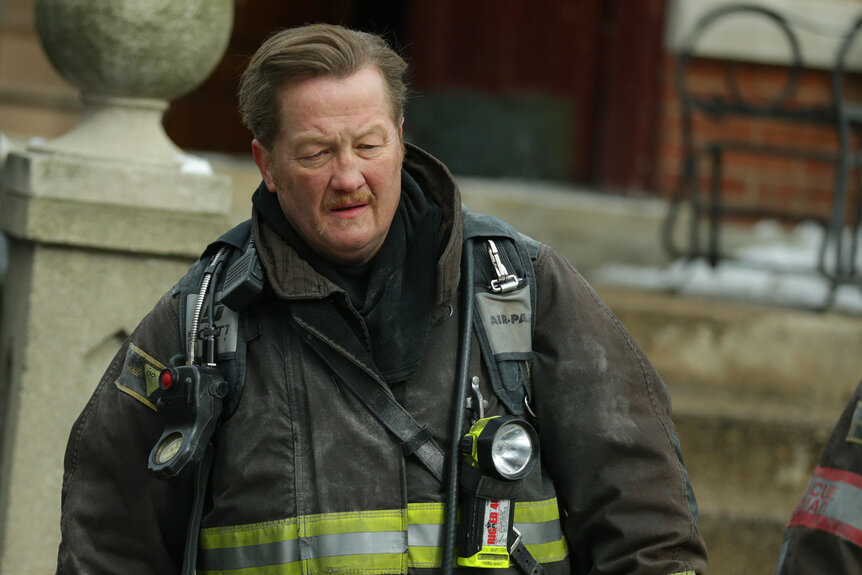
The question of “what happens to Mouch” became a viral marketing phenomenon following the high-stakes cliffhanger of the Season 11 finale. This moment was not merely a plot point; it was a calculated brand maneuver designed to test the market value of loyalty and the emotional investment of a global audience.
The Evolution of the “Mouch” Personal Brand: Consistency and Relatability
In brand strategy, the most successful identities are those that offer a clear “promise” to the consumer. For the Chicago Fire audience, the Mouch brand represents the “Everyman” archetype—a blend of stability, dry humor, and blue-collar wisdom. His name itself, a portmanteau of “Man” and “Couch,” established a relatable, grounded identity that contrasted with the high-octane heroics of the show’s more volatile leads.
Crafting the Relatable Professional
From a branding perspective, Mouch serves as the “anchor” in a sea of constant transition. While younger characters cycle through intense romantic arcs and career-ending injuries, Mouch’s brand identity remained remarkably consistent for over a decade. He is the institutional memory of Firehouse 51. In corporate terms, he is the “Senior Partner” who maintains the culture of the firm. By positioning Mouch as a steady force, the writers created a brand asset that the audience relies on for emotional comfort, making any threat to his character feel like a threat to the viewer’s own sense of stability within the show’s world.
The Value of Vulnerability in Character Identity
Over time, the “Mouch” brand evolved from simple comic relief to a complex symbol of aging within a high-stress profession. This shift was a strategic branding masterclass. By showing Mouch’s insecurities regarding his physical fitness and his relevance in a changing department, the creators tapped into a universal human experience. This increased the “brand equity” of the character, moving him from a background asset to a figure whose loss would represent a significant devaluation of the show’s emotional core.
Strategic Narrative Pivots: How Character Stakes Drive Audience Engagement
The Season 11 finale, which saw Mouch wounded by shrapnel and subsequently flatlining in a hospital bed, was a quintessential example of “Brand Jeopardy.” In marketing, brand jeopardy occurs when a beloved product or persona is suddenly placed at risk, forcing the audience to re-evaluate their attachment and engage more deeply to ensure its survival.
The Cliffhanger as a Brand Engagement Tool
When Mouch’s life hung in the balance between Season 11 and Season 12, the “Chicago Fire” brand saw a massive spike in digital engagement. This wasn’t accidental. By targeting a legacy character for a potential exit, the showrunners utilized “scarcity marketing.” The possibility that Mouch might be gone forever forced the audience to vocalize their support on social media, creating organic marketing buzz that sustained the show during its hiatus. This level of engagement is a metric that brand managers covet; it transforms passive viewers into active brand advocates.
Rebranding Through Recovery
The resolution of Mouch’s fate—his survival and subsequent physical rehabilitation—allowed the show to execute a “Brand Refresh.” In Season 12, we see a reinvigorated Mouch. He is no longer the “man on the couch”; he is a veteran fighter reclaiming his spot. This pivot revitalized the character’s storyline, preventing “brand fatigue.” By changing the internal dynamics of the character while keeping the core identity intact, the show successfully extended Mouch’s “shelf life” for several more seasons.

The Business of Fan Loyalty: Leveraging Character “Cliffs” for Brand Retention
The survival of Mouch is more than a creative choice; it is a business decision rooted in the economics of fan loyalty. Long-running series like Chicago Fire operate on the principle of “Lifetime Value” (LTV). Just as a customer’s LTV increases the longer they subscribe to a service, a viewer’s LTV increases the longer they remain emotionally tethered to a cast of characters.
The Cost of Losing Legacy Assets
Replacing a character like Mouch is an expensive and risky endeavor from a brand management standpoint. A new character requires “onboarding”—the process of introducing them to the audience, building a backstory, and establishing chemistry with the existing ensemble. This carries the risk of “brand rejection,” where the audience fails to connect with the new asset. By retaining Mouch, the Chicago Fire brand avoids this friction, maintaining a seamless experience for its most loyal “consumers.”
Emotional Dividends and Social Proof
The “What happens to Mouch” narrative arc served as powerful social proof for the show’s cultural relevance. The collective anxiety of the fanbase served as a signal to advertisers and network executives that the brand remains vital. In the digital age, a character’s “health” is often measured by their trendability on social media. Mouch’s brush with death provided a wealth of “earned media,” where fans created content, theories, and tributes, essentially doing the marketing work for the network.
Synergy and Expansion: The Role of Ensemble Branding in Modern Television
The “Mouch” brand does not exist in a vacuum. It is part of a larger ecosystem of sub-brands within Chicago Fire. His marriage to Sergeant Trudy Platt (from Chicago P.D.) is a classic example of “Brand Synergy.” This cross-over relationship links two distinct brands, encouraging viewers to consume both products to get the full story of the characters they love.
Cross-Brand Integration
The “Plouch” (Platt and Mouch) dynamic is a powerful sub-brand that strengthens the entire One Chicago universe. By intertwining the fates of characters across different shows, the producers create a “brand web” that is difficult for viewers to leave. If Mouch were to be written off, the brand impact would be felt not just on Chicago Fire, but on Chicago P.D. as well. This interconnectedness is a sophisticated strategy to maximize audience “stickiness” across an entire portfolio of media properties.
Mentorship as Brand Continuity
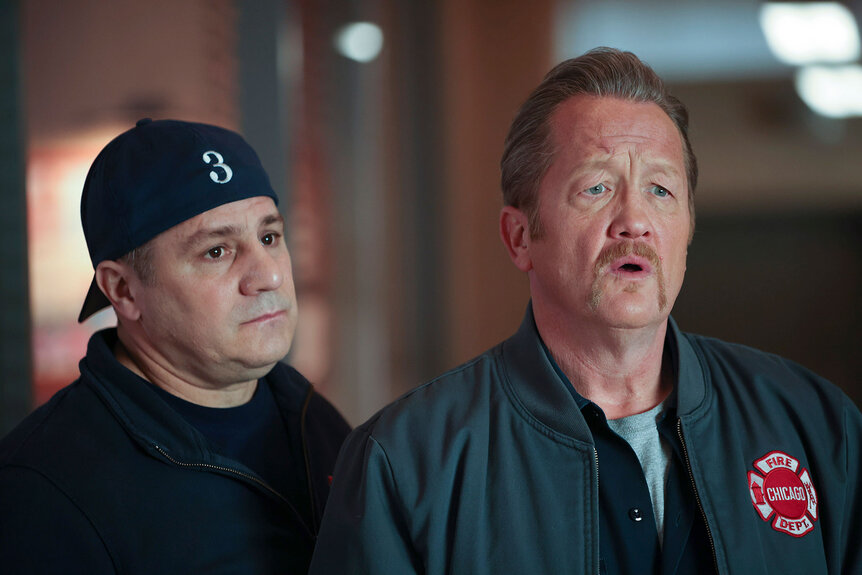
In the most recent seasons, Mouch has taken on the role of a mentor, particularly to younger characters like Ritter and Gallo. In branding terms, this is “succession planning.” By having a legacy brand (Mouch) endorse and train the new brands (the younger firefighters), the show ensures a smooth transition of audience loyalty. This prevents the “identity crisis” that many long-running brands face when their original founders (or lead actors) eventually move on.
Conclusion: The Enduring Power of Strategic Character Branding
The journey of Mouch on Chicago Fire—from the quiet man in the background to the center of a national conversation about survival—highlights the profound impact of strategic character branding. By focusing on relatability, leveraging high-stakes narrative pivots, and maintaining the integrity of the ensemble brand, Chicago Fire has created a model for television longevity.
“What happens to Mouch” was never just about a fictional firefighter in a hospital bed. It was about the strength of a brand that has spent over a decade building a relationship with its audience. As Mouch continues his journey in Season 12 and beyond, his character stands as a testament to the idea that in the world of branding, consistency is key, but the ability to evolve under pressure is what creates a legend. For fans and brand strategists alike, Mouch remains a masterclass in how to stay relevant in a rapidly changing marketplace.
aViewFromTheCave is a participant in the Amazon Services LLC Associates Program, an affiliate advertising program designed to provide a means for sites to earn advertising fees by advertising and linking to Amazon.com. Amazon, the Amazon logo, AmazonSupply, and the AmazonSupply logo are trademarks of Amazon.com, Inc. or its affiliates. As an Amazon Associate we earn affiliate commissions from qualifying purchases.