
In the world of narrative theory, the “Hero’s Journey” is the gold standard for building emotional resonance. From the perspective of brand strategy, Frodo Baggins represents the ultimate case study in brand evolution. However, most marketers focus exclusively on the “Quest”—the struggle to launch a product, the battle for market share, or the climactic “destruction of the Ring” (solving a major consumer pain point).
The most critical question for any high-growth brand isn’t how to win the war, but what happens to the brand identity after the mission is accomplished. When the goal is achieved and the fires of Mount Doom are extinguished, many brands find themselves in the same position as Frodo: changed, weary, and unable to return to the simple status quo of “The Shire.”
This article explores the strategic lifecycle of a brand through the lens of Frodo’s post-war trajectory, examining how corporate identities must navigate the transition from active disruptor to enduring legacy.
The Post-Quest Void: Why Brands Struggle After Their Biggest Success
In the Tolkien mythos, Frodo returns to the Shire only to find that he no longer fits. He has been fundamentally altered by his burden. In brand strategy, this is known as “Post-Peak Identity Crisis.” When a brand builds its entire value proposition around a singular “epic” mission—think of a startup disrupting a legacy industry—it often falters once that disruption is successful.
The Burden of Success (The Morgul-Blade Effect)
Just as Frodo suffered from the recurring pain of the Morgul-blade, a brand carries the scars of its initial struggle. A brand that launches as a “rebel” or “disruptor” (the Frodo against Sauron) often finds it impossible to pivot into a “stable leader” role. The very attributes that made the brand successful during its quest—scrappiness, aggression, and a singular focus—can become liabilities when the market stabilizes.
Strategic leaders must recognize when the “quest” is over. If a brand continues to act like a desperate underdog after it has already captured 40% of the market, it risks alienating its now-broad audience. The brand must evolve from a character defined by a problem to a character defined by a philosophy.
The Loss of Purpose in a Post-Ring Market
Frodo’s primary struggle post-Ring was a lack of purpose. He had saved the world; what was left to do? Brands like BlackBerry or Nokia faced this “Frodo moment.” They solved the initial quest of mobile connectivity, but when the quest changed from “connection” to “ecosystem,” they were still living in the memory of their past victory.
To avoid this, brand strategy must involve “Horizon 3” thinking. While your brand is busy destroying its current “Ring” (the current market challenge), leadership must already be drafting the map for the “Undying Lands”—the next evolution of the brand’s existence.
The Scouring of the Shire: Protecting the Brand Narrative from Internal Decay
In the final chapters of the book, Frodo returns to find the Shire corrupted by Saruman. This “Scouring of the Shire” serves as a vital lesson in brand management: the greatest threat to a successful brand often comes from within its own “home” or core demographic after the main battle is won.
Preventing Brand Dilution and Rot
When a brand achieves massive success, it often attracts “internal Sarumans”—bureaucratic processes, cost-cutting measures, or a shift in focus from product excellence to shareholder quarterly reports. This internal rot can destroy the brand equity faster than any external competitor.
Effective brand strategy requires a “Scouring” process. This involves a rigorous audit of the brand’s core values to ensure that success hasn’t led to a compromise in quality. A brand must protect its “Shire” (its loyal, original customer base) even as it expands its borders. If the original fans feel the brand has become a shell of its former self, the brand loses its foundation.
Re-establishing the Brand Guardian
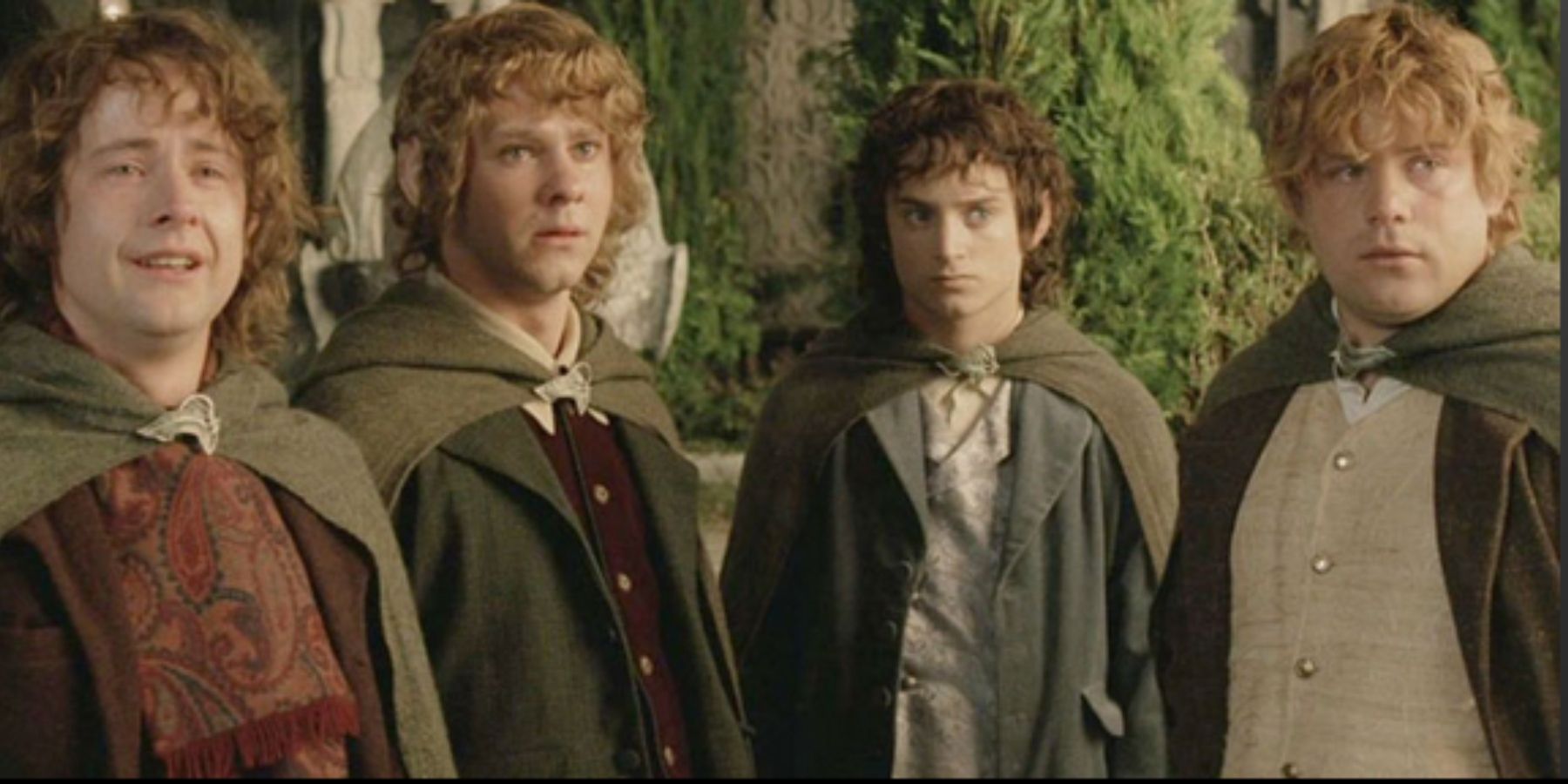
Frodo, Sam, Merry, and Pippin took charge to restore the Shire. In a corporate context, this is the role of the Brand Guardian. After a major campaign or product cycle, the leadership must step back and ask: “Is our core identity still intact?” This is not about staying small; it’s about ensuring that the growth hasn’t sacrificed the soul of the narrative.
The Transition to the Undying Lands: Strategic Brand Retirement and Legacy Building
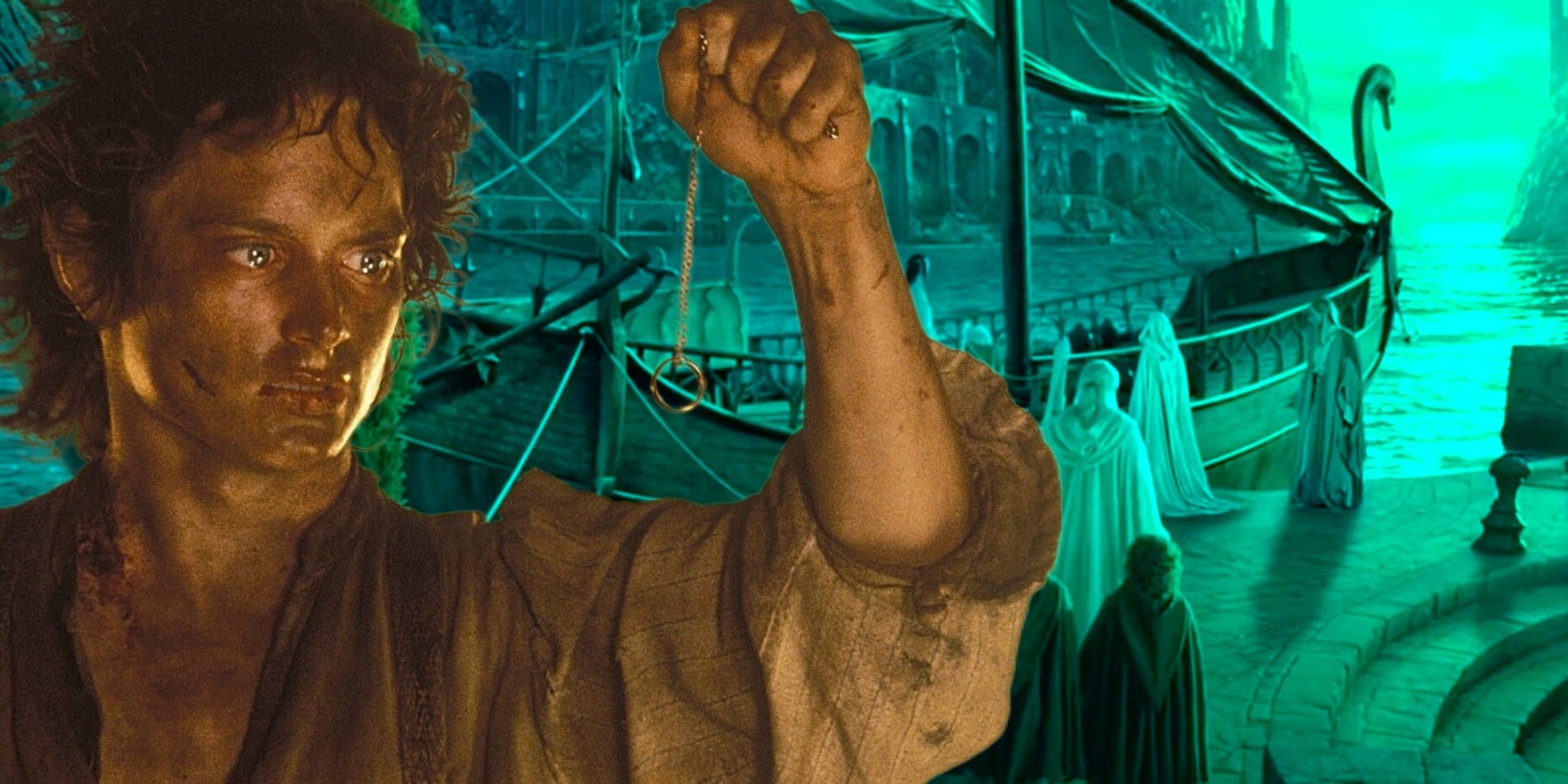
Ultimately, Frodo realizes he cannot stay in Middle-earth. He departs for the Undying Lands. In brand strategy, this represents the “Legacy Transition.” Every brand, or at least every major product line, has a natural expiration date in its current form. Knowing when to exit the “Active Market” and move into “Legacy Status” is the mark of a sophisticated brand strategist.
Knowing When to Sunset a Sub-Brand
A common mistake in marketing is trying to keep a “Frodo” (a legacy product) in the Shire forever. Eventually, the product becomes a relic. Wise brands, like Apple or Porsche, know how to retire versions of their identity to make room for the new.
The departure to the Undying Lands isn’t a death; it’s an elevation. When a brand retires a legendary product line, it moves that product into the realm of “Heritage.” This Heritage creates a halo effect for all future products. By allowing Frodo to leave, the story gains a sense of weight and importance that a “happily ever after” in the Shire could never provide.
Building Immortality Through Storytelling
Frodo’s story didn’t end with his departure; it was recorded in the Red Book of Westmarch. This is the ultimate goal of Brand Strategy: to move from being a utility to being a legend.
To achieve brand immortality, a company must:
- Document the Journey: Share the “behind the scenes” of the struggle. Customers connect with the vulnerability of the brand during its hard times.
- Pass the Phial of Galadriel: Empower the next generation of products or sub-brands with the light of the original’s success.
- Institutionalize the Values: Ensure that even after the “Hero” (the founder or the original product) is gone, the values remain part of the cultural lexicon.
The Samwise Gamgee Paradox: Successor Brand Strategy
While Frodo left, Samwise Gamgee stayed and became the Mayor. He represents the “Successor Brand.” In any long-term corporate strategy, there must be a plan for what happens to the secondary characters (the support services or spin-offs) once the main hero departs.
Cultivating the Next Generation of Leaders
A brand shouldn’t rely on a single hero. The “Frodo” of your company—perhaps a visionary CEO or a flagship product—will eventually move on. The strategy must involve “The Samwise Effect”—training the next tier of the brand to lead. Sam was once a gardener (a support role), but he became the leader of the Shire.
Brands like Microsoft successfully navigated this transition from Bill Gates (the Frodo who took the Ring to the mountain) to Satya Nadella (the Samwise who rebuilt the Shire for a new age). The transition was successful because the brand identity was robust enough to support a new protagonist while honoring the old one.
Transitioning from Mission-Driven to Community-Driven
Frodo was mission-driven (destroy the Ring). Sam was community-driven (build the Shire). Post-success brands must make this shift. Once the “mission” of a brand is accomplished, its continued relevance depends on how well it serves its community.
A brand that cannot move past its “mission” phase becomes a “warrior without a war.” By focusing on community-driven growth (loyalty programs, user-generated content, and customer experience), a brand ensures its survival long after the initial quest has been forgotten.
Conclusion: The Final Chapter of Brand Evolution
What happens to Frodo after The Lord of the Rings is not a story of sadness, but one of profound transition. It is the acknowledgement that some journeys change the traveler so deeply that they can never truly go back—they can only go forward, into a new form of existence.
For brand strategists, the lesson is clear:
- Acknowledge the scars: Don’t pretend your brand is the same after a massive market battle. Use that experience to deepen your brand’s narrative.
- Scour your Shire: Periodically purge the internal inefficiencies and “Saruman-like” complexities that success brings.
- Plan your departure: Build a legacy that doesn’t depend on the “hero” being present forever. Elevate your brand to heritage status.
- Empower the successor: Ensure that the “Samwise” elements of your brand are ready to lead the community into the next age.
A brand that understands the “Frodo lifecycle” is a brand that is built for the ages. It recognizes that the end of the quest is merely the beginning of the legacy. By embracing the departure to the Undying Lands, a brand ensures that its story will be told, and its influence felt, for as long as the Red Book is read.
aViewFromTheCave is a participant in the Amazon Services LLC Associates Program, an affiliate advertising program designed to provide a means for sites to earn advertising fees by advertising and linking to Amazon.com. Amazon, the Amazon logo, AmazonSupply, and the AmazonSupply logo are trademarks of Amazon.com, Inc. or its affiliates. As an Amazon Associate we earn affiliate commissions from qualifying purchases.