
In the landscape of modern television drama, few characters undergo a metamorphosis as profound as Dr. Randolph Bell on The Resident. By the time the series reached its sixth and final season, Bell had evolved from the show’s primary antagonist—a surgeon nicknamed “HODAD” (Hands of Death and Destruction)—into its moral compass and most beloved mentor. From a professional branding perspective, Dr. Bell’s journey offers a masterclass in personal rebranding, crisis management, and the strategic pivot of a professional identity.
Season 6 serves as the culmination of this “Brand Bell” evolution. It addresses what happens when a high-value personal brand faces the ultimate threat: the loss of the physical capabilities that defined its market value. Through his battle with Multiple Sclerosis (MS) and his transition from surgeon to advocate, Dr. Bell demonstrates how to maintain brand authority through vulnerability and ethical realignment.
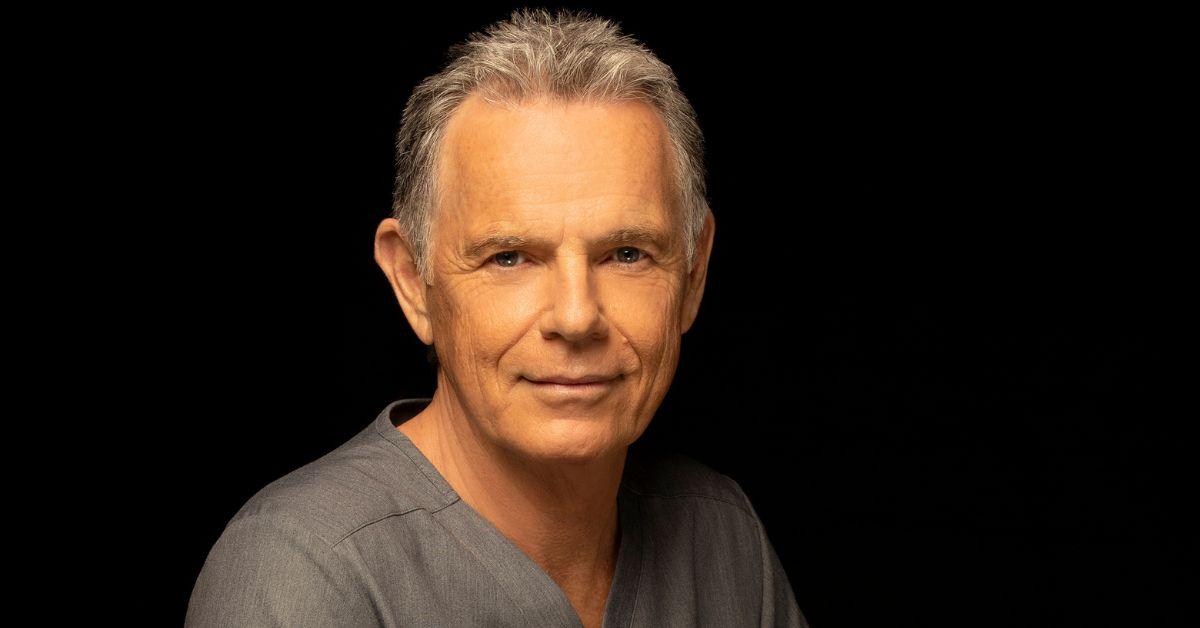
The Anatomy of a Brand Crisis: From HODAD to Redemption
To understand where Dr. Bell ends up in Season 6, we must analyze the “toxic brand” he occupied in the show’s inception. Early in the series, Randolph Bell represented the worst of corporate medicine. He was a brand built on ego, litigation, and the suppression of negative data. In branding terms, he was a “legacy product” that had become obsolete and dangerous but refused to exit the market.
Identifying the Toxic Brand Identity
A toxic personal brand is characterized by a lack of transparency and a refusal to acknowledge flaws. Dr. Bell’s early brand was defined by his “tremor”—a physical liability he hid at the cost of patient lives. In a corporate setting, this is equivalent to a company hiding a product defect to maintain its stock price. This strategy is unsustainable; eventually, the market (or in this case, the medical community) discovers the truth, leading to a total brand collapse. Bell’s initial “HODAD” moniker was the organic market reaction to his failing brand.
The Catalyst for Change: Radical Transparency
The turning point for Dr. Bell’s brand was his decision to move toward radical transparency. Rebranding requires more than just a new logo or a change in title; it requires a fundamental shift in operations. Bell stopped hiding his mistakes and began leveraging his power to protect the hospital rather than himself. By Season 6, the “HODAD” label is a ghost of the past, replaced by a brand identity of “The Ethical Statesman.” This shift proves that even the most damaged personal brands can be rehabilitated through consistent, value-driven actions and public accountability.
Managing a Brand Under Physical Constraint: Dr. Bell’s MS Narrative in Season 6
Season 6 poses the greatest challenge to Dr. Bell’s professional identity: Multiple Sclerosis. For a surgeon, whose brand is inextricably linked to physical precision and “the hands,” a diagnosis like MS is a potential brand-killer. However, Bell’s handling of his illness provides a blueprint for how professionals can pivot their brand when their primary “product” is no longer viable.
Vulnerability as a Brand Strength
Traditionally, professional branding—especially in high-stakes fields like surgery or finance—prizes invulnerability. Season 6 dismantles this notion. Dr. Bell’s decision to be open about his MS diagnosis with his colleagues and his wife, Kit Voss, represents a shift from “Authority through Power” to “Authority through Authenticity.”
In the modern marketplace, consumers and colleagues resonate with vulnerability. By acknowledging his limitations, Bell actually increases his brand equity. He becomes a symbol of resilience rather than a symbol of perfection. This shift allows him to stay relevant in the Chastain Park Memorial ecosystem even when he isn’t holding a scalpel. He transforms from a “service provider” (the surgeon) to a “thought leader” (the mentor).
Pivoting Expertise when Traditional Assets Fail
When a brand’s flagship product becomes unviable, the brand must diversify. In Season 6, we see Bell grappling with the fact that his “flare-ups” make him a liability in the Operating Room. Instead of fighting the inevitable and risking another brand crisis, he pivots. He leans into his experience as a former CEO and a senior clinician.
This is a classic “Brand Pivot.” Just as a tech company might move from hardware to software as the market shifts, Bell moves from the physical act of surgery to the intellectual act of teaching and hospital governance. His value is no longer in his hands, but in his “vision.” This ensures the longevity of the Bell brand, proving that a professional’s true value lies in their accumulated wisdom rather than a single skill set.
The Corporate Identity of Chastain Memorial: Leadership Through Ethics
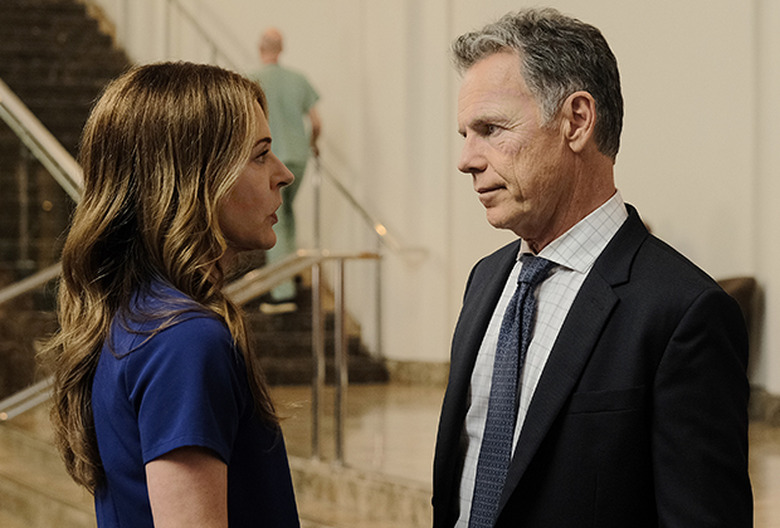
Dr. Bell’s personal brand is inextricably linked to the corporate identity of Chastain Park Memorial Hospital. In Season 6, the hospital faces systemic threats—budget cuts from Governor Betz, staffing shortages, and the looming threat of closure. Bell’s role as a “Brand Ambassador” for Chastain becomes his primary function.
The CEO as the Face of the Organization
Although Kit Voss is the CEO in Season 6, Bell serves as the “Emeritus Leader.” In branding, the “face” of an organization must embody its values. When the hospital is under fire from the corrupt Governor Betz, Bell uses his public standing to fight back. He understands that a corporate brand is only as strong as its commitment to its mission.
In Season 6, Bell becomes the primary antagonist to the Governor’s cost-cutting measures. This is a strategic brand alignment: he aligns himself with “The Patient” against “The Machine.” This positioning not only saves the hospital’s reputation but also solidifies Bell’s own legacy as a champion of the people.
Navigating Hostile Takeovers and Systemic Failure
Branding is often a defensive game. Throughout the final season, Bell and Voss must defend Chastain’s corporate identity against a government that views healthcare as a line item rather than a human right. Bell’s history as a “shark” in the early seasons becomes an asset here. He knows how the “other side” thinks.
This demonstrates an important branding lesson: your past, even the darker parts of it, can be leveraged as a “competitive advantage” once you have rebranded. Bell’s former ruthlessness is repurposed into a fierce protective instinct for his staff and his hospital. He uses his understanding of political maneuvering to expose the Governor’s hypocrisy, ultimately securing the hospital’s future.
Legacy and Long-term Brand Sustainability
The final episodes of Season 6 focus heavily on the concept of legacy. For any brand, the ultimate goal is sustainability—ensuring that the brand’s values and impact continue even after the founder or the “main product” is gone.
Mentorship as a Brand Extension
In Season 6, Dr. Bell focuses intensely on his relationship with younger doctors like Devon Pravesh and Conrad Hawkins. In the world of branding, this is known as “Brand Extension.” By teaching his methods and ethics to the next generation, Bell ensures that his “brand” will live on in their work.
Mentorship is a powerful tool for personal branding. It moves the brand from an individual to a philosophy. When Bell steps away from the OR to seek treatment at the Mayo Clinic, the “Bell Method” of compassionate, expert care remains at Chastain. This is the mark of a successful brand: it is no longer dependent on a single individual to function.
The Final Act: Knowing When to Step Back
One of the hardest lessons in branding is knowing when to sunset a product or when a leader should step down. In the Season 6 finale, Dr. Bell makes the difficult decision to focus on his health and his family, recognizing that his time as a frontline surgeon has come to an end.
This is not a failure of the brand; it is the ultimate “Brand Exit Strategy.” By leaving on his own terms, with his reputation fully restored and his legacy secured, Bell avoids the “slow fade” that many professional brands suffer. He leaves the audience (and the market) wanting more, rather than waiting for him to fail. His final scenes in Season 6, characterized by peace and a sense of accomplishment, provide a satisfying conclusion to a decade-long rebranding effort.
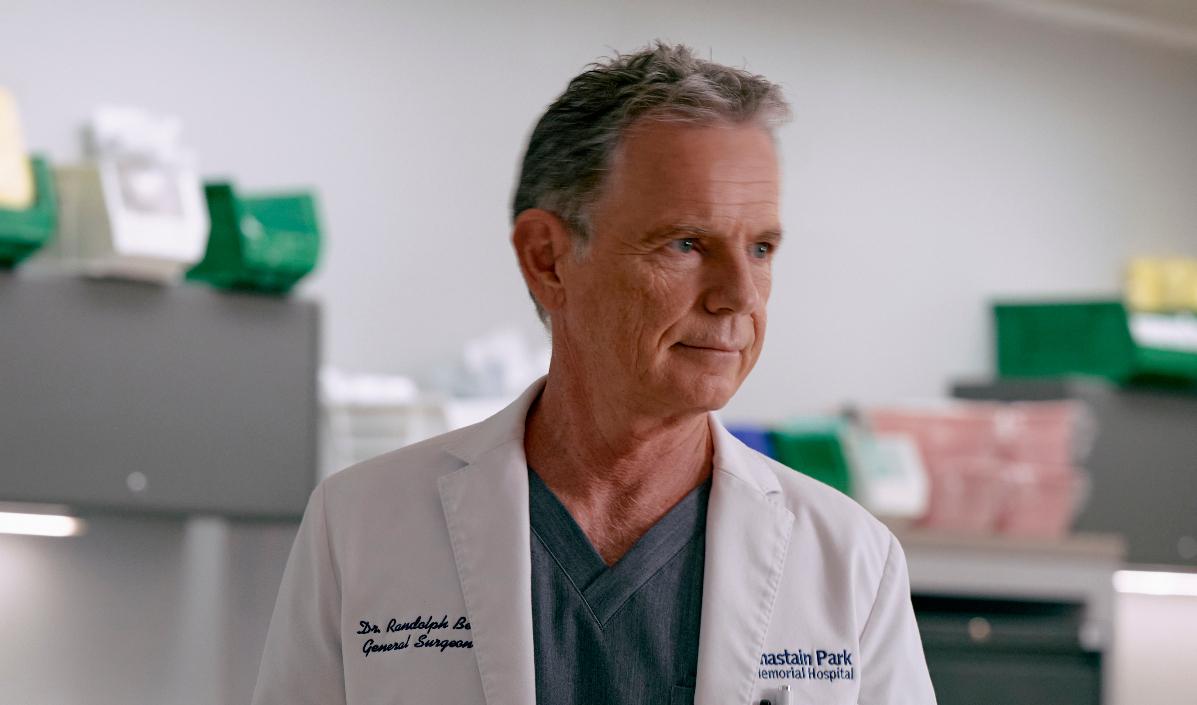
Conclusion: The Enduring Value of the Bell Brand
What happens to Dr. Bell in The Resident Season 6 is more than just a plot resolution; it is the completion of a total brand overhaul. He moves from a position of “Negative Equity” to become the most valuable asset in the Chastain ecosystem.
For professionals in any field—whether Tech, Brand, or Money—Dr. Bell’s journey offers three vital lessons:
- Accountability is the only path to rebranding: You cannot hide from a damaged reputation; you must out-perform your past.
- Adaptability is the key to longevity: When your primary skills are threatened, pivot to your intellectual and ethical strengths.
- Legacy is built through others: A brand’s true worth is measured by the impact it leaves on the culture and the people it trained.
As Season 6 closes, Dr. Bell stands as a testament to the power of personal evolution. He proved that even in a high-pressure, high-stakes environment, it is never too late to change the narrative of your career. His brand didn’t just survive; it thrived, leaving an indelible mark on the fictional world of Chastain and providing a real-world blueprint for professional transformation.
aViewFromTheCave is a participant in the Amazon Services LLC Associates Program, an affiliate advertising program designed to provide a means for sites to earn advertising fees by advertising and linking to Amazon.com. Amazon, the Amazon logo, AmazonSupply, and the AmazonSupply logo are trademarks of Amazon.com, Inc. or its affiliates. As an Amazon Associate we earn affiliate commissions from qualifying purchases.