
In the vast ecosystem of the Star Wars franchise, few characters embody the complexities of loyalty, identity, and organizational shift as poignantly as CC-2224, known as Commander Cody. While he is a fictional military figure, a brand strategy analysis of his character arc provides a fascinating case study in how a “personal brand” navigates a radical corporate restructuring. When the Republic (the legacy brand) was dissolved and replaced by the Galactic Empire (the new corporate identity), Cody found himself at the center of a rebranding exercise that tested the limits of indoctrination and individual identity.
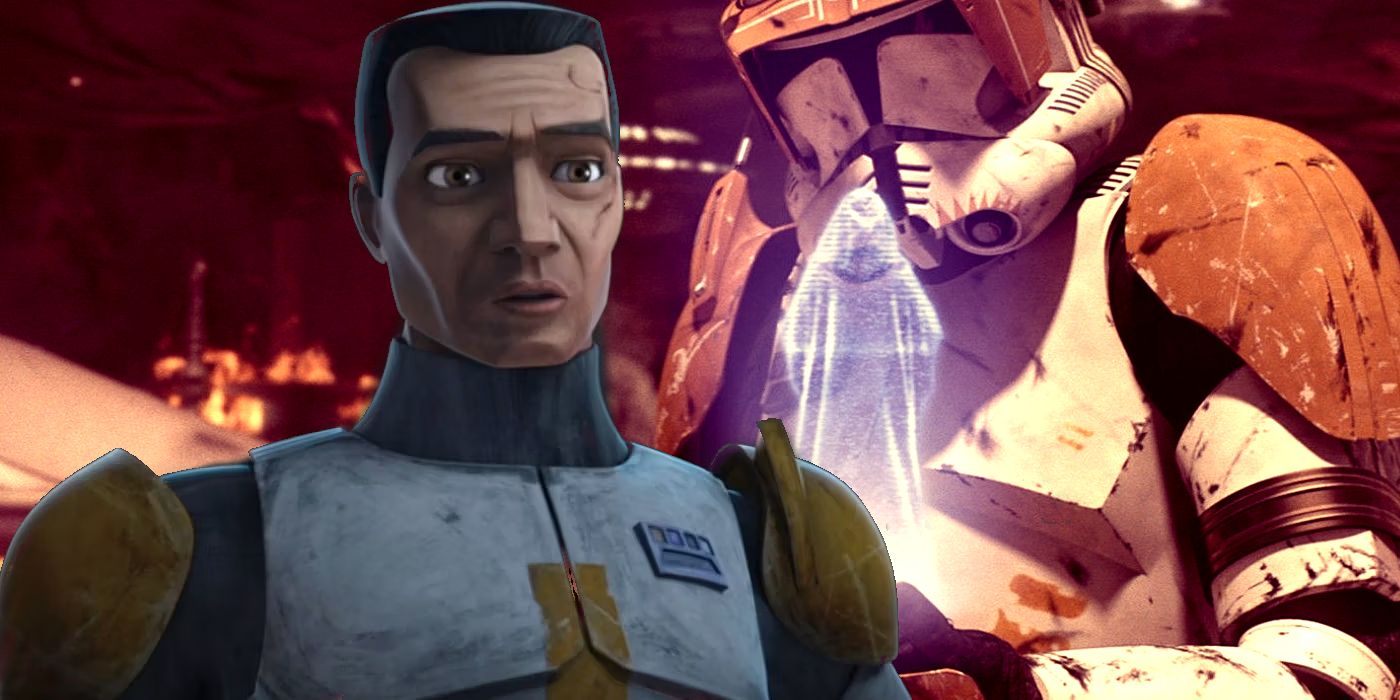
This article explores Cody’s trajectory after the implementation of Order 66, analyzing his journey through the lenses of brand equity, organizational culture, and the “planned obsolescence” of the clone trooper model.
The Republic Brand vs. The Imperial Identity
To understand what happened to Commander Cody after Order 66, one must first understand the fundamental shift in the “corporate mission” he served. Under the Galactic Republic, the Grand Army was marketed as a force of liberation and peace, closely associated with the “heroic brand” of the Jedi Order. Cody, as the second-in-command to General Obi-Wan Kenobi, was a primary brand ambassador for this partnership.
The Symbolism of the Orange Markings
In the world of branding, visual identity is paramount. Cody’s 212th Attack Battalion was defined by its distinct orange markings. This wasn’t merely a tactical choice; it was a sub-brand within the Grand Army that signaled a specific set of values: precision, leadership, and a close working relationship with the Jedi. Post-Order 66, these visual identifiers became relics. As the Empire transitioned toward a monochromatic, sterile aesthetic, the “Cody brand” faced its first major hurdle: the erasure of the individual flourishes that defined his career during the Clone Wars.
Transitioning from Hero to Enforcer
The “Republic Brand” was built on the concept of being a “Guardian of Peace.” When Order 66 was issued, the mission statement changed overnight. The Jedi were rebranded as traitors, and the clones were repositioned as the enforcers of the New Order. For Cody, this meant a sudden and violent pivot in his professional duties. He went from a collaborative leader to a tool of state-sanctioned execution. From a branding perspective, this is a “hard pivot”—a total change in product offering that risks alienating the core user base (in this case, the soldier’s own psyche).
Personal Branding in a Sea of Uniformity
Commander Cody was more than a number; he was a leader with significant brand equity. Throughout the Clone Wars, he cultivated a reputation for tactical brilliance and an unwavering sense of duty. However, the Imperial machine viewed individual brand equity as a threat to the collective uniformity of the state.
Cody’s Individualism and Leadership Equity
In the early days of the Empire, Cody was one of the few clones who retained a semblance of his former status. He remained a commander, tasked with pacifying worlds that resisted the new Imperial decree. His “personal brand” was utilized by the Empire to provide a sense of continuity during the transition. By keeping high-profile clones like Cody in leadership positions, the Empire maintained the appearance of stability, leveraging Cody’s existing respect among the ranks to streamline the implementation of new, harsher policies.
The Conflict of the Inhibitor Chip as a Brand Constraint
In corporate terms, the inhibitor chip can be viewed as a “hardwired corporate policy” that overrides individual judgment. For Cody, the chip ensured that his loyalty to the “Empire Brand” was non-negotiable, even when it contradicted the values he had displayed for years. This creates a fascinating brand paradox: Cody was performing the duties of the Empire, but was he still “Commander Cody”? When a brand is forced to act against its established values due to external pressures or rigid internal protocols, it suffers from “brand erosion.” Cody’s actions on Utapau—firing upon his friend and General, Obi-Wan Kenobi—represented the ultimate betrayal of his established brand identity.

The Rebranding of the Grand Army: From Clones to Stormtroopers
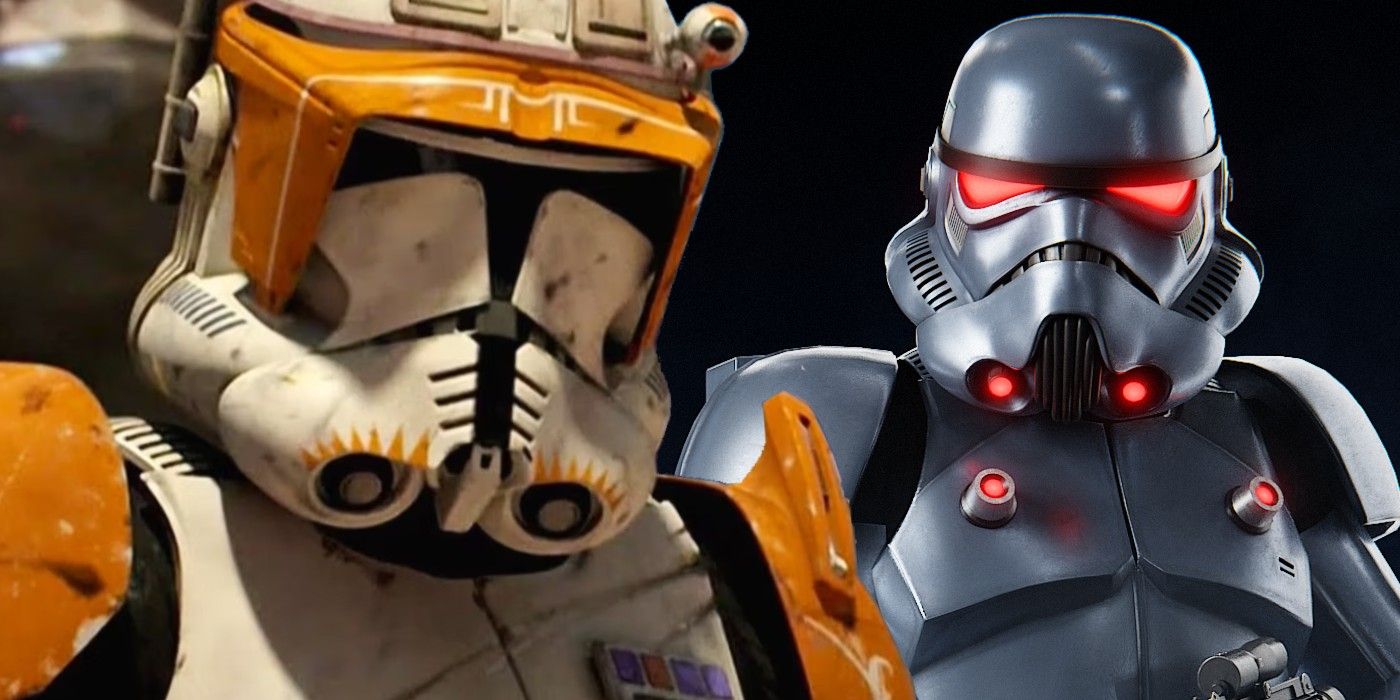
One of the most critical aspects of Cody’s post-Order 66 story is his role in the “corporate restructuring” of the military. The Empire eventually moved away from the expensive, high-quality “Clone Brand” in favor of the mass-market, cost-effective “Stormtrooper Brand” (conscripted soldiers).
Cody as the Legacy Brand Ambassador
During the early Imperial era, Cody was tasked with training the first generations of TK troopers (conscripts). In this role, he functioned as a “Legacy Brand Ambassador.” His job was to take the elite standards of the Clone Army and attempt to scale them across a much larger, less specialized workforce. However, this rebranding effort was fraught with tension. Cody, a man of peak efficiency and genetic engineering, found himself leading “inferior products”—regular humans who lacked the innate discipline of his clone brothers.
The Planned Obsolescence of the CC-Unit
In business, “planned obsolescence” occurs when a product is designed with a limited useful life. The clones were the ultimate example of this. Once the transition to conscripts was well underway, the Empire no longer had a need for high-ranking, independent-thinking clones like Cody. His story after Order 66 is a slow descent into irrelevance as the Imperial machine prioritized quantity over quality. The “Cody Brand” was being phased out by a regime that valued total conformity over specialized leadership.
Case Study: Cody’s Narrative Pivot in “The Bad Batch”
The animated series The Bad Batch provides the most definitive look at Cody’s post-war identity crisis. In the episode “The Solitary Clone,” we see Cody grappling with the moral implications of the Empire’s rebranding of “peace” as “subjugation.”
Moral Realignment and Brand Erosion
During a mission to the planet Desix, Cody is forced to confront the reality of the Empire’s “Corporate Social Responsibility” (or lack thereof). He witnesses the cold-blooded execution of a political leader who simply wanted her planet’s sovereignty respected. This moment serves as a “brand audit” for Cody. He realizes that the Imperial brand is not an evolution of the Republic, but a corruption of it. The dissonance between his internal values (the “Original Brand”) and his external actions (the “Imperial Brand”) becomes unsustainable.
Desertion as a Final Rebranding
The most significant development in Cody’s post-Order 66 timeline is his decision to desert the Empire. In the world of branding, this is known as “brand dissociation.” By leaving his post, Cody effectively reclaimed his identity. He chose to abandon the Imperial title and the “Commander” moniker to regain his soul. This act of desertion was his final rebranding exercise—a move from “Imperial Asset” to “Independent Agent.” It was a rejection of the “planned obsolescence” the Empire had mapped out for him and an assertion that his individual brand value was not tied to his utility to the state.
The Legacy of the Cody Brand
The question of “what happens to Commander Cody” is ultimately a question of how a legacy brand survives under a hostile takeover. Cody began as a symbol of the Republic’s military excellence and ended as a ghost of a bygone era.
From a brand strategy perspective, Cody’s journey serves as a cautionary tale about the dangers of total organizational alignment. When a brand becomes too synonymous with a single entity (the Republic/Empire), it loses its ability to pivot when that entity changes direction. However, Cody’s eventual desertion suggests that a strong “core brand” (his innate sense of honor and tactical leadership) can eventually break through even the most rigid “corporate conditioning” (the inhibitor chip).
In the annals of Star Wars lore, Commander Cody remains a potent symbol of the human cost of institutional change. He reminds us that even in a galaxy of trillions, and even within an army of identical copies, the power of a personal brand lies in the choices made when the “corporate manual” no longer makes sense. Cody’s post-Order 66 story isn’t just about survival; it’s about the struggle to maintain an identity in a world designed to erase it.
aViewFromTheCave is a participant in the Amazon Services LLC Associates Program, an affiliate advertising program designed to provide a means for sites to earn advertising fees by advertising and linking to Amazon.com. Amazon, the Amazon logo, AmazonSupply, and the AmazonSupply logo are trademarks of Amazon.com, Inc. or its affiliates. As an Amazon Associate we earn affiliate commissions from qualifying purchases.