
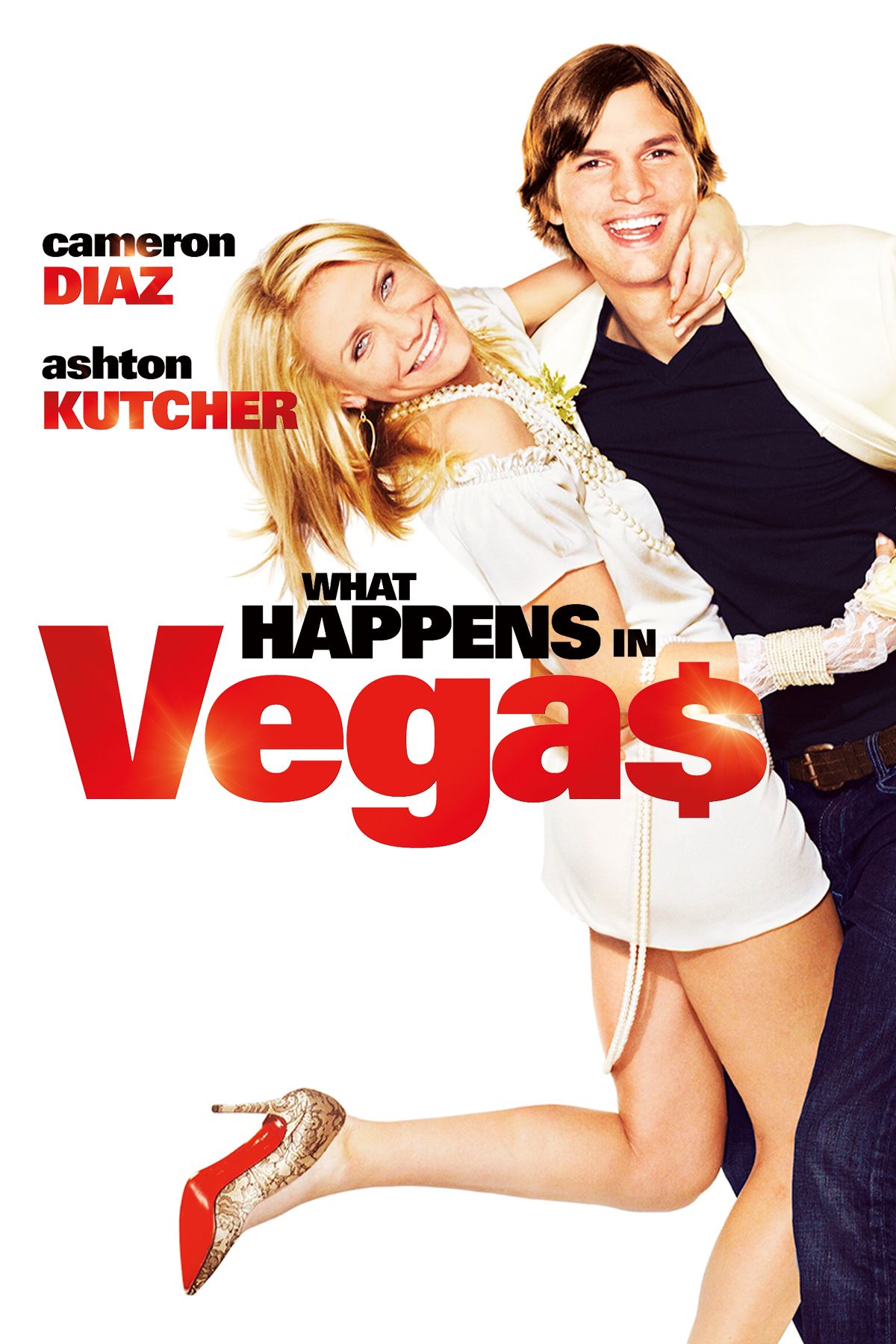
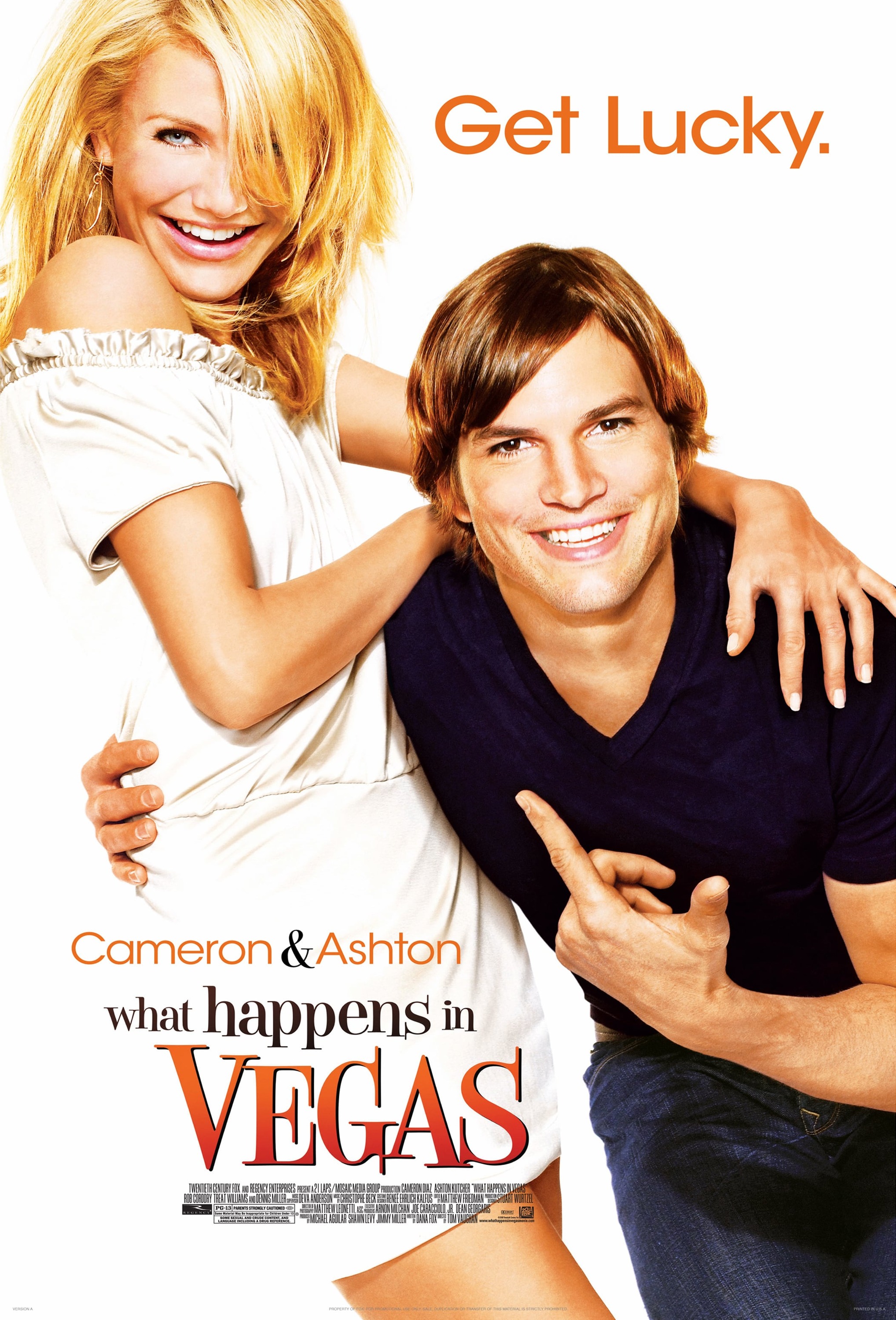
When audiences search for the “What Happens in Vegas” full movie, they are often looking for the 2008 romantic comedy starring Cameron Diaz and Ashton Kutcher. However, from a brand strategy perspective, the film represents something much larger than a Hollywood production. It is the ultimate case study in how a marketing slogan can transcend its original purpose to become a global cultural touchstone, a movie title, and a permanent fixture in the collective consciousness.
The phrase “What Happens in Vegas, Stays in Vegas” is more than just a catchy line; it is arguably one of the most successful branding campaigns in history. By analyzing how this brand identity was built, how it was reinforced by entertainment media, and how it continues to influence modern marketing, businesses can learn valuable lessons about the power of storytelling and emotional resonance.
The Origin Story of a Global Brand Identity
The success of the “What Happens in Vegas” brand did not happen by accident. It was the result of a calculated pivot by the Las Vegas Convention and Visitors Authority (LVCVA) and their advertising agency, R&R Partners, in the early 2000s. To understand the brilliance of this branding, one must look at the landscape that preceded it.
Shifting from “Family Friendly” to “Adult Freedom”
In the 1990s, Las Vegas attempted a brand pivot that nearly alienated its core demographic: the “Family-Friendly Vegas” era. Theme parks, pirate shows, and kid-focused attractions were built to compete with Orlando. However, the data showed that people didn’t come to Vegas to be parents; they came to escape the responsibilities of daily life.
The rebranding effort that birthed “What Happens Here, Stays Here” (the original slogan) was a return to the city’s roots, but with a sophisticated, modern twist. The brand identity shifted from “entertainment for everyone” to “permission to be someone else.” This transition is a masterclass in brand positioning—identifying the unique emotional benefit that only your brand can provide and doubling down on it.
The Psychology of “The Secret” in Marketing
The brilliance of the “What Happens in Vegas” brand lies in its use of exclusion and secrecy. Most brands try to tell you everything about their product. Vegas did the opposite; they marketed the absence of information. By suggesting that your experiences in the city were a “secret” held between you and the neon lights, the brand tapped into a fundamental human desire for liberation and privacy.
From a brand strategy standpoint, this created an “aspirational mystery.” The slogan didn’t sell hotel rooms or buffet tickets; it sold an emotional state. It promised a judgment-free zone where the consequences of the “real world” were temporarily suspended. This psychological hook is what allowed the brand to grow from a regional ad campaign into a global mantra.
How Entertainment Media Solidifies Brand Messaging
A brand truly achieves legendary status when it stops paying for advertising and starts being the subject of the art itself. The 2008 film What Happens in Vegas is the pinnacle of this evolution. While many viewers see it as a simple “full movie” for a Friday night, brand strategists see it as a 90-minute organic reinforcement of a corporate identity.
Product Placement vs. Cultural Integration
Traditional product placement involves a character holding a specific soft drink or driving a certain car. Cultural integration, however, is when the entire premise of a story is built around a brand’s core values. The movie What Happens in Vegas—revolving around a wild night, an accidental marriage, and a massive jackpot—perfectly mirrors the brand promise of the LVCVA.
The film didn’t need to be a commercial for specific casinos because it was a commercial for the idea of Las Vegas. When entertainment media adopts a brand’s slogan as its title, the brand has achieved “earned media” on a scale that money cannot buy. It validates the slogan’s relevance and embeds it further into the lexicon of pop culture.
The Movie as a Brand Experience
For the audience, the movie serves as a low-stakes way to experience the brand’s promise. The plot explores the “what if” scenarios that the slogan suggests. By the time the credits roll, the viewer has spent nearly two hours associating the Las Vegas brand with themes of excitement, spontaneity, and ultimate reward. This type of brand immersion is far more effective than a 30-second television spot because it engages the audience through character and emotion rather than a direct sales pitch.
Analyzing the ROI of Memetic Branding
In the digital age, we talk a lot about “viral marketing,” but “What Happens in Vegas” was viral before social media existed in its current form. It is the definition of “memetic branding”—a brand message that is so infectious that consumers repeat it to one another, effectively becoming unpaid brand ambassadors.
From Catchphrase to Cultural Phenomenon
The Return on Investment (ROI) of a slogan like “What Happens in Vegas” is difficult to quantify purely in dollars, but the brand equity it created is incalculable. It became a shorthand for any situation involving privacy or wild behavior. When a brand becomes a part of the language—similar to how people use “Google” as a verb or “Xerox” as a noun—it reaches a level of market dominance that is nearly impossible to disrupt.
The slogan appeared in Oscar speeches, was referenced by political figures, and eventually became the title of the aforementioned “full movie.” Each of these mentions reinforced the brand identity without the LVCVA spending a single additional cent on media buys. This is the goal of “top-of-mind awareness”: being the first thing a consumer thinks of when they think of a specific category (in this case, adult travel and nightlife).
Measuring the Long-Term Impact on Tourism
Despite economic downturns and global shifts in travel habits, the “What Happens in Vegas” brand has allowed the city to maintain a consistent identity. It provided a “North Star” for all marketing efforts. Whether they were promoting a new residency, a high-end restaurant, or a sports team, the underlying brand promise remained the same: “This is where you come to live your other life.”
For a brand to last over two decades without losing its edge is a rarity in the marketing world. It suggests that the brand was built on a “universal truth” rather than a trend. For Vegas, that truth was the human need for an occasional escape from the scrutiny of their social and professional circles.
Applying the “Vegas Strategy” to Modern Brand Building
Not every business has the budget of a major tourism board, but every business can apply the strategic principles behind the “What Happens in Vegas” phenomenon. Whether you are a tech startup, a personal brand, or a corporate entity, these lessons in identity and consistency are universal.
Creating a Niche Identity in a Crowded Market
The biggest lesson from the Vegas rebrand is the importance of knowing who you are not. By walking away from the “Family Friendly” image, Vegas was able to claim the “Adult Playground” niche with zero competition. Many brands fail because they try to be everything to everyone, which results in a diluted, forgettable message.
To build a powerful brand, you must identify your “Vegas”—the one thing you offer that no one else can. Once you find that unique value proposition, you must have the courage to exclude the audiences that don’t fit. A strong brand is a magnet; it should attract your ideal customer and repel those who are not a match for your values.
The Importance of Consistency Across All Channels
The “What Happens in Vegas” brand succeeded because it was consistent. From the airport signage to the television commercials to the “What Happens in Vegas” full movie, the message never wavered. In a world of fragmented media, consistency is the only way to build a coherent brand identity.
If your brand message changes every six months, your audience will never be able to form a lasting emotional connection with it. Long-term brand success requires the discipline to stick with a winning strategy even when it feels “old” to the internal team. Remember: by the time your team is tired of a slogan, your audience is likely just beginning to remember it.

Conclusion: The Legacy of a Slogan
The search for the “What Happens in Vegas” full movie is a testament to the enduring power of a well-executed brand strategy. What started as a desperate attempt to fix a branding identity crisis in the early 2000s evolved into a cultural landmark that spawned films, songs, and a permanent place in the English language.
The film itself serves as a reminder that the best brands don’t just sell products—they tell stories that people want to live. By understanding the psychology of your audience, leaning into a unique niche, and maintaining unwavering consistency, any brand can strive to achieve the level of “mental real estate” held by Las Vegas. In the world of marketing, the greatest jackpot isn’t a payout at a slot machine; it’s a brand identity that stays with the consumer long after they’ve left the building.
aViewFromTheCave is a participant in the Amazon Services LLC Associates Program, an affiliate advertising program designed to provide a means for sites to earn advertising fees by advertising and linking to Amazon.com. Amazon, the Amazon logo, AmazonSupply, and the AmazonSupply logo are trademarks of Amazon.com, Inc. or its affiliates. As an Amazon Associate we earn affiliate commissions from qualifying purchases.