
When the first Frozen film debuted in 2013, it was more than just a box office success; it was a cultural seismic shift. For brand managers and corporate strategists, the question surrounding the sequel was not merely about plot points or character arcs, but about the sustainable scaling of a global intellectual property (IP). Frozen 2 represents a masterclass in brand evolution—a calculated effort to transition a “viral moment” into a multi-generational legacy.
In the world of brand strategy, what happens in Frozen 2 is the intentional maturation of a corporate identity. This article analyzes how Disney utilized this sequel to deepen consumer loyalty, expand its market share, and fortify the “Disney Flywheel” through strategic storytelling and sophisticated brand management.

From Standalone Success to a Multi-Generational IP Strategy
The primary challenge of any successful brand is the “sophomore slump.” When an initial product captures the zeitgeist as effectively as Frozen did, the sequel carries the heavy burden of high expectations. From a branding perspective, Frozen 2 had to solve a complex equation: how to remain recognizable to its core audience while evolving enough to avoid stagnation.
The Challenge of the Sophomore Slump in Branding
In brand strategy, sequels are often viewed as risk-mitigation exercises. However, Disney took an “expansionist” approach. Instead of merely replicating the formula of the first film, the brand strategy for Frozen 2 focused on “world-building.” By expanding the lore and the geography of the franchise, the brand created more “real estate” for consumer engagement. This is a common tactic in brand management—when a product reaches its saturation point, the parent company must introduce new sub-brands or line extensions to maintain growth.
Evolving the Archetype: Maturing with the Audience
One of the most insightful aspects of the Frozen 2 brand strategy was its timing. The sequel was released six years after the original. During that time, the primary demographic—young children—had entered adolescence. A brand that remains static risks being “outgrown.”
To counter this, the brand identity of Frozen 2 shifted toward a more sophisticated, darker, and more complex tone. The themes moved from “acceptance” (Let It Go) to “self-actualization” and “legacy” (Show Yourself). By allowing the brand to mature alongside its audience, Disney ensured brand retention, preventing the “aging out” process that often plagues youth-oriented products.
The Disney Flywheel: Synergistic Branding in Action
In corporate strategy, the “Disney Flywheel” is a virtuous cycle where each segment of the business reinforces the others. Frozen 2 was not treated as a standalone cinematic event but as the central hub of a vast ecosystem. What happens in the film is designed specifically to trigger activities in other business units.
Merchandise as a Brand Touchpoint
For most brands, the product is the end goal. For the Frozen franchise, the film serves as a high-budget commercial for a lifestyle brand. Every character design change—from Elsa’s new travel outfit to the introduction of the fire spirit, Bruni—was a strategic decision to refresh the consumer products line.
From a marketing standpoint, this is known as “freshening the SKU” (Stock Keeping Unit). By providing the characters with new aesthetics, Disney invalidated the “old” merchandise, creating a fresh demand for the “new” look. This cycle is essential for maintaining a dominant presence in the retail sector, ensuring that the brand remains top-of-mind for consumers during holiday seasons.
Theme Parks and Digital Presence: Extending the Lifecycle
A brand’s strength is measured by its “stickiness”—how long a consumer stays within its ecosystem. Frozen 2 was meticulously integrated into Disney’s physical locations and digital platforms. The introduction of the “Enchanted Forest” and “Ahtohallan” provided the thematic blueprint for new attractions in theme parks globally.
Furthermore, the brand utilized Disney+ as a platform for behind-the-scenes content, such as Into the Unknown: Making Frozen 2. This content marketing strategy serves to humanize the brand, creating an emotional bond between the consumer and the creators. It transforms a corporate product into a “prestige” brand, heightening the perceived value of the IP.

Emotional Connectivity: The Core of Modern Brand Loyalty
Modern brand strategy has shifted from functional benefits to emotional resonance. Consumers no longer buy what you do; they buy why you do it. Frozen 2 deepened the “why” of its brand by tackling complex social and personal narratives.
Narratives that Build Community
The brand narrative of Frozen 2 moved away from the traditional “happily ever after” to a more nuanced exploration of identity and responsibility. This shift allowed the brand to foster a sense of community. Fans didn’t just watch a movie; they engaged in discussions about the characters’ psychological growth.
From a strategic lens, this is “community-centric branding.” By creating a story that requires interpretation and emotional investment, the brand encourages user-generated content, fan theories, and social media engagement. This organic buzz is more valuable than any paid advertising campaign because it builds “brand equity” through peer-to-peer validation.
Inclusivity and Modern Values in Corporate Storytelling
A critical component of the Frozen 2 brand strategy was the integration of modern corporate social responsibility (CSR) values. The plotline involving the Northuldra people and the atonement for past colonialist actions reflected a shift in Disney’s corporate identity toward social awareness.
In the current market, brand reputation is closely tied to social values. By weaving themes of environmentalism, indigenous respect, and historical accountability into the narrative, Disney positioned the Frozen brand as socially conscious. This aligns the brand with the values of Millennial and Gen Z parents, who are increasingly selective about the ethics of the companies they support.
Brand Sustainability: Lessons for the Modern Marketer
The ultimate goal of any brand strategy is sustainability—creating a product that can endure for decades. Frozen 2 provides several key takeaways for marketers and business leaders looking to build an enduring corporate identity.
Consistency vs. Innovation
The most successful brands find the “sweet spot” between the familiar and the new. Frozen 2 maintained the core brand pillars—the bond between sisters, the power of nature, and high-quality musical numbers—while innovating on the visual style and narrative depth.
For a business, this teaches the importance of “brand guardrails.” You must know what your brand stands for (its core DNA) while being brave enough to iterate on the delivery. If the sequel had been exactly like the first, it would have been a “safe” brand choice that ultimately led to diminishing returns. By taking a creative risk, they ensured the brand’s longevity.
Data-Driven Expansion and Risk Management
While the creative output of Frozen 2 appears artistic, the strategy behind it is deeply data-driven. Disney utilizes massive amounts of consumer data to understand which characters resonate most, which songs have the highest replay value, and which themes are currently trending in the cultural zeitgeist.
This approach to “informed creativity” allows a brand to take risks that are mathematically sound. The introduction of the “Elemental Spirits” was not just a plot device; it was a way to diversify the brand’s palette, appealing to a broader range of interests (including more “action-oriented” segments of the market). This is a lesson in market segmentation: using a primary product to appeal to secondary and tertiary demographics.
Conclusion: The Legacy of a Strategic Sequel
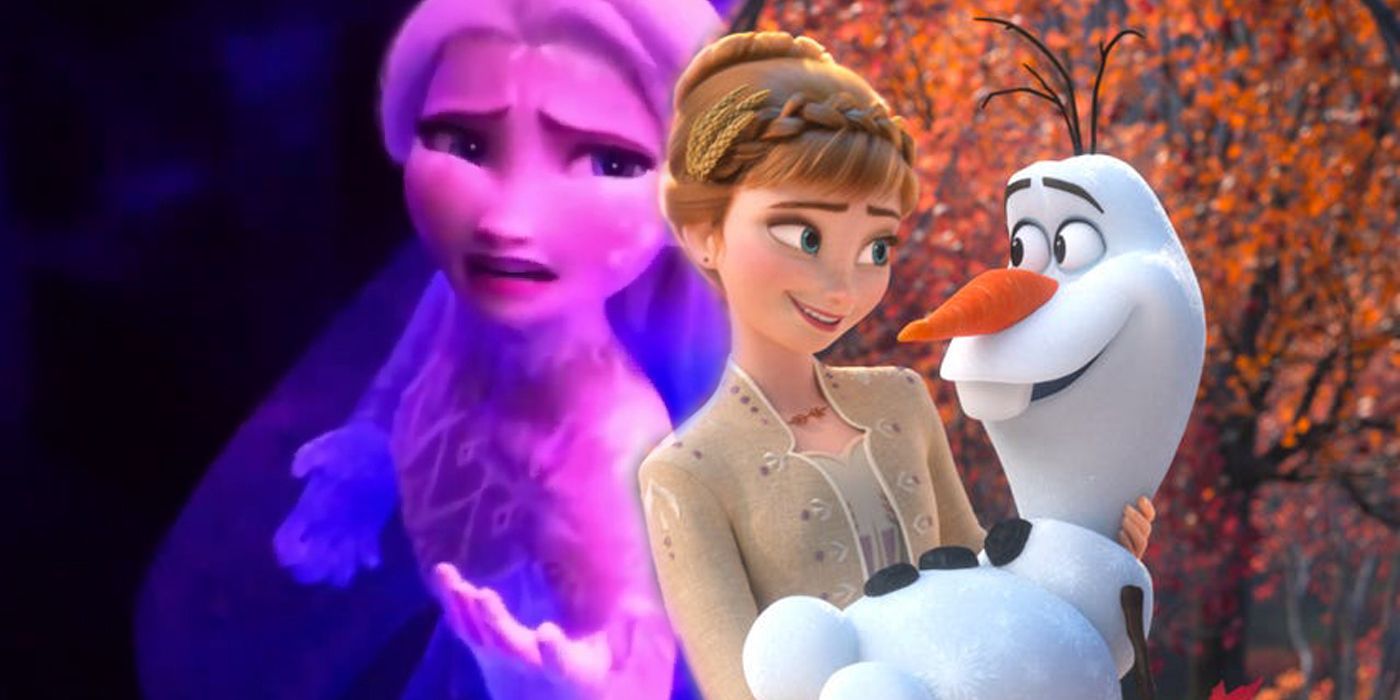
What happens in Frozen 2 is far more than a story about two sisters uncovering the secrets of their past. It is the execution of a multi-billion-dollar brand strategy designed to secure Disney’s dominance in the global entertainment market for the next decade.
By prioritizing emotional maturity, leveraging the “Disney Flywheel,” and aligning with contemporary values, the Frozen franchise transitioned from a hit movie into a permanent cultural institution. For brand strategists, the lesson is clear: a brand’s power lies not just in its initial impact, but in its ability to grow, adapt, and remain relevant in an ever-changing marketplace. Frozen 2 proved that with the right strategy, a brand doesn’t just survive the passage of time—it thrives because of it.
aViewFromTheCave is a participant in the Amazon Services LLC Associates Program, an affiliate advertising program designed to provide a means for sites to earn advertising fees by advertising and linking to Amazon.com. Amazon, the Amazon logo, AmazonSupply, and the AmazonSupply logo are trademarks of Amazon.com, Inc. or its affiliates. As an Amazon Associate we earn affiliate commissions from qualifying purchases.