
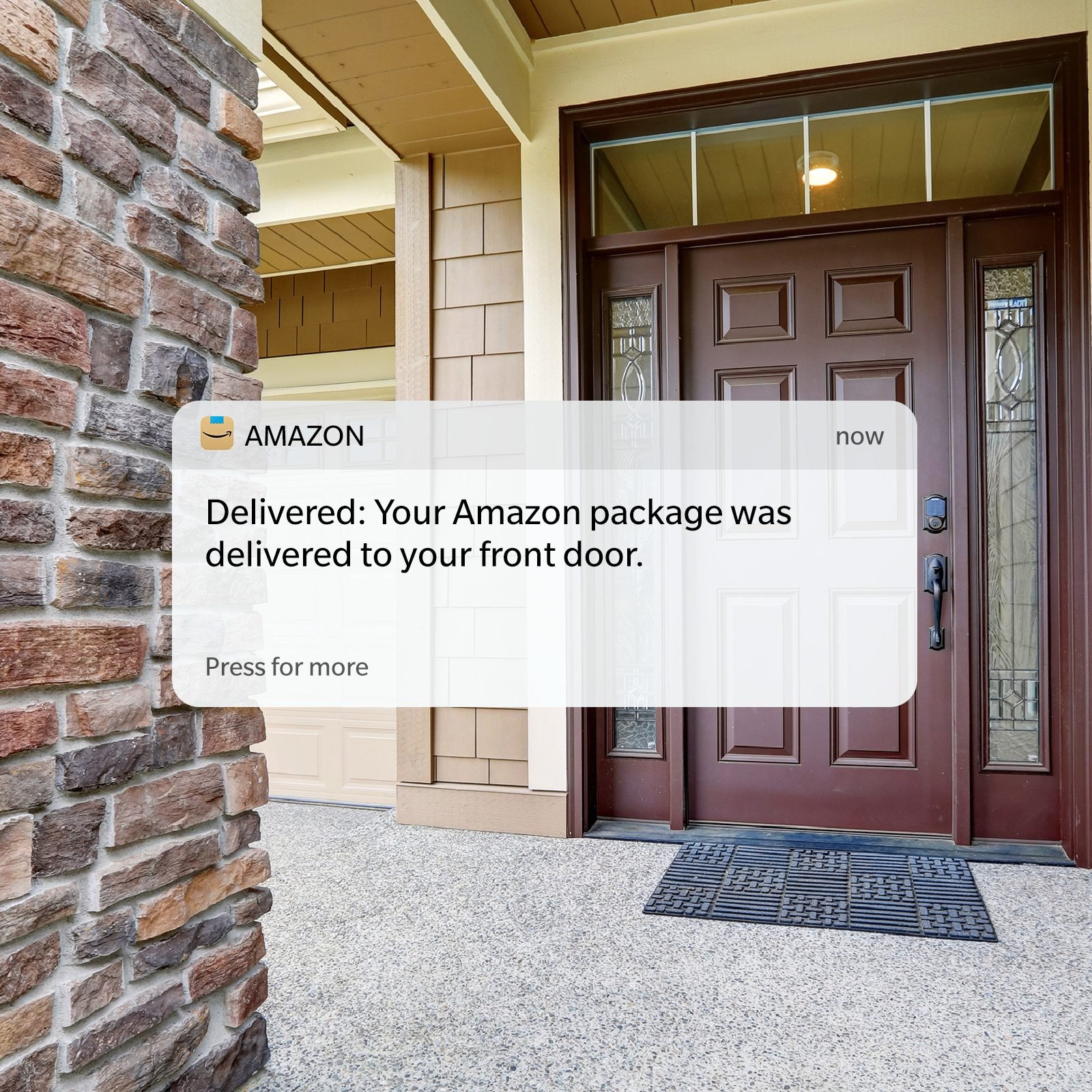
The rise of e-commerce has revolutionized personal finance and consumer behavior, shifting the traditional marketplace from brick-and-mortar stores to digital storefronts. However, this convenience has birthed a multi-billion dollar problem: porch piracy. For the modern consumer, a stolen Amazon package is not just a logistical inconvenience; it is a direct hit to their personal balance sheet. When an item is marked “delivered” but is nowhere to be found, a complex financial mechanism begins. Understanding how to navigate the recovery of these assets, leverage institutional protections, and mitigate future financial risk is essential for maintaining a healthy personal finance ecosystem.

The Economic Reality of Porch Piracy: Evaluating the Hidden Costs
While a single stolen package might seem like a minor loss, the aggregate financial impact of package theft is staggering. Estimates suggest that billions of dollars in merchandise are stolen from porches annually in the United States alone. For the individual, the “Porch Pirate Tax” extends beyond the replacement cost of the item.
The True Cost of Asset Loss
When a package is stolen, the consumer loses the initial capital spent, the time-value of the labor used to earn that money, and the opportunity cost of the item’s intended use. If the stolen item was a tool for a side hustle or a critical piece of hardware for a home office, the financial ripple effect can include lost income or decreased productivity. Furthermore, the time spent filing reports and navigating customer service channels is a non-refundable expenditure of human capital.
Inflation and Replacement Dynamics
In a volatile economy, the cost of replacing a stolen item may be higher than the original purchase price. If an item was bought during a “Lightning Deal” or with a specific discount code that has since expired, the consumer often faces a deficit when attempting to buy the item again. This “replacement gap” represents a direct drain on one’s discretionary spending budget, making it vital to understand the financial avenues for total reimbursement.
Step-by-Step Financial Recovery: Leveraging Amazon’s Policies and Institutional Protections
The primary concern when a package goes missing is the immediate recovery of funds. Amazon has built its trillion-dollar brand on a foundation of customer-centricity, which includes robust financial protections for buyers. However, the burden of proof and the initiation of the claim process rest squarely on the consumer.
Maximizing the Amazon A-to-z Guarantee
Amazon’s A-to-z Guarantee is a cornerstone of its financial safety net. It is designed to protect consumers when purchasing from third-party sellers on the platform. If a package is stolen, the guarantee covers both the timely delivery and the condition of the items. To protect your financial interest, you must wait 36 hours after the “delivered” status appears before filing a claim. This waiting period is a strategic buffer for Amazon’s logistics, but for the consumer, it is the first step in the audit trail required to trigger a refund or a free replacement.
The Role of Credit Card Purchase Protection
One of the most underutilized tools in personal finance is credit card purchase protection. Many premium credit cards—specifically those geared toward “online shopping” or “cash back”—offer insurance against theft for a specific window (usually 90 to 120 days) after purchase. If Amazon’s internal claims process fails, filing a claim with your credit card issuer can be a viable path to financial recovery. This effectively acts as a secondary insurance policy that is already included in your card’s annual fee, ensuring that your net worth isn’t negatively impacted by criminal activity.
Navigating Homeowners and Renters Insurance
For high-value thefts—such as high-end electronics, jewelry, or designer goods—the loss may exceed the limits of Amazon’s standard refund policy. In these instances, homeowners or renters insurance may cover the loss. However, from a business finance perspective, this is often a last resort. One must weigh the cost of the stolen item against the policy deductible and the potential for increased premiums. Typically, unless the loss exceeds $1,000, filing an insurance claim is financially counterproductive in the long term.

The Business of Security: Cost-Benefit Analysis of Loss Prevention
In the world of personal finance, spending money to save money is a common theme. Protecting your deliveries requires an upfront investment in security infrastructure. The key is to treat these expenditures as a capital investment in your home’s “logistics security,” calculating the Return on Investment (ROI) based on your shopping frequency and the average value of your orders.
Investing in Secure Delivery Hardware
The market for delivery security has expanded rapidly. Package lockboxes, smart lockers, and reinforced parcel bins represent a fixed cost that can prevent recurring losses. If you receive three packages a month with an average value of $50, and you lose two packages a year, a $200 lockbox pays for itself within two years. This is a simple but effective example of how defensive spending can stabilize your long-term monthly budget.
The Financial Utility of Amazon Key and Hub Lockers
For those unwilling to invest in private hardware, utilizing Amazon’s own infrastructure is a cost-effective alternative. Amazon Hub Lockers and Amazon Key (in-garage delivery) are essentially free or low-cost services that shift the risk of loss. By opting for a locker, you are choosing a “zero-risk” delivery method. In terms of financial risk management, this eliminates the possibility of theft and the subsequent “frozen capital” that occurs while waiting for a refund to process.
Digital Surveillance as a Financial Deterrent
While high-definition cameras and smart doorbells are often categorized as gadgets, their primary function in this context is as a financial tool. Clear footage of a theft provides the necessary evidence to expedite police reports and insurance claims. In the eyes of a financial institution or a claims adjuster, video evidence turns a “he-said, she-said” scenario into a verified financial loss, significantly increasing the probability of a successful recovery of funds.
Strategic Financial Planning for the E-Commerce Era
As online shopping continues to dominate the consumer landscape, package security must be integrated into your broader financial planning. Just as you would diversify an investment portfolio to mitigate risk, you must diversify your delivery and payment methods to protect your liquid assets.
Budgeting for the “Risk Margin”
Savvy financial planners include a “miscellaneous loss” line item in their annual budget. This covers everything from broken phone screens to stolen packages. By acknowledging that a small percentage of online transactions may go awry, you prevent a stolen package from becoming a financial emergency. This psychological and financial buffer ensures that your “Side Hustle” earnings or “Emergency Fund” remain untouched when a porch pirate strikes.
Utilizing Dispute Resolution as a Financial Skill
The ability to effectively communicate with customer service and navigate the bureaucracy of refunds is a vital financial skill. When a package is stolen, you are essentially engaging in a dispute resolution process. Keeping meticulous records—including order numbers, tracking screenshots, and communication logs—is akin to maintaining a business ledger. This documentation is your greatest asset when advocating for your money to be returned.
Future-Proofing Your Deliveries
Looking ahead, the intersection of finance and logistics will likely involve more sophisticated “proof of delivery” requirements, such as cryptographic signatures or biometric verification upon arrival. Staying informed about these trends allows you to adopt the most secure financial practices early, minimizing your exposure to the evolving tactics of thieves.
In conclusion, while the theft of an Amazon package is a frustrating breach of privacy, it should be approached as a cold, hard financial transaction. By understanding the reimbursement policies available through Amazon, leveraging the hidden insurance in your credit cards, and making calculated investments in security hardware, you can effectively neutralize the financial threat of porch piracy. Protecting your packages is not just about the items inside; it is about protecting the integrity of your personal economy.
aViewFromTheCave is a participant in the Amazon Services LLC Associates Program, an affiliate advertising program designed to provide a means for sites to earn advertising fees by advertising and linking to Amazon.com. Amazon, the Amazon logo, AmazonSupply, and the AmazonSupply logo are trademarks of Amazon.com, Inc. or its affiliates. As an Amazon Associate we earn affiliate commissions from qualifying purchases.