
In the annals of marketing history, few events have reshaped the understanding of organic reach quite like the “Mentos and Coke” phenomenon. What began as a simple physics demonstration—a geyser of soda erupting from a bottle—morphed into a global cultural touchstone. For brand strategists and corporate identity experts, this wasn’t just a science experiment; it was a watershed moment that defined the power of User-Generated Content (UGC) and the volatility of brand association. When you “eat Mentos and drink Coke” (or more accurately, combine them in a viral video), you aren’t just creating a chemical reaction; you are witnessing the nucleation of modern digital branding.

The Anatomy of a Viral Phenomenon
To understand the branding implications of the Mentos and Coke reaction, one must first look at how the phenomenon transitioned from a classroom curiosity to a digital juggernaut. This transition represents the shift from controlled corporate messaging to the democratic, often chaotic, world of consumer-led storytelling.
From Science Experiment to Pop Culture Icon
Long before YouTube existed, science teachers used Mentos and Diet Coke to demonstrate “nucleation.” However, the brand identities of Mentos (owned by Perfetti Van Melle) and Coca-Cola were largely insulated from this niche activity. The paradigm shifted in the mid-2000s when EepyBird, a duo of performance artists, released an elaborately choreographed video involving hundreds of bottles of soda and thousands of mints.
This was a pivotal moment in brand strategy. For the first time, two distinct corporate identities were fused in the public consciousness through an external party. The “product” was no longer just a refreshment or a candy; it was a catalyst for entertainment. For brand managers, this highlighted a fundamental truth: in the digital age, your brand is not what you say it is, but what the consumer does with it.
The Power of Visual Storytelling in Digital Branding
The Mentos and Coke geyser provided something every brand craves: high-impact visual identity. The stark contrast between the classic red and white of the Coca-Cola bottle and the blue and white of the Mentos packaging created an instantly recognizable visual shorthand. This visual storytelling allowed the brands to transcend language barriers.
In branding, “stickiness” refers to how well an idea stays in the consumer’s mind. The explosive nature of the reaction served as a perfect metaphor for high-energy, disruptive marketing. It proved that a brand’s visual assets could be repurposed by the public to create content that was more engaging than a multi-million dollar Super Bowl ad.
Brand Reaction: How Mentos and Coca-Cola Handled the Spotlight
When a brand goes viral for an unintended reason, the corporate response determines whether the event becomes a liability or a windfall. The contrast between how Mentos and Coca-Cola initially reacted to the craze provides a dual-sided case study in corporate identity management.
Mentos: Embracing the “Experimenter” Identity
Mentos’ reaction was a textbook example of agile brand strategy. Rather than distancing themselves from the potentially messy and “non-intended” use of their product, they leaned into it. The company recognized that the viral videos provided tens of millions of dollars in free advertising.
By supporting creators and even sponsoring events that featured the “geyser,” Mentos successfully pivoted its brand persona. They moved from being just another breath mint to being a brand associated with creativity, fun, and scientific curiosity. This move strengthened their personal branding with younger demographics, positioning Mentos as a “cool” and “experimental” brand that wasn’t afraid to get its hands dirty.
Coca-Cola: The Risk of Over-Protective Brand Management
Coca-Cola’s initial response was markedly different. As a legacy brand with a tightly controlled corporate identity, the company was initially hesitant to be associated with a “messy” stunt. An early spokesperson famously remarked that they would rather people drink the soda than experiment with it.

This initial resistance highlights a common pitfall in brand strategy: the desire to control the narrative at the expense of authentic engagement. In the eyes of the digital public, Coke’s hesitation appeared “stuffy” compared to Mentos’ enthusiasm. However, Coca-Cola eventually corrected course, recognizing that the “Coke and Mentos” duo was an inseparable brand pairing in the minds of consumers. They eventually embraced the phenomenon, but the delay served as a lesson for brands worldwide: when a viral wave hits, you can either surf it or be submerged by it.
Leveraging User-Generated Content (UGC) for Long-Term Growth
The Mentos and Coke saga was a precursor to the modern influencer marketing landscape. It demonstrated that UGC is often more influential than traditional advertising because it carries the weight of authenticity. For a brand to thrive today, it must learn to facilitate, rather than just dictate, the consumer experience.
Turning Consumers into Brand Advocates
The most successful brands today are those that provide “modular” identities—products that consumers can take and make their own. By allowing (and encouraging) the public to “eat Mentos and drink Coke” in creative ways, the brands turned every teenager with a camera into a marketing department.
This strategy shifts the cost of content creation from the brand to the consumer, while simultaneously increasing the credibility of the message. When a brand advocate creates a video, they are putting their personal brand on the line to endorse the product. This creates a “trust loop” that traditional commercials cannot replicate. The “Mentos and Coke” effect proved that if you give people a tool for self-expression, they will promote your brand as a byproduct of their own creativity.
The Ethics of Engagement in Viral Marketing
A significant aspect of brand strategy involves navigating the risks associated with viral trends. When the “Mentos and Coke” trend took off, concerns about safety and waste emerged. A brand that ignores these concerns risks damaging its corporate social responsibility (CSR) profile.
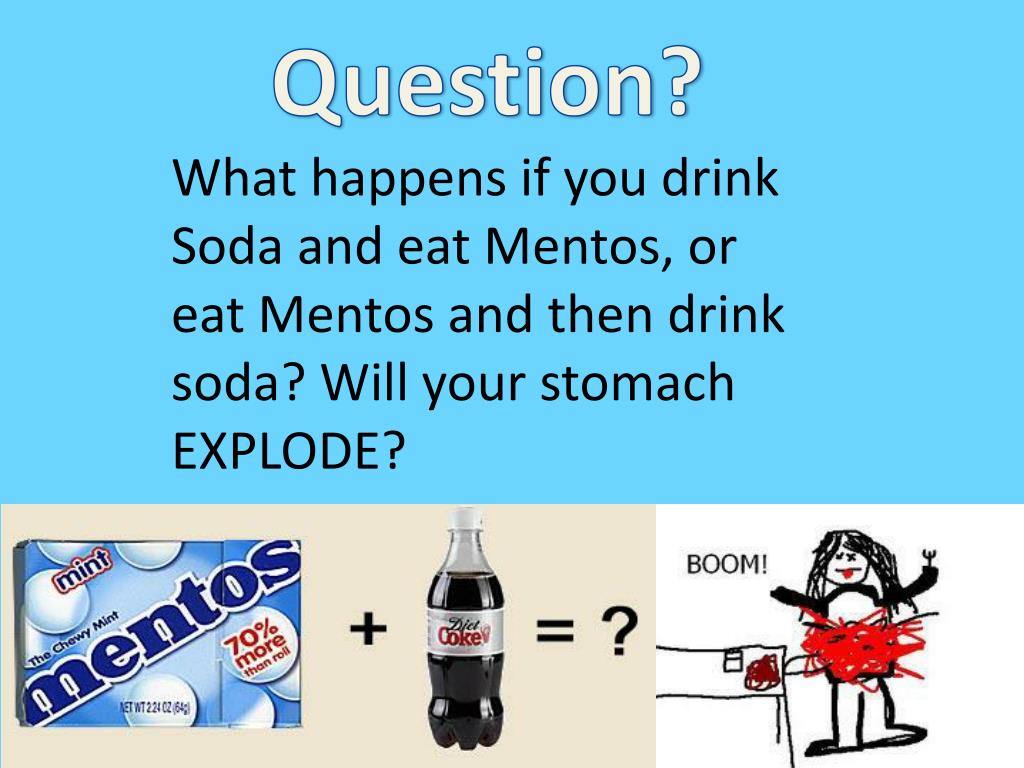
Strategic brand management requires a balance. Both companies had to ensure they weren’t encouraging dangerous behavior (like the “drinking” of the mixture in a way that could cause physical discomfort) while still supporting the creative spirit of the community. This taught marketers that viral branding isn’t just about views; it’s about managing the “after-effects” and ensuring the brand’s long-term reputation remains intact.
Strategic Takeaways for Modern Marketers
What happens when you combine two explosive elements? In chemistry, you get a geyser. In branding, you get a cultural phenomenon. As we look at the digital landscape today—from TikTok challenges to Instagram trends—the lessons from the Mentos and Coke era remain more relevant than ever.
Authenticity Over Production Value
One of the most profound lessons for brand strategy is that high production value is no longer a prerequisite for brand success. The original Mentos and Coke videos were often grainy and unedited, yet they garnered more views than professional commercials.
For modern brands, this means prioritizing “relatability.” Consumers are increasingly cynical toward overly polished corporate messaging. They want to see what happens in the “real world” when products are put to the test. A brand that allows itself to be seen in unscripted, raw moments builds a level of rapport and “brand intimacy” that is invaluable in a crowded marketplace.
Navigating Unplanned Brand Associations
In the age of social media, your brand will inevitably be paired with others in ways you didn’t intend. Whether it’s a “hack,” a “challenge,” or a meme, these associations are the new frontier of marketing.
The Mentos and Coke case study suggests that brands should actively monitor these associations and look for opportunities to collaborate. If your brand is being linked to another product, analyze the sentiment. Is it positive? Is it fun? Is it consistent with your core values? If the answer is yes, the most effective strategy is often to join the conversation rather than trying to shut it down.
In conclusion, the story of what happens when you combine Mentos and Coke is far more than a tale of carbon dioxide and surface tension. It is a narrative about the evolution of brand control in the 21st century. It teaches us that the most powerful brands are those that are brave enough to let go of the reins and allow their customers to drive the story. By embracing the chaos of the “geyser,” Mentos and Coca-Cola didn’t just survive a viral trend; they helped draft the blueprint for the future of interactive, consumer-centric branding.
aViewFromTheCave is a participant in the Amazon Services LLC Associates Program, an affiliate advertising program designed to provide a means for sites to earn advertising fees by advertising and linking to Amazon.com. Amazon, the Amazon logo, AmazonSupply, and the AmazonSupply logo are trademarks of Amazon.com, Inc. or its affiliates. As an Amazon Associate we earn affiliate commissions from qualifying purchases.