
In the early 2000s, the global cinematic landscape witnessed a seismic shift in the martial arts genre. A young performer from Thailand, Tony Jaa, exploded onto the scene with Ong-Bak: The Thai Warrior. His arrival was more than just a successful film launch; it was the birth of a powerhouse personal brand that promised to fill the void left by legends like Bruce Lee and Jackie Chan. However, the trajectory of Tony Jaa’s career offers a fascinating case study in personal branding, international market positioning, and the complexities of managing a “human asset” in the global entertainment industry.
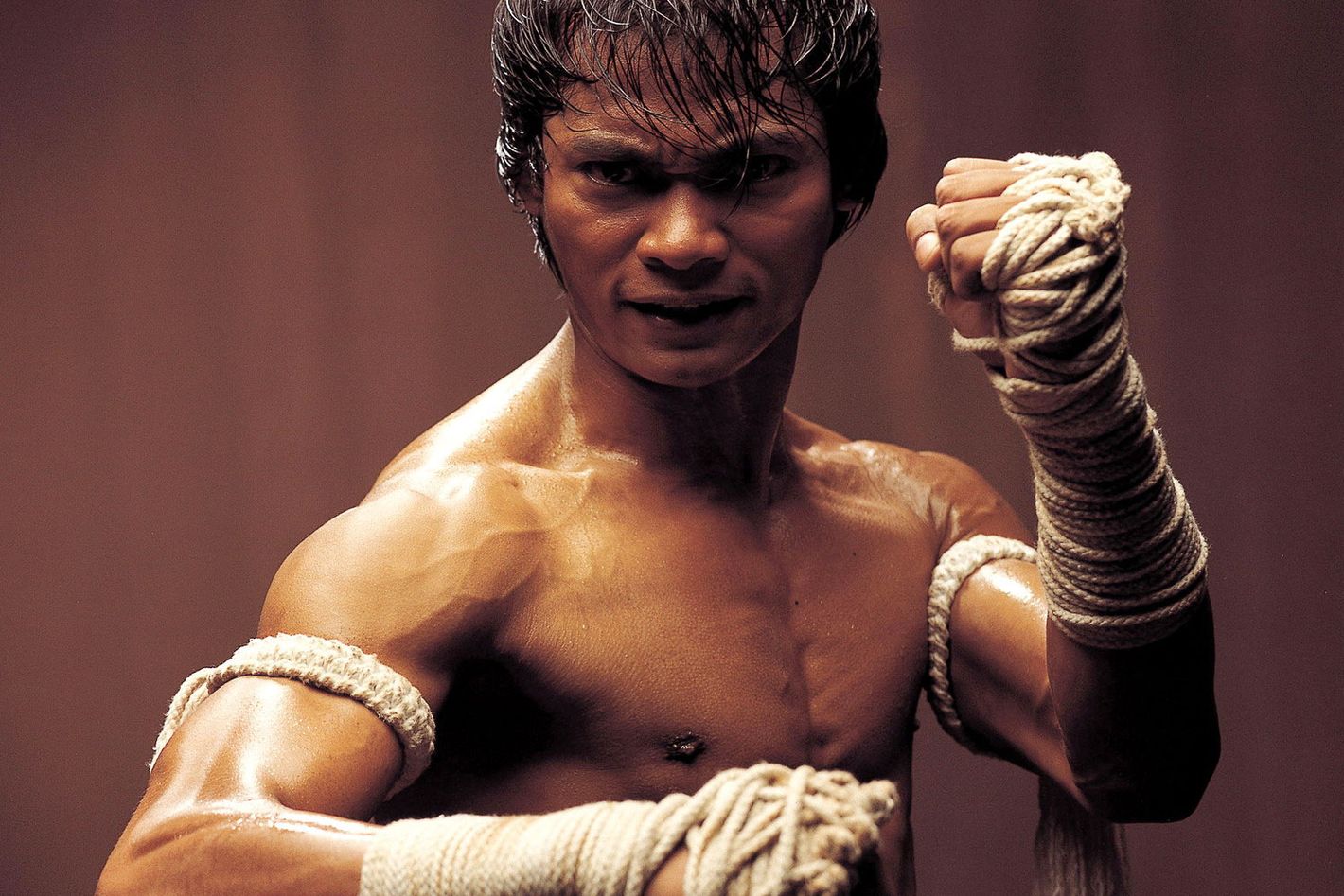
When we ask “what happened to Tony Jaa,” we are not merely looking for a timeline of his filmography. We are examining the lifecycle of a brand that underwent a meteoric rise, a public identity crisis, and a strategic global pivot.
The Rise of a Global Icon: Building the “Real Deal” Brand
The initial success of Tony Jaa was rooted in a very specific and potent brand identity. In marketing terms, Jaa possessed a Unique Selling Proposition (USP) that was impossible to ignore: “No Wires, No CGI, No Stunt Doubles.” At a time when Hollywood was increasingly reliant on digital effects (the post-Matrix era), Jaa represented a return to authenticity.
Authenticity as a Core Value Proposition
The Tony Jaa brand was built on the foundation of Muai Boran and extreme athleticism. His team at Sahamongkol Film International understood that for a Thai actor to break into the Western market, the brand needed to be visceral and undeniable. By showcasing stunts that looked—and were—dangerous, Jaa established a brand equity based on physical truth. This “authentic” positioning allowed him to transcend language barriers. You didn’t need to speak Thai to understand the impact of a knee-strike delivered with zero cinematic trickery.
Transcending Cultural Barriers through Physical Performance
In brand strategy, “scaling” often requires simplifying the message. Tony Jaa’s brand was scaled globally by focusing on the universal language of action. By 2005, following the release of Tom-Yum-Goong (The Protector), Jaa was no longer just a Thai star; he was a global commodity. His brand was synonymous with “The Next Big Thing.” However, as many brands find during rapid expansion, the internal infrastructure often struggles to keep pace with the external demand.
The Crisis Phase: Mismanagement and Brand Dilution
Every major brand faces a “reputation crisis” at some point. For Tony Jaa, this occurred during the production of Ong-Bak 2. The narrative surrounding Jaa shifted from “unstoppable martial artist” to “troubled creator.” From a brand management perspective, this period was a masterclass in how a lack of clear communication and internal disputes can damage a public identity.
The Disappearance and Contractual Disputes
During the filming of Ong-Bak 2, reports surfaced that Jaa had disappeared into the jungle to meditate, leaving a massive production in limbo. In the world of personal branding, consistency is king. When the “product” (the actor) becomes unreliable, the brand value plummets. The subsequent public disputes with his production house, Sahamongkol Film, highlighted a classic corporate identity struggle: who owns the brand? Was “Tony Jaa” a creative force or a corporate asset? The resulting legal battles and his brief hiatus to become a monk were seen by the public as a “disappearance,” but in reality, they were the symptoms of a brand undergoing a painful restructuring.
Losing Control of the Narrative
The “what happened” phase of his career was characterized by a lack of digital presence and professional PR management during the late 2000s. In the absence of an official narrative, rumors filled the void. This is a critical lesson for any personal brand: if you do not tell your own story, the market will tell one for you. By the time Jaa returned to the screen, the martial arts landscape had changed, and his once-unrivaled USP was being challenged by new entrants and changing audience tastes.
Pivoting to the Global Market: Rebranding for Hollywood
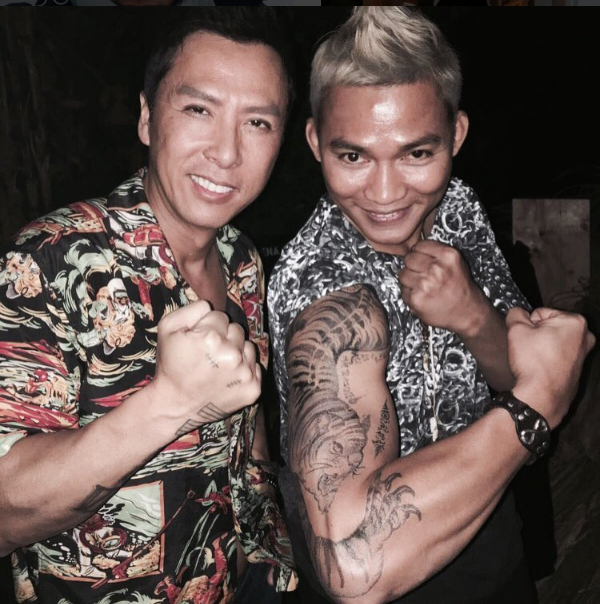
The “disappearance” of Tony Jaa ended not with a whimper, but with a strategic pivot. Realizing that the Thai film industry might be too small for his global ambitions—or perhaps too restrictive—Jaa began the process of “Brand Re-entry” by moving into the Hollywood ecosystem.
From Solo Lead to Ensemble Powerhouse
One of the most effective ways to revitalize a stagnant brand is through “Co-Branding.” Jaa’s move to join established franchises like Fast & Furious 7 and XXX: Return of Xander Cage was a brilliant tactical shift. Instead of carrying the entire weight of a film’s marketing on his shoulders, he lent his brand equity to established “megabrands.” This allowed him to reach a broader, more mainstream audience while mitigating the financial risk associated with solo projects.
Strategic Partnerships and Franchise Integration
In Hollywood, Jaa repositioned himself from the “solitary warrior” to a “versatile specialist.” By working alongside stars like Vin Diesel, Jason Statham, and Milla Jovovich (Monster Hunter), he successfully integrated himself into the “Global Action Star” category. This transition required a shift in brand messaging—moving away from “no wires” to “international action collaborator.” This allowed his brand to age more gracefully and survive in an industry that was increasingly focused on ensemble casts and intellectual property (IP) rather than individual star power.
Lessons in Personal Branding for the Modern Creator
The trajectory of Tony Jaa’s career provides several high-level insights into the world of brand strategy and personal identity management. His journey from a rural Thai village to the heights of Hollywood is a testament to the power of a strong initial identity, but his struggles remind us that even the strongest brands require constant maintenance.
Diversification of Talent Assets
A brand that relies on a single, physically demanding trait is inherently at risk. Jaa’s early brand was 100% physical. As he aged, he had to diversify his “brand assets.” This involved improving his English, developing his acting range, and even exploring choreography and directing. For any personal brand, diversification is the hedge against obsolescence. You cannot do the same “stunt” forever; you must eventually provide value through wisdom, experience, or leadership.
The Importance of Longevity over Viral Success
In the digital age, it is easy to achieve a “viral” moment, much like Jaa’s initial explosion with Ong-Bak. However, longevity is the true measure of brand success. What happened to Tony Jaa wasn’t a disappearance; it was an evolution. He moved from being a regional sensation to a sustainable global professional. He survived contract disputes, cultural shifts, and the physical toll of his craft to remain a relevant name in a competitive industry.
Managing the “Global vs. Local” Paradox
Tony Jaa’s brand also highlights the difficulty of managing a “Glocal” identity. He had to remain a hero in Thailand while appearing as a sophisticated global actor in the West. Balancing these two identities—maintaining his roots while appealing to a global demographic—is a challenge faced by many international brands today. Jaa’s eventual success in this area proves that while your origin story provides your “Brand Soul,” your ability to adapt determines your “Brand Reach.”

Conclusion: The Resilient Brand
So, what happened to Tony Jaa? He didn’t fade away; he matured. He transitioned from a niche martial arts phenomenon to a pillar of the international action community. From a branding perspective, his story is one of resilience. He navigated the “Trough of Disillusionment” that follows a massive peak in fame and managed to plateau into a stable, respected international career.
Today, the Tony Jaa brand stands as a bridge between Eastern martial arts tradition and Western blockbuster entertainment. His journey serves as a reminder to entrepreneurs, creators, and brand managers alike: your initial “wow factor” gets you into the room, but your ability to manage your narrative, pivot during crises, and strategically partner with others is what keeps you in the game for the long haul. Tony Jaa is no longer just the man from Ong-Bak; he is a global martial arts brand that has successfully navigated the complexities of the 21st-century media landscape.
aViewFromTheCave is a participant in the Amazon Services LLC Associates Program, an affiliate advertising program designed to provide a means for sites to earn advertising fees by advertising and linking to Amazon.com. Amazon, the Amazon logo, AmazonSupply, and the AmazonSupply logo are trademarks of Amazon.com, Inc. or its affiliates. As an Amazon Associate we earn affiliate commissions from qualifying purchases.