
In the landscape of global music, few names command as much immediate brand recognition as Boyz II Men. Emerging from Philadelphia in the early 1990s, the group didn’t just produce hits; they established a blueprint for the modern vocal group. However, for many casual observers and brand analysts alike, a persistent question remains: what happened to the fourth member, and how did his departure reshape the brand’s trajectory?
The story of Michael McCary, the group’s original bass singer, is more than a footnote in music history; it is a profound case study in brand management, organizational resilience, and the complexities of maintaining a collective identity when a core component is removed. For Boyz II Men, the transition from a quartet to a trio was not merely a change in personnel—it was a strategic pivot that required a complete re-engineering of their sonic and visual brand.
The Anatomy of a Global Identity: Building the Boyz II Men Brand
To understand the impact of losing a member, one must first understand what the Boyz II Men brand represented at its peak. In the early 90s, the group was positioned as the “blue-chip” entity of R&B. While their contemporaries leaned into “New Jack Swing” with a grittier, street-focused aesthetic, Boyz II Men leaned into high-end sophistication.
Harmonizing the Four Pillars
The brand was built on the foundation of four distinct vocal ranges: the high tenor of Wanya Morris, the soulful lead of Shawn Stockman, the steady baritone of Nathan Morris, and the foundational bass of Michael McCary. This quartet structure wasn’t just a musical choice; it was a brand architecture. Each member represented a specific “pillar” of the group’s sound. McCary, in particular, provided the “bottom end”—the spoken-word interludes and deep vibrato that became a signature element of their most successful products, such as “I’ll Make Love to You” and “End of the Road.”
The Visual and Sonic Aesthetic
The Boyz II Men brand was characterized by uniformity. From their matching preppy attire—cardigans, bowties, and loafers—to their synchronized choreography, the brand promise was one of cohesion and class. Michael McCary’s presence was vital to this visual symmetry. Standing as the “cool, deep-voiced” anchor, he balanced the high energy of the other three members. When a brand is built on such tight symmetry, the removal of 25% of its workforce creates a significant “brand gap” that must be addressed to prevent a loss in consumer confidence.
The Strategic Impact of the Fourth Element: Michael McCary’s Departure
In 2003, the Boyz II Men brand faced its greatest existential threat. Michael McCary officially left the group, citing chronic back pain that was later revealed to be multiple sclerosis (MS). From a brand strategy perspective, this was a crisis of operational integrity.
The Core Brand Dilemma: Health vs. Performance
In any high-performance brand, consistency is the primary currency. McCary’s health issues began to impede the brand’s ability to deliver on its promise of flawless live performances and rigorous touring schedules. For a time, the group attempted to work around these limitations, but eventually, the friction between the brand’s demands and McCary’s physical capabilities became unsustainable. This highlights a critical lesson in brand management: the long-term health of the collective brand must occasionally take precedence over individual components, even when those components are foundational.
Navigating Internal Brand Friction
The departure was not without its complications. Reports over the years suggested that the split involved more than just health issues; there were questions regarding commitment, rehearsals, and the evolving direction of the group’s business interests. In corporate branding, this is known as “cultural misalignment.” When a key partner no longer shares the same operational philosophy as the rest of the leadership team, the brand’s output begins to suffer. The decision to move forward as a trio was a calculated move to preserve the remaining brand equity rather than letting it diminish through internal inconsistency.
Managing the Pivot: Transforming from a Quartet to a Trio
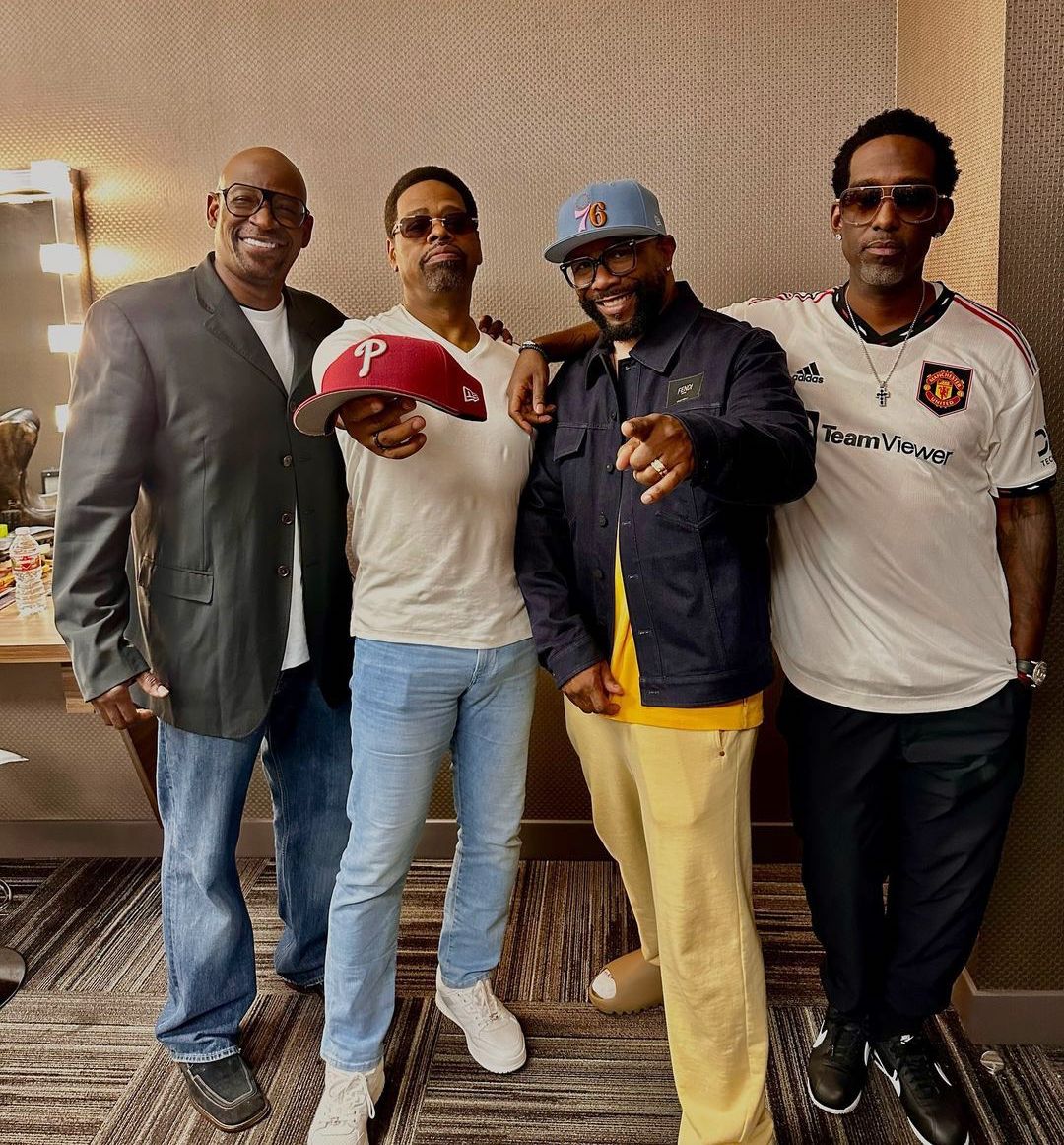
When a brand loses a signature element, it has two choices: replace the element or re-engineer the product. Boyz II Men chose the latter. Instead of holding auditions for a new bass singer—which would have likely been perceived as an “imitation” of the original brand—they opted to rebrand as a trio.
Re-engineering the Sonic Signature
This was a massive undertaking for their musical department. The Boyz II Men “product” was famous for its four-part harmonies. Moving to a three-part harmony required Wanya, Shawn, and Nathan to redistribute the vocal loads. They had to fill the sonic space that McCary’s bass once occupied. This move was a masterclass in brand adaptation. They leaned into their versatility, proving that the “Boyz II Men” brand was not defined by a specific number of people, but by a specific standard of quality and a recognizable vocal texture.
Maintaining Consumer Trust Through Transparency
The group handled the transition with a degree of transparency that helped retain their loyal customer base (their fans). By acknowledging McCary’s health struggles while simultaneously reaffirming their commitment to the brand’s future, they managed to avoid the “replacement” trap that has plagued other groups like The Temptations or En Vogue. They signaled to the market that while the configuration had changed, the brand’s core values—professionalism, vocal excellence, and emotional resonance—remained intact.
Personal Brand vs. Collective Brand: The Individual Path
The story of the “4th member” also provides insight into the challenges of personal branding after leaving a high-equity collective. When an individual is so closely associated with a powerful corporate or group identity, “de-coupling” that identity can be an uphill battle.
The Michael McCary Branding Post-Boyz II Men
Since his departure, Michael McCary has navigated a much quieter professional path. While he has made occasional media appearances and discussed his journey with MS, he has largely stepped away from the spotlight. In branding terms, McCary’s “market value” was inextricably linked to the Boyz II Men ecosystem. Without the infrastructure of the group, his personal brand faced the challenge of “re-identification.” His story serves as a cautionary tale for professionals in any field: it is essential to build a personal brand that can stand independently of the organization one serves.
Sustaining Value in the Nostalgia Market
Interestingly, the Boyz II Men trio has successfully tapped into the “nostalgia market,” a lucrative segment of the entertainment industry. By continuing to perform their classic hits as a trio, they have maintained the brand’s relevance for three decades. They have successfully transitioned from a “contemporary pop” brand to a “legacy” brand. This transition is difficult; it requires a brand to honor its past without becoming a caricature of it. By maintaining their vocal prowess and evolving their business model (including a highly successful residency in Las Vegas), the trio has proven that a brand can survive and even thrive after losing a primary component.
Conclusion: The Resilience of the Boyz II Men Brand
What happened to the fourth member of Boyz II Men is a narrative of physical hardship and professional separation, but through a business lens, it is a story of brand survival. Michael McCary’s departure could have signaled the end of the group. Instead, it forced a strategic evolution.
Today, Boyz II Men remains one of the most respected brands in music. They have successfully navigated the transition from the 90s quartet era to their current status as a powerhouse trio. They proved that while individuals contribute to a brand’s success, the brand itself—the name, the reputation, and the emotional connection with the audience—possesses a life and a resilience of its own.
For brand strategists, the Boyz II Men story offers three vital takeaways:
- Consistency is King: The brand survived because the remaining members refused to lower their performance standards.
- Adaptability is Essential: When a core component is lost, the brand must be willing to re-engineer its “product” rather than trying to replicate the past.
- Legacy is Built on Integrity: By handling the departure with professional grace and focusing on the future, the group preserved the “sanctity” of the brand in the eyes of the consumer.
Michael McCary’s bass voice may be absent from their newer recordings, but the brand he helped build continues to resonate, proving that a well-managed identity can endure even the most significant of structural changes.
aViewFromTheCave is a participant in the Amazon Services LLC Associates Program, an affiliate advertising program designed to provide a means for sites to earn advertising fees by advertising and linking to Amazon.com. Amazon, the Amazon logo, AmazonSupply, and the AmazonSupply logo are trademarks of Amazon.com, Inc. or its affiliates. As an Amazon Associate we earn affiliate commissions from qualifying purchases.