
In the late 1980s, the music industry witnessed a branding phenomenon that seemed destined to rival the cultural footprints of Prince and Michael Jackson. Terence Trent D’Arby didn’t just enter the market; he exploded into it. With his 1987 debut album, Introducing the Hardline According to Terence Trent D’Arby, he crafted a personal brand centered on untouchable confidence, multi-genre mastery, and a visual aesthetic that was both primal and sophisticated.
However, at the height of his commercial power, the brand didn’t just pivot—it underwent a total dissolution and rebirth. The story of what happened to Terence Trent D’Arby is one of the most significant case studies in the history of personal branding. It explores the tension between corporate-owned intellectual property and the creator’s need for brand sovereignty. Today, he is known as Sananda Maitreya, and his journey offers vital lessons for any strategist looking at the long-term lifecycle of a brand.
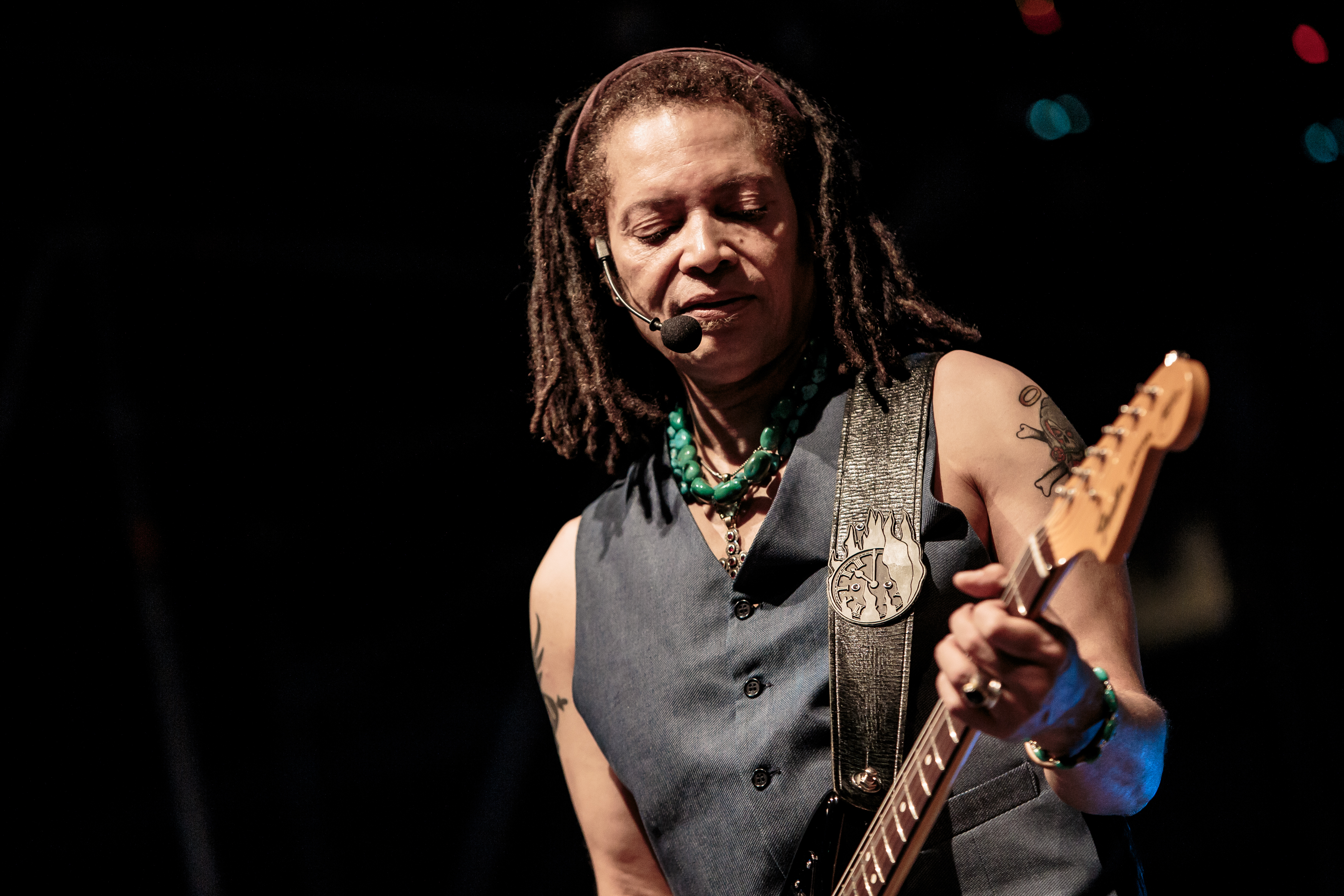
The Power and Peril of a “Superstar” Brand
The initial Terence Trent D’Arby brand was built on high-octane market disruption. In an era dominated by established pop icons, D’Arby positioned himself as the “new king,” famously claiming his debut was the most important album since the Beatles’ Sgt. Pepper. While seen as arrogance by some, from a brand strategy perspective, it was a masterclass in “Challenger Brand” positioning.
High-Equity Market Entry
D’Arby’s brand equity was built on three pillars: technical excellence, cross-demographic appeal, and a bold, confrontational narrative. By blending soul, rock, and pop, he moved beyond the “R&B” pigeonhole, expanding his market reach to a global scale. The brand was so strong that it achieved “platinum status” almost instantly, creating a massive amount of “legacy equity” that still exists today.
The Trap of the “Hero” Archetype
The problem with the “Hero” or “Disruptor” brand archetype is that it requires constant escalation. When D’Arby’s second album, Neither Fish Nor Flesh, failed to meet the impossible commercial expectations of his debut, the brand faced its first major crisis. In branding, when the narrative of “unstoppable genius” meets the reality of market correction, the friction can be catastrophic. The record label and the public had bought into a specific version of the D’Arby brand—one that the creator himself was beginning to find restrictive.
The Great Disruption: Why Brands Choose Radical Pivots
In business, a “pivot” usually involves a slight change in direction to find a better product-market fit. In the case of Terence Trent D’Arby, the pivot was radical and existential. He didn’t just want to change his sound; he wanted to change the “Company Name.”
Identifying Brand Burnout
By the mid-90s, the Terence Trent D’Arby brand was suffering from what experts call “Brand Burnout.” The name was associated with the high-pressure expectations of the 80s pop machine, 24/7 tabloid scrutiny, and a perceived “arrogance” that no longer served the artist. For the person behind the brand, Terence Trent D’Arby had become a “mask” that was suffocating the underlying creative engine.
The Psychology of Brand Ownership
D’Arby’s decision to transition to Sananda Maitreya in 1995 (legally in 2001) was a move toward “Brand Sovereignty.” In the corporate world, this is akin to a founder buying back their company from shareholders to take it private. He famously stated that Terence Trent D’Arby was “dead” and that he had watched his former persona perish. By “killing” the brand, he effectively neutralized the corporate expectations attached to it, allowing him to start fresh with a new mission statement.

Sananda Maitreya: A Case Study in Personal Autonomy vs. Market Demand
The transition from D’Arby to Sananda Maitreya is a polarising example of brand evolution. From a purely commercial “Money” or “Market Share” perspective, many analysts viewed it as career suicide. However, from a “Personal Branding” perspective, it was a calculated move toward long-term sustainability and mental health.
Deconstructing the Old Asset
When Maitreya abandoned the D’Arby name, he walked away from millions of dollars in potential touring revenue and “nostalgia marketing.” He chose to stop performing as a “legacy act.” In branding, this is a “Burn the Ships” strategy. By removing the option to rely on his old hits, he forced his audience to engage with his new identity or leave entirely.
Building a Niche Category: Post-Millennium Rock
Rather than trying to compete in the Top 40 charts, Maitreya redefined his output as “Post-Millennium Rock.” This was a strategic move to create a “Category of One.” By moving his brand into a niche, independent space, he was able to:
- Control Distribution: He became one of the first major artists to leverage the internet to sell music directly to fans via his own website.
- Minimize Overhead: By exiting the major label system, he traded mass reach for higher margins per unit sold.
- Protect Intellectual Property: As Sananda Maitreya, he owns his master recordings and creative direction, a level of brand control he never had as D’Arby.
Lessons for Modern Branding: Authenticity as the Final Frontier
The story of “what happened to Terence Trent D’Arby” is ultimately a story of brand authenticity. In the modern digital landscape, where personal brands are often curated to the point of exhaustion, the Maitreya evolution offers a roadmap for “Authentic Rebranding.”
The Risk of Alienating Your Core Audience
Every major rebrand risks losing “Brand Loyals.” Maitreya lost a significant portion of his mainstream audience who were only interested in the 80s pop aesthetic. However, he gained a “Core Community”—a smaller but more dedicated group of consumers who value his autonomy. The lesson here is clear: you cannot be everything to everyone if you want your brand to remain authentic to its core mission.
Longevity Over Velocity
Most brands prioritize “Velocity”—how fast can we grow? The D’Arby era was high velocity. The Maitreya era is about “Longevity”—how long can we last? By stepping out of the spotlight and the “Superstar” machinery, he has managed to release over a dozen albums independently. For a personal brand, staying active and creative for 40 years is a higher metric of success than having one massive peak followed by total disappearance.
Digital Sovereignty and the Independent Model
Long before the “Creator Economy” was a buzzword, Sananda Maitreya was practicing it. He moved his headquarters to Italy, built his own digital infrastructure, and began communicating directly with his market. He proved that a brand with high “Legacy Equity” can survive—and even thrive—by pivoting into a high-control, low-volume model. He transitioned from being a “Product” of a record label to being the “CEO” of his own creative life.

Conclusion: The Legacy of a Total Rebrand
What happened to Terence Trent D’Arby? He evolved. He recognized that his brand was no longer serving his vision, and he had the courage to dismantle a multi-million dollar identity to build something sustainable.
For professionals in brand strategy, the takeaway is profound. A brand is not a static monument; it is a living entity. Sometimes, the most powerful move a brand can make is to shed its past, rename its future, and prioritize the integrity of the creator over the demands of the marketplace. Sananda Maitreya remains a vibrant, prolific artist precisely because he refused to let the “Terence Trent D’Arby” brand become a tombstone. He transformed a potential “one-hit wonder” trajectory into a decades-long masterclass in personal brand evolution.
aViewFromTheCave is a participant in the Amazon Services LLC Associates Program, an affiliate advertising program designed to provide a means for sites to earn advertising fees by advertising and linking to Amazon.com. Amazon, the Amazon logo, AmazonSupply, and the AmazonSupply logo are trademarks of Amazon.com, Inc. or its affiliates. As an Amazon Associate we earn affiliate commissions from qualifying purchases.