
In the landscape of global intellectual property, few entities have maintained the same level of cultural resonance and visual recognition as Team Rocket. While casual observers might view them simply as the primary antagonists of the Pokémon franchise, from a brand strategy perspective, Team Rocket represents a masterclass in identity maintenance, narrative pivoting, and the strategic use of nostalgia. For over 25 years, the “Team Rocket” brand has survived shifts in medium, changes in consumer demographics, and the total evolution of the gaming industry.
Understanding “what happened to Team Rocket” requires more than a recap of fictional events; it necessitates an analysis of how a brand identity is cultivated, sustained, and eventually retired or reimagined to serve the parent corporation’s long-term goals.
The Foundation of a Villainous Identity: Building the “R”
The initial success of the Team Rocket brand was rooted in its simplicity and its immediate differentiation from the “hero” archetype. In branding, the goal is to create an instant emotional and visual association. Team Rocket achieved this through a minimalist visual language and a clear, albeit nefarious, value proposition.
The Visual Power of the Crimson “R”
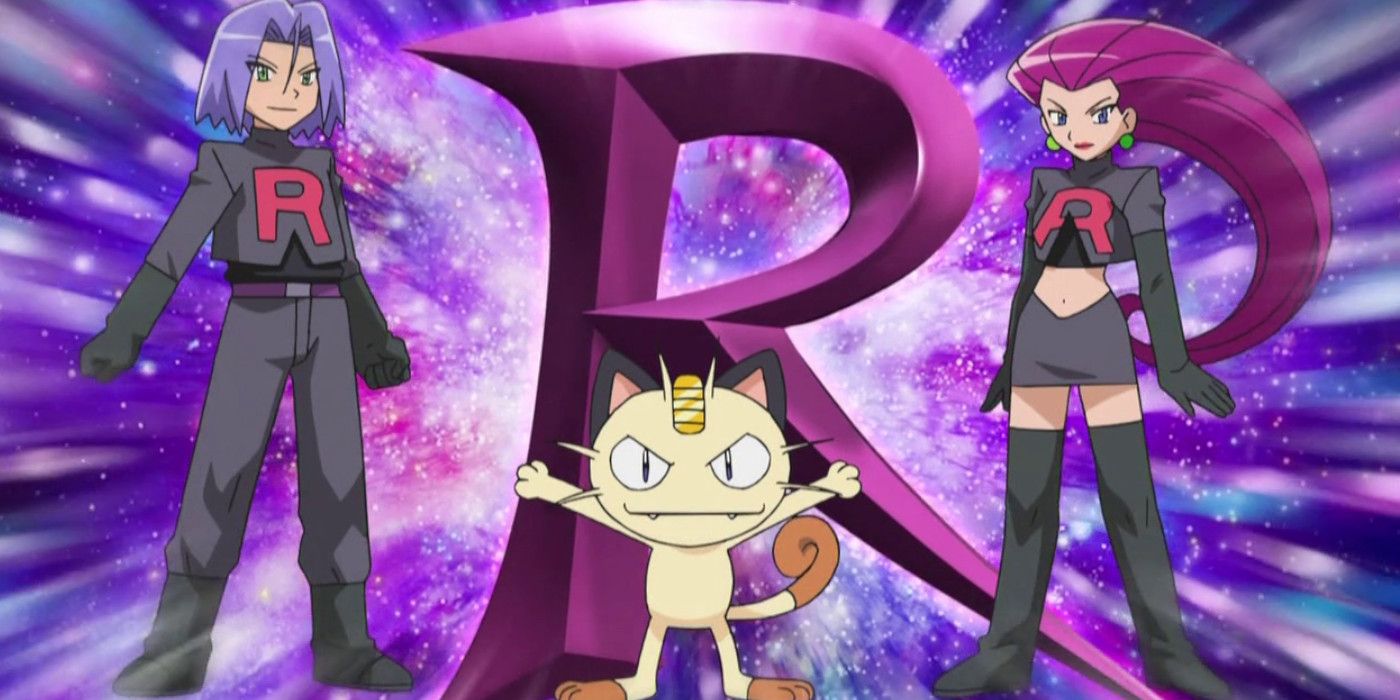
The “R” logo is perhaps one of the most effective examples of corporate identity design within fictional media. It utilizes a bold, sans-serif typography paired with a high-contrast color palette—typically red on black or white. This design choice follows the fundamental principles of brand visibility: it is easily reproducible, highly scalable, and instantly recognizable from a distance. Much like the “Golden Arches” or the Nike “Swoosh,” the Team Rocket “R” became a symbol that carried the weight of the brand’s entire philosophy without needing a single word of explanation.
Archetypes and Brand Consistency
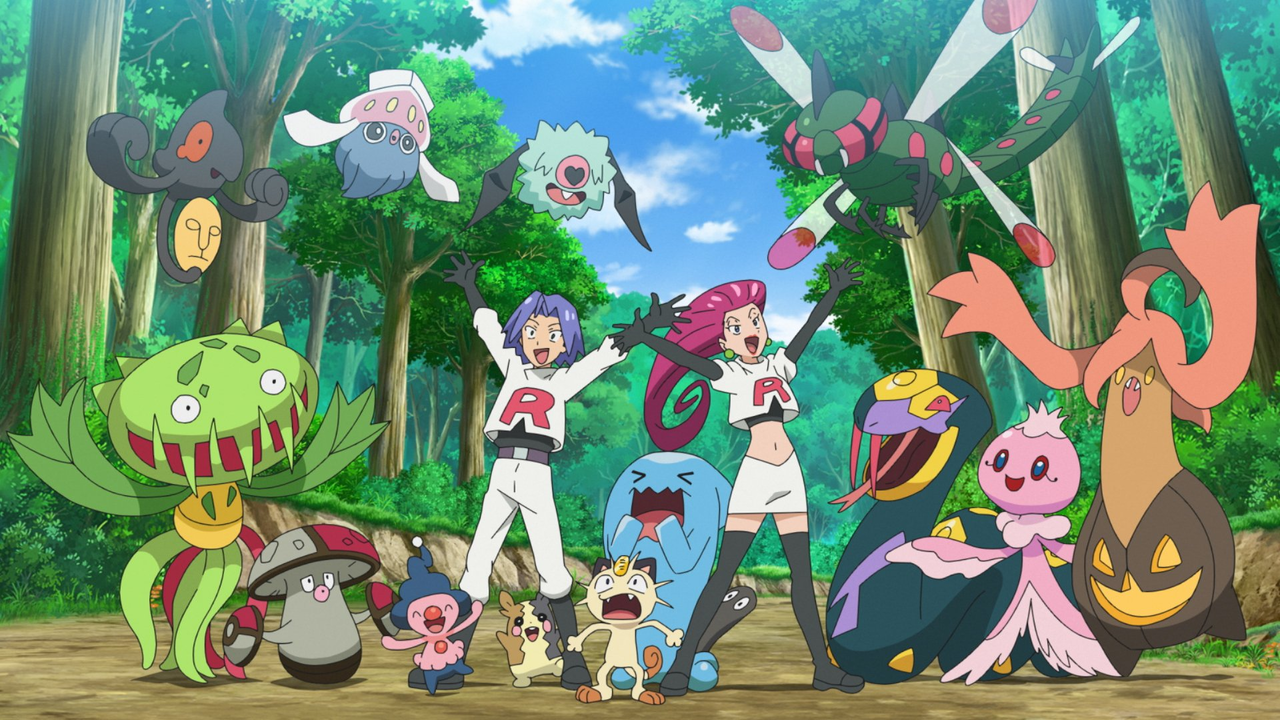
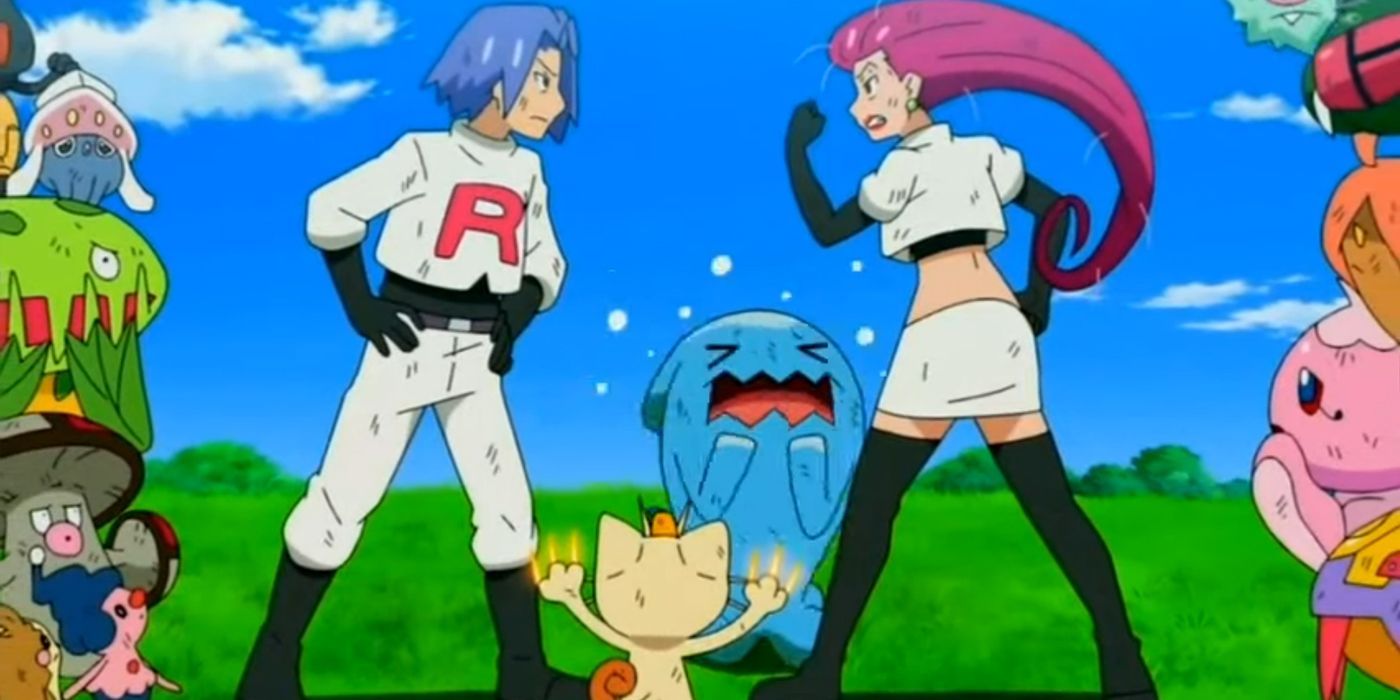
Initially, Team Rocket was branded as a traditional criminal syndicate. However, the introduction of the specific trio—Jessie, James, and Meowth—shifted the brand toward a more nuanced “lovable loser” archetype. This was a strategic move by the creators to ensure the brand didn’t become too alienating for a younger demographic. By balancing the “corporate” menace of the larger organization with the comedic failures of its front-facing ambassadors, the brand managed to occupy two spaces at once: the formidable antagonist and the relatable underdog.
Brand Evolution through Media Adaptation
A brand that fails to evolve is destined for obsolescence. The reason Team Rocket remained relevant for decades is that the brand management team at The Pokémon Company and Nintendo understood the necessity of “iterative storytelling.” As the Pokémon franchise expanded from Game Boy cartridges to global television syndication and eventually to mobile AR (Pokémon GO), the Team Rocket brand adapted its delivery to fit the medium.
From Antagonists to Narrative Anchors
In the early stages of the brand’s lifecycle, Team Rocket served as a functional obstacle. However, as the audience matured, the brand underwent a “humanization” process. This is a common strategy in long-term personal branding and corporate PR: when a brand is too rigid, it breaks; when it is allowed to show vulnerability, it builds loyalty. Team Rocket’s frequent pivots into heroism and their deep backstories allowed consumers to form a parasocial bond with the “villains,” effectively turning them into protagonists of their own sub-brand.
Maintaining Relevance Across Generations
One of the greatest challenges in brand strategy is the “generational handoff”—ensuring that a brand created for children in 1996 remains cool for children in 2024. Team Rocket achieved this through consistent presence. By remaining a “fixed point” in an ever-changing world of hundreds of new Pokémon species, they provided a sense of brand stability. For the parent, Team Rocket is a nostalgic touchstone; for the child, they are a fresh source of conflict and comedy. This dual-market appeal is the holy grail of brand positioning.
The “Team Rocket” Effect on Consumer Loyalty and Merchandising
The ultimate metric of a brand’s strength is its ability to drive revenue through secondary markets. Team Rocket’s branding was so successful that it transcended its role as a narrative device and became a lucrative merchandising vertical.
Nostalgia as a Marketing Lever
In recent years, “what happened to Team Rocket” can be answered by looking at the trend of “Retro-Marketing.” As the original “90s kids” entered their peak spending years, The Pokémon Company leveraged the Team Rocket brand to sell high-end apparel, limited-edition collectibles, and streetwear collaborations. The “R” logo was no longer a sign of a villain; it was a badge of “OG” status. By positioning the brand as a vintage icon, they were able to charge a premium for products that utilized the Team Rocket aesthetic.
Merchandising the “Antagonist” Aesthetic
There is a specific psychology behind the “anti-hero” brand. Consumers often gravitate toward villainous brands because they represent rebellion, counter-culture, and edge—traits that “heroic” brands often lack. Team Rocket’s brand strategy tapped into this “cool factor.” Whether it was through “Team GO Rocket” takeovers in the Pokémon GO app or dedicated “Rocket Gang” merchandise in Pokémon Centers, the brand capitalized on the consumer’s desire to play the “bad guy” in a safe, controlled environment.
Strategic Pivot: Lessons for Modern Brand Management
The eventual “winding down” of the Team Rocket trio in the animated series marks a significant pivot in the franchise’s brand strategy. It signals the end of one era and the beginning of a “legacy brand” phase. There are several professional takeaways from how this transition was handled.
Knowing When to Retire a Core Asset
Even the most successful brand assets can reach a point of diminishing returns. The decision to conclude the journey of the main Team Rocket representatives was a calculated risk. In corporate terms, this is equivalent to a legacy brand undergoing a total visual and conceptual “re-brand” to clear the path for new IP. By giving the brand a definitive “finale,” they preserved its dignity and prevented the brand dilution that comes with over-saturation and creative exhaustion.
The Power of Persistent Presence
The most significant lesson from the Team Rocket brand is the power of persistence. In a digital economy characterized by “distraction culture” and rapid turnover, the fact that Team Rocket remained a household name for a quarter-century is an anomaly. They succeeded because they stayed “on-brand” while being “on-trend.” They didn’t change their core identity, but they changed the context in which that identity was presented.
The Legacy of the “R”
While the specific characters associated with Team Rocket may no longer be the face of every Pokémon season, the corporate identity of Team Rocket remains one of the most valuable assets in the Nintendo portfolio. It has been institutionalized. Much like a classic fashion house that continues to thrive long after its founding designer has passed, the “Team Rocket” brand now exists as a set of symbols, values, and memories that can be reactivated at any time for maximum market impact.
Conclusion: The Immortal Brand
What happened to Team Rocket is not a story of disappearance, but a story of successful brand maturation. They moved from being a simple narrative foil to a complex, multi-layered brand identity that successfully navigated the transition from the analog age to the digital frontier.
For brand strategists and marketing professionals, Team Rocket serves as a reminder that a strong visual identity, a clear (yet flexible) archetype, and a deep understanding of audience nostalgia can create a brand that is essentially immortal. The “R” will continue to appear on shirts, in apps, and in the memories of millions, proving that in the world of branding, a well-executed villain can be just as beloved—and just as profitable—as any hero.
aViewFromTheCave is a participant in the Amazon Services LLC Associates Program, an affiliate advertising program designed to provide a means for sites to earn advertising fees by advertising and linking to Amazon.com. Amazon, the Amazon logo, AmazonSupply, and the AmazonSupply logo are trademarks of Amazon.com, Inc. or its affiliates. As an Amazon Associate we earn affiliate commissions from qualifying purchases.