
The global phenomenon of Solo Leveling did more than just redefine the “Level-Up” genre of Korean web novels and manhwa; it established a gold standard for character-driven intellectual property (IP). At the heart of this brand is Sung Jin-woo, an icon whose journey from the “World’s Weakest Hunter” to the “Shadow Monarch” became a blueprint for personal branding within fictional narratives. With the release of the sequel, Solo Leveling: Ragnarok, the franchise faced a pivotal branding challenge: how to progress the narrative while managing the overwhelming “brand equity” of its original protagonist.
To understand what happened to Sung Jin-woo in Ragnarok, one must look beyond the plot points and examine the strategic brand management employed by the creators. By moving Jin-woo to the periphery of the story, the franchise executes a masterclass in IP expansion, narrative scarcity, and brand legacy.
The Power of Progenitor Branding: Maintaining Value Through Absence
In the world of brand strategy, “Progenitor Branding” refers to the original entity that gives life to a series of sub-brands or sequels. Sung Jin-woo is the “Parent Brand” of the Solo Leveling universe. In Ragnarok, his physical absence for much of the early narrative is not a creative oversight but a calculated move to preserve his status as an aspirational figure.
The Iconography of the Shadow Monarch
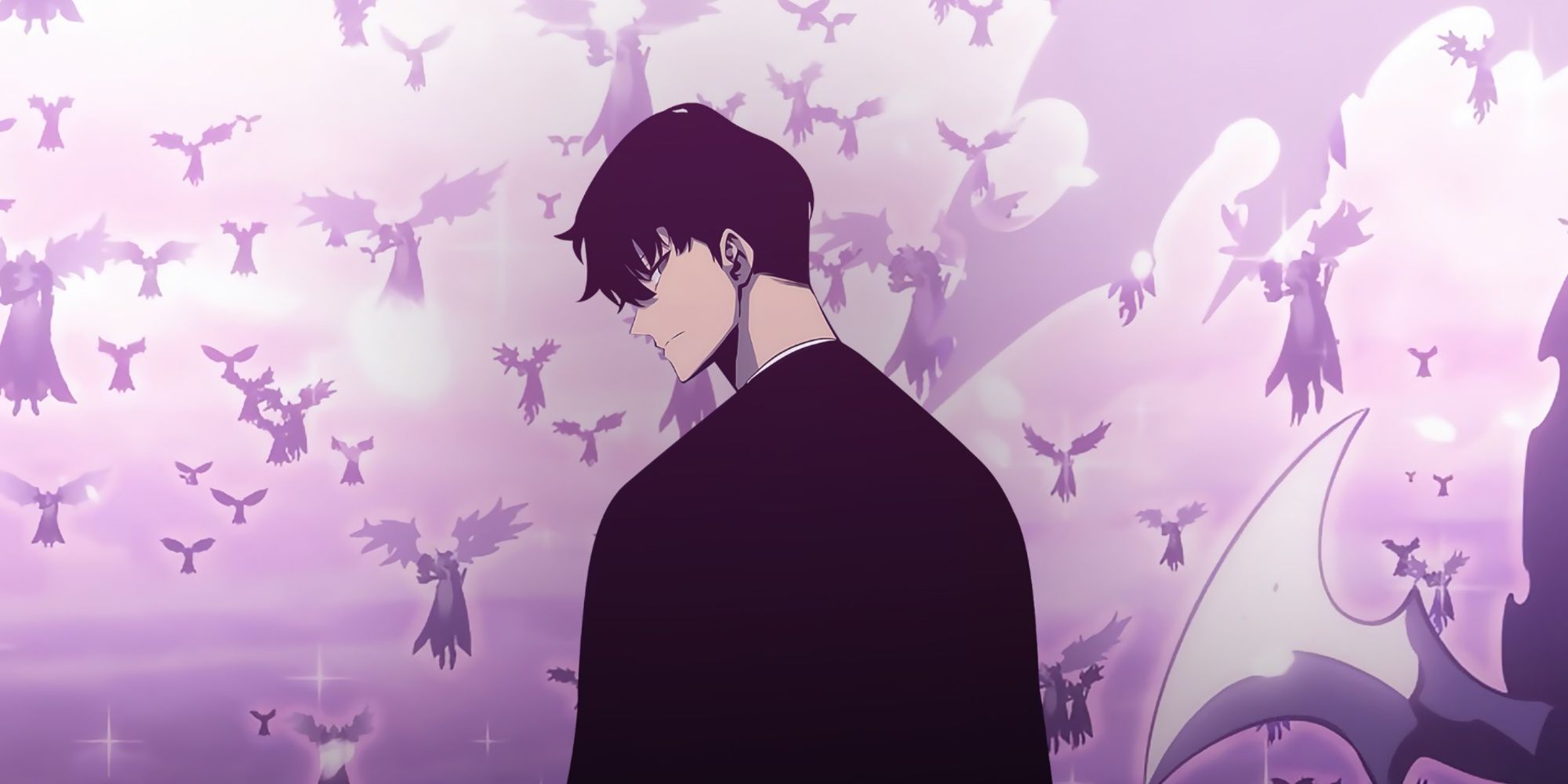
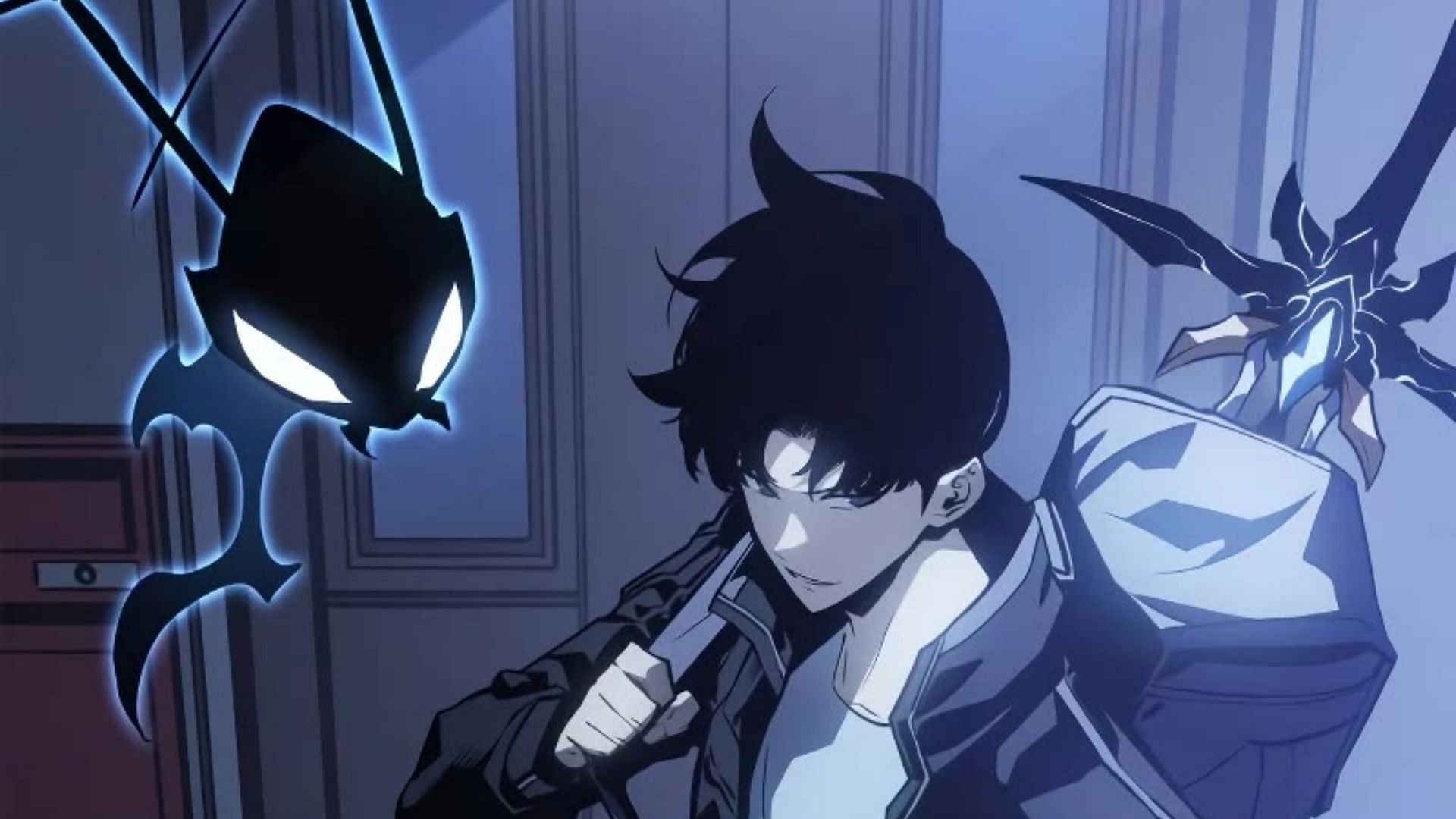
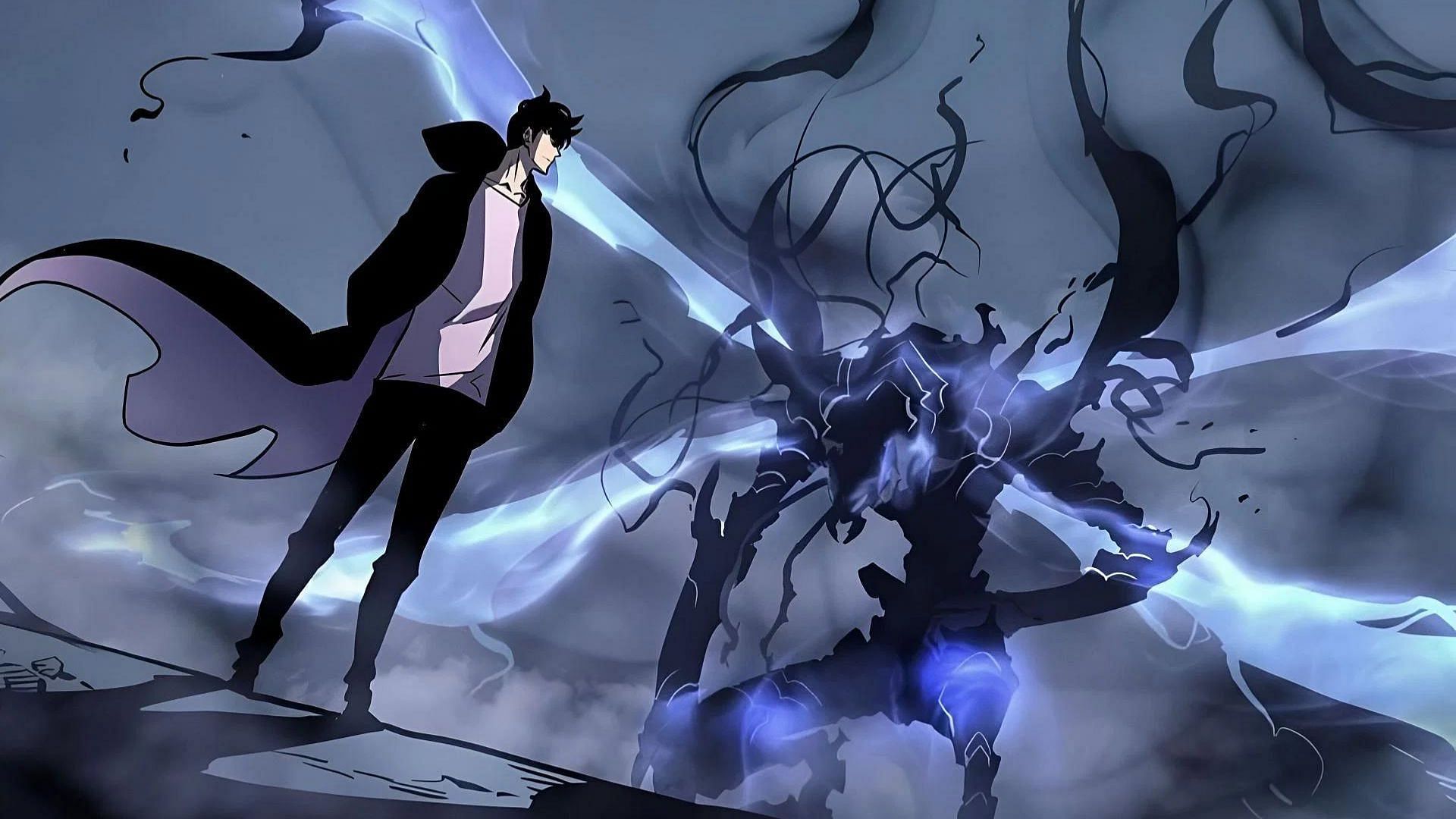
The brand of Sung Jin-woo is built on specific visual and thematic cues: the glowing purple eyes, the sleek black armor, and the command “Arise.” These elements are so potent that they carry significant market value. In Ragnarok, these icons are used sparingly, which creates a “luxury brand” effect. By keeping Jin-woo in the shadows—literally and figuratively—the creators ensure that his eventual appearances carry maximum emotional and narrative impact. This scarcity keeps the “Jin-woo Brand” from becoming diluted or overexposed, a common pitfall in long-running sequels.
Transitioning from Protagonist to Mythological Foundation
From a brand identity perspective, Jin-woo has transitioned from an active agent to a foundational myth. In Ragnarok, we learn that he is currently stationed in the vastness of the Outer Universe, engaged in an eternal battle against the “Itarim”—the Outer Gods. This positioning elevates the character from a “Hunter” to a “Universal Protector.” For the audience, this reinforces the brand promise of his absolute power, ensuring that even while he is off-screen, his influence dictates the parameters of the world his son, Sung Su-ho, must navigate.
Narrative Continuity as a Brand Retention Strategy
The primary goal of any sequel brand is “Brand Retention”—keeping the existing audience while attracting new consumers. Solo Leveling: Ragnarok achieves this by using Sung Jin-woo’s fate as the connective tissue between the old and the new. The mystery of his whereabouts serves as the primary hook for returning fans, ensuring a high conversion rate from the original series to the sequel.
Managing Audience Expectations in a Sequel
When a brand is as successful as Solo Leveling, the audience develops a deep psychological attachment to the lead character. Any sequel that attempts to replace such an icon risks a “Brand Rejection” response. To mitigate this, Ragnarok frames the story around Sung Su-ho, Jin-woo’s son. This creates a “Brand Extension” rather than a “Brand Replacement.” By making Su-ho the vessel for his father’s legacy, the creators allow the audience to transfer their loyalty to the new protagonist while still feeling connected to the original icon.
The “Absentee Father” Trope as a Brand Extension
In Ragnarok, Jin-woo’s role is that of a distant architect. He has sealed Su-ho’s powers to allow him to grow naturally, much like a founder who steps down to a Chairman role to allow a new CEO to find their footing. This narrative choice is a brilliant brand strategy; it allows the sequel to explore new themes and power dynamics without the “Overpowered Brand” of Jin-woo solving every problem instantly. It maintains the tension required for storytelling while keeping the Jin-woo brand as the ultimate safety net and endgame goal.
Intellectual Property (IP) Expansion and Global Market Positioning
The “What happened to Sung Jin-woo” question is also a driver for the broader commercial ecosystem of the franchise. Solo Leveling is no longer just a story; it is a multi-platform corporate brand encompassing webtoons, anime, mobile games, and merchandise.
Leveraging the Solo Leveling Brand for Ragnarok
The decision to continue the story through the lens of Ragnarok was a move to capitalize on the “Solo Leveling” trademark at its peak. By placing Jin-woo in the Outer Universe, the writers have effectively expanded the “brand map.” The setting is no longer confined to Earth or the Dungeons; it is now cosmic. This expansion allows for an infinite variety of new “products” (characters, monsters, and worlds) that can be integrated into the Solo Leveling: ARISE game and future media adaptations, significantly increasing the IP’s lifetime value (LTV).
Cross-Media Synergy: Games, Webtoons, and Anime
The fate of Sung Jin-woo in Ragnarok is designed to be experienced across different media formats. While the novel provides the deep lore of his cosmic battle, the potential webtoon and anime adaptations will focus on the visual spectacle of his legacy. This cross-media synergy ensures that the “Solo Leveling” brand remains at the forefront of the global “K-Content” market. The mystery surrounding Jin-woo acts as a “transmedia” lure, encouraging fans to consume the story across multiple platforms to get the full picture of his current status.
Character Identity vs. Franchise Identity: The Succession Model
The ultimate test of a brand is whether it can survive the transition of its primary asset. Solo Leveling: Ragnarok is essentially a case study in “Brand Succession.”
The Risks of Replacing a Brand Icon
In corporate branding, when a beloved founder leaves, the company often sees a dip in consumer confidence. Similarly, in Ragnarok, the absence of Jin-woo was initially met with skepticism by some hardcore fans. However, the narrative addresses this by making the search for Jin-woo a core objective. This validates the fan’s passion for the original brand while gently introducing the new “Product Line”—Sung Su-ho.
Sung Su-ho as the Brand Successor
Sung Su-ho is designed to be a “Brand Refresh.” He possesses many of his father’s traits but operates with a different personality and a new set of challenges. By having Jin-woo oversee Su-ho’s growth from the Outer Universe, the creators establish a “Mentor-Protege” brand relationship. This ensures that Su-ho is not seen as a replacement, but as an evolution. Su-ho’s journey to unlock the powers his father left behind is, in marketing terms, a “Brand Re-branding” process—taking the core values of the Shadow Monarch and presenting them in a new, modernized package.
Conclusion: The Immortal Brand of the Shadow Monarch
What happened to Sung Jin-woo in Solo Leveling: Ragnarok? He became a legend that transcends the narrative itself. By moving him into a celestial role, the creators have ensured that his brand remains untarnished by the typical power creep issues of long-running series. He has evolved from a character into a “Corporate Deity”—an overarching presence that gives the entire franchise its purpose and direction.
Through strategic scarcity, careful narrative continuity, and a focus on IP expansion, the Solo Leveling franchise has successfully navigated the difficult waters of a sequel. Sung Jin-woo remains the face of the brand, even in his absence, proving that a well-constructed personal brand is immortal. For fans and brand strategists alike, Ragnarok serves as a reminder that the most powerful brands are those that can step back and let their legacy do the heavy lifting, ensuring that the cry of “Arise” continues to resonate across the global market for years to come.
aViewFromTheCave is a participant in the Amazon Services LLC Associates Program, an affiliate advertising program designed to provide a means for sites to earn advertising fees by advertising and linking to Amazon.com. Amazon, the Amazon logo, AmazonSupply, and the AmazonSupply logo are trademarks of Amazon.com, Inc. or its affiliates. As an Amazon Associate we earn affiliate commissions from qualifying purchases.