
In the modern attention economy, a television appearance is no longer just a moment of fleeting fame; it is a high-octane launchpad for a multi-dimensional brand. The trajectory of Shay Yadegari, known to millions simply as “Shay” from TLC’s Say Yes to the Dress, offers a masterclass in personal brand evolution. When fans ask “what happened to Shay,” they are often looking for tabloid gossip, but from a strategic branding perspective, the answer lies in the deliberate transition from a secondary character in a corporate narrative to the CEO of a personal luxury empire.
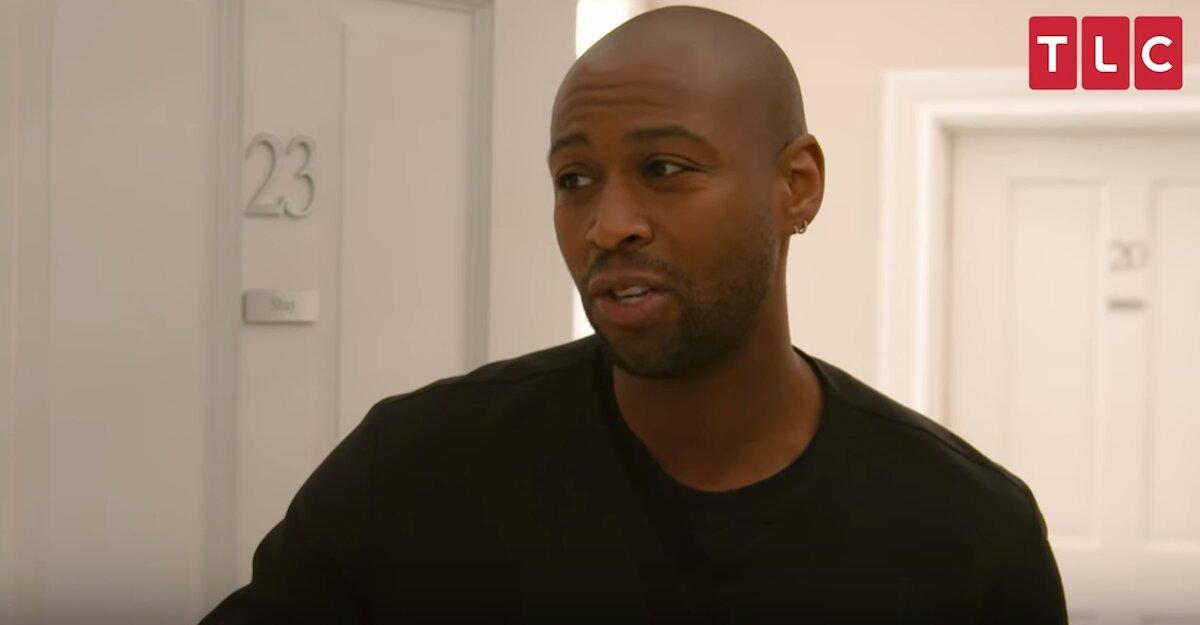
Shay’s departure from Kleinfeld Bridal was not merely a career change; it was a calculated pivot. To understand his current standing in the fashion and lifestyle space, we must analyze the brand mechanics that allowed him to outgrow one of the most successful reality franchises in history.
The Architecture of a Reality TV Brand
Before an individual can successfully “pivot,” they must first establish a “Brand Anchor.” For Shay, this anchor was his tenure at Kleinfeld Bridal. While the show Say Yes to the Dress is ostensibly about the gowns, its longevity is built on the personalities of its consultants.
Leveraging the Corporate Halo Effect
In branding terms, Shay benefited from the “Halo Effect.” By associating himself with the Kleinfeld name—a brand synonymous with bridal excellence for over 70 years—he inherited immediate credibility. However, unlike a standard employee, Shay utilized his screen time to differentiate his personal brand from the corporate one. While the “Kleinfeld brand” is about tradition and volume, the “Shay brand” became about high-fashion editorial sensibility and an uncompromising aesthetic. This differentiation is crucial for any professional working within a large organization: if you do not define your unique value proposition, you remain a replaceable asset of the parent company.
Defining the Unique Value Proposition (UVP)
Shay’s UVP was his “editorial eye.” In a sea of consultants who focused on traditional bridal silhouettes, Shay positioned himself as a luxury stylist who happened to be working with brides. He spoke the language of couture, mentioned designers like Zuhair Murad and Elie Saab with a level of authority that resonated with high-net-worth clients, and maintained a visual identity (his own impeccable grooming and style) that signaled luxury. By the time he left the show, his audience didn’t just want a Kleinfeld dress; they wanted the “Shay Experience.”
The Strategic Pivot: Navigating Departure from a Global Platform
A common mistake in personal branding is staying with a platform for too long. There is a point of diminishing returns where the individual’s growth is capped by the platform’s constraints. Shay’s exit from Say Yes to the Dress represents the “Maturity Stage” of a brand lifecycle, where the entity must innovate or risk becoming a legacy act.
The Risk Management of Rebranding
Leaving a hit television show is a high-risk brand move. You lose the weekly “organic reach” provided by the network. However, Shay managed this risk through a “Silent Transition.” Instead of engaging in public disputes or dramatic “tell-all” narratives—which can cheapen a luxury brand—he maintained a professional silence regarding the specifics of his departure. In brand strategy, silence can be a powerful tool to maintain an aura of exclusivity and class. By focusing on his next moves rather than his past employment, he signaled to the market that he was looking forward, not back.
Ownership of the Narrative
Post-TLC, Shay took full control of his digital presence. He moved from being a participant in a scripted narrative to the creative director of his own story. This shift is vital for brand longevity. On the show, his “character” was edited by producers to fit a specific archetype. On his own platforms, he re-established himself as a multifaceted tastemaker involved in red-carpet styling, interior design, and luxury lifestyle consulting. This transition from “consultant” to “expert” is a significant step up the brand hierarchy.

Diversification: Scaling Beyond the Consultant Role
A robust brand is one that can generate revenue across multiple verticals. Once Shay solidified his personal brand, he began the process of “Vertical Integration,” expanding his influence into sectors that complemented his established expertise.
Social Media as a Primary Sales Funnel
For a personal brand, Instagram and TikTok are not just social networks; they are the storefront. Shay’s visual strategy post-show shifted toward high-gloss, editorial-style photography. This was a deliberate move to distance himself from the “reality TV star” label and move toward the “Influencer/Stylist” category. By curating a feed that mirrors the aesthetic of Vogue or Harper’s Bazaar, he attracted a different tier of brand partnerships—those in the luxury travel, skincare, and high-fashion sectors. This is a classic example of “Audience Refinement,” where a brand moves from a mass-market audience (TLC viewers) to a more affluent, niche demographic.
The Evolution into Luxury Styling and Interior Design
What happened to Shay? He became a multi-hyphenate. He launched his own styling firm, catering to a global clientele that requires more than just bridal advice. This move capitalizes on “Brand Extension.” If a client trusts Shay’s eye for the most important dress of their life, they are likely to trust his eye for their red-carpet appearances or even their home décor. By expanding into interior design and lifestyle curation, Shay has effectively de-risked his brand; he is no longer dependent on the bridal industry alone.
Lessons for Individual and Corporate Brands
The “Shay Yadegari” journey offers several actionable insights for professionals and brand managers looking to build a resilient identity in a crowded marketplace.
The Importance of Intellectual Property (IP)
In the digital age, your face, your voice, and your aesthetic are your Intellectual Property. Shay understood that while he didn’t own Say Yes to the Dress, he did own the “Shay” brand. For anyone working in a high-visibility role, the goal should be to build “Portable Equity”—value that stays with you regardless of where you are employed. This is achieved through consistent messaging, a distinct visual identity, and a direct line of communication with your audience (e.g., social media or email lists).
The Power of Emotional Connection
People do not connect with corporations; they connect with people. Kleinfeld is a store; Shay is a person. The “Shay brand” succeeded because he allowed for emotional vulnerability and expert passion on screen. In any brand strategy, whether personal or corporate, humanizing the entity is the most effective way to build loyalty. The fact that fans still ask about him years after his last episode aired is a testament to the “Brand Resonance” he built. He didn’t just sell dresses; he sold a feeling of confidence and luxury.
Navigating the “Celebrity-to-Business” Pipeline
The final stage of a successful personal brand is the transition from “Celebrity” (being known for who you are) to “Business” (being known for what you provide). Shay has successfully navigated this pipeline. While his initial fame came from television, his current brand equity is built on his services as a stylist and designer. This is the ultimate goal of personal branding: to create a self-sustaining business ecosystem that survives long after the cameras stop rolling.
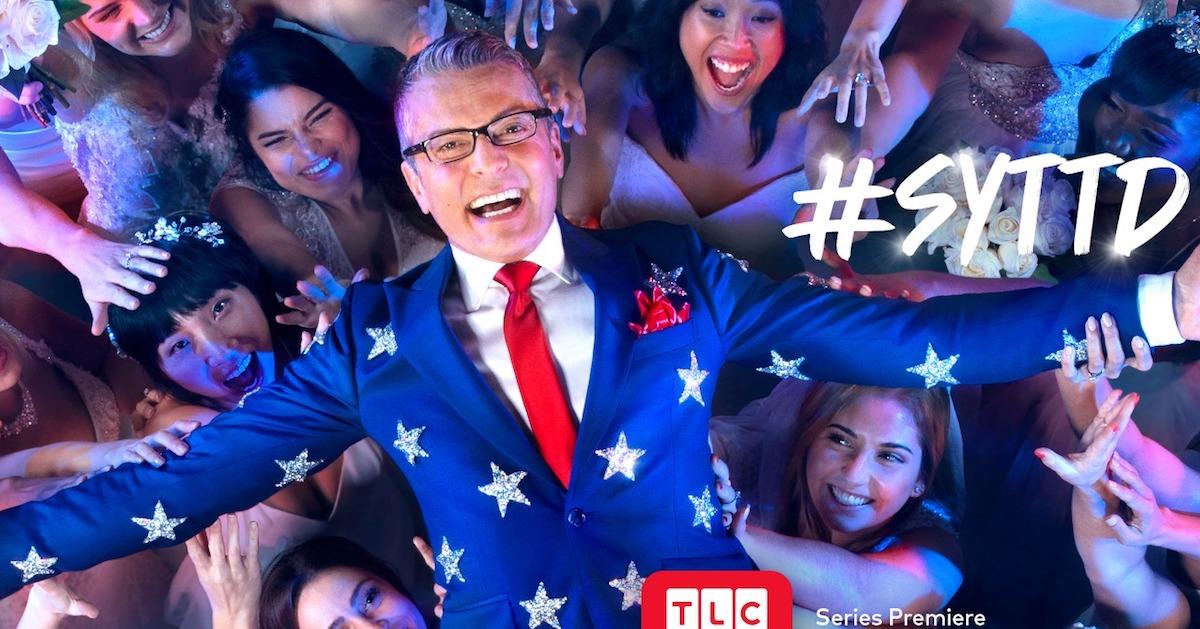
Conclusion: The Brand Never Sleeps
In conclusion, “what happened to Shay” is a story of successful brand migration. He took the raw materials provided by a global television platform and refined them into a sophisticated, luxury-oriented personal brand. By focusing on high-end positioning, diversifying his service offerings, and maintaining a professional, aspirational image, Shay Yadegari has transformed himself from a television personality into a legitimate force in the lifestyle industry.
His journey serves as a reminder that in the modern world, a job is a temporary platform, but a brand is a lifelong asset. Whether you are an entrepreneur, a corporate executive, or a creative professional, the principles of Shay’s evolution—differentiation, strategic pivoting, and vertical expansion—are the blueprints for long-term success in the competitive landscape of the 21st century. Shay didn’t just “leave” a show; he graduated into a bigger brand.
aViewFromTheCave is a participant in the Amazon Services LLC Associates Program, an affiliate advertising program designed to provide a means for sites to earn advertising fees by advertising and linking to Amazon.com. Amazon, the Amazon logo, AmazonSupply, and the AmazonSupply logo are trademarks of Amazon.com, Inc. or its affiliates. As an Amazon Associate we earn affiliate commissions from qualifying purchases.