
In the ever-accelerating centrifuge of modern culture, where digital currents dictate the ebb and flow of fame, few artists burst onto the scene with the explosive force of Sheck Wes. His 2017 anthem, “Mo Bamba,” was more than just a song; it was a cultural phenomenon, a raw, primal scream that transcended genre boundaries and permeated everything from TikTok feeds to NBA locker rooms. It was the kind of breakout hit that seemed to promise an unstoppable trajectory, solidifying Sheck Wes as a voice of a new generation. Yet, for many, the question lingers: “What happened to Sheck Wes?”

His perceived retreat from the mainstream spotlight, following such a monumental debut, offers a compelling case study into the intricate ecosystem of the contemporary music industry. It’s a narrative woven not just with artistic ambition and talent, but critically, with the threads of technological innovation, strategic brand management, and the often-unforgiving financial realities that define success in the digital age. This article delves beyond the simple question of visibility, exploring how the interplay of Tech, Brand, and Money ultimately shapes an artist’s journey in an era where virality is fleeting, and sustained relevance is the ultimate, elusive prize. We’ll examine the mechanisms behind his initial explosion, the branding challenges that follow a defining hit, and the financial tightrope walked by artists navigating an increasingly complex business landscape.
The Meteoric Rise and the Digital Landscape: A Tech-Driven Phenomenon
The story of Sheck Wes’s ascent is, in many ways, a testament to the transformative power of technology in the music industry. His breakthrough wasn’t just about a catchy beat or an energetic delivery; it was about the perfect storm of digital distribution channels, social media algorithms, and an audience primed for discovery.
“Mo Bamba” and the Algorithm’s Embrace
“Mo Bamba” didn’t just emerge; it exploded. Its genesis on SoundCloud, the digital proving ground for countless aspiring artists, laid the groundwork for its organic viral spread. But it was the subsequent leap to mainstream streaming platforms like Spotify and Apple Music, combined with its insidious infiltration of social media, that truly cemented its status. The track’s raw, almost unpolished energy resonated deeply with a generation accustomed to authenticity over manufactured sheen, making it ripe for user-generated content and meme culture.
Platforms like YouTube amplified its reach, not just through official music videos, but through countless fan-uploaded snippets, dance challenges, and reaction videos. While TikTok was still nascent during “Mo Bamba’s” initial peak, the track embodied the principles that would later define TikTok virality: a short, infectious hook, a high-energy build-up, and an easily replicable vibe. The algorithms, designed to surface engaging content and foster connections, became an unwitting co-conspirator in “Mo Bamba’s” conquest, feeding it to new listeners based on shared tastes and behaviors. This wasn’t merely promotion; it was a symbiotic relationship between artist and technology, where the music itself became a data point, perpetually circulating and generating new listeners through the network effect. The sheer speed and scale of this digital propagation demonstrated the unprecedented power technology wields in creating overnight sensations, democratizing access, and bypassing traditional gatekeepers.
Navigating the Streaming Economy: From Viral Hit to Sustainable Income
While technology offered the rocket fuel for “Mo Bamba’s” launch, it also presented significant challenges in sustaining its financial impact. The streaming economy, for all its convenience and global reach, has notoriously low per-stream royalty rates. For an artist like Sheck Wes, even a track racking up billions of streams translates into a complex equation of revenue sharing between artists, labels, publishers, and distributors. A single, albeit massive, hit provides an initial surge of income, but it rarely guarantees long-term financial stability.
Artists in the streaming era are under immense pressure to maintain a consistent output to stay relevant and maximize their earnings. The sheer volume of new music being uploaded daily means that an artist’s catalog can quickly be overshadowed if not continuously refreshed. This necessitates not only creative output but also a sophisticated understanding of digital analytics: which tracks are performing best, where the audience is located, and how to leverage data to inform future releases and touring strategies. The tech tools that track these metrics are crucial for financial planning, yet the underlying economics demand continuous engagement and a diverse portfolio of income streams beyond just streaming royalties. Without a steady stream of new content, or substantial touring and endorsement deals, even a mega-hit can see its financial wellspring gradually diminish, highlighting the inherent tension between technological reach and sustainable artistic livelihood.
Tech as a Double-Edged Sword: Saturation and Audience Churn
The very technologies that enabled Sheck Wes’s meteoric rise also contribute to the fleeting nature of modern fame. The ease of digital distribution means the market is oversaturated with content. Millions of tracks are uploaded to streaming services every month, creating an unprecedented level of competition for listener attention. For an artist who has had a defining single, the challenge intensifies: how do you follow up a phenomenon without simply trying to replicate it?
The algorithms that propelled “Mo Bamba” also ceaselessly push new content, leading to rapid audience churn. Listeners are constantly presented with novelties, making long-term loyalty harder to cultivate. This environment places immense pressure on artists to not only create compelling music but also to continuously engage with their audience through social media, live streams, and other digital interactions. Productivity suites, AI-driven marketing tools, and sophisticated content management systems become essential for artists and their teams to stay ahead. However, even with these tools, the relentless pace can lead to burnout or a feeling of being trapped in a content-creation cycle. Technology, in this sense, is a double-edged sword: it offers unparalleled opportunities for discovery, but also creates a landscape of perpetual competition and ephemeral attention spans, making sustained relevance a far more complex endeavor than simply having a hit song.
Crafting and Maintaining the Artist Brand: Beyond the Viral Moment
In the digital age, an artist’s brand is as crucial as their music. It encompasses their persona, their values, their visual identity, and the story they tell the world. For Sheck Wes, the power of “Mo Bamba” created an immediate, potent brand, but also posed significant challenges for long-term strategic development.
The “Sheck Wes” Persona: Raw Energy and Authentic Appeal
Sheck Wes’s initial brand was deeply intertwined with the raw, untamed energy of “Mo Bamba.” His persona was that of a charismatic, somewhat chaotic figure, hailing from Harlem with an authentic, unpolished edge. This resonated powerfully with an audience that often tires of manufactured pop stars. His backstory, combining aspirations in music and basketball, added layers to his identity, painting him as a multi-talented individual driven by passion. This organic, seemingly effortless cool became a significant part of his appeal.
His visual aesthetic, often gritty and street-inspired, reinforced this brand. Every social media post, every interview, every public appearance contributed to building this image of an artist who was true to himself. For a brief period, he was an embodiment of youthful rebellion and unrestrained ambition. This potent, well-defined (if somewhat spontaneously formed) brand made him instantly recognizable and distinguished him from his peers. It allowed “Mo Bamba” to feel like more than just a song; it felt like a statement from a distinctive personality. The power of a strong personal brand in the music industry cannot be overstated; it creates an emotional connection with fans that transcends individual tracks, fostering loyalty and a desire to follow the artist’s journey.
Beyond the Hit: The Challenge of Brand Longevity
The immense success of “Mo Bamba” inadvertently created a significant branding challenge for Sheck Wes: how do you evolve an artist’s brand when it’s so inextricably linked to one colossal hit? Many “one-hit wonders” struggle precisely because their brand becomes synonymous with a single piece of work, making it difficult for audiences to accept or embrace new facets of their artistry. For Sheck Wes, the expectation was not just to release new music, but to release another “Mo Bamba.”
Achieving brand longevity requires consistent strategic effort. It involves diversifying the artistic output, experimenting with new sounds, and showing different dimensions of the artist’s personality and creative vision. It means actively engaging in personal branding strategies that extend beyond just music: fashion collaborations, digital content series, ventures outside of traditional music. Artists must manage their online presence meticulously, curate their narrative across social media platforms, and use tools like CRM software to understand and segment their audience. Without this deliberate evolution, the artist risks being pigeonholed or, worse, becoming a nostalgic footnote rather than a dynamic, ongoing force. The pressure to innovate and demonstrate versatility, while still staying true to the core identity that resonated with fans, is a delicate balancing act that defines true brand longevity in the modern music landscape.
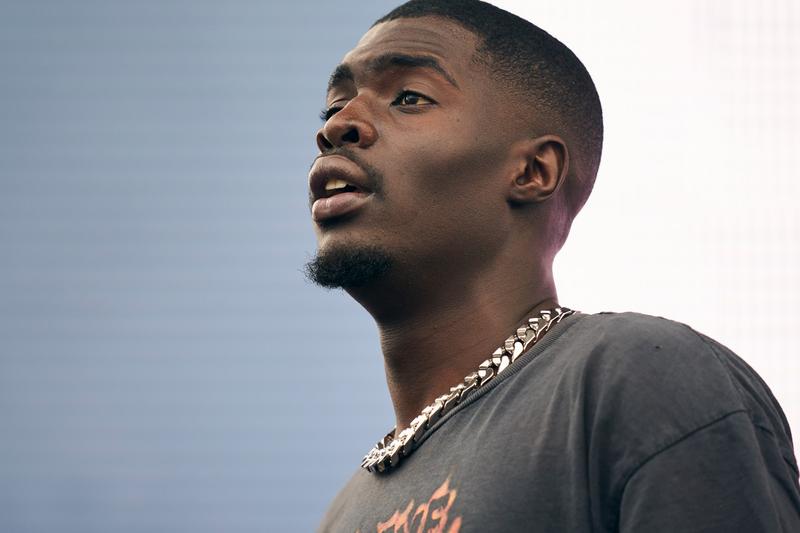
Reputation, Public Image, and the Digital Microscope
In the highly scrutinized digital age, an artist’s brand is not merely built on their creative output or persona; it is also profoundly shaped by their public image and reputation. Any controversy, misstep, or allegation, regardless of its veracity, can be amplified instantly across social media, impacting an artist’s standing and commercial viability. For Sheck Wes, like many artists in the public eye, his career trajectory encountered challenges related to his reputation.
Allegations or controversies can quickly overshadow musical achievements, leading to a loss of endorsements, cancelled performances, or a general cooling of public enthusiasm. The instantaneity of information dissemination on platforms like Twitter means that an artist’s personal life and perceived moral compass are put under an intense digital microscope. Tools for digital security and online reputation management become vital, but ultimately, the burden rests on the artist to navigate these turbulent waters with integrity and transparency. The power of a personal brand, while capable of catapulting an artist to fame, is equally fragile and vulnerable to damage in a world where public perception, fueled by digital chatter, can solidify or shatter careers. Maintaining a clean public image, or at least skillfully addressing challenges, is now an undeniable component of sustained brand success, directly impacting everything from fan engagement to corporate partnerships and overall career longevity.
The Business of Music: Financial Realities and Strategic Choices
Behind every hit song and captivating persona lies the complex machinery of the music business. For artists, especially those who experience rapid, early success, understanding the financial implications and making shrewd strategic choices is paramount to translating fleeting fame into enduring wealth.
From Viral Sensation to Sustainable Income: Beyond Royalties
The journey from a viral sensation to an artist with a sustainable income stream is not straightforward. While “Mo Bamba” undoubtedly generated significant streaming revenue, relying solely on royalties from a single track, even a massive one, is insufficient for long-term financial stability. The music industry is a multifaceted ecosystem, and smart artists learn to diversify their income streams.
Touring is often the most lucrative avenue for established artists, providing direct revenue from ticket sales, merchandise, and performance fees. Endorsement deals with brands, leveraging the artist’s cultural influence, can also be incredibly profitable. Beyond traditional music avenues, artists might explore acting, fashion lines, entrepreneurial ventures, or even investing in other businesses. For Sheck Wes, his continued association with basketball, culminating in professional play, illustrates one such diversification, not only providing an alternative income stream but also reinforcing his unique brand. Building a sustainable career means transitioning from simply being a musician to becoming a savvy entrepreneur, understanding financial contracts, negotiating deals, and strategically planning for future revenue generation beyond the initial buzz of a hit.
The Entrepreneurial Artist: Diversifying Revenue Streams
The modern artist must increasingly adopt an entrepreneurial mindset. The days of simply signing to a major label and letting them handle everything are long gone, especially for those seeking control over their finances and artistic direction. This means taking an active role in managing their own business, or at least having a strong team that understands the nuances of diverse revenue streams.
This involves mastering personal finance basics, from budgeting and tax planning to understanding publishing splits and intellectual property rights. It extends to actively seeking out and evaluating investment opportunities, perhaps in real estate, tech startups, or even developing their own media companies. Digital tools are invaluable here: financial planning apps, business analytics dashboards, and legal software can help artists and their teams manage their complex financial portfolios. For artists like Sheck Wes, who burst onto the scene with a unique cultural footprint, the potential for brand extensions into areas like fashion, gaming, or even venture capital is immense. The key is to see oneself not just as a creator of music, but as the CEO of a personal brand and business entity, strategically building a financial empire that outlasts the lifecycle of any single hit song.
The Perils of Early Success and Financial Management
While early success seems like a dream come true, it often comes with significant financial perils if not managed wisely. A sudden influx of wealth can lead to poor financial decisions, overspending, or succumbing to exploitative contracts. Many young artists, unprepared for the complexities of managing substantial income, find themselves in precarious financial situations years after their moment in the sun.
This underscores the critical importance of financial literacy for artists. Understanding contracts with labels, publishers, and management teams is crucial to ensure equitable profit sharing. Working with trusted financial advisors, accountants, and legal counsel is not a luxury but a necessity. Investing wisely, saving for the future, and understanding the tax implications of various income streams are fundamental for converting temporary fame into lasting financial security. For artists like Sheck Wes, whose breakout was so sudden and immense, the temptation to live large or make quick decisions might be strong. The artists who truly “make it” in the long run are often those who not only create compelling art but also master the intricate, often overlooked, world of business finance, ensuring that their artistic achievements translate into a stable and prosperous future.
The Evolving Landscape and Future Trajectories: Redefining Success
The narrative of “what happened to Sheck Wes” is not unique; it’s a recurring theme in the fast-paced, digital-first music industry. His story, however, offers valuable insights into the shifting metrics of success and the dynamic evolution of an artist’s career in the 21st century.
AI, Automation, and the Future of Music Creation and Marketing
The music industry is on the cusp of another technological revolution with the rise of artificial intelligence and automation. From AI-powered music composition tools that generate beats and melodies to sophisticated algorithms that personalize music discovery for listeners, technology continues to reshape how music is made, distributed, and consumed. For artists like Sheck Wes, future relevance might hinge on their ability to integrate these tools into their creative process or marketing strategies.
AI-driven analytics can offer deeper insights into fan engagement, helping artists tailor their marketing campaigns, identify emerging trends, and even predict potential hit sounds. Automated content generation for social media can free up time for creative endeavors. However, this also presents new challenges, including questions of originality, intellectual property, and the potential for a highly saturated market where AI-generated content competes with human artistry. Artists will need to understand how to leverage these tools to enhance their output and reach without losing their authentic voice, making technological adaptability an even greater determinant of success.

The Redefinition of “Success”: Beyond Mainstream Visibility
Perhaps the most crucial takeaway from Sheck Wes’s journey is the evolving definition of “success” in the modern music industry. While “Mo Bamba” achieved a level of mainstream penetration that most artists only dream of, the absence of an equally ubiquitous follow-up doesn’t necessarily equate to failure. In the digital age, success can be measured in myriad ways beyond just chart-topping singles and constant radio play.
A sustainable career might involve cultivating a dedicated niche audience through platforms like Patreon, building a strong community around a unique sound, or diversifying into other creative fields like fashion, film scoring, or even tech ventures. Artists can thrive by generating consistent income through independent releases, strategic touring, and direct fan engagement, even if they never achieve another “Mo Bamba”-level hit. The power of technology allows artists to bypass traditional gatekeepers and build direct relationships with their fans, fostering loyalty that translates into long-term financial viability. For Sheck Wes, his continued presence in music (releasing projects, featuring on tracks) and his professional basketball career suggest a multi-faceted approach to his career, one that prioritizes personal fulfillment and diverse pursuits over the relentless pursuit of mainstream ubiquity. The story of Sheck Wes, therefore, is not necessarily one of disappearance, but perhaps one of intelligent adaptation, strategic diversification, and a personal redefinition of what a successful artistic life truly entails in a perpetually shifting digital landscape.
In conclusion, “What happened to Sheck Wes?” is a question that invites a deeper look into the intricate forces that govern modern artistry. His initial meteoric rise was a vivid illustration of technology’s power to create viral sensations. However, sustaining that momentum required navigating the complex interplay of building a resilient brand beyond a single hit, mastering the challenging financial realities of the streaming era, and adapting to an ever-evolving digital landscape. His trajectory, like many artists, serves as a powerful reminder that in the 21st century, success in music is less about a single moment of triumph and more about the ongoing strategic management of one’s art, brand, and finances in a world reshaped by technology. The digital stage is unforgiving, but for those who understand its dynamics, it also offers boundless opportunities for reinvention and redefined success.
aViewFromTheCave is a participant in the Amazon Services LLC Associates Program, an affiliate advertising program designed to provide a means for sites to earn advertising fees by advertising and linking to Amazon.com. Amazon, the Amazon logo, AmazonSupply, and the AmazonSupply logo are trademarks of Amazon.com, Inc. or its affiliates. As an Amazon Associate we earn affiliate commissions from qualifying purchases.