
The story of Scott Stapp, the iconic frontman of the multi-platinum rock band Creed, is more than just a tale of rock ‘n’ roll excess and redemption. It’s a compelling case study that transcends the music industry, offering profound insights into the intricate interplay of personal branding, financial management, and the pervasive influence of technology in shaping a public figure’s journey. From electrifying stadiums with anthems like “With Arms Wide Open” to facing public financial ruin and battling mental health crises, Stapp’s narrative is a microcosm of the challenges inherent in navigating fame in the 21st century.
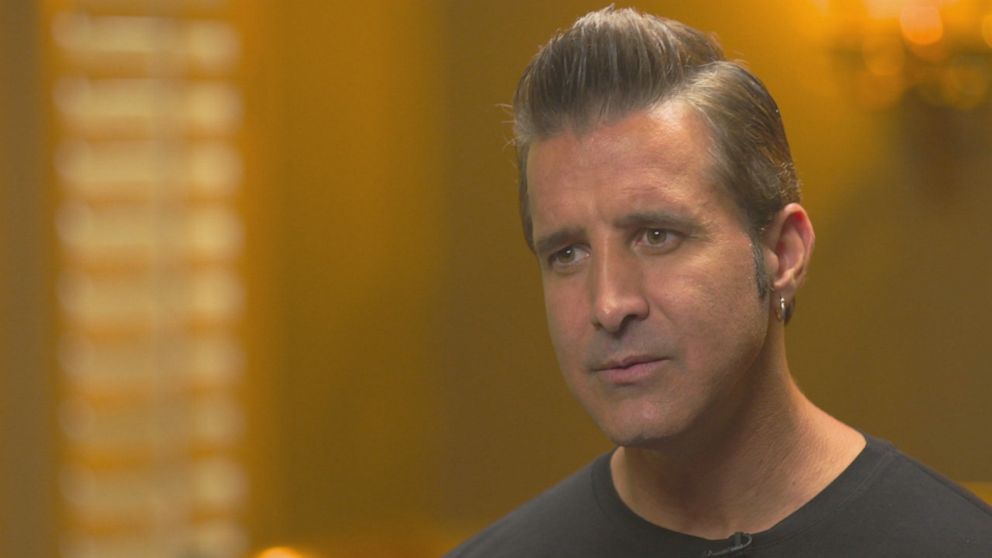
This article delves into the trajectory of Scott Stapp’s career and personal life, examining the “what happened” through the critical lenses of modern technology trends, brand strategy, and personal finance. His journey provides invaluable lessons for anyone building a personal brand, managing wealth, or attempting to pivot and rebuild in the unforgiving glare of the public eye. It highlights how digital footprints, reputation management in an always-on world, and astute financial planning are not just business buzzwords but essential survival tools for both celebrities and entrepreneurs alike.
The Rise and Fall: A Brand Under Pressure
The early 2000s saw Creed dominate the airwaves, selling millions of albums and cementing their place as one of the biggest rock bands in the world. At the epicenter was Scott Stapp, whose distinctive voice and charismatic stage presence made him a household name. However, as quickly as the fame ascended, the challenges mounted, leading to a public decline that would test the very foundations of his personal and professional brand.
From Arena Rock Star to Public Scrutiny: The Erosion of a Personal Brand
The brand of Scott Stapp, initially synonymous with powerful vocals, earnest lyrics, and a rock star persona, was built on a foundation of massive commercial success. Creed’s albums like “Human Clay” and “Weathered” sold in the tens of millions, creating a global phenomenon. Yet, the intense pressure that accompanied such meteoric rise often sows the seeds of its own destruction. For Stapp, the weight of expectation, the relentless touring schedule, and the inherent isolation of fame began to take their toll, leading to public incidents that slowly chipped away at his carefully constructed image.
In an era predating the omnipresence of social media but already deeply entrenched in a 24/7 news cycle, every perceived misstep, every canceled show, and every rumor became fodder for media outlets. The image of the earnest rock star began to fray, replaced by narratives that hinted at instability and unreliability. This was a critical lesson in personal branding: the market doesn’t just buy your product (your music); it buys into your story, your persona, and your perceived reliability. When that trust begins to erode, even the most successful brands face significant uphill battles. Stapp’s experience demonstrated that without robust internal support systems and a strong personal foundation, the external pressures of maintaining a global brand can be overwhelming, leading to a public unravelling that is difficult to reverse.
The Digital Echo Chamber: When Reputation Goes Viral
While Scott Stapp’s peak fame preceded the full explosion of platforms like Twitter and Instagram, his subsequent struggles occurred amidst the rise of nascent digital media and online forums, which served as powerful precursors to today’s hyper-connected landscape. News of his increasingly erratic behavior, reports of substance abuse, and highly publicized legal troubles didn’t just appear in newspapers; they proliferated across early music blogs, fan sites, and fledgling online news aggregators, creating an indelible digital footprint. This digital echo chamber ensured that every new revelation, sometimes without full context, was amplified and archived, making it incredibly difficult for Stapp to control his narrative.
This period highlights a crucial aspect of modern reputation management: the permanence and accessibility of digital information. Unlike print media that fades over time, online content persists, resurfacing with every search engine query. For public figures like Stapp, this means past controversies, missteps, and vulnerabilities remain perpetually accessible, influencing public perception long after events have transpired. His story serves as a potent reminder for any individual or brand about the importance of proactive digital security and a comprehensive strategy for managing one’s online presence. In today’s landscape, where a single viral moment can define or destroy a career, understanding how to monitor, respond to, and strategically influence one’s digital narrative is paramount. Stapp’s journey demonstrates the profound challenges when that control is lost, and external narratives dominate.
Navigating the Financial Abyss: Lessons in Wealth Management and Recovery
For someone who stood at the helm of a band that sold over 50 million albums worldwide, the public revelation of Scott Stapp’s dire financial situation in 2014 came as a shock to many. His personal finance struggles, marked by claims of being “penniless” and public pleas for assistance, provided a stark cautionary tale about the perils of sudden wealth and the critical need for sound financial planning, even for those at the pinnacle of their careers.
The Perils of Sudden Wealth: A Cautionary Tale in Personal Finance
The music industry, renowned for its cyclical nature of feast or famine, often sees artists achieve immense wealth quickly, only to face significant financial instability down the line. Scott Stapp’s public declaration of being “penniless” and homeless, despite Creed’s multi-platinum success, underscored a complex interplay of factors common to many high-earners. While the exact details of his financial decline are complex and involve personal circumstances like substance abuse and mental health issues, which often incur substantial medical and legal costs, the general principles remain universally applicable.

Sudden wealth, if not managed prudently, can lead to lavish lifestyles, poor investment choices, and a lack of understanding about long-term financial planning. Many artists, swept up in the demands of their careers, delegate financial management without sufficient oversight or education, making them vulnerable to mismanagement or exploitation. Stapp’s situation highlights the crucial need for robust financial literacy, even for those with professional advisors. It emphasizes the importance of budgeting, building emergency funds, diversifying investments beyond income from a single, volatile source (like touring or album sales), and maintaining a clear understanding of personal assets and liabilities. His story serves as a powerful reminder that income does not equate to wealth, and without diligent management, even multi-million-dollar earnings can quickly evaporate, leaving individuals in precarious situations.
Rebuilding the Financial Foundation: Leveraging Modern Tools and Strategies
In the wake of his financial difficulties, Stapp’s journey towards recovery, both personal and financial, offers insights into how modern financial tools and strategies can aid in rebuilding. For artists and individuals facing financial setbacks today, the landscape of personal finance is vastly different from two decades ago. The emphasis has shifted from solely relying on traditional institutions to empowering individuals with accessible technology and diverse income streams.
Modern financial tools, such as sophisticated budgeting apps (e.g., Mint, YNAB), automated investment platforms (robo-advisors like Betterment or Acorns), and transparent expense tracking software, can provide a clear picture of an individual’s financial health, enabling better decision-making. For artists like Stapp, rebuilding means not just managing existing assets but also diversifying income. This could involve leveraging digital platforms for direct-to-fan sales, merchandise, online content creation (e.g., Patreon, YouTube), or even exploring “side hustles” that capitalize on their creative skills or personal brand beyond traditional music sales. The streaming economy, while challenging for per-stream payouts, also offers new avenues for consistent, albeit smaller, royalty streams and opportunities for direct engagement with fans who are willing to support artists through subscriptions or exclusive content. Stapp’s continued touring and new music releases demonstrate an adaptation to these evolving income models, underscoring the necessity for resilience and innovation in financial planning within the entertainment industry and beyond.
The Comeback: Reinvention in the Digital Age
Scott Stapp’s return to the public eye and music scene is a testament to resilience and the enduring power of a story told with authenticity. His journey back from the brink offers valuable lessons in modern personal branding, leveraging technology for connection, and the vital role of sustained well-being in maintaining a long-term career.
Resurrecting the Brand: Authenticity, Technology, and Fan Engagement
The modern comeback story is fundamentally different from those of previous eras, largely due to the pervasive influence of technology and a cultural shift towards valuing authenticity. For Scott Stapp, his return has been marked by a raw honesty about his past struggles with mental health and addiction. This vulnerability, paradoxically, has been key to reconnecting with his audience. In an age saturated with curated perfection, an authentic narrative – especially one of struggle and recovery – can resonate deeply, fostering a more profound connection with fans.
Technology has been instrumental in this brand resurrection. Instead of relying solely on traditional media filters, Stapp has utilized social media platforms to communicate directly with his fanbase. He shares updates on his music, tour dates, and personal reflections, creating a sense of intimacy and accessibility. This direct-to-fan engagement model allows him to control his narrative, share his truth, and bypass potentially sensationalized media portrayals. Furthermore, the evolving landscape of music production and distribution, supported by new tech tools, allows artists to create and release music more independently. Digital marketing campaigns, targeted advertising, and data analytics now inform promotional strategies, enabling Stapp to reach his core audience more effectively. His ability to adapt to these tech-driven engagement and marketing strategies is crucial for any artist or public figure aiming to rebuild and sustain their brand in today’s digital ecosystem.
Tech-Driven Wellness and Productivity: Supporting Sustainable Success
Beyond brand and finance, Scott Stapp’s ongoing journey highlights the critical link between personal well-being and sustainable professional success, particularly in high-pressure fields. In the modern era, technology offers unprecedented support systems for mental health and productivity – tools that could potentially aid in sustaining a demanding career trajectory. Mental health apps, online therapy platforms, mindfulness and meditation guides, and digital journaling tools provide discreet and accessible resources for managing stress, anxiety, and other challenges. For public figures, such tools offer a layer of privacy and immediate support that was unavailable in previous decades.
Furthermore, productivity apps and digital organization tools can help artists manage complex schedules, collaborate on projects remotely, and maintain a sense of order amidst chaotic demands. From project management software to smart calendars and communication platforms, these technologies can streamline the operational aspects of a career, freeing up mental space for creative work and personal recovery. While the specific tools Stapp uses are personal, the general principle holds: leveraging technology for personal wellness and organizational efficiency is no longer a luxury but a necessity for long-term career health. It empowers individuals to build robust support structures around themselves, facilitating not just a comeback, but a sustainable path forward, demonstrating that true reinvention often requires a holistic approach that integrates personal well-being with professional ambition.

Conclusion
Scott Stapp’s compelling narrative – from the dizzying heights of rock stardom to public struggles with mental health and financial adversity, and ultimately, to a path of recovery and reinvention – offers a rich tapestry of lessons applicable far beyond the entertainment industry. His journey serves as a powerful case study for understanding the dynamic interplay between personal branding, astute financial management, and the inescapable influence of technology in shaping modern careers and public personas.
His story underscores the fragility of a brand built solely on success, emphasizing the critical importance of authenticity and resilience in an era where every action leaves an indelible digital footprint. It is a cautionary tale in personal finance, reminding us that immense wealth, if not managed with foresight and diligence, can quickly dissipate. Finally, Stapp’s ongoing comeback exemplifies how embracing vulnerability, leveraging digital platforms for direct fan engagement, and utilizing technology for both creative output and personal well-being are essential ingredients for a sustainable return to prominence.
For entrepreneurs, artists, and any individual navigating the complexities of building and maintaining a public presence, Scott Stapp’s saga offers invaluable insights: proactively manage your brand in the digital age, secure your financial future through informed decision-making, and harness technology not just for growth, but also for personal resilience. His story is a testament to the enduring human spirit and a contemporary guide to navigating success, failure, and the challenging yet rewarding journey of reinvention.
aViewFromTheCave is a participant in the Amazon Services LLC Associates Program, an affiliate advertising program designed to provide a means for sites to earn advertising fees by advertising and linking to Amazon.com. Amazon, the Amazon logo, AmazonSupply, and the AmazonSupply logo are trademarks of Amazon.com, Inc. or its affiliates. As an Amazon Associate we earn affiliate commissions from qualifying purchases.