
The story of Oldsmobile is more than just a footnote in automotive history; it is a seminal case study in brand strategy, market positioning, and the perils of corporate identity mismanagement. At its peak, Oldsmobile was a powerhouse of American industrialism, bridging the gap between the everyman’s Chevrolet and the elite’s Cadillac. Yet, in 2004, after 107 years of operation, General Motors (GM) shuttered the division.
To understand what happened to Oldsmobile, one must look past the mechanical failures or economic downturns and examine the psychological collapse of a brand that lost its “Why.” This article explores the strategic lifecycle of Oldsmobile through the lens of brand management, analyzing how one of the world’s most recognizable names eventually became a relic of its own success.
The Pioneer Spirit: Building the Foundation of an American Icon
Before Ford became a household name for the moving assembly line, Ransom E. Olds was redefining how the world moved. Founded in 1897, Oldsmobile was the first high-volume gasoline-powered automobile manufacturer. From the beginning, the brand represented a unique blend of innovation and accessibility.
Ransom E. Olds and the First Mass-Produced Car
The Curved Dash Oldsmobile, introduced in 1901, was the first mass-produced automobile. While Henry Ford is often credited with the assembly line, Olds utilized a stationary assembly process that allowed for unprecedented scale. From a branding perspective, this gave Oldsmobile the “First Mover Advantage.” The brand was synonymous with the very concept of the “Motor Age.” It wasn’t just a car; it was the realization of modern mobility. This early prestige established a deep well of brand equity that would sustain the company for decades.
Defining the “Middle Management” Luxury Niche
As General Motors grew under the leadership of Alfred P. Sloan, a clear “ladder of success” was established for consumers. In this hierarchy, Oldsmobile was positioned as the “technology and style” brand. It was situated above the budget-friendly Chevrolet and the sporty Pontiac, but below the conservative luxury of Buick and the pinnacle of Cadillac.
This was a masterful piece of market segmentation. Oldsmobile was the brand for the rising middle-class professional—the manager who had earned a promotion but wasn’t yet ready for the ostentation of a Cadillac. By owning this specific psychological space, Oldsmobile created a loyal customer base that felt they were buying into a narrative of steady, respectable progress.
The Golden Era: When Oldsmobile Defined the American Suburb
During the post-war boom of the 1950s through the early 1980s, Oldsmobile didn’t just sell cars; it sold an aspirational lifestyle. The brand’s identity was tied to power, comfort, and a sense of forward-looking optimism.
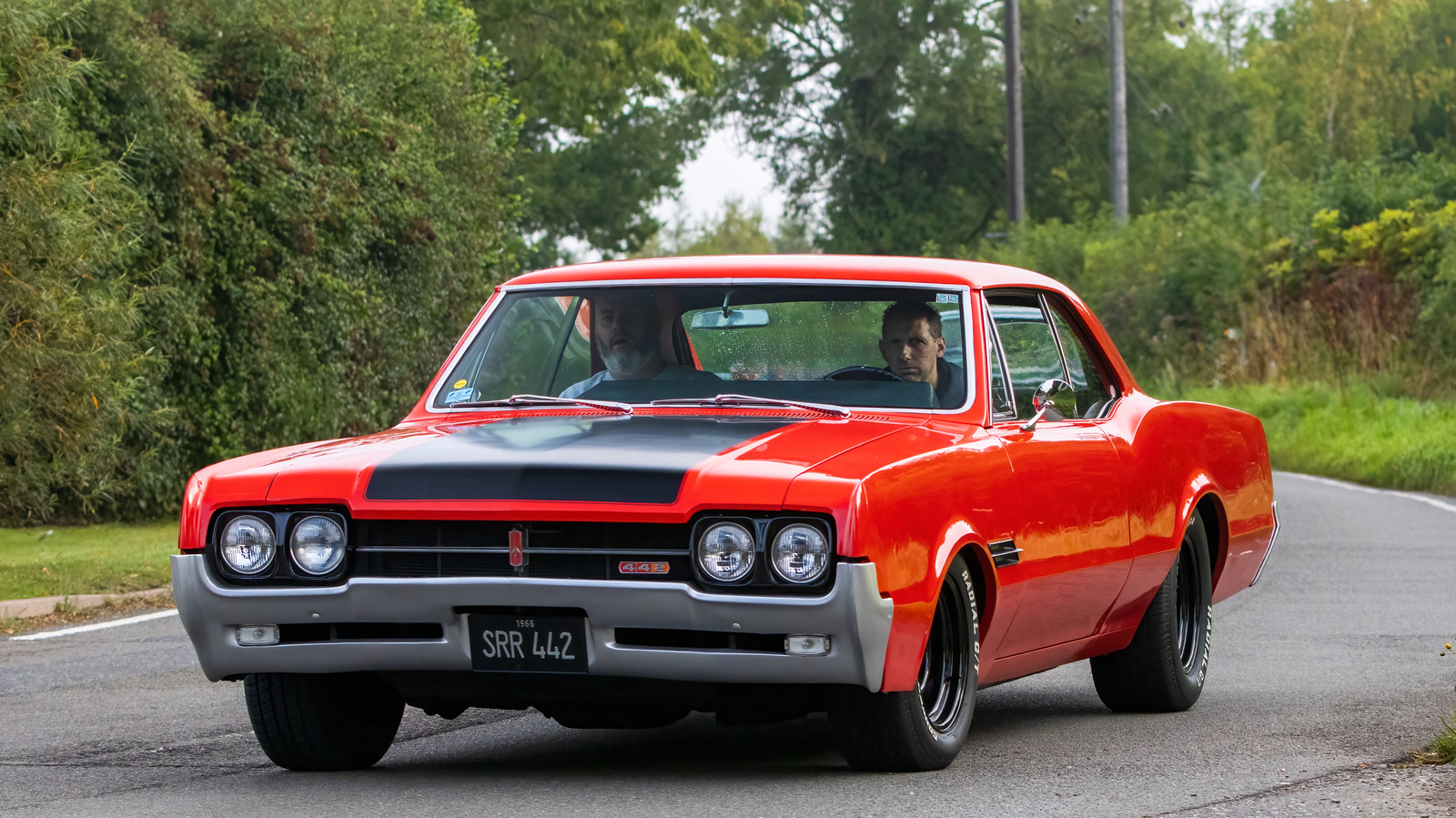
The Rocket 88 and the Birth of the Muscle Car Era
In 1949, Oldsmobile introduced the “Rocket” V8 engine. This was a pivotal moment in brand storytelling. By naming the engine the “Rocket,” Oldsmobile tapped into the zeitgeist of the Space Age. The Rocket 88 became a cultural phenomenon, often cited as the first “muscle car.” It successfully married the brand’s reputation for reliability with a new, exciting performance edge. This dual-threat identity—being both dependable and fast—made Oldsmobile the envy of the industry.
The Cutlass Phenomenon: Dominating the 1970s and 80s
By the mid-1970s and early 80s, Oldsmobile reached its zenith. The Oldsmobile Cutlass became the best-selling car in America. The brand was moving over one million units annually. At this stage, Oldsmobile’s brand equity was so strong that the name itself carried a guarantee of resale value and social standing. However, this massive success hid a burgeoning problem: the brand was becoming a victim of its own ubiquity. When everyone owns an Oldsmobile, the brand loses its “exclusive” aspirational luster.
The Identity Crisis: When Your Target Audience Ages Out
The decline of Oldsmobile is often attributed to a single, disastrous marketing decision, but the roots were much deeper. As the 1980s progressed, the brand struggled to reconcile its legacy with a changing demographic landscape.
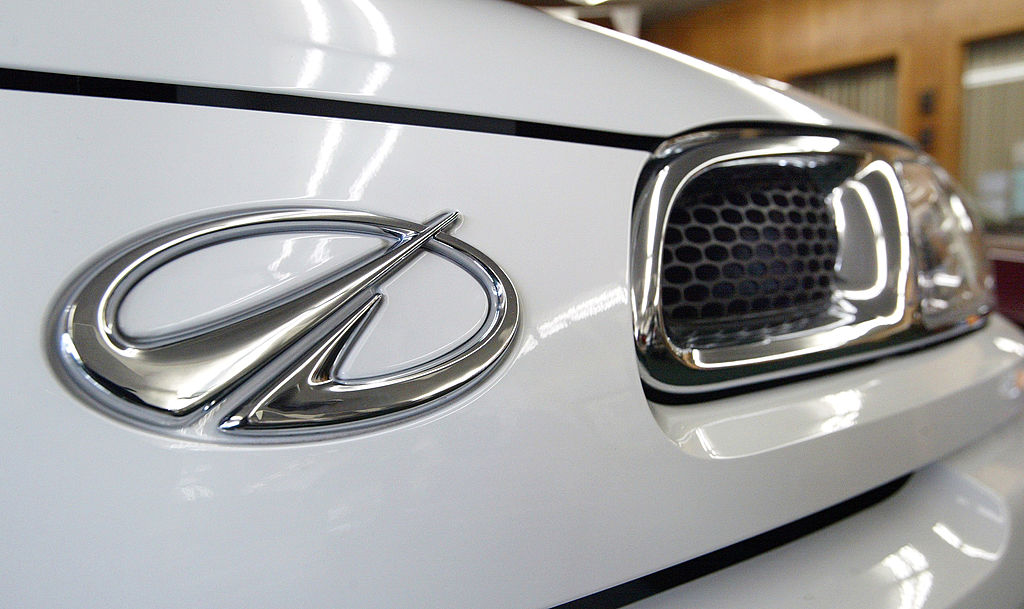
The Fatal Flaw of “Your Father’s Oldsmobile”
In 1988, in a desperate attempt to capture the younger Baby Boomer and Gen X markets, Oldsmobile launched the infamous ad campaign: “This is not your father’s Oldsmobile.”
From a brand strategy perspective, this was a textbook failure. It broke the first rule of marketing: Never alienate your core customer to chase a customer who doesn’t want you. The campaign effectively told their loyal, older customer base that they were “uncool,” while simultaneously reminding younger buyers that the brand was, in fact, associated with an older generation. By highlighting the “old” in Oldsmobile, they reinforced the very stereotype they were trying to break.
Brand Dilution and the General Motors “Badge Engineering” Trap
While marketing was failing, the product itself was losing its DNA. In an effort to cut costs, General Motors began “badge engineering”—producing nearly identical cars across its different brands. An Oldsmobile became essentially a Chevrolet with different trim and a higher price tag.
When the product loses its unique value proposition, the brand becomes a hollow shell. If a consumer can get the same engine, chassis, and technology in a cheaper Chevy, the “Oldsmobile” brand name no longer commands a premium. The “technology” niche that Oldsmobile once owned was absorbed into the corporate GM collective, leaving the brand without a purpose.
The Final Lap: Strategic Failure and the Decision to Sunset
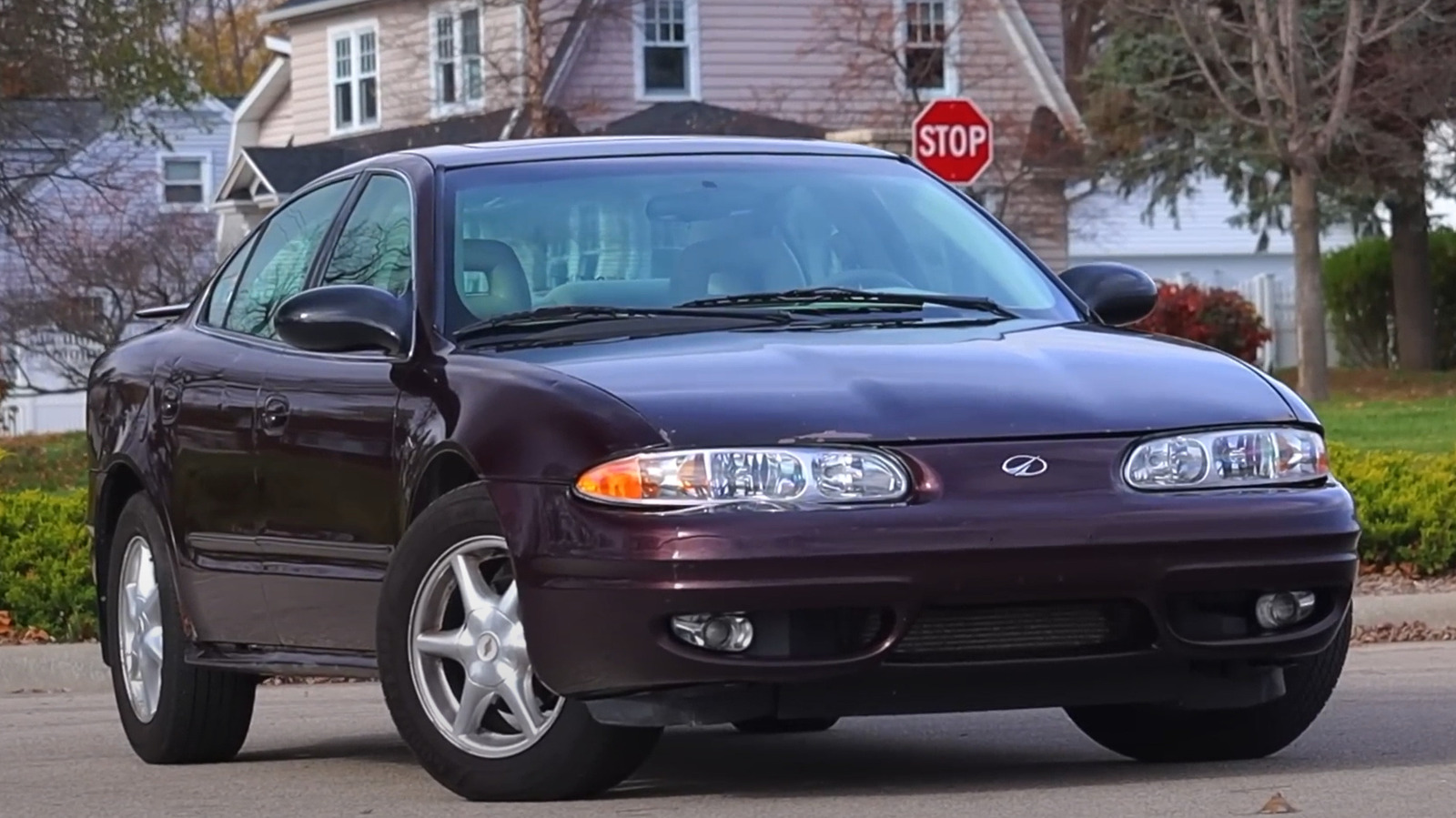
By the late 1990s, the writing was on the wall. Despite attempts to modernize with sleek models like the Aurora and the Alero, the internal and external pressures on the brand were insurmountable.
Market Saturation and Internal Cannibalization
In the modern era of the 1990s, GM found itself competing against itself. With Buick, Pontiac, Saturn, and Chevrolet all fighting for the same mid-market buyers, Oldsmobile became redundant. Furthermore, Japanese luxury brands like Lexus, Acura, and Infiniti entered the market, offering the “technology and reliability” narrative that Oldsmobile had abandoned. Oldsmobile was squeezed from the bottom by its siblings and from the top by superior foreign competitors.
The 2004 Shutdown: A Warning for Modern Brand Managers
In December 2000, GM announced that it would phase out the Oldsmobile brand. The decision was purely financial but driven by decades of strategic drift. The final Oldsmobile rolled off the assembly line in 2004.
The death of Oldsmobile serves as a warning for modern corporate entities: A brand is a promise. Once you break that promise—either through poor product differentiation or confused messaging—the path to recovery is nearly impossible. GM realized that it was cheaper to kill the brand than to spend the billions required to reinvent its identity for a 21st-century audience.
Lessons in Brand Longevity: Why Innovation Requires More Than a New Logo
The legacy of Oldsmobile offers several vital lessons for today’s brand strategists and corporate leaders. Building a brand that lasts over a century requires more than just high sales; it requires a disciplined adherence to a core identity.
The Importance of Evolving with the Consumer
The mistake Oldsmobile made wasn’t that they had an “older” demographic; it’s that they didn’t evolve with their demographic while successfully seeding the next one. Brands like BMW or Porsche have successfully aged with their buyers while maintaining an aspirational pull for younger generations through consistent performance and design language. Oldsmobile, conversely, became static, relying on 1970s glory long after the market had moved on to SUVs and high-tech imports.
Managing a Legacy Without Becoming a Relic
To survive, a legacy brand must find a way to honor its history without being shackled by it. Oldsmobile’s “Rocket” era was about being the future. If they had stayed true to the “Technology Brand” identity, they might have become the division that led GM into the hybrid or electric era. Instead, they allowed their identity to become synonymous with “comfortable sedans for retirees.”
In the end, Oldsmobile didn’t fail because people stopped wanting cars. It failed because the “Oldsmobile” name stopped meaning something distinct in the minds of the public. In the world of brand strategy, the only thing worse than being hated is being irrelevant. Oldsmobile became irrelevant, and in a competitive market, irrelevance is a death sentence.
aViewFromTheCave is a participant in the Amazon Services LLC Associates Program, an affiliate advertising program designed to provide a means for sites to earn advertising fees by advertising and linking to Amazon.com. Amazon, the Amazon logo, AmazonSupply, and the AmazonSupply logo are trademarks of Amazon.com, Inc. or its affiliates. As an Amazon Associate we earn affiliate commissions from qualifying purchases.