
In the modern landscape of sports marketing, few athletes have navigated the transition from digital phenomenon to professional mainstay as strategically as Matthew Boling. When a 18-year-old sprinter from Strake Jesuit College Prep in Houston clocked a wind-aided 9.98-second 100-meter dash in 2019, he didn’t just break a record; he launched a global brand. The question “What happened to Matthew Boling?” is often asked by casual observers who remember the viral clips but haven’t followed the intricate brand evolution that has occurred behind the scenes.
The story of Matthew Boling is no longer just about raw speed; it is a case study in personal brand management, the strategic use of Name, Image, and Likeness (NIL) opportunities, and the pivot from a “viral curiosity” to a disciplined professional corporate partner.

The Viral Genesis: Building a Brand Before the NIL Era
The “Matthew Boling” brand was forged in the heat of social media virality. At a time when track and field was searching for its next superstar in the post-Usain Bolt era, Boling’s explosive performance provided the perfect content for the digital age. However, a brand built solely on a single moment of virality is often unsustainable.
The “White Lightning” Moniker and Identity Ownership
Every successful brand needs a hook, and for Boling, it was the nickname “White Lightning.” While nicknames in sports are common, this specific moniker carried significant weight. It highlighted his unique position in a sport where sub-10-second sprinters of his demographic are rare. From a brand strategy perspective, this was a “Blue Ocean” strategy—occupying a space in the market where there was little direct competition for attention. Boling and his team handled this early fame with a level of stoicism that prevented the brand from becoming a “one-hit-wonder” meme, instead positioning him as a serious contender with a high ceiling.
Leveraging Social Media for Early Visibility
Long before he could legally profit from his likeness, Boling’s digital footprint was expanding. His Instagram and Twitter (now X) accounts became hubs for track enthusiasts. The brand strategy here was “organic reach.” By consistently performing at a high level in high school, he wasn’t just a sprinter; he was a content creator whose medium was the 400-meter relay and the long jump. This early visibility created a “brand equity” that would become incredibly lucrative once he reached the collegiate level.
Navigating the Collegiate Transition: Brand Sustainability at Georgia
When Boling enrolled at the University of Georgia, his personal brand faced its first major test: the transition from the “big fish in a small pond” of high school athletics to the grueling, high-visibility world of the SEC. This period coincided with a seismic shift in the sports industry—the introduction of NIL (Name, Image, and Likeness) rights.
The Impact of NIL Legislation on the Boling Brand
Matthew Boling became the “poster child” for how a collegiate athlete can effectively monetize a pre-existing brand. Unlike many athletes who had to build their brand from scratch upon entering college, Boling entered the University of Georgia with a million-dollar reputation. His strategy shifted from “visibility” to “monetization and alignment.” He didn’t just sign with any brand; he selected partnerships that mirrored his image of clean-cut, high-performance excellence. His deals with brands like Dunkin’ and various athletic apparel interests demonstrated a sophisticated understanding of marketability—balancing the “everyman” appeal with the “elite athlete” persona.
Balancing Academic Athletics with Corporate Partnerships
A critical component of the Matthew Boling brand during his tenure at Georgia was his “student-athlete” authenticity. In the world of personal branding, authenticity is the highest currency. By staying all four years and competing as a Bulldog, Boling avoided the “mercenary” label that often plagues athletes who jump to the professional ranks too early. His brand benefited from the “loyalty” narrative. He became a staple of Georgia athletics, which allowed him to tap into a deeply loyal fan base, further diversifying his brand’s reach beyond just track-and-field purists to include collegiate sports fans nationwide.
Strategic Pivot: The Professional Rebrand
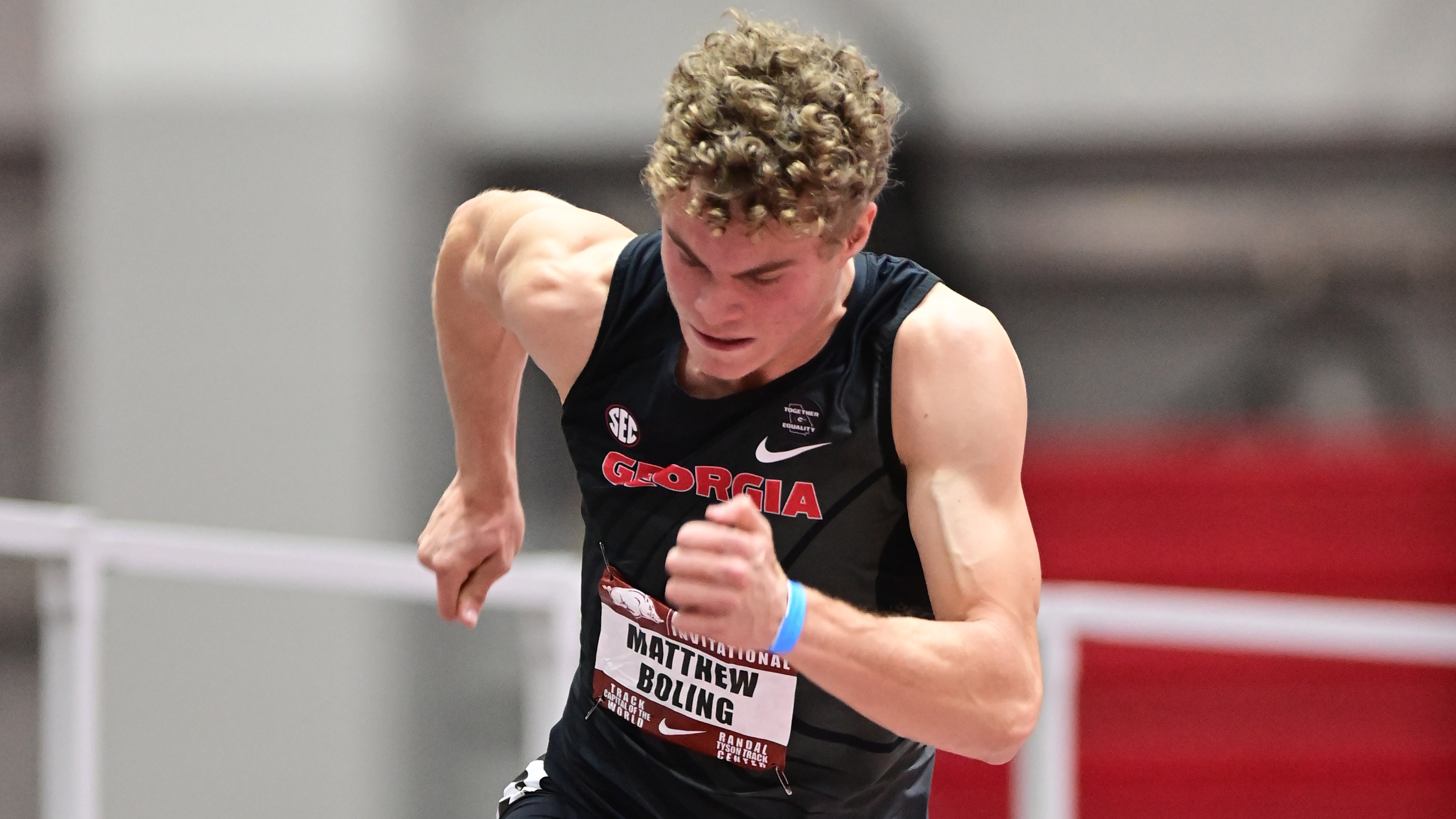
As Boling moved from the collegiate ranks to the professional circuit, the question of “what happened” became more focused on his professional trajectory. In late 2023, Boling announced he was turning professional, a move that required a total recalibration of his brand strategy. No longer a “college kid with potential,” he was now a “professional asset.”
Signing with Global Brands and the Nike Partnership
The ultimate validation of a track athlete’s brand is a contract with a major apparel giant. Boling’s transition to the professional world was cemented by his partnership with Nike. From a brand strategy standpoint, this was a “premium positioning” move. Nike doesn’t just sign fast runners; they sign athletes who can carry a narrative. By joining the Nike roster, Boling’s brand moved from the “NIL/Influencer” category into the “Elite Professional” category. This shift required a more curated public image, focusing less on viral high school clips and more on high-stakes international competitions and the rigorous training required for the Olympic stage.
Shifting Focus: From the 100m Sensation to the 400m Specialist
One of the most interesting brand pivots Boling has made is his focus on the 400-meter and 200-meter events, as well as the 4×400 relay. In the world of marketing, this is a “product diversification” strategy. While the 100-meter dash is the “glamour” event, the 400-meter requires a different kind of discipline and opens up different lanes for success. By excelling in the 400m, Boling has repositioned himself as a versatile, reliable team player—essential for Olympic relay pools. This increases his “market utility,” making him a more valuable brand ambassador for a longer period of time.
Reputation Management in the Face of High Expectations
The challenge of being a “viral” athlete is the weight of expectation. If Boling doesn’t win every race, critics often claim his brand is “fading.” However, professional brand management isn’t about winning every time; it’s about maintaining a consistent narrative of growth and resilience.
Managing the “Next Big Thing” Narrative
The “Next Big Thing” label can be a brand killer if the athlete doesn’t immediately dominate at the highest level. Boling’s team has done an excellent job of “expectation management.” By focusing on personal bests and incremental improvements rather than purely on gold medals, they have protected the brand from the volatility of sports results. The brand narrative has shifted from “He is the fastest ever” to “He is a world-class competitor refining his craft.” This subtle shift allows for long-term brand longevity, even in a sport as fickle as sprinting.
Lessons in Longevity and Personal Brand Maturity
What happened to Matthew Boling is that he grew up. His brand has matured from the “White Lightning” teenager into a professional athlete who understands the business of sports. He has avoided scandals, maintained a professional social media presence, and stayed focused on the technical aspects of his sport. In terms of brand equity, he has transitioned from “speculative value” (potential) to “realized value” (professional results). His recent performances on the World Athletics Indoor Tour and his contributions to the US relay teams show a brand that is integrated into the fabric of the sport’s global elite.

The Future of the Boling Brand: The Road to the Global Stage
Looking ahead, the Matthew Boling brand is currently in its “Peak Performance” phase. With the Olympic cycle always on the horizon, the focus has shifted toward international visibility.
To maintain his brand’s upward trajectory, Boling must continue to bridge the gap between his domestic popularity and international acclaim. Success on the Diamond League circuit and at the World Championships is the next logical step for brand expansion. By competing against the best in the world on European and Asian soil, Boling can transform from a “U.S. star” to a “Global Icon.”
Furthermore, as he moves deeper into his professional career, the opportunity for “brand extensions”—such as fitness apps, specialized training programs, or motivational speaking—becomes more viable. The foundation he laid as a viral high schooler, combined with the discipline he showed as a collegiate athlete, provides a robust framework for a post-athletic career that could be just as lucrative as his time on the track.
In conclusion, “what happened” to Matthew Boling is a masterclass in modern sports branding. He didn’t disappear; he evolved. He successfully navigated the transition from a viral internet sensation to a sophisticated professional brand. By leveraging NIL opportunities, choosing the right corporate partners, and strategically pivoting his athletic focus, Boling has ensured that his name remains synonymous with both speed and professional excellence in the competitive world of global athletics.
aViewFromTheCave is a participant in the Amazon Services LLC Associates Program, an affiliate advertising program designed to provide a means for sites to earn advertising fees by advertising and linking to Amazon.com. Amazon, the Amazon logo, AmazonSupply, and the AmazonSupply logo are trademarks of Amazon.com, Inc. or its affiliates. As an Amazon Associate we earn affiliate commissions from qualifying purchases.