
The narrative of Lizard Lick Towing is often framed as a reality television phenomenon, but from a strategic perspective, it represents one of the most fascinating case studies in blue-collar brand scaling. What began as a local repossession firm in a small unincorporated community in North Carolina transformed into an international brand identity that outlasted its television tenure. To understand “what happened” to Lizard Lick is to understand the lifecycle of a brand that leveraged authenticity to break through the noise of a saturated media market.
The Architecture of an Unconventional Personal Brand
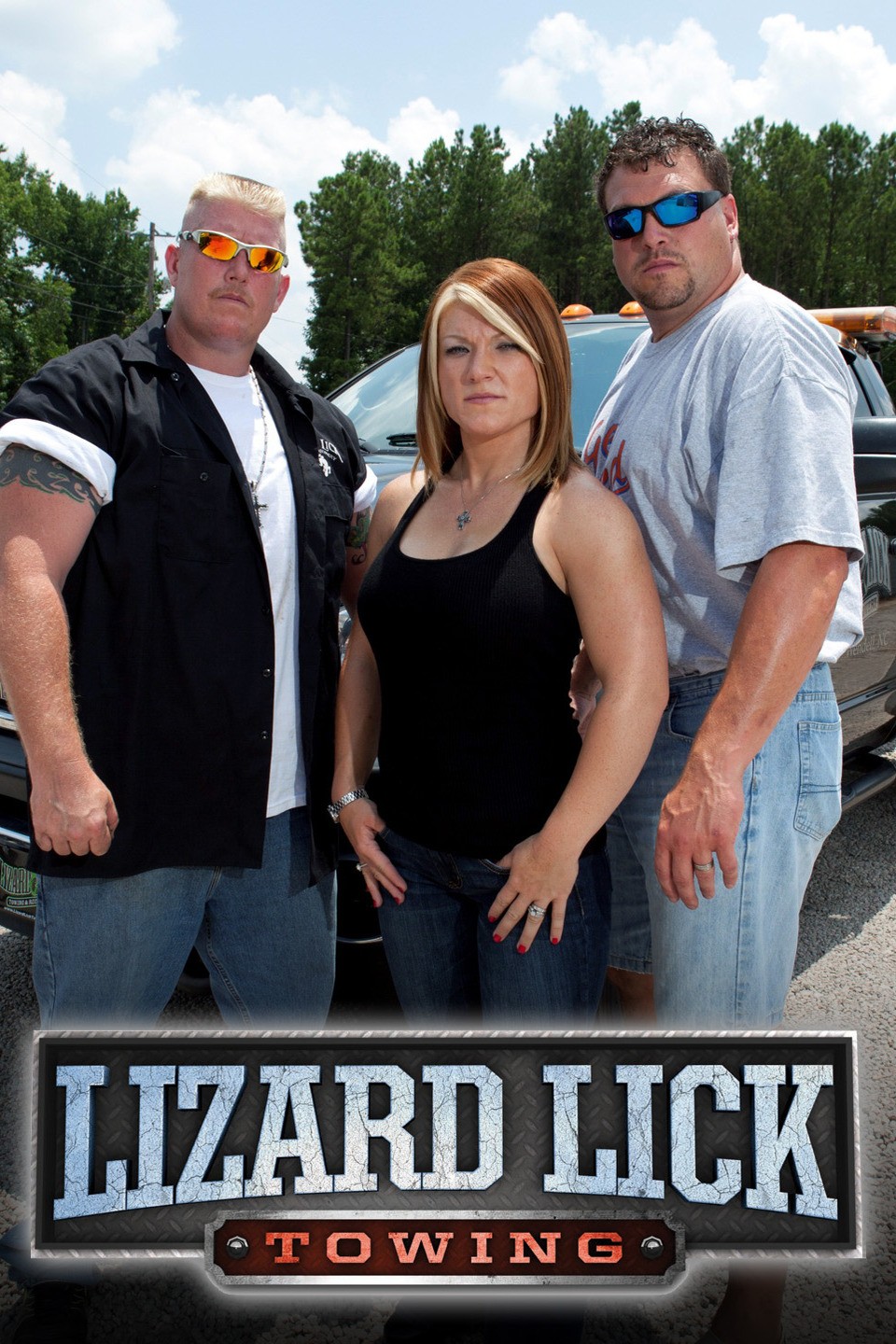
At the core of the Lizard Lick phenomenon was a masterclass in personal branding. Ron and Amy Shirley did not simply run a business; they cultivated personas that resonated with a specific demographic of the American public. In branding, “authenticity” is often a manufactured trait, but for the Lizard Lick brand, it was the foundation of their market equity.
Authenticity as a Marketable Asset
In a world of polished corporate logos and sterile mission statements, the Lizard Lick brand leaned into its “rough around the edges” nature. Ron Shirley’s “Lickisms”—highly metaphorical and often humorous Southern proverbs—served as a unique linguistic brand identity. From a brand strategy standpoint, this created a high “Recall Value.” Customers and viewers didn’t just remember a towing company; they remembered the voice and personality behind it. This differentiation is the holy grail of brand positioning, allowing a small-town entity to compete for attention on a global stage.
The “Lick Life” Visual Identity
The visual elements of the Lizard Lick brand were equally calculated. The logo—a stylized lizard—and the high-visibility apparel were designed not just for utility in the field, but for merchandising. Long before “lifestyle brands” were a buzzword in Silicon Valley, the Shirleys were building one in the rural South. They understood that a brand is not what you do (towing cars), but how you make people feel (the underdog fighting for a living). By creating a visual shorthand for resilience and hard work, they transformed service-based equipment into a lifestyle symbol.
Media as a Catalyst for Brand Expansion
The transition from a local business to the subject of a hit reality series on truTV was the ultimate brand accelerator. However, many businesses fail when the spotlight hits because they lack the infrastructure to support sudden fame. Lizard Lick survived this transition by treating the television show as a marketing channel rather than the final destination.
The Transition from Service to Entertainment
The strategic pivot occurred when the business shifted its primary value proposition from “moving vehicles” to “storytelling.” This is a classic move in corporate brand strategy, similar to how Red Bull moved from selling energy drinks to producing extreme sports content. By focusing on the narrative of the “repo man,” Lizard Lick effectively commodified the daily struggle of the working class. This move expanded their Total Addressable Market (TAM) from people in North Carolina needing a tow to millions of viewers globally seeking entertainment.
Leveraging Reality TV for Market Dominance
While the show provided the platform, the brand maintained its independence. The Shirleys were careful to ensure that the “Lizard Lick” name remained under their control. This allowed them to leverage the show’s reach to drive traffic to their own web properties and physical store. In branding terms, this is known as “ecosystem lock-in.” They used the high-reach, low-intent audience of cable TV to build a high-intent, loyal community of followers who would support the brand long after the cameras stopped rolling.
Diversification: Moving Beyond the Tow Truck
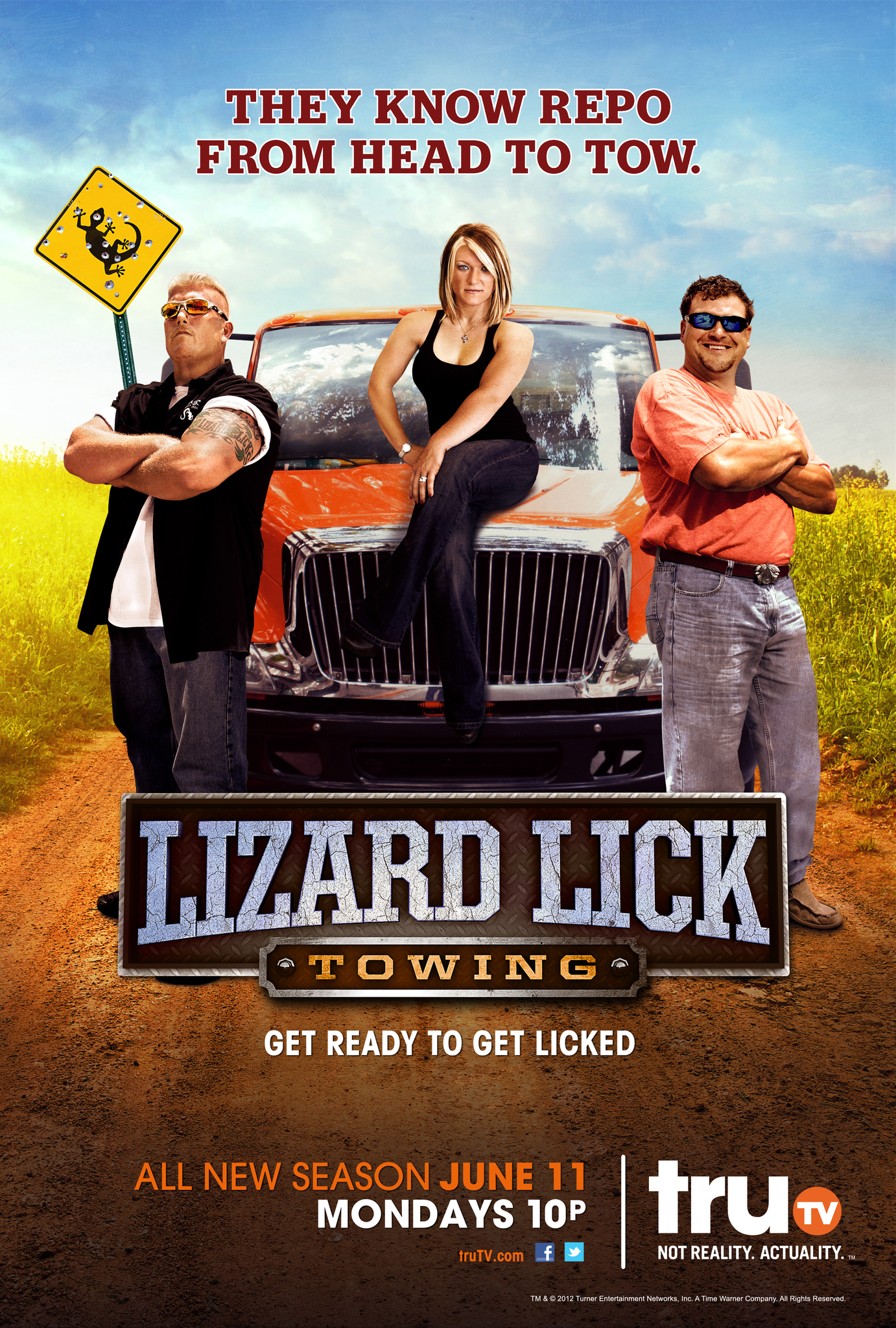
The true test of a brand is its ability to survive the loss of its primary distribution channel. When Lizard Lick Towing was canceled in 2014, the brand did not disappear. Instead, it entered a phase of strategic diversification that highlights the importance of brand elasticity.
Merchandising and the “Lizard Lick” Lifestyle
At the height of its popularity, the Lizard Lick brand was generating significant revenue through merchandise. This was not accidental. By treating their headquarters as a retail destination, they turned a functional workspace into a “Brand Experience Center.” Fans would travel from across the country to visit the “Lick,” turning a local towing lot into a tourist landmark. This diversification into apparel, accessories, and memorabilia provided a financial cushion and kept the brand visible in the daily lives of their consumers.
Public Appearances and the Influencer Pivot
Post-television, Ron and Amy Shirley transitioned into the “Influencer” and “Public Figure” sectors of branding. Ron Shirley leveraged his brand of charismatic, faith-based storytelling to enter the ministry and motivational speaking circuits. This was a logical brand extension; the same qualities that made him a compelling TV personality made him an effective speaker. From a brand strategy perspective, this is “Horizontal Integration”—taking the core brand values (resilience, faith, humor) and applying them to a new industry.
Crisis Management and Brand Longevity
Every brand faces a “What now?” moment. For Lizard Lick, this came with the conclusion of their media contracts and the evolution of the reality TV landscape. The brand’s survival is a testament to its “Resilience Equity.”
Navigating Life After the Spotlight
The disappearance of Lizard Lick from television screens was not a failure of the brand, but a shift in market cycles. The Shirleys chose to return to their roots while maintaining a digital presence. They didn’t allow the brand to be defined solely by the show. Instead, they returned to their core operations in North Carolina, focusing on the community that originally birthed the brand. This move protected the brand’s integrity; they were no longer “TV stars playing at towing,” but “tow operators who had been on TV.” This distinction is vital for maintaining long-term trust with a local customer base.
Rebranding for the Modern Era
Today, the Lizard Lick brand exists as a hybrid of a local service business and a digital legacy brand. Their social media strategy focuses on direct engagement with fans, bypassing the need for a major network. This is a “Direct-to-Consumer” (DTC) approach to personal branding. By maintaining a presence on platforms like Facebook and YouTube, they keep the brand’s narrative alive. They have also leaned into “Legacy Branding,” where the history of the show serves as a credential that reinforces their authority in the industry.
The Strategic Legacy of Lizard Lick
The story of “what happened to Lizard Lick” is ultimately a story of brand endurance. While the trucks may not be followed by a film crew every day, the brand remains a powerful entity in its niche.
For brand strategists, the Lizard Lick journey offers several key takeaways:
- Niche is Power: By leaning into their specific cultural background, the Shirleys created a brand that was impossible to replicate.
- Platform Independence: A brand should use media platforms as a springboard, not a crutch. The Shirleys owned their name and their story.
- Community Over Content: The content (the TV show) was the hook, but the community (the “Lick Life” fans) was the sustainable asset.
Lizard Lick Towing didn’t “disappear”—it matured. It transitioned from a high-growth, media-dependent startup phase into a stable, legacy-based brand. It serves as a reminder that in the world of branding, being “authentic” and “unapologetic” is often the most effective way to build a name that lasts long after the 15 minutes of fame have expired. The brand continues to operate, Ron continues to speak, and the “Lizard Lick” name remains a recognized symbol of a very specific, very successful brand of American grit.
aViewFromTheCave is a participant in the Amazon Services LLC Associates Program, an affiliate advertising program designed to provide a means for sites to earn advertising fees by advertising and linking to Amazon.com. Amazon, the Amazon logo, AmazonSupply, and the AmazonSupply logo are trademarks of Amazon.com, Inc. or its affiliates. As an Amazon Associate we earn affiliate commissions from qualifying purchases.