
In the modern media landscape, reality television serves as more than just entertainment; it functions as a high-velocity incubator for personal brands. Among the most discussed figures to emerge from the Love After Lockup franchise is Lacey Whitlow (formerly Lacey Diggs). While viewers tuned in for the tumultuous love triangle involving John Slater and Shane Whitlow, marketing professionals and brand strategists see a different story: a calculated transition from a niche performer to a multi-platform digital entrepreneur.
Understanding “what happened to Lacey” requires looking beyond the tabloid headlines and analyzing the strategic evolution of her personal brand. In an era where attention is the primary currency, Lacey Whitlow provides a masterclass in leveraging a polarizing television persona into a sustainable digital ecosystem.
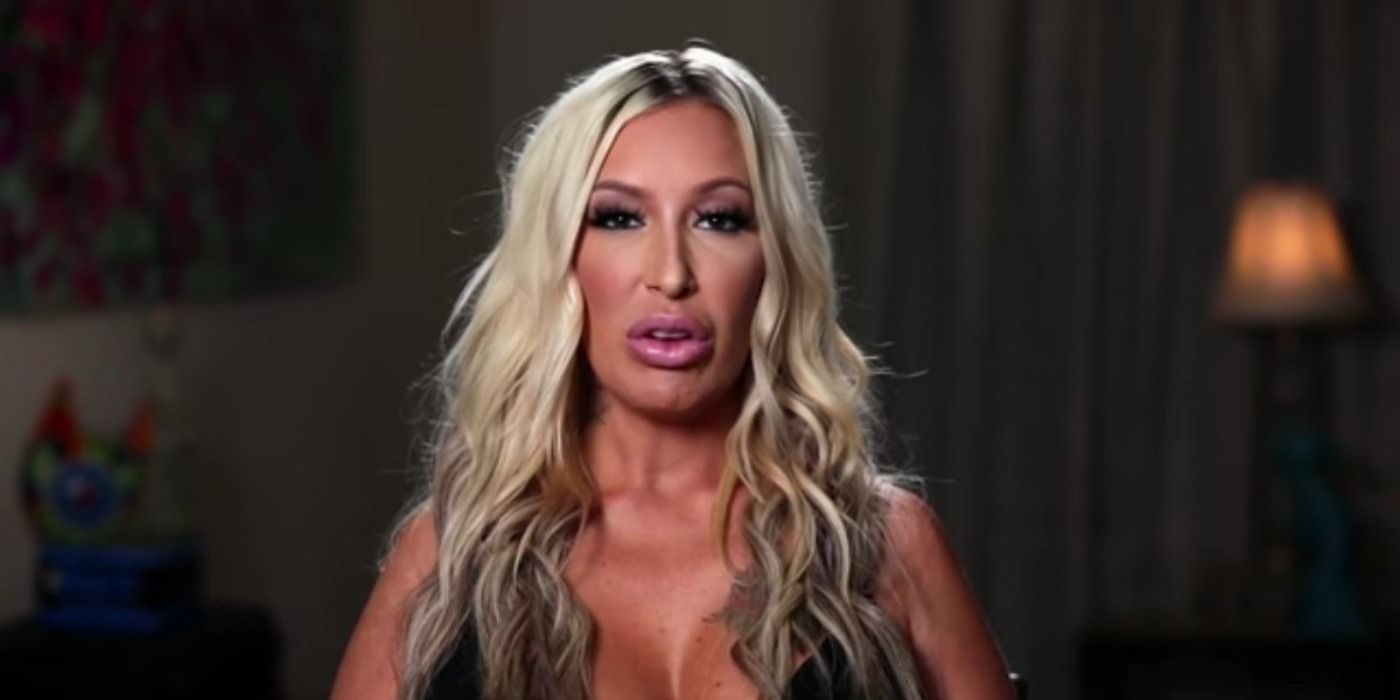
The Reality TV Launchpad: Authenticity vs. Performance
The inception of the Lacey Whitlow brand began with a high-conflict narrative that made her an immediate standout in the Love After Lockup ecosystem. In branding terms, she successfully carved out a “Unique Selling Proposition” (USP) by leaning into a narrative that combined vulnerability with high-stakes drama.
Embracing the “Villain” Archetype
In brand strategy, being “beige” or neutral is often a death sentence. Lacey opted for the opposite. By positioning herself at the center of a chaotic romantic tug-of-war, she guaranteed herself maximum screen time. While the “villain” or “anti-heroine” archetype can be risky, it creates high levels of audience engagement. From a brand perspective, Lacey understood that polarizing content generates more “earned media” (organic discussion, social media shares, and news coverage) than a traditional, clean-cut image. This initial notoriety provided the foundational traffic necessary to fuel her secondary business ventures.
The Impact of Narrative Control on Brand Equity
One of the greatest challenges for reality stars is the loss of narrative control to network editors. Lacey’s brand evolution highlights the tension between the “produced” self and the “authentic” self. As the seasons progressed, she began to use her social media platforms to “correct the record,” a common tactic used to bridge the gap between a TV persona and a personal brand. This dual-layered communication—being the character on TV while being the “real” Lacey on Instagram—allowed her to build a deeper, more resilient bond with her core audience, increasing her brand equity.
Transitioning from Screen to Platform: The Digital Pivot
The true measure of a reality star’s branding success is their ability to migrate an audience from a network-owned platform (WE tv) to their own controlled assets. Lacey Whitlow excelled at this digital pivot, recognizing early on that television fame is fleeting, but a direct-to-consumer relationship is an asset.
Leveraging the Subscription Model Economy
Lacey’s background as a webcam model gave her a significant advantage in the creator economy. While many of her co-stars struggled to monetize their fame, she leaned into the subscription model. By utilizing platforms like OnlyFans and CamSoda, she converted casual viewers into paying subscribers. In terms of brand strategy, this is a classic example of “vertical integration.” She used the wide-reach, low-intent platform of television to funnel users into high-intent, high-margin private communities. This strategic move ensured financial independence regardless of her standing with production companies.

Content Diversification: From Webcam to Influencer
A brand must evolve to survive. As Lacey transitioned through different phases of her life—marriage, pregnancy, and motherhood—her content strategy shifted accordingly. She began diversifying her brand to include lifestyle and beauty content. This diversification is a strategic hedge; it allows a creator to tap into different advertiser demographics. By moving toward a “Mom-fluencer” hybrid model while maintaining her adult industry roots, she expanded her brand’s reach and longevity, proving that a personal brand can be multifaceted rather than pigeonholed.
Crisis Management and Brand Resilience
No brand exists without its share of crises, and in the world of reality TV, these crises are often played out in the public eye. Lacey Whitlow’s journey has been marked by domestic turbulence, legal issues involving her partners, and the inherent volatility of the “Love After Lockup” lifestyle.
Navigating Public Domestic Transitions
When Lacey’s marriage to Shane Whitlow faced public scrutiny—including separations and public disputes—her brand was put to the test. From a brand management perspective, the “transparency” vs. “privacy” debate is critical. Lacey chose a path of selective transparency. By sharing her struggles with IVF and the complexities of her relationships, she humanized her brand. This vulnerability acts as a “brand shield,” creating a sense of community among followers who may be experiencing similar life challenges. It transformed her from a two-dimensional TV character into a relatable figure, which is essential for long-term influencer sustainability.
Maintaining Engagement Amidst Controversy
Controversy can either destroy a brand or catalyze it. Lacey has consistently managed to stay relevant by staying active during peak moments of controversy. Instead of retreating, she maintained a high frequency of posting, ensuring that she remained the primary source of information regarding her life. This “direct-to-source” branding strategy mitigates the damage of third-party gossip sites and keeps her audience anchored to her official channels.
Lessons for the Modern Creator: The Longevity of the “Love After Lockup” Brand
Lacey Whitlow’s trajectory offers several insights for individuals looking to build a brand in the digital age. It demonstrates that fame is not the end goal; it is a tool for customer acquisition.
Building a Community Beyond the Network
The biggest mistake reality stars make is relying on the show to keep them relevant. Lacey’s “what happened next” story is a testament to the power of cross-platform migration. She built a robust presence on Instagram, TikTok, and Twitter (X), ensuring that if Love After Lockup were canceled tomorrow, her brand would remain intact. She prioritized “platform agnosticism,” ensuring her followers knew where to find her across the digital landscape. This is a critical lesson in brand security: never build your house on rented land.

The Future of the Whitlow Brand: Evolution and Sustainability
As Lacey moves further away from her original seasons of television, her brand continues to morph. The focus has shifted toward a more stabilized lifestyle narrative, punctuated by her role as a mother and an entrepreneur. This evolution shows a sophisticated understanding of “Brand Lifecycle Management.” Just as a corporate brand must innovate to avoid stagnation, Lacey has updated her “product offering” to match her current life stage.
In the final analysis, “what happened to Lacey from Love After Lockup” is not just a story of a reality star moving on; it is the story of a savvy entrepreneur who recognized the power of her own image. By navigating the treacherous waters of public opinion, leaning into the subscription economy, and maintaining a direct line of communication with her fans, she has built a personal brand that outlasts the average 15 minutes of fame. Her career serves as a blueprint for how to turn a moment of television notoriety into a multi-year, multi-platform business empire. For anyone interested in the intersection of media, branding, and the creator economy, the evolution of Lacey Whitlow remains one of the most compelling case studies in modern reality TV history.
aViewFromTheCave is a participant in the Amazon Services LLC Associates Program, an affiliate advertising program designed to provide a means for sites to earn advertising fees by advertising and linking to Amazon.com. Amazon, the Amazon logo, AmazonSupply, and the AmazonSupply logo are trademarks of Amazon.com, Inc. or its affiliates. As an Amazon Associate we earn affiliate commissions from qualifying purchases.