
In the landscape of international music, few figures possess a personal brand as instantly recognizable and yet as enigmatic as Ripton Joseph Hylton, better known to the world as Eek-A-Mouse. For decades, fans and industry analysts alike have asked, “What happened to Eek-A-Mouse?” While the question often refers to his fluctuating presence in the mainstream, the answer lies in the complex intersection of personal brand management, market differentiation, and the challenges of maintaining a consistent corporate identity in an ever-evolving digital economy.
Eek-A-Mouse did not just create music; he created a proprietary “vocal architecture” that served as his primary brand asset. His journey offers a masterclass in how a unique personal brand is built, how it can be compromised by external factors, and how it can eventually pivot toward a legacy-based model of sustainability.

The Architecture of a Unique Personal Brand
The foundation of the Eek-A-Mouse brand was built on the principle of extreme differentiation. In the crowded reggae and dancehall markets of the late 1970s and early 1980s, Hylton recognized that vocal talent alone was insufficient for global scaling. He needed a “hook”—not just a musical one, but a conceptual one.
Defining the “Sing-Jay” Aesthetic
Eek-A-Mouse was a pioneer of the “sing-jay” style, a hybrid of traditional singing and rhythmic deejaying (toasting). From a brand perspective, this was his Unique Selling Proposition (USP). While others were strictly one or the other, he occupied a middle ground that allowed him to appeal to both lovers of melody and fans of the burgeoning dancehall scene. By creating a specific niche, he effectively eliminated direct competition. There were many singers, but there was only one Mouse.
The Visual Identity of the Tall Man
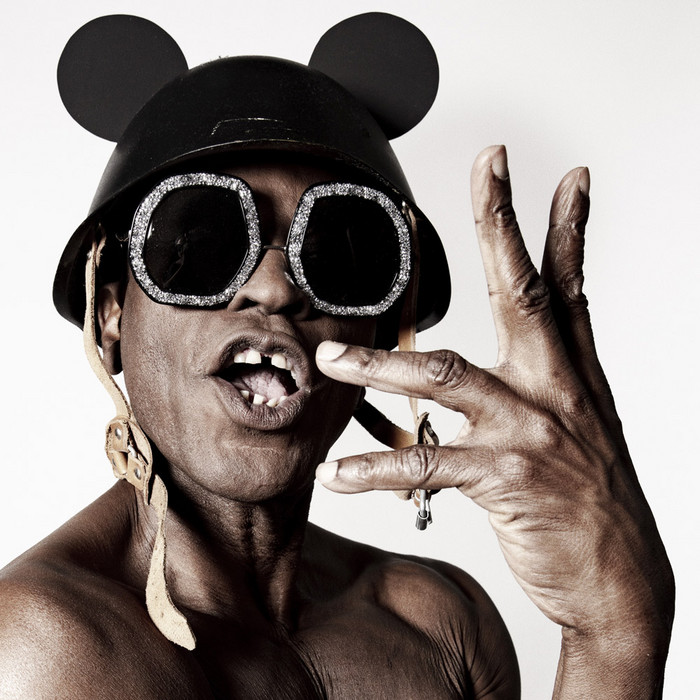
A crucial element of brand strategy is visual consistency. Standing at 6 feet 6 inches, Hylton’s physical stature contrasted sharply with his stage name, “Eek-A-Mouse” (taken from a racehorse he frequently bet on). This cognitive dissonance—a giant man with a name associated with something small and a voice that could skip into high-pitched whimpers—created a memorable brand persona. His penchant for eccentric costumes, ranging from Elizabethan ruffs to Mexican sombreros and police uniforms, further solidified his image as a “character brand.” In marketing terms, he was a visual disruptor.
Market Differentiation and the “Mouse” Persona
Consistency and recognizability are the hallmarks of a successful brand. Eek-A-Mouse achieved this through a “sonic logo”—his signature “bidibeng-beng” style. This was not merely an artistic choice; it functioned as a brand mnemonic. Whenever a listener heard those syllables, they immediately identified the product.
Creating a Niche Within Reggae
While roots reggae often focused on heavy political and religious themes, Eek-A-Mouse branded himself as a storyteller of the everyday and the absurd. Tracks like “Ganja Smuggling” and “Wa-Do-Dem” were narratives that combined humor with social commentary. This positioning allowed him to cross over into international markets, particularly in the United States and Europe, where his playful brand of reggae felt accessible without losing its authenticity. He successfully exported “Jamaican Cool” by wrapping it in a package of high entertainment value.
The Power of Onomatopoeia as a Brand Asset
The “Mouse” persona relied heavily on the use of onomatopoeia and non-lexical vocables. From a brand strategy standpoint, this was a brilliant move for international expansion. Language barriers often limit the reach of lyrical artists. However, the rhythmic, percussive sounds Eek-A-Mouse utilized were universal. They functioned like a melody that everyone could “speak,” making his brand globally portable and highly “shareable” long before the advent of social media.
Brand Dilution and the Challenges of the Digital Transition
The question of “what happened” often stems from a period of relative silence and public controversy that began in the late 1990s and stretched into the 2010s. This period illustrates the fragility of a personal brand when the individual behind the brand faces legal and personal crises.
Navigating Legal and Personal Roadblocks
In 2008, a series of legal issues in the United States led to Hylton’s disappearance from the touring circuit for several years. For a personal brand, the founder’s reputation is the brand’s most valuable equity. When that reputation is clouded by legal proceedings, the brand suffers from “equity leakage.” For Eek-A-Mouse, this meant a loss of touring revenue, the cancellation of high-profile appearances, and a general cooling of his market presence. The narrative shifted from his music to his personal life, a classic example of brand crisis management where the brand becomes reactive rather than proactive.
Maintaining Relevance in the Age of Social Media
The transition from the analog era of the 1980s to the digital dominance of the 2000s required a brand pivot that many legacy artists struggled to execute. Eek-A-Mouse’s brand was built on live performance and physical media. As the industry moved toward streaming and social media engagement, the Mouse brand initially lacked the digital infrastructure to compete with younger, more tech-savvy artists. The “what happened” narrative was partly a result of this digital invisibility. Without a consistent social media strategy or a steady stream of digital-first content, the brand’s “top-of-mind” awareness began to fade.
Lessons in Brand Pivot and Legacy Management
In recent years, Eek-A-Mouse has undergone a brand resurgence. This comeback is not about reclaiming his 1982 peak, but about transitioning into a “Legacy Brand.” This strategy involves leveraging nostalgia while proving modern-day reliability.
The Comeback Strategy: Touring vs. Streaming
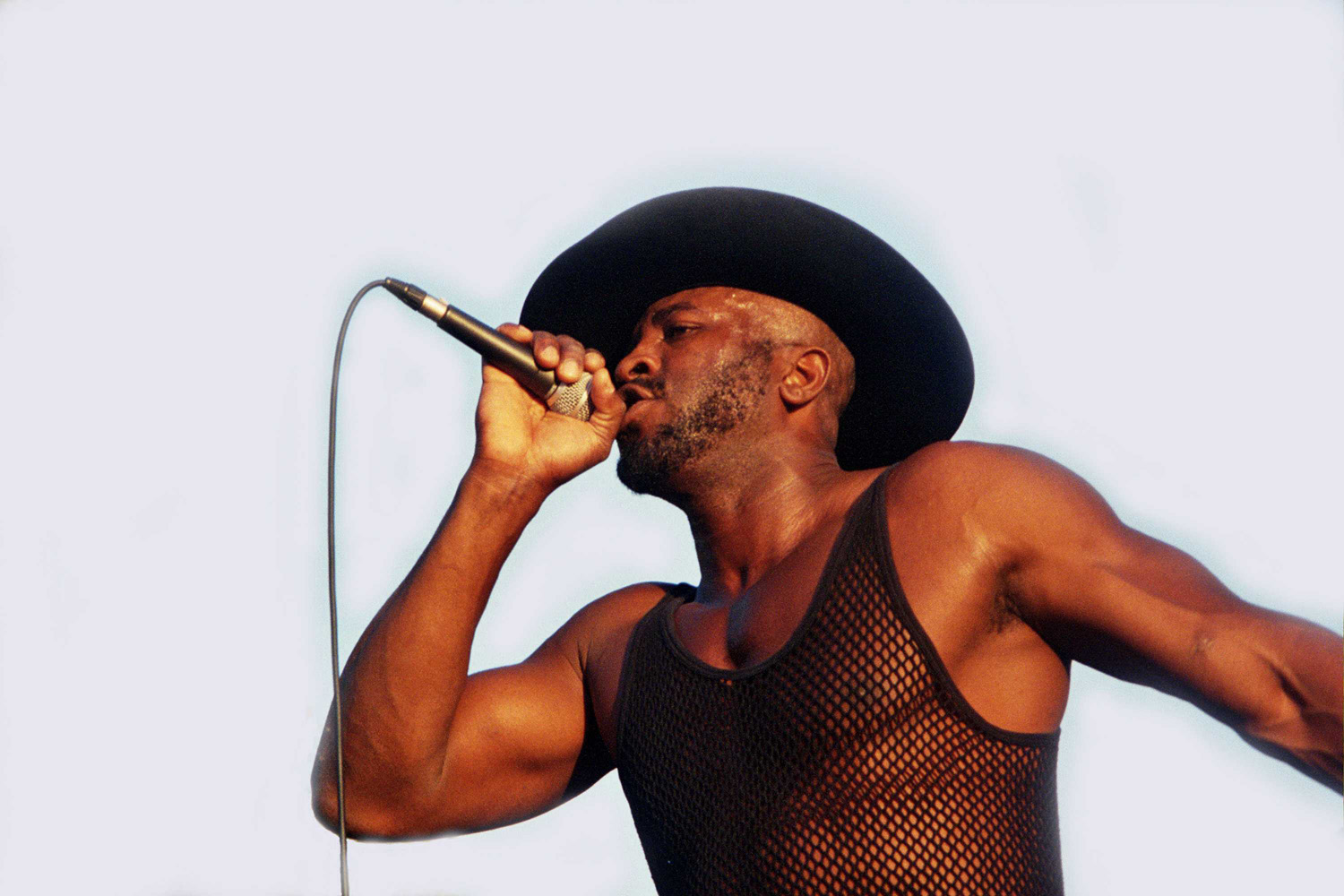
For a legacy brand, the most profitable channel is often live performance rather than new recorded content. Eek-A-Mouse has focused on rebuilding his reputation on the European and American festival circuits. By delivering high-energy, high-quality performances that lean into his “classic” catalog, he is reinforcing his brand’s core values: eccentricity, talent, and uniqueness. He is not trying to reinvent himself for a Gen Z audience; he is presenting the “original Mouse” as a premium, historical experience. This is a classic “Heritage Branding” move.
Key Takeaways for Modern Personal Brands
The trajectory of Eek-A-Mouse offers several vital lessons for anyone building a personal brand today:
- Extreme Differentiation: To survive in a crowded market, you must have a “sonic” or “visual” signature that no one else can replicate.
- The Founder’s Liability: A personal brand is inextricably linked to the individual’s behavior. Crisis management is as important as content creation.
- Adaptability: Brands that do not transition to new distribution channels (like digital streaming and social media) risk becoming “ghost brands”—well-known but irrelevant.
- Legacy Value: Once a brand has been in the market for several decades, its value shifts from “innovation” to “heritage.” Honoring the original brand promise is the key to longevity.
What happened to Eek-A-Mouse is ultimately a story of brand resilience. Despite the interruptions of the last two decades, the “Eek-A-Mouse” identity remains one of the most durable in the history of reggae. By leaning into his unique persona and navigating the complexities of the modern industry, Ripton Hylton has ensured that his brand—though perhaps less ubiquitous than in the 80s—remains a gold standard for individuality and market differentiation. The Mouse is still here, proving that a well-built brand can survive almost anything.
aViewFromTheCave is a participant in the Amazon Services LLC Associates Program, an affiliate advertising program designed to provide a means for sites to earn advertising fees by advertising and linking to Amazon.com. Amazon, the Amazon logo, AmazonSupply, and the AmazonSupply logo are trademarks of Amazon.com, Inc. or its affiliates. As an Amazon Associate we earn affiliate commissions from qualifying purchases.