
In the landscape of professional sports, an athlete is more than just a player; they are a walking, breathing corporate entity. Their performance on the court serves as the product, but their reputation, public persona, and marketability constitute their brand equity. Perhaps no modern athlete exemplifies the volatile nature of personal branding better than Dwight Howard. Once the undisputed “Superman” of the NBA and the most marketable big man since Shaquille O’Neal, Howard’s journey from a global icon to a journeyman, and eventually to an international ambassador, offers profound insights into brand strategy, crisis management, and the power of the “pivot.”

To understand what happened to Dwight Howard is to understand the lifecycle of a high-value brand that lost its way, suffered from catastrophic narrative misalignment, and ultimately found redemption through a radical strategic overhaul.
The Architecture of an Icon: Building the “Superman” Persona
In the mid-2000s, Dwight Howard was a marketing executive’s dream. He possessed a rare combination of elite physical dominance and a gregarious, family-friendly personality. At a time when the NBA was looking for its next face after the retirement of Michael Jordan and the transition of the Lakers’ dynasty, Howard stepped into the void with a brand built on joy and power.
Leveraging the Dunk Contest as a Global Marketing Platform
Every brand needs a “hero moment”—a single event that defines its value proposition to the public. For Howard, this was the 2008 NBA Slam Dunk Contest. By donning the Superman cape, Howard didn’t just win a trophy; he executed a masterstroke of brand positioning. He successfully associated himself with one of the most powerful intellectual properties in the world. The imagery of Howard flying through the air in a cape became a viral sensation before the term “viral” was part of the common lexicon. This moment solidified his brand identity as the “lovable giant,” a persona that appealed to both die-hard sports fans and casual consumers alike.
The Power of the Smile: Aligning Personality with Commercial Appeal
Unlike the hyper-competitive, often stoic brands of Kobe Bryant or Kevin Garnett, Howard’s brand was built on accessibility. His constant smiling and jovial nature made him a magnet for blue-chip endorsements. From Adidas to McDonald’s and Vitaminwater, Howard’s personal brand was synonymous with positivity. This alignment between his personality and his commercial appeal created a high “Brand Sentiment” score. He was perceived as a superstar who didn’t take himself too seriously, making him the perfect spokesperson for family-oriented products.
Brand Dilution: When Internal Conflict Meets External Perception
The decline of a brand rarely happens overnight; it is usually the result of a series of strategic missteps that erode trust. For Howard, the erosion began during his final years with the Orlando Magic. The period famously dubbed “The Dwightmare” serves as a cautionary tale in PR and brand mismanagement.
The “Dwightmare” and the Cost of Indecision
In brand strategy, clarity is king. Indecision is the enemy of consumer loyalty. Between 2011 and 2012, Howard’s public flip-flopping regarding his trade demands created a narrative of instability. The public perception shifted from “lovable superstar” to “indecisive diva.” This was a classic case of brand dilution—when the core values of a brand (joy, teamwork, reliability) are contradicted by the brand’s actions. By the time he was traded to the Los Angeles Lakers in 2012, his “Net Promoter Score” among basketball fans had plummeted.
The Misalignment of On-Court Value and Off-Court Reputation
When Howard arrived in Los Angeles, he faced a “Brand Clash.” His jovial brand identity fundamentally conflicted with the “Mamba Mentality” of Kobe Bryant. In any corporate merger, cultural alignment is essential for success. Howard and Bryant were two brands with incompatible missions. Howard’s refusal to adapt his playing style—clinging to the traditional “post-up” game while the league moved toward “pace and space”—mirrored a legacy company refusing to digitalize. His brand was seen as “obsolete,” and his reputation as a “locker room cancer” began to overshadow his Hall of Fame-level statistics.
The Pivot: From Franchise Cornerstone to Specialist Contributor
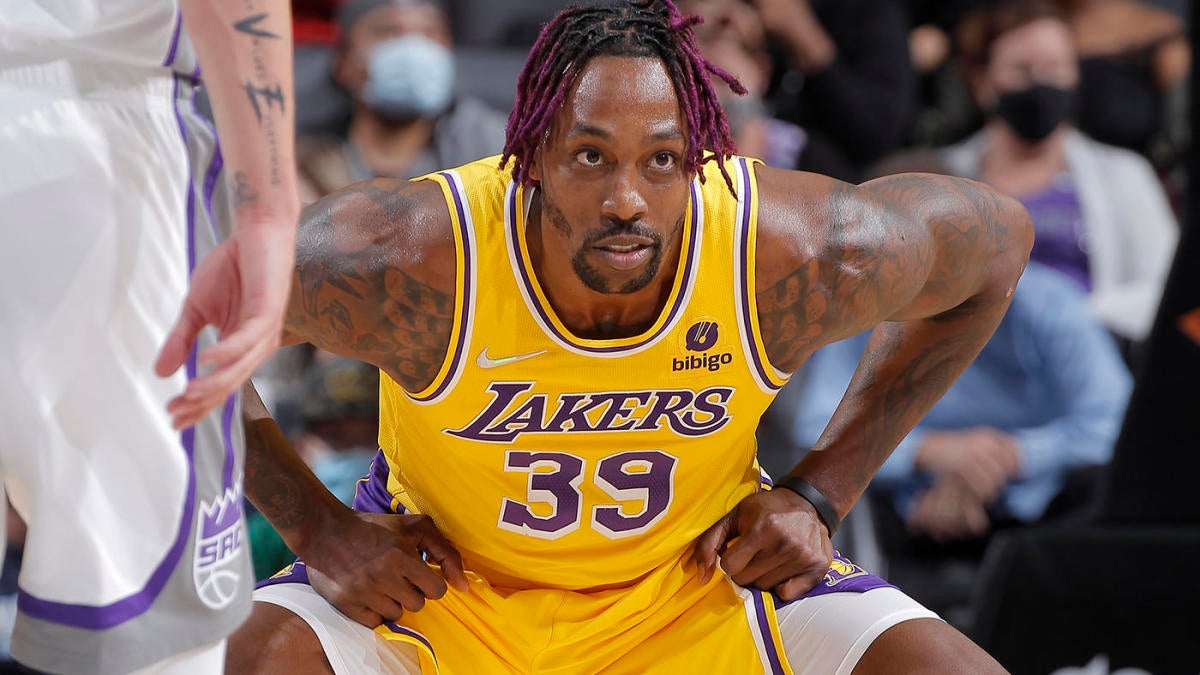
The most difficult challenge for any brand is the “Down-Market Pivot.” When a luxury brand can no longer compete at the top tier, it must reinvent itself as a high-quality “essential” or risk disappearance. After years of bouncing between teams (Houston, Atlanta, Charlotte, Washington), Howard faced a career crossroads.
Swallowing Pride: The Essential “Brand Reset”
By 2019, Dwight Howard was nearly out of the NBA. To save his career, he had to perform a radical brand reset. This involved a complete abandonment of his “Superstar” identity. He signed a non-guaranteed, veteran-minimum contract with the Lakers—a move that signaled to the market that he was willing to be a “service provider” rather than the “product.” In branding terms, he moved from being the “Lead Feature” to an “Open-Source Contributor.” This humility was a strategic masterclass; by publicly acknowledging his past mistakes, he neutralized the negative “noise” surrounding his brand.
Winning the Narrative: The 2020 Lakers Championship Arc
The culmination of this rebranding effort was the 2020 NBA Championship in the “Bubble.” Howard accepted a reduced role, focusing on rebounding and defense. By doing so, he replaced the “diva” narrative with a “redemption” arc. A redemption story is one of the most powerful tools in personal branding because it creates emotional resonance. Howard went from being a punchline to a respected veteran, proving that even a severely damaged brand can be rehabilitated with the right strategy and a commitment to a new mission statement.
Global Expansion: Marketing the Brand in International Territories
When the domestic market for a product reaches saturation or begins to decline, the logical next step is international expansion. Howard’s move to Taiwan in 2022 to play for the Taoyuan Leopards was not just a retirement tour; it was a sophisticated move in “Geographic Arbitrage.”
The Taiwan Experiment: Dominating a Niche Market
In the NBA, Howard was a veteran backup. In Taiwan’s T1 League, he was a “Market Disrupter.” By entering a smaller market where his brand equity remained massively high, he was able to command a level of attention and commercial influence that was no longer possible in the United States. He became the face of an entire league, driving ticket sales, merchandise, and broadcast viewership to unprecedented levels. This move demonstrated the importance of “Market Fit”—knowing where your brand provides the highest value.
Digital Presence and the Modern Influencer Pivot
During his time abroad, Howard leveraged social media to maintain his relevance in the American market. By documenting his experiences with high-energy content, he transitioned his brand from “Active Athlete” to “Sports Influencer.” He maintained his visibility through strategic digital engagement, ensuring that even while playing thousands of miles away, he remained a topic of conversation in the global sports ecosystem. This digital-first approach is essential for modern brands looking to maintain “Top-of-Mind Awareness” without a traditional platform.
Strategic Lessons for Personal Branding in the Digital Age
The trajectory of Dwight Howard provides a blueprint for how to navigate the complexities of public perception in a hyper-connected world. Whether for an individual or a corporation, the lessons are clear.
Consistency vs. Authenticity
Howard’s early brand was consistent but eventually felt inauthentic to his internal struggles. As he matured, his brand became more authentic—admitting to flaws and failures—which actually increased his long-term brand loyalty. Modern consumers value vulnerability over a polished, manufactured image. The “new” Dwight Howard, who speaks openly about his journey and his desire to mentor younger players, is a much more sustainable brand than the “Superman” of 2008.

Recovering from Negative Publicity
The “what happened” to Dwight Howard wasn’t a single event, but a series of narrative shifts. His recovery teaches us that negative publicity is not a death sentence; it is a signal to re-evaluate the brand’s value proposition. By identifying what the “market” (the NBA) needed from him—a rim protector and a positive locker room presence—he adjusted his output to meet that demand.
In conclusion, Dwight Howard’s career is a fascinating case study in brand evolution. He moved through the entire brand lifecycle: the explosive growth of a New Entrant, the peak of Market Dominance, the crisis of Brand Erosion, and the calculated success of a Strategic Pivot. Today, Howard remains a potent brand name, not because he stayed at the top, but because he had the strategic foresight to reinvent himself when the market changed. His story is a reminder that in the world of personal branding, it is not just how you start, but how you manage your narrative through the valleys that defines your legacy.
aViewFromTheCave is a participant in the Amazon Services LLC Associates Program, an affiliate advertising program designed to provide a means for sites to earn advertising fees by advertising and linking to Amazon.com. Amazon, the Amazon logo, AmazonSupply, and the AmazonSupply logo are trademarks of Amazon.com, Inc. or its affiliates. As an Amazon Associate we earn affiliate commissions from qualifying purchases.