
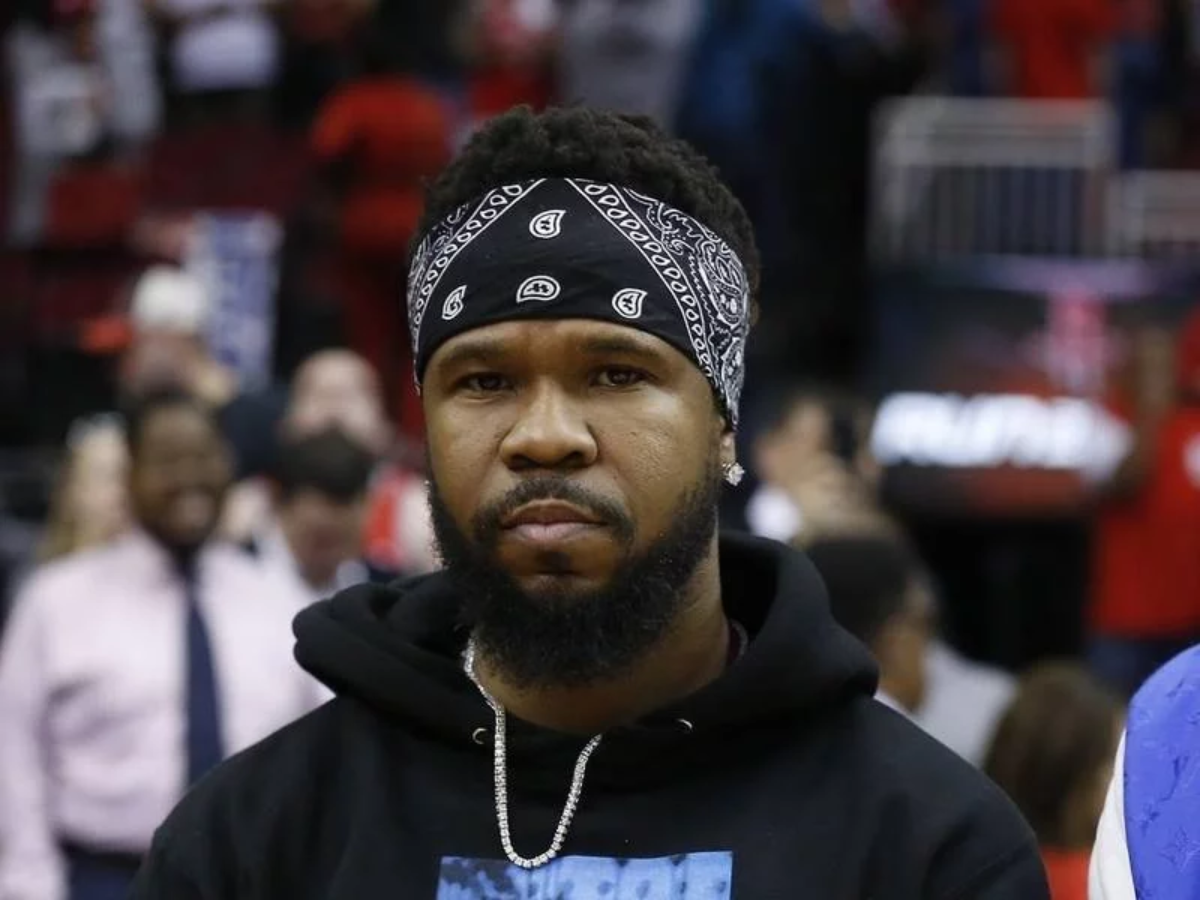
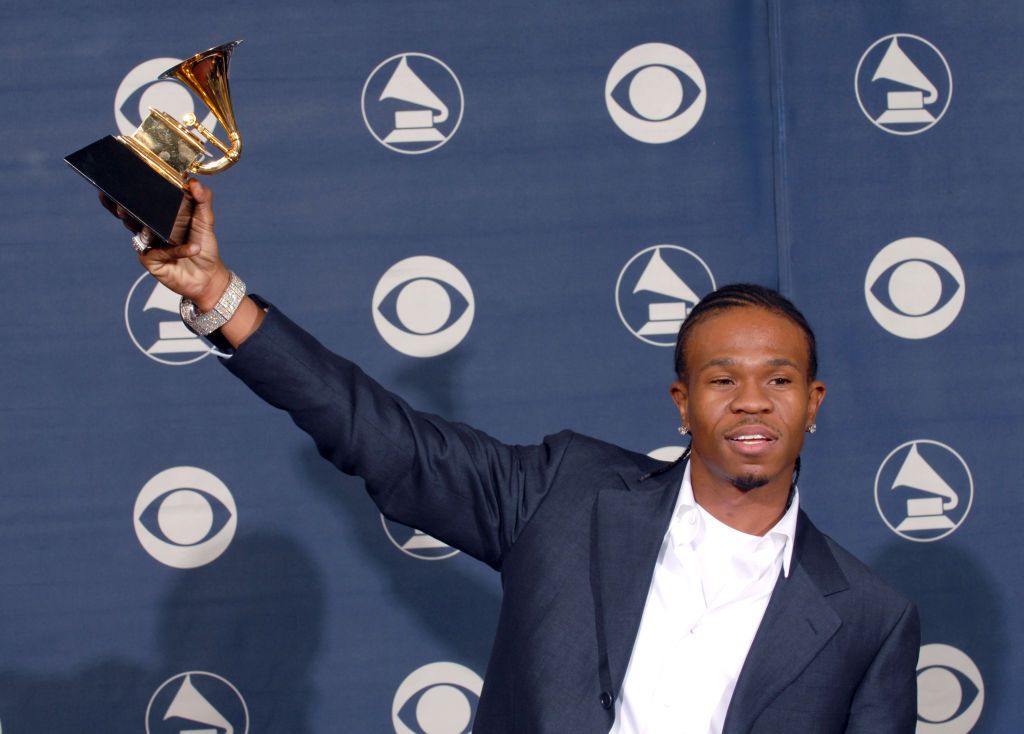
In the mid-2000s, Hakeem Seriki—known to the world as Chamillionaire—was at the pinnacle of the music industry. His hit single “Ridin'” was a global phenomenon, earning him a Grammy and multi-platinum status. However, while many of his contemporaries remained locked in the cycle of the “music business treadmill”—releasing albums to fund lifestyles—Seriki quieted his musical output and redirected his focus toward a different kind of chart: the cap table.
Today, the question “What happened to Chamillionaire?” is rarely asked by those in Silicon Valley or the venture capital community. To them, he is not a “one-hit wonder” but a formidable investor and entrepreneur. His transition from the recording booth to the boardroom represents one of the most successful cases of wealth diversification and financial pivoting in modern entertainment history. This article explores the strategic financial moves that transformed a rap star into a venture capital powerhouse, offering a blueprint for personal finance and high-stakes investing.
The Pivot from Platinum Plaques to Portfolio Management
The financial trajectory of most successful recording artists follows a predictable, yet often volatile, path. Income is usually front-loaded through advances, touring, and merchandising, but long-term wealth is frequently eroded by high overhead, predatory contracts, and a lack of scalable assets. Chamillionaire recognized this structural flaw early in his career.
Diversification as a Survival Strategy
Chamillionaire’s move into the financial sector wasn’t a result of his music career failing; it was a proactive strategy to ensure that his “active income” (money earned from performances) could be converted into “passive equity” (wealth generated through ownership). He understood that in the music industry, the artist is often the product, but in the tech world, the artist can be the owner. By 2010, while still active in music, he began attending tech conferences like South by Southwest (SXSW) not as a performer, but as a student of the industry. He began networking with venture capitalists and founders, realizing that the ROI (Return on Investment) on a successful tech startup far outpaced the royalties from a streaming single.
The Early Interest in Tech Equity
His first major forays into the world of finance involved “angel investing.” Unlike traditional stock market investing, angel investing allows an individual to provide capital to a startup in exchange for convertible debt or ownership equity. Chamillionaire’s early interest was sparked by his realization that tech companies were disrupting the very industries that distributed his music. Instead of fighting the change, he decided to fund it. This shift in mindset—from consumer to financier—is the cornerstone of his financial evolution.
Mastery of Venture Capital and Strategic Investing
By the mid-2010s, Chamillionaire had transitioned from casual investing to a structured, professional approach to venture capital. His success was not due to luck or “celebrity branding,” but a deep commitment to understanding market fundamentals and due diligence.
Joining Upfront Ventures
A defining moment in his financial career was his partnership with Upfront Ventures, one of the largest and most successful venture capital firms in Los Angeles. Under the mentorship of Mark Suster, a prominent venture capitalist, Seriki was named an “Entrepreneur-in-Residence.” This role wasn’t honorary; it involved evaluating pitch decks, analyzing market trends, and identifying companies with high growth potential. By immersing himself in a professional VC environment, he gained access to “deal flow” that is typically unavailable to the general public, allowing him to put his capital to work in pre-IPO (Initial Public Offering) companies.
Key Wins: From Lyft to Cruise Automation
The efficacy of Chamillionaire’s investment strategy is best illustrated by his “exits”—the moments when an investment is sold for a profit. He was an early investor in Lyft, the ride-sharing giant. By entering the investment at an early stage, he positioned himself to benefit from the company’s massive valuation growth leading up to its IPO.
Even more impressive was his investment in Cruise Automation. Chamillionaire recognized the potential of autonomous vehicle technology long before it became a mainstream talking point. When General Motors (GM) acquired Cruise Automation for over $1 billion in 2016, his equity stake yielded a return that reportedly eclipsed his total career earnings from the music industry. These wins validated his transition and proved that he possessed a “sophisticated investor” status, capable of identifying value in complex technological sectors.

Building Sustainable Wealth Beyond the Spotlight
While venture capital remains his primary engine for wealth creation, Chamillionaire has also focused on building his own companies and leveraging financial tools to maintain long-term liquidity and growth.
The Convoz App and Entrepreneurship
In 2018, Seriki launched Convoz, a social media platform designed to facilitate direct, face-to-face video conversations between public figures and their fans. As a founder, he shifted from being the “talent” on someone else’s platform (like Twitter or Instagram) to owning the underlying technology and data. From a business finance perspective, this represents a move toward “vertical integration.” By controlling the platform, he captures a higher percentage of the value chain, creating a scalable business asset that contributes to his net worth independently of his personal brand.
Risk Management and Long-Term Vision
A critical component of Chamillionaire’s financial success is his approach to risk management. He famously avoids the “flashy” expenditures associated with hip-hop culture, opting instead to reinvest his capital into diversified assets. His philosophy mirrors that of institutional investors: he seeks asymmetric risk-reward profiles—situations where the potential downside is limited but the upside is exponential. By maintaining a lean lifestyle and focusing on compounding returns, he has managed to build a “fortress balance sheet” that protects him from the volatility of both the entertainment and tech markets.
Lessons for Modern Investors and Side-Hustlers
The story of “what happened to Chamillionaire” serves as a masterclass in financial literacy. His journey offers several actionable insights for anyone looking to transition from a single income stream to a diversified portfolio of assets.
The Importance of Financial Literacy
One of the most significant barriers to wealth for many people is not a lack of income, but a lack of financial literacy. Chamillionaire spent years learning the terminology and mechanics of venture capital—terms like “liquidation preference,” “dilution,” and “burn rate.” He didn’t just write checks; he became an expert in the field. For the average person, this highlights the necessity of education. Whether it is learning how to read a balance sheet or understanding the tax implications of different investment vehicles, knowledge is the most valuable asset in any portfolio.
Leveraging Personal Capital for Business Growth
Chamillionaire leveraged his “celebrity capital” to gain access to rooms where financial decisions were made, but he used his “financial capital” to secure his seat at the table. He understood that while fame is a depreciating asset, equity in a growing company is an appreciating one. This is a vital lesson for professionals in any field: use your primary career to generate the seed money for your “side-hustle” or investment portfolio. The goal is to eventually reach a point where your money works harder for you than you work for your money.
Networking and Social Equity
Finally, Seriki’s success underscores the value of networking. He didn’t build his investment portfolio in a vacuum; he sought out mentors and surrounded himself with people who were more experienced in finance than he was. In the world of money, “who you know” often dictates the quality of information you receive. By building social equity within the tech community, he was able to participate in high-value deals that are often “invite-only.”
Conclusion: A New Legacy of Wealth
Chamillionaire’s “disappearance” from the music charts was not an exit, but an upgrade. He successfully navigated the difficult transition from a service-based career (entertainment) to an asset-based career (investing). By prioritizing equity over ego and long-term dividends over short-term fame, he has secured a financial future that is far more stable and lucrative than the music industry could have ever provided.
His story remains a powerful case study in the “Money” niche, proving that with the right strategy, anyone can pivot their career and redefine their financial legacy. Chamillionaire is no longer just “ridin’ dirty”; he is “investing smart,” and in the world of finance, that is the ultimate hit record.
aViewFromTheCave is a participant in the Amazon Services LLC Associates Program, an affiliate advertising program designed to provide a means for sites to earn advertising fees by advertising and linking to Amazon.com. Amazon, the Amazon logo, AmazonSupply, and the AmazonSupply logo are trademarks of Amazon.com, Inc. or its affiliates. As an Amazon Associate we earn affiliate commissions from qualifying purchases.