
In the world of long-form media, a television character is more than just a fictional persona; they are a valuable brand asset. For over five decades, CBS’s The Young and the Restless (Y&R) has functioned as a masterclass in brand management, maintaining its position as the top-rated daytime drama by balancing legacy with disruption. Perhaps no event in the show’s history illustrates the power of narrative branding more than the tragic departure of Cassie Newman. While fans remember the emotional heartbreak of 2005, brand strategists view the event as a pivotal case study in how a corporate media entity manages the lifecycle of a core “product” and navigates the high-risk waters of brand deconstruction.
The Architecture of a Legacy Brand: Why Cassie Newman Mattered
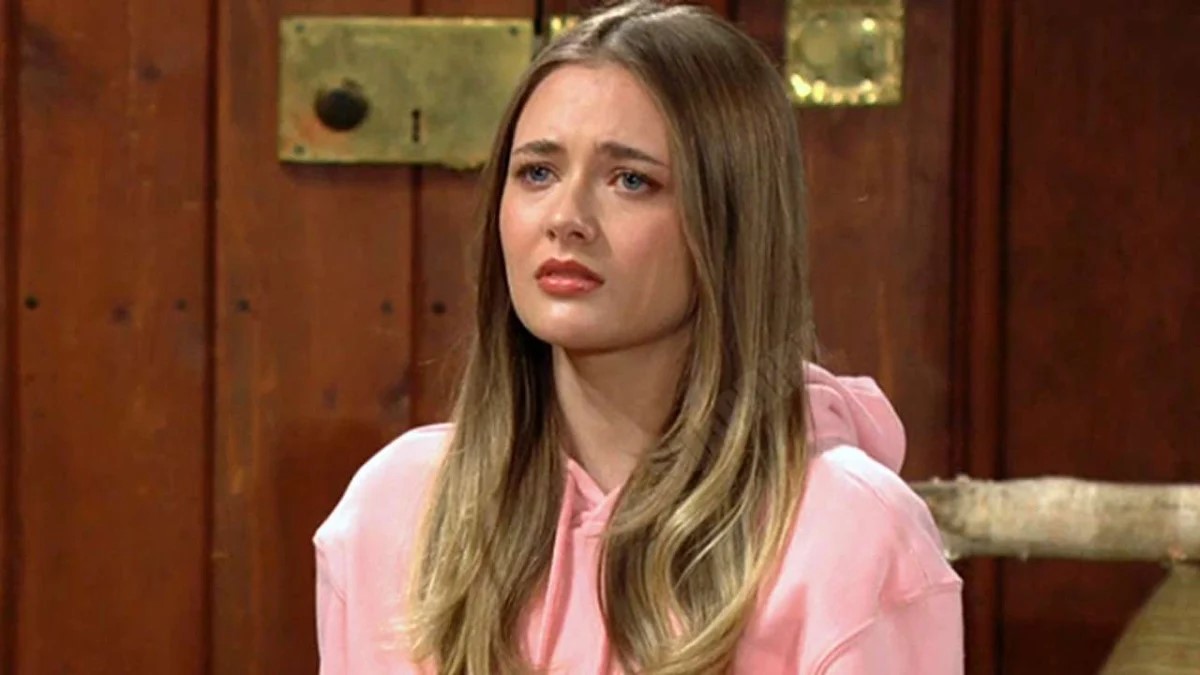
To understand what happened to Cassie Newman from a brand perspective, one must first understand the “Newman Family” as a corporate identity. Within the ecosystem of The Young and the Restless, the Newman brand is synonymous with power, resilience, and industrial dominance. Cassie Newman, portrayed by Camryn Grimes, served as the “emotional equity” of this brand.
Building Emotional Equity with the Audience
In brand strategy, emotional equity refers to the depth of the relationship between the consumer (the viewer) and the brand. For years, Cassie was positioned as the moral compass of the Newman family. By placing an innocent, vulnerable character at the heart of a cutthroat corporate dynasty, the show’s creators built a “halo effect” around the Newman name. Viewers weren’t just invested in Victor Newman’s business exploits; they were invested in the preservation of the family unit. Cassie was the ultimate “brand promise” of hope and a better future for the next generation.
The Newman Family as a Corporate Identity
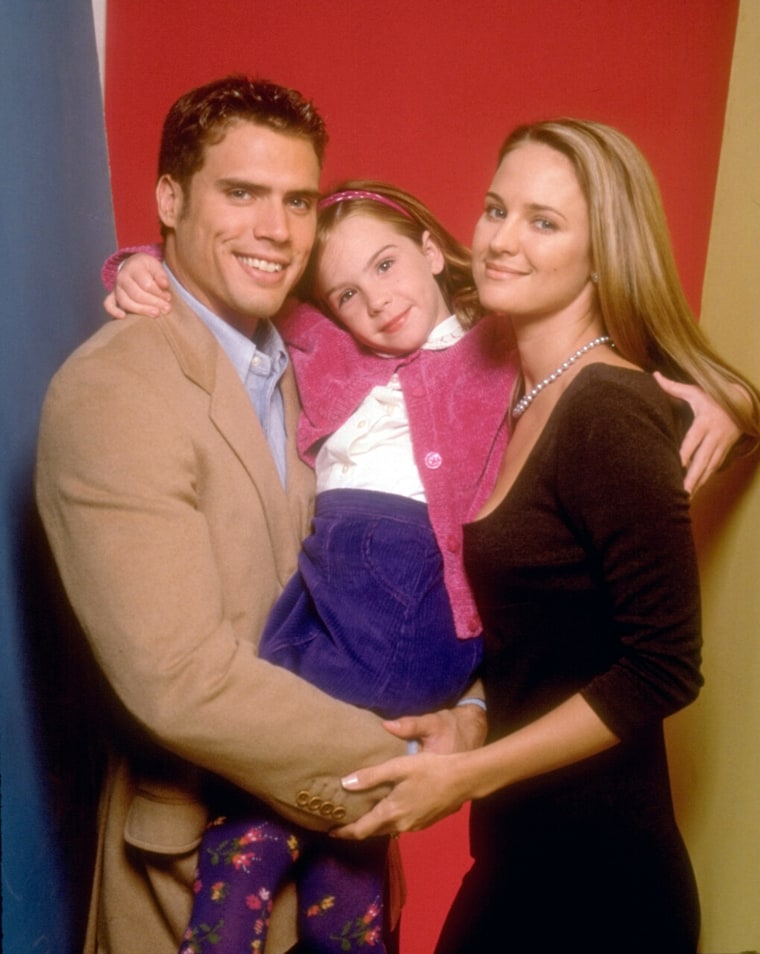
The Newman family functions much like a real-world luxury brand such as LVMH or Porsche. It carries a set of expectations: wealth, high-stakes drama, and a sense of “untouchability.” Cassie’s presence humanized this corporate identity. Her character was a strategic bridge that allowed the audience to sympathize with the otherwise ruthless characters of Nick and Sharon Newman. When a brand builds this much reliance on a single asset, any change to that asset is seen as a significant market shift.
The Branding Pivot: Navigating a High-Risk Narrative Decision
In 2005, the decision was made to kill off the character of Cassie Newman following a tragic car accident. In the business of entertainment, this is the equivalent of a company discontinuing its most popular flagship product. It was a disruptive rebranding move that aimed to shock the “market” (the audience) into a new phase of engagement.
Managing the Backlash of Brand Deconstruction
When a brand undergoes a radical change, consumer backlash is inevitable. The decision to remove Cassie was met with significant resistance. However, from a strategic standpoint, the “Cassie brand” had reached a point of saturation. By executing a “brand deconstruction”—removing the character through a high-impact event—the producers generated massive ratings spikes, which is the daytime television equivalent of a surge in stock price. The “Cassie’s Death” arc remains one of the most-watched periods in the show’s modern history, proving that even a negative brand event can yield high engagement if handled with narrative precision.
Maintaining Consistency in the Midst of Loss
The challenge for Y&R was maintaining the Newman brand identity without its moral center. The writers utilized the aftermath of Cassie’s death to “rebrand” Nick and Sharon Newman. No longer the golden couple, they became figures of grief, complexity, and eventually, conflict. This shift allowed the show to pivot from a family-oriented brand to a more mature, angst-driven drama. In marketing terms, this is a “product pivot,” where the core features remain the same (the characters), but the value proposition (the tone of the story) is fundamentally altered to appeal to a changing demographic.

Character Revitalization and Brand Extensions
One of the most fascinating aspects of what happened to Cassie Newman is how the show’s “brand managers” (the writers and producers) managed to bring the asset back without undoing the impact of the original exit. This was achieved through two distinct strategic moves: the use of “Legacy Motif” and the “Brand Relaunch.”
The Ghost of Cassie as a Recurring Motif
Brands often use “retro” marketing to tap into nostalgia, and The Young and the Restless did exactly this with Cassie. For years after her death, Cassie appeared as a vision or a ghost during pivotal moments for her parents. This kept the “Cassie brand” alive in the minds of the audience without the need for a full-time contract. It served as a “legacy asset”—a way to trigger emotional responses and maintain brand continuity across decades. By keeping Cassie’s memory at the forefront, the show ensured that her original emotional equity never fully depreciated.
Introducing Mariah Copeland: The Strategic “Brand Relaunch”
In 2014, the show executed a masterstroke of brand extension by bringing Camryn Grimes back to the show, not as Cassie, but as her secret twin sister, Mariah Copeland. This is a classic example of a “Brand Relaunch.” The producers took the “packaging” the audience loved (the actress) and filled it with a “new formula” (a cynical, edgy character).
Mariah Copeland was the anti-Cassie. While Cassie was the “Pure Brand,” Mariah was the “Rebel Brand.” This allowed the show to recapture the audience’s loyalty to the actress while providing fresh, untapped narrative territory. It was a way to apologize to the consumers for the loss of the original product while offering a contemporary upgrade that fit the evolving landscape of 21st-century television.
Lessons in Long-Term Brand Longevity
The saga of Cassie Newman offers several vital lessons for anyone interested in personal branding, corporate strategy, or media management. It demonstrates that a brand is not static; it is a living entity that must evolve to survive.
Leveraging Nostalgia to Secure Viewer Loyalty
Nostalgia is one of the most powerful tools in any brand’s arsenal. By constantly referencing Cassie—through photos on the mantel, anniversary episodes, and character dialogue—The Young and the Restless reinforces its own history. This creates a “Moat” around the brand. Competitors (new streaming shows) cannot compete with the 30-year history that Y&R has with its audience. Cassie’s story is a cornerstone of that history. In the business world, this is akin to Coca-Cola reminding consumers of its heritage to maintain market dominance against newer, flashier competitors.
The Ripple Effect: How One Choice Defines a Multi-Decade Franchise
The decision of what happened to Cassie wasn’t just a 2005 plot point; it was a decision that defined the next twenty years of the Newman brand. It led to the breakdown of Nick and Sharon, the introduction of several new characters, and the eventual “redemption arc” of the Newman family.
In brand strategy, we call this the “Ripple Effect.” A single, high-stakes decision can create value for years to come. By choosing to end Cassie’s life, the show’s managers created a “void” that they could then spend two decades filling with new drama, new characters, and new marketing opportunities. It was a calculated risk that transformed a stable brand into a dynamic, unpredictable powerhouse.
Ultimately, the story of Cassie Newman is a testament to the power of narrative branding. It shows that even in the face of loss, a well-managed brand can find a way to reinvent itself, honor its past, and secure its future. For The Young and the Restless, Cassie wasn’t just a character who died in a car crash; she was a strategic asset whose “discontinuation” paved the way for a more resilient and multi-faceted franchise. As the show continues to dominate the airwaves, the “Cassie Brand” remains a vital part of its corporate DNA, proving that in the world of branding, some legacies truly never die.
aViewFromTheCave is a participant in the Amazon Services LLC Associates Program, an affiliate advertising program designed to provide a means for sites to earn advertising fees by advertising and linking to Amazon.com. Amazon, the Amazon logo, AmazonSupply, and the AmazonSupply logo are trademarks of Amazon.com, Inc. or its affiliates. As an Amazon Associate we earn affiliate commissions from qualifying purchases.