
In the landscape of American rock and roll, few names evoke the same sense of weathered reliability as Bob Seger. For decades, the question “What happened to Bob Seger?” has trended across search engines, usually prompted by his long periods of public silence or his late arrival to the digital streaming era. However, from a brand strategy perspective, what “happened” to Bob Seger wasn’t a disappearance or a decline; it was a masterclass in brand preservation.
Seger’s trajectory offers a profound case study in how a personal brand can achieve longevity by leaning into authenticity, managing scarcity, and understanding the power of a specific demographic niche. While other icons of the 1970s and 80s pivoted to chase trends, Seger remained the “Working Class Hero” of the Midwest, a move that solidified a brand identity that remains impenetrable today.
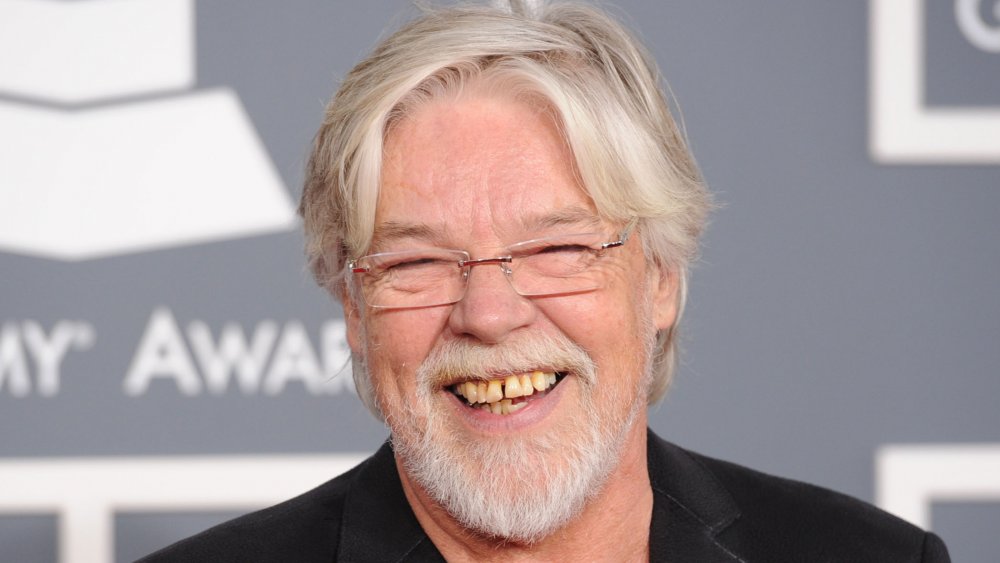
The Architecture of the Working-Class Persona
The foundation of the Bob Seger brand was never about flash or artifice. Instead, it was built on a foundation of relatability and the elevation of the “everyman.” In marketing terms, Seger identified a massive, underserved segment of the population—the blue-collar workforce of Middle America—and became their undisputed sonic representative.
Defining the Blue-Collar Aesthetic
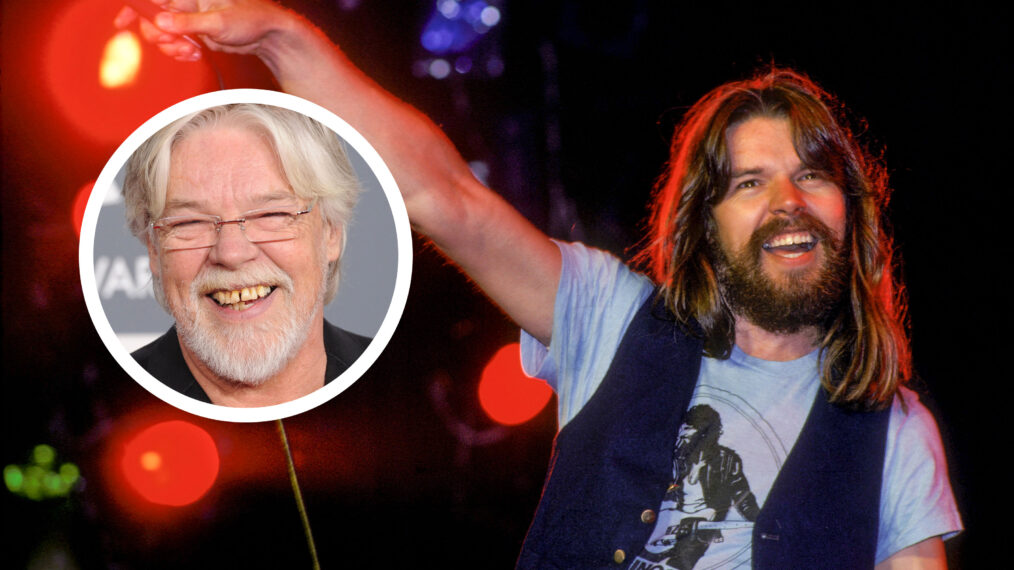
A successful brand requires a consistent visual and narrative language. For Seger, this was the “jeans and work shirt” aesthetic. Unlike the glam rock of the era or the polished pop of the 80s, Seger’s image suggested he had just walked off a factory floor or out of a local dive bar. This wasn’t just a costume; it was a brand promise. It signaled to his audience that he shared their values, their struggles, and their triumphs. By maintaining this aesthetic consistency for over fifty years, he built a level of brand trust that is nearly impossible for modern, trend-hopping artists to replicate.
The Midwest Roots as a Competitive Advantage
In brand positioning, location is often as important as product quality. Seger leveraged his Detroit roots to create a “Midwestern Mystique.” While the music industry was largely centered in Los Angeles and New York, Seger leaned into the grit of the Motor City. This geographic branding allowed him to own a specific territory. He didn’t just play rock and roll; he played “Heartland Rock.” This differentiation allowed him to stand out in a crowded marketplace, turning a regional identity into a national symbol of authenticity.
Strategic Scarcity: The Digital Vanishing Act
One of the most fascinating chapters in the Bob Seger brand story is his long-standing absence from digital platforms. For years, as the music industry migrated to iTunes and then to Spotify, Seger’s catalog remained largely unavailable. While many viewed this as a technological oversight, it functioned as a highly effective—if unintentional—strategy of scarcity.
The Delay of Streaming Services
In a world of instant gratification, scarcity can significantly drive up brand value. By withholding his music from streaming platforms until 2017, Seger created a “starvation period” for his fans. When his hits like “Night Moves” and “Against the Wind” finally arrived on Spotify, the “launch” became a major cultural event rather than a quiet update. This delay reinforced the idea that Seger’s music was a premium product, not a disposable commodity to be consumed for fractions of a penny. It forced the audience to engage with the brand on the brand’s terms, a power move in any corporate strategy.
Controlling the Narrative Through Limited Access
By staying out of the digital fray for so long, Seger also protected his brand from the “content fatigue” that plagues modern influencers and artists. He was not a brand that needed to tweet daily or post Instagram stories to remain relevant. His relevance was baked into the quality of the legacy product. This “less is more” approach ensured that when he did speak—whether through a new album or a rare interview—the marketplace listened with undivided attention. He maintained the “prestige” tier of his brand by refusing to participate in the race for constant digital visibility.
Rebranding the Legacy: From Chart-Topper to Timeless Icon
How does a brand transition from being a contemporary hit-maker to a permanent fixture of cultural history? For Bob Seger, this was achieved through strategic partnerships and the brilliant use of nostalgia marketing. He didn’t just let his music sit on a shelf; he integrated it into the fabric of American life through high-impact licensing.
The Power of Nostalgia Marketing
Nostalgia is one of the most potent tools in a brand strategist’s arsenal. Seger’s music taps into a collective memory of a specific era of American optimism and struggle. By the 1990s, his brand had shifted from “current” to “classic.” This shift was intentional. He didn’t try to modernize his sound with electronic beats or modern production. Instead, he leaned into the “classic” label, positioning his music as a timeless standard rather than a dated relic. This allowed him to maintain brand equity across multiple generations, as parents passed the “Seger brand” down to their children.
Sync Licensing and the “Like a Rock” Effect
Perhaps the most significant move in the history of the Seger brand was the licensing of “Like a Rock” to Chevrolet. This partnership, which lasted over a decade (1991–2004), is one of the longest-running and most successful brand-syncing campaigns in advertising history.
By aligning his song with the Chevy truck—the ultimate symbol of American durability—Seger didn’t just sell records; he cemented his persona as a symbol of strength and reliability. The song and the truck became synonymous. This wasn’t just a financial transaction; it was a brand reinforcement. Every time a “Like a Rock” commercial aired, it served as a multi-million dollar advertisement for the Bob Seger brand, reaching millions of people who might not have been active listeners but who now associated his voice with quality and grit.
The Final Act: Managing a Brand Retirement
In 2018 and 2019, Seger embarked on his “Roll Me Away” farewell tour. In the world of corporate identity and personal branding, the exit strategy is just as important as the launch. What happened to Bob Seger in his final years of active touring was a masterclass in “The Graceful Exit.”
The Farewell Tour Strategy
A farewell tour is a classic marketing tactic to drive “fear of missing out” (FOMO). For Seger, it was handled with a level of professionalism that honored his brand promise. There were no messy public scandals or multiple “fake” retirements. It was framed as a celebration of a job well done. By announcing a definitive end, he increased the value of the live experience, resulting in sold-out arenas across the country. He treated his retirement as a product rollout, ensuring that the final touchpoint fans had with his brand was one of high energy and gratitude.

Sustaining Equity in Silence
Today, Bob Seger has largely retreated from the public eye. However, his brand equity remains incredibly high. This is because he successfully transitioned from an “active brand” to a “legacy brand.” Like a well-managed blue-chip stock, the Seger brand now generates value through its existing assets rather than new production.
What “happened” to Bob Seger is that he achieved the ultimate goal of any brand strategist: he became a permanent icon. By staying true to his Midwestern, working-class roots, managing his digital presence with a firm hand, and choosing brand partnerships that reinforced his core values, he ensured that the name “Bob Seger” would forever be shorthand for American authenticity. He didn’t fade away; he simply finished building a monument that no longer requires his daily presence to stand.
aViewFromTheCave is a participant in the Amazon Services LLC Associates Program, an affiliate advertising program designed to provide a means for sites to earn advertising fees by advertising and linking to Amazon.com. Amazon, the Amazon logo, AmazonSupply, and the AmazonSupply logo are trademarks of Amazon.com, Inc. or its affiliates. As an Amazon Associate we earn affiliate commissions from qualifying purchases.