
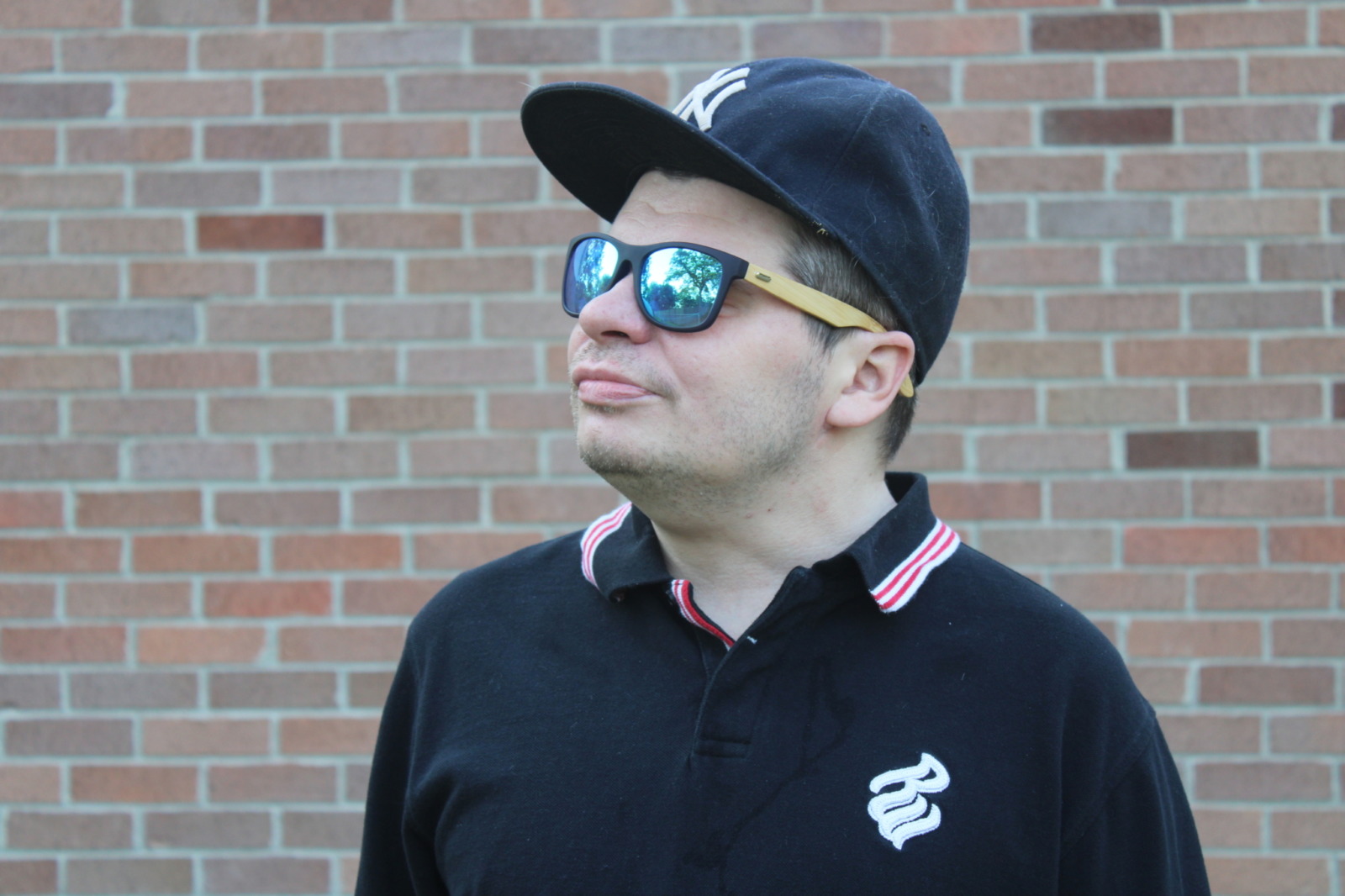
In the fast-paced world of entertainment, where viral fame often lasts as long as a social media refresh, few names resonate with as much persistent respect as Blind Fury. Born Stephen Lowry, the South Carolina native became a household name in the early 2000s, not just for his disability, but for his unparalleled lyrical dexterity and musicality. However, as the landscape of hip-hop and media shifted from cable television to social media algorithms, many fans began to wonder: what happened to Blind Fury?
From a brand strategy perspective, the story of Blind Fury is not one of disappearance, but one of evolution. It is a case study in how a personal brand can survive the transition from traditional media gatekeepers to digital independence. By analyzing his journey, we can uncover profound insights into authenticity, niche positioning, and the enduring power of a well-defined professional identity.
The Genesis of a Unique Identity: Authenticity as a Brand Pillar
To understand the current status of Blind Fury’s brand, one must look at the foundation laid during his rise to prominence. In marketing, a brand’s “origin story” is its most potent asset. For Fury, this story began on the stage of BET’s 106 & Park during the “Freestyle Friday” competitions in 2003.
The MTV and BET Launchpad: Establishing Authority
In the early 2000s, television was the ultimate brand validator. Winning “Freestyle Friday” several weeks in a row and eventually being inducted into the Hall of Fame provided Blind Fury with instant “Brand Authority.” This wasn’t just about entertainment; it was about positioning. In a genre often criticized for artifice, Fury’s brand was built on the most valuable commodity in hip-hop: authenticity. He didn’t just rap; he dominated opponents with a blend of humor, technical skill, and an undeniable stage presence that transcended his lack of sight.
Overcoming Adversity: The Disability Narrative in Branding
From a strategic standpoint, Blind Fury’s blindness was not a deficit but a “Unique Selling Proposition” (USP). However, he and his team managed this carefully. A common pitfall in personal branding for individuals with disabilities is the “inspiration porn” trap—where the person’s talent is overshadowed by their condition. Fury’s brand avoided this by ensuring that his skill was always the primary focus. His blindness became a secondary characteristic that enhanced his story of resilience, making his brand more relatable and memorable without being exploitative.
Navigating the Digital Shift: From Viral Moments to Sustainable Presence
The mid-2010s saw a massive shift in how audiences consumed content. The decline of linear television meant that stars of the “Freestyle Friday” era had to reinvent themselves or face irrelevance. Blind Fury’s transition into the digital era is a testament to the importance of platform agility.
Leveraging Early Viral Success on YouTube
When YouTube became the central hub for music discovery, Blind Fury’s team capitalized on the platform’s searchability. Videos of his past battles began to circulate, amassing millions of views. But a brand cannot live on archives alone. Fury began producing “Studio Sessions” and freestyle clips specifically for the digital audience. This move transitioned his brand from a “TV star” to a “Content Creator.” By maintaining a consistent upload schedule, he kept his brand “top-of-mind” for a generation that had never even seen him on BET.
The Power of Multimodal Talent
A key component of modern brand strategy is diversification. Blind Fury is not just a rapper; he is a multi-instrumentalist and a singer. As the “battle rap” niche became increasingly saturated and sometimes controversial, Fury expanded his brand identity to include his musicality. By showing himself playing the keyboard or singing blues-infused tracks, he appealed to a broader demographic. This diversification ensured that even if interest in battle rap waned, his brand as a “complete musician” would remain robust.

Strategic Reinvention: Maintaining Relevance in the Modern Era
If you look for Blind Fury today, you won’t find him in the tabloids; you’ll find him in the trenches of the “Creator Economy.” His current status is a reflection of a deliberate choice to prioritize community over mass-market fame—a strategy often referred to as “The 1,000 True Fans” theory.
Content Strategy: Social Media and the “Human” Element
In recent years, Blind Fury has mastered the art of short-form content. On platforms like TikTok and Instagram, he shares snippets of his life, studio sessions, and humorous interactions. This strategy humanizes the brand. In the corporate world, this is akin to a brand showing its “behind-the-scenes” process to build trust. For Fury, these interactions solidify the emotional bond with his audience, transforming casual listeners into brand advocates.
Collaborations and Building Community
Strategic partnerships are essential for brand growth. Fury has remained relevant by collaborating with both underground legends and new-age influencers. Whether it’s appearing on popular podcasts or featuring on tracks with rising stars, these collaborations serve as “cross-pollination,” introducing his brand to new audiences while maintaining his “OG” (Original Gangster) status in the hip-hop community. He has positioned himself as a mentor figure and a respected elder statesman of freestyle, a pivot that allows for aging gracefully within a youth-centric industry.
Lessons in Personal Branding for Independent Artists
What happened to Blind Fury is that he became a successful, independent entrepreneur. He bypassed the traditional “record label” model that has claimed the careers of many of his contemporaries. His journey offers several high-level takeaways for anyone looking to build a sustainable personal brand.
The Importance of Direct-to-Consumer Connection
The most significant shift in Blind Fury’s brand has been the elimination of the middleman. Through his own website, social media channels, and streaming platforms, he owns the relationship with his audience. In brand strategy, this is “First-Party Data” at its finest. By not relying on a major label to tell his story, he maintains 100% control over his narrative and his revenue streams. This independence is the ultimate goal of modern personal branding.
Protecting Intellectual Property and Creative Autonomy
Many artists from the early 2000s lost the rights to their names or their catalogs. Blind Fury’s longevity is partly due to his creative autonomy. He produces much of his own work and manages his releases. This “vertically integrated” brand model—where the creator handles production, marketing, and distribution—is the gold standard for the modern independent professional. It ensures that the brand remains consistent and that the financial rewards of the brand’s success go directly to the creator.
Conclusion: The Legacy of a Resilient Brand
In answering the question “what happened to Blind Fury,” we find a narrative of triumph over the volatility of the entertainment industry. He did not fade away; he migrated. He moved from the centralized control of television networks to the decentralized freedom of the internet.
Blind Fury’s brand today is a hybrid of nostalgic equity and modern relevance. He serves as a reminder that a brand’s “peak” doesn’t have to be a single moment in time. Instead, through consistent adaptation, authentic storytelling, and strategic community building, a brand can enjoy a long, profitable, and respected lifespan.
For marketers and creators alike, Blind Fury’s career is a blueprint for survival. It proves that while platforms will change and trends will flicker, a brand built on undeniable talent and genuine connection with the audience is indestructible. Blind Fury remains a formidable force in hip-hop, not because he stayed the same, but because he had the brand foresight to change with the world around him. He is still rapping, still playing, and most importantly, still owning his voice in an industry that often tries to silence those it can no longer commodify.
aViewFromTheCave is a participant in the Amazon Services LLC Associates Program, an affiliate advertising program designed to provide a means for sites to earn advertising fees by advertising and linking to Amazon.com. Amazon, the Amazon logo, AmazonSupply, and the AmazonSupply logo are trademarks of Amazon.com, Inc. or its affiliates. As an Amazon Associate we earn affiliate commissions from qualifying purchases.