
The digital landscape is littered with the remnants of viral sensations who captured the collective imagination for a fleeting moment before fading into obscurity. However, few creators managed to cultivate as distinct and recognizable a personal brand as Blake Wilson, known globally as “BatDad.” At his peak, Wilson was more than just a man in a plastic mask; he was a pioneer of short-form family comedy, a master of platform migration, and a case study in the power of character-driven marketing.
To understand what happened to BatDad is to understand the lifecycle of a modern personal brand. It is a story of rapid scaling, the complexities of “family-centric” content, and the inevitable tension between a public persona and a private life. In this analysis, we examine the strategic elements that built the BatDad empire and the branding lessons learned from its eventual cooling.
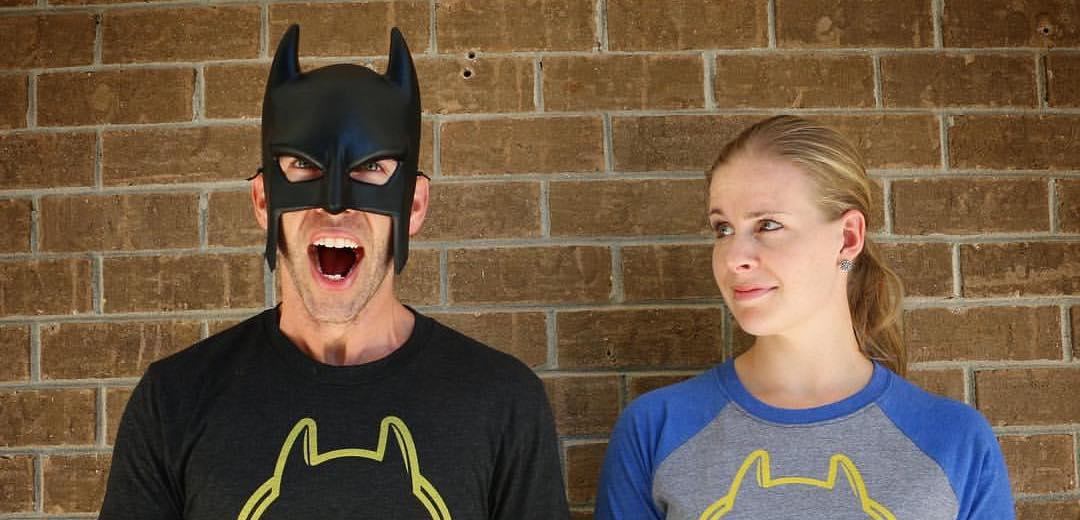
The Genesis of the BatDad Persona: A Masterclass in Character-Driven Branding
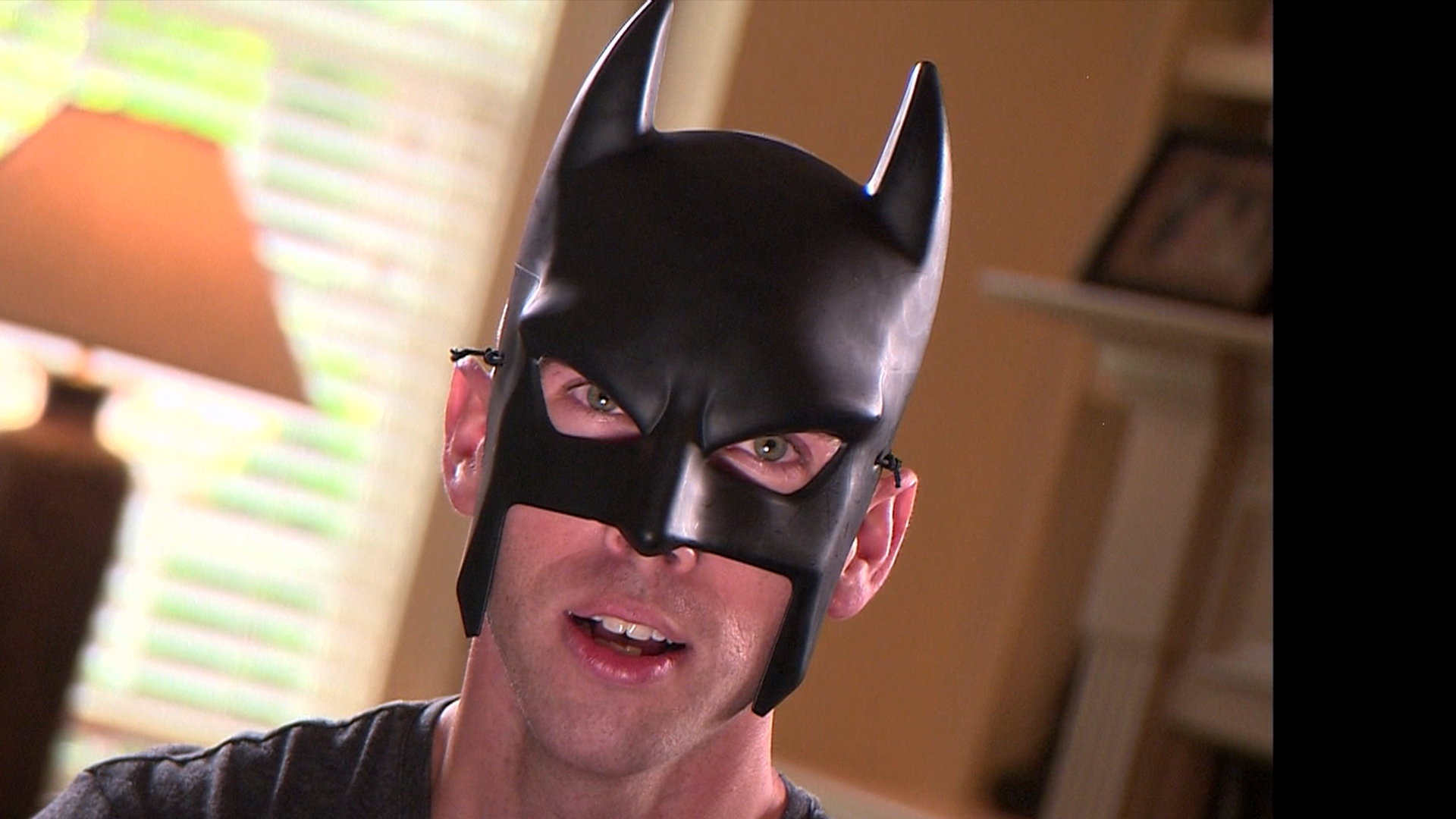
In 2013, the social media platform Vine introduced a six-second limit that forced creators to be punchy, rhythmic, and visually immediate. Blake Wilson’s creation, BatDad, was the perfect response to these constraints. By donning a Batman mask and adopting the gravelly tone of Christian Bale’s Dark Knight to narrate the mundane tasks of parenting, Wilson tapped into a universal brand sentiment: the heroic struggle of fatherhood.
Leveraging Niche Archetypes for Mass Appeal
The BatDad brand succeeded because it combined two high-value archetypes: the “Everyman” and the “Hero.” On one hand, the content was deeply relatable—dealing with messy cars, reluctant toddlers, and grocery shopping. On the other, the “Hero” mask added a layer of absurdity that made the mundane entertaining. From a brand strategy perspective, Wilson utilized a “pattern interrupt.” Viewers expected a typical dad video, but the visual and auditory cues of a superhero created a cognitive friction that made the content shareable.
The Power of Short-Form Storytelling
Long before TikTok popularized the “micro-skit,” the BatDad brand was optimized for high-retention consumption. Wilson understood that a brand’s value is often tied to the “economy of attention.” By delivering a complete narrative arc—setup, conflict, and punchline—in six seconds, he built a brand that was synonymous with efficiency. This consistency established a “Brand Promise”: if you see the BatDad thumbnail, you are guaranteed a quick laugh without a significant time investment.
Navigating the Brand Pivot: From Vine Dominance to Multi-Platform Sustainability
One of the greatest risks to any personal brand is “platform dependency.” When Twitter announced the shuttering of Vine in late 2016, many creators saw their careers evaporate overnight. Blake Wilson, however, demonstrated a sophisticated understanding of brand migration. He did not treat his audience as a static group but as a mobile community that could be led to new digital territories.
Platform Agnosticism as a Survival Strategy
Wilson’s team successfully transitioned the BatDad brand to Facebook, Instagram, and YouTube. This was not a simple act of cross-posting; it required an adaptation of the brand’s “Voice.” On Facebook, the content leaned into the “community” aspect, fostering a space where other parents could commiserate. On Instagram, the aesthetic became more polished. This agility is a hallmark of a resilient brand—being able to maintain the “Core Identity” while shifting the “Execution” to fit the medium.
Maintaining Brand Consistency Across Different Media
Consistency is the bedrock of brand trust. Despite the change in platforms and the increasing length of the videos, the “BatDad” identity remained rigid. The mask, the voice, the steering wheel shots, and the reactions of his wife, Jen, and their four children became “Brand Assets.” These recurring elements acted as sensory anchors for the audience. Even as the children grew older—a natural challenge for any family-based brand—the fundamental dynamic of “Batman vs. Reality” remained the constant that anchored the brand’s equity.

The Fragility of the “Family Brand” Archetype
The most significant shift in the BatDad narrative occurred not because of a technical failure or a change in algorithms, but because of a shift in the brand’s core cast. For years, the BatDad brand was marketed as a holistic family unit. However, personal branding that is heavily reliant on interpersonal dynamics faces a unique set of vulnerabilities.
The Impact of Personal Life Transitions on Professional Identity
In 2019, it was revealed that Blake and his wife, Jen, had separated. For many lifestyle brands, a divorce is more than a personal tragedy; it is a “brand crisis.” Jen had served as the “straight man” to Blake’s chaotic Batman persona. Her deadpan reactions were essential to the brand’s comedic timing. When the family unit changed, the brand’s “Product-Market Fit” was thrown into question.
From a strategic standpoint, this highlights the danger of “Single-Point Failure” in branding. If a brand’s value proposition is tied too closely to a specific relationship or dynamic, any change to that dynamic requires a total brand overhaul. Following the separation, the frequency of BatDad content decreased significantly, marking a pivot from a high-output commercial brand to a more sporadic, hobbyist project.
Managing Audience Expectations During a Hiatus
In the wake of his personal changes, Wilson took a step back from the relentless production schedule. In the world of digital branding, silence is often interpreted as obsolescence. However, Wilson’s “strategic withdrawal” allowed the brand to age gracefully rather than forcing a dynamic that no longer felt authentic.
A personal brand is, at its heart, an emotional contract with the audience. By not attempting to “re-brand” the divorce or exploit the situation for clicks, Wilson preserved the integrity of the original BatDad legacy. This choice favored “Brand Equity” over “Short-term Monetization,” a move that is rare in the influencer economy but vital for long-term reputation management.
Lessons in Personal Brand Longevity and Digital Legacy
Today, “What happened to BatDad?” is a common search query because the brand occupied such a significant space in the early social media zeitgeist. While Wilson still posts occasionally, the “BatDad” brand has transitioned from an active commercial entity into a legacy brand. This evolution offers several critical insights for modern creators and marketers.
Defining Success Beyond Constant Visibility
The modern digital economy suggests that if you aren’t growing, you are dying. The BatDad trajectory challenges this. Wilson reached a level of success that allowed him the luxury of stepping away. For many personal brands, the “Exit Strategy” is never considered. BatDad provides an example of a “Graceful Sunset.” By prioritizing his children’s privacy as they entered their teenage years and focusing on his personal well-being, Wilson demonstrated that a brand’s health is not always measured in followers, but in the creator’s ability to control the narrative of their own departure.
The Future of Influencer Branding in the Post-Vine Era
The story of BatDad is also the story of the professionalization of the influencer. What started as a man making his kids laugh in a suburban driveway turned into a global marketing phenomenon that collaborated with major studios and brands. It proved that character-based branding—where a persona is used to filter real-life experiences—is one of the most effective ways to build a loyal community.
As we look at the current landscape of TikTok and Reels, we see the DNA of BatDad in every creator who uses a recurring “gimmick” to explore universal truths. The brand’s “Value Proposition”—humor as a coping mechanism for the stress of adulthood—remains as relevant today as it was in 2013.
In conclusion, the “disappearance” of BatDad is not a failure of branding, but a natural conclusion to a specific chapter of digital history. Blake Wilson built a brand that was perfectly tuned to its era, navigated the death of its primary platform, and eventually chose personal integrity over the demands of the “always-on” creator economy. The legacy of BatDad serves as a reminder that while masks can make you famous, it is the strategic management of the person behind the mask that determines the longevity of the brand. For marketers and creators alike, the BatDad saga is a masterclass in the rise, the pivot, and the eventual quietude of a digital icon.
aViewFromTheCave is a participant in the Amazon Services LLC Associates Program, an affiliate advertising program designed to provide a means for sites to earn advertising fees by advertising and linking to Amazon.com. Amazon, the Amazon logo, AmazonSupply, and the AmazonSupply logo are trademarks of Amazon.com, Inc. or its affiliates. As an Amazon Associate we earn affiliate commissions from qualifying purchases.