
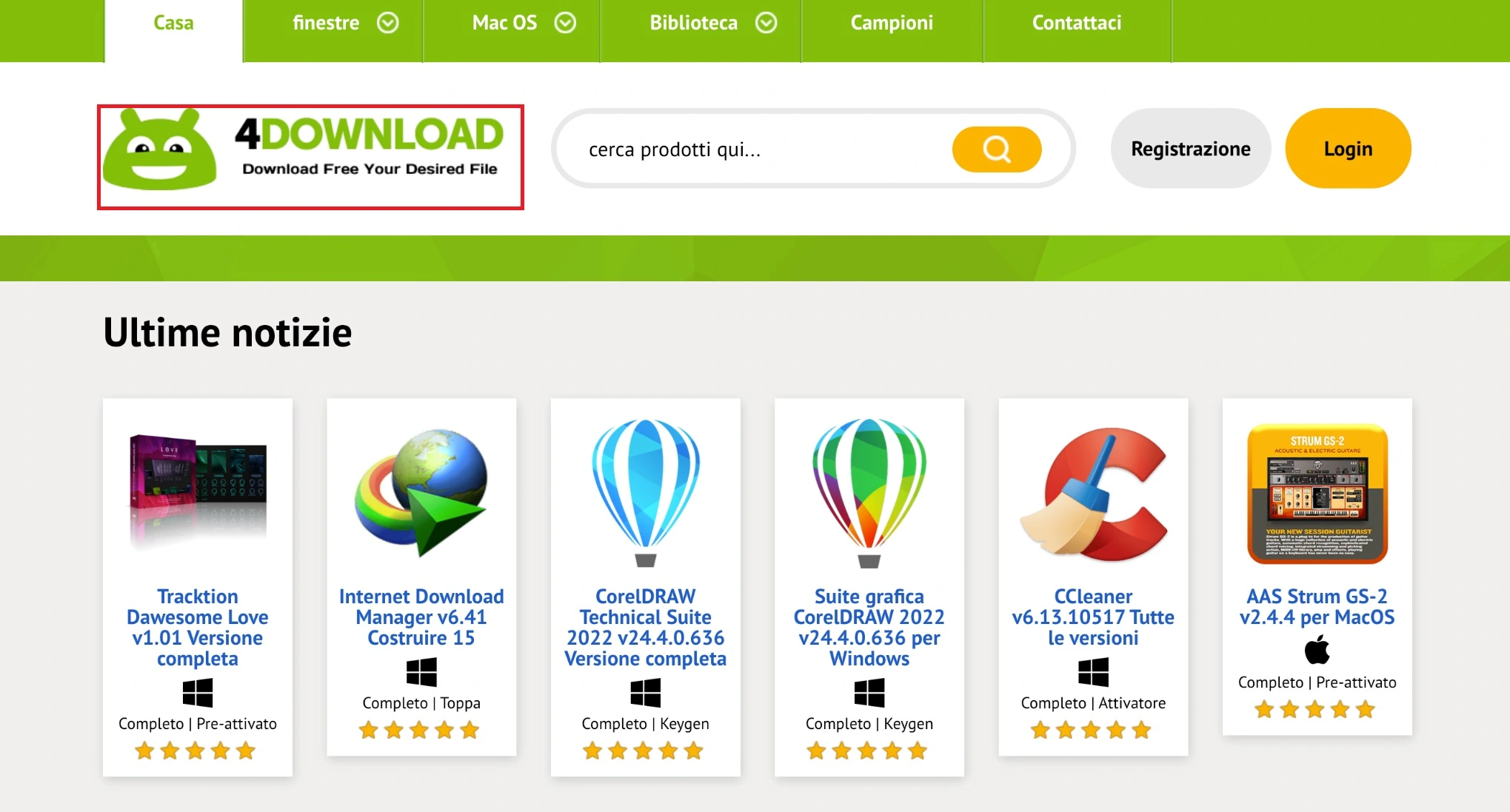
For over a decade, the digital landscape for creative professionals—specifically music producers, graphic designers, and video editors—was significantly influenced by a handful of “grey-market” software repositories. Among the most prominent names in this niche was 4download. Known for providing a vast library of Virtual Studio Technology (VST) plugins, digital audio workstations (DAWs), and high-end creative suites, the site became a staple for those looking to bypass the high entry costs of professional software.
However, in recent months, users attempting to navigate to the familiar domain have been met with redirects, “domain not found” errors, or entirely new branding. The disappearance and subsequent transformation of 4download is not merely a story of a single website going offline; it is a reflection of the shifting tech landscape regarding digital rights management (DRM), cybersecurity trends, and the evolving infrastructure of the internet.
The Rise and Fall of 4download: A Digital History
To understand what happened to 4download, one must first understand its position in the software ecosystem. Unlike general torrent sites, 4download carved out a niche by specializing in creative tools. It offered pre-activated or “cracked” versions of industry-standard software from giants like Adobe, Waves, and Image-Line.
The Hub for Audio Engineers and Creators
The site gained a massive following because it catered to the specific needs of the “bedroom producer” community. Music production software is notoriously expensive, often costing thousands of dollars for a complete suite of professional plugins. 4download simplified the process of acquiring these tools, providing direct downloads rather than relying solely on the complexities of peer-to-peer (P2P) file sharing. This accessibility made it a primary destination for the tech-savvy creative community.
Why 4download Stood Out in a Crowded Market
In a market saturated with malicious sites, 4download built a reputation for relative reliability. While no unauthorized software site is truly “safe,” users often perceived 4download as a curated platform. The files were frequently updated, and the site maintained a level of organizational quality that rivaled legitimate storefronts. This perceived stability made its sudden disappearance particularly jarring for its millions of monthly visitors.
The Sudden Rebranding: From 4download to GetALoadOfThis
The most direct answer to “what happened” is a strategic rebranding. In an effort to evade increasing legal pressure and search engine de-indexing, the site owners transitioned the platform to a new domain: GetALoadOfThis (GALOT). This move was not just a name change; it represented a migration of the entire database to a new infrastructure designed to be more resilient against Digital Millennium Copyright Act (DMCA) takedown notices and domain seizures by authorities.
Understanding the Shift: Why Sites Like 4download Rebrand or Disappear
The lifecycle of a software repository is often dictated by external pressures. The transition from 4download to its successor reflects a broader trend in how the tech industry handles unauthorized content distribution.
Legal Pressure and DMCA Challenges
Software companies have become increasingly aggressive in protecting their intellectual property. Through automated systems, companies like Adobe and various VST developers monitor the web for unauthorized distributions. When a site like 4download reaches a certain threshold of popularity, it becomes a “high-value target.” Constant DMCA notices sent to hosting providers and domain registrars eventually make a specific domain untenable, forcing the administrators to “hop” to a new URL to stay online.
Domain Seizures and the “Cat and Mouse” Game
In the tech world, this is often referred to as the “cat and mouse” game of the internet. When a domain is seized or blacklisted by Google Search—rendering it invisible to most users—the operators simply clone the site onto a new top-level domain (TLD), such as .net, .ru, or .to. This architectural agility allows these repositories to persist even when their primary “brand” is dismantled.
The Strategic Move to New Infrastructure
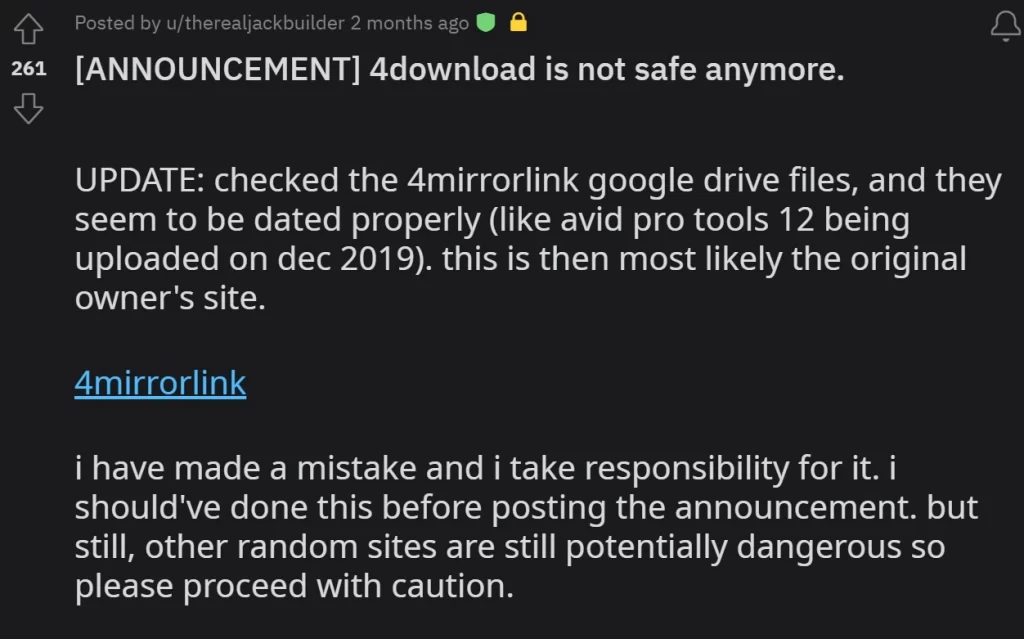
Rebranding also allows site operators to clean up their technical debt. A new site often comes with better server optimization, more robust encryption to hide user data from ISPs, and more sophisticated methods of hosting files that are harder for automated bots to detect. For 4download, the shift to “GetALoadOfThis” was a way to reset their digital footprint while retaining their core user base through redirects and community announcements on forums and Discord.
The Cybersecurity Risks of Third-Party Software Distribution
While the rebranding of 4download explains its disappearance, it also highlights the significant technological risks associated with using such platforms. From a technical standpoint, downloading executables from unverified sources is one of the most dangerous activities a user can perform.
Malware, Adware, and the Hidden Costs of “Free”
The primary concern with sites like 4download is the integrity of the installers. Since the software is “cracked,” the original security certificates provided by the developer are stripped away. This allows third parties to inject malicious code into the software. This can range from simple adware that slows down the system to sophisticated ransomware that encrypts the user’s entire hard drive.
The Integrity of Cracked Executables
When a piece of software is bypassed (cracked), it usually involves modifying the .exe or .dll files. This modification fundamentally changes how the software interacts with the computer’s memory and operating system. For a creative professional, this introduces a high risk of system instability. In the tech community, it is well-known that “cracked” VSTs often cause DAWs to crash during critical sessions, potentially leading to data loss that far outweighs the cost of the original software.
Safe Practices in the Modern Tech Landscape
As the technology behind malware becomes more advanced—incorporating fileless attacks and obfuscated scripts—the “community trust” model that 4download relied on is becoming less reliable. Modern antivirus solutions often flag these files not just because they are unauthorized, but because their behavior (modifying system registries) mimics that of a Trojan horse. For users, the disappearance of the original 4download serves as a reminder that these platforms are temporary and inherently volatile.
The Future of Software Access: Legitimacy vs. Accessibility
The evolution of 4download occurs at a time when the software industry is undergoing a massive shift in how products are sold and protected. This shift is both a reaction to piracy and a driver of it.
The SaaS Model and Subscription Fatigue
Most major software developers have moved to a “Software as a Service” (SaaS) model. Adobe Creative Cloud and Avid Pro Tools now require monthly subscriptions. While this lowers the initial cost of entry, it has led to “subscription fatigue” among users who feel they no longer “own” their tools. This technological shift is a primary reason why sites like 4download remain popular despite the risks; users are searching for perpetual licenses that the modern tech industry is increasingly unwilling to provide.
Open Source Alternatives to Premium Plugins
A significant tech trend emerging from the volatility of sites like 4download is the rise of high-quality open-source software. Tools like Blender (for 3D modeling), DaVinci Resolve (which offers a robust free tier for video editing), and various open-source VSTs are providing a legitimate path for creators. These tools offer the security of verified code without the financial barrier, effectively competing with the “grey market” by offering better stability and safety.

Ethical and Technical Considerations for Digital Creators
As we look forward, the “what happened to 4download” saga illustrates the end of an era of easy, unmonitored software piracy. With the implementation of cloud-based DRM and “always-on” internet requirements for software validation, the technical feasibility of maintaining sites like 4download is shrinking. Digital creators are increasingly faced with a choice: risk their system’s security and professional reliability on redirected “mirror” sites, or migrate toward legitimate, often open-source, ecosystems.
In conclusion, 4download didn’t so much disappear as it evolved into a more elusive form. While the site lives on under new names and different domains, the landscape it inhabits is becoming increasingly dangerous and legally fraught. For the tech-savvy professional, the story of 4download is a cautionary tale about the fragility of the “free” internet and the importance of maintaining a secure, stable, and legitimate digital workstation.
aViewFromTheCave is a participant in the Amazon Services LLC Associates Program, an affiliate advertising program designed to provide a means for sites to earn advertising fees by advertising and linking to Amazon.com. Amazon, the Amazon logo, AmazonSupply, and the AmazonSupply logo are trademarks of Amazon.com, Inc. or its affiliates. As an Amazon Associate we earn affiliate commissions from qualifying purchases.