
In the landscape of modern music and creative industries, collaborations are often viewed through the lens of artistic output. However, from a strategic perspective, high-profile projects like the 2016 mixtape 1017 vs. the World represent much more than a collection of songs. They are masterclasses in brand positioning, market cross-pollination, and the merging of distinct corporate and personal identities. When Gucci Mane’s 1017 Records joined forces with Lil Uzi Vert’s “Vs. The World” persona, it wasn’t just a musical event; it was a calculated branding move that sought to bridge the gap between two generations of consumer demographics.

Understanding what happened to this specific collaborative brand requires an analysis of how personal branding evolves, the shelf life of joint ventures, and how a singular moment in time can influence the long-term equity of the parties involved. This article explores the branding mechanics behind the collaboration and the legacy it left on the “1017” and “The World” brand narratives.
The Intersection of Two Distinct Brand Identities
To understand the impact of the collaboration, one must first deconstruct the individual brands that were at play. In 2016, both Gucci Mane and Lil Uzi Vert were at pivotal stages of their brand lifecycles, and their merger was a tactical alignment of “legacy” and “disruption.”
Gucci Mane’s 1017: The Legacy of a Trap Empire
The “1017” brand, spearheaded by Radric “Gucci Mane” Davis, has always been synonymous with productivity, street authenticity, and a relentless output of content. By the time 1017 vs. the World was released, Gucci Mane had transitioned from a volatile figure in the industry to a reformed, elder statesman of the genre. The 1017 brand was being repositioned as an incubator for talent—a seal of approval that signaled to the market that a newcomer was ready for the big leagues. For Gucci Mane, the collaboration was a way to maintain brand relevance by associating his established “Trap God” persona with the burgeoning “SoundCloud era” movement.
Lil Uzi Vert: The Rise of the New Age Digital Rockstar
Conversely, the “Vs. The World” branding was the cornerstone of Lil Uzi Vert’s early identity. Drawing heavily from Scott Pilgrim and anime aesthetics, Uzi’s brand was built on emotional vulnerability, high-energy visuals, and a rejection of traditional genre boundaries. His brand represented the “New World”—a digital-first audience that valued individuality and genre-bending. By aligning with 1017, Uzi was able to borrow “street credit” and institutional gravity from Gucci Mane, effectively grounding his high-concept digital persona in a more traditional market framework.
Strategic Branding: Why ‘Vs. the World’ Worked
The success of a collaborative brand is rarely accidental. It relies on a “1+1=3” philosophy, where the combined entity is more valuable than the sum of its parts. 1017 vs. the World utilized several key branding strategies that allowed it to capture the zeitgeist of the mid-2010s.
Tapping into Overlapping Demographics
From a marketing standpoint, the collaboration was a genius move in demographic expansion. Gucci Mane’s core audience consisted of older millennials and hip-hop traditionalists who valued the Southern rap lineage. Lil Uzi Vert’s audience was primarily Gen Z, focused on streaming platforms and social media virality. By merging these two brands into a single project, the creators forced an overlap. Gucci Mane was introduced to a younger, tech-savvy audience, while Uzi gained the respect of a more seasoned listener base. This cross-pollination increased the total addressable market (TAM) for both artists, ensuring that their individual brands would see a “halo effect” long after the project concluded.
The Visual Aesthetic and Cover Art as Brand Assets
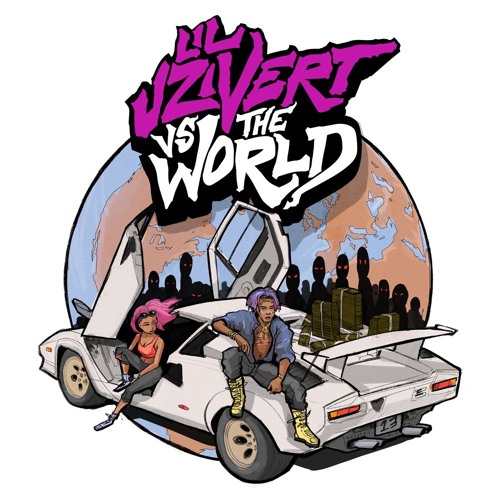
In the world of branding, visual identity is everything. The cover art for 1017 vs. the World—a vibrant, cartoon-inspired depiction of both artists—served as a powerful brand asset. It utilized Lil Uzi Vert’s established “Lil Uzi Vert vs. The World” art style (created by artist Farris) but integrated Gucci Mane into that universe. This was a symbolic “merger and acquisition” of sorts. By placing Gucci Mane into Uzi’s visual world, the brand messaged that 1017 was not stuck in the past; it was adaptable, modern, and youthful. This visual consistency helped the project stand out in a crowded digital marketplace, making it instantly recognizable and highly shareable on visual-heavy platforms like Instagram and Tumblr.
The Evolution of the 1017 Brand Post-Collaboration
While the mixtape was a snapshot in time, the brands involved continued to evolve in divergent ways. “What happened” to the collaboration is that it served as a launchpad for a significant pivot in how Gucci Mane managed his corporate identity.
From Label to Mentorship: Gucci Mane’s Brand Pivot
Following this collaboration, Gucci Mane refined the 1017 brand to become a premiere scouting agency. He realized that his brand equity was most valuable when used to elevate others. This led to the formation of “The New 1017,” where he focused on signing a fresh roster of artists. The partnership with Uzi had proven that Gucci’s brand could successfully integrate with the “new school.” Consequently, the 1017 brand shifted its focus from Gucci Mane as the sole protagonist to 1017 as a platform for growth. The brand became more corporate, more structured, and focused on long-term talent development rather than just high-volume mixtape releases.
The Fragility of Collaborative Brands in Music
In the world of brand strategy, collaborative brands are often “flash brands”—they exist for a specific campaign and then dissolve back into their original components. 1017 vs. the World suffered this fate, but by design. Unlike a permanent group or a business merger, this was a temporary joint venture meant to boost quarterly engagement and streaming numbers. The collaboration eventually took a backseat as Lil Uzi Vert’s personal brand grew to such heights that he no longer needed the “1017” endorsement. As Uzi became a global superstar with a distinct, solo brand narrative, the “Vs. The World” moniker became a legacy piece of his history rather than an active, ongoing partnership.
Measuring the Long-Term ROI of the Joint Venture
When a brand asks “what happened” to a specific project, they are often looking for the Return on Investment (ROI). For 1017 vs. the World, the ROI was not just in immediate sales, but in long-term brand equity and market positioning.
Streaming Longevity and Residual Brand Equity
Even years after its release, the project remains a high-performing asset in the digital catalogs of both artists. From a financial perspective, the project serves as “evergreen content” that continues to generate royalties and maintain brand awareness. More importantly, it established a blueprint for how legacy brands and emerging brands should interact. It showed that a legacy brand (1017) does not lose its identity by collaborating with a younger disruptor; instead, it gains a “cool factor” that prevents brand stagnation.
Lessons for Modern Marketers and Creative Partnerships
The “1017 vs. the World” experiment provides several takeaways for contemporary brand strategists:
- Brand Archetypes Matter: The project succeeded because it paired the “Ruler” archetype (Gucci Mane) with the “Explorer/Outlaw” archetype (Lil Uzi Vert). The tension between these two roles created a compelling narrative.
- Visual Continuity is Key: Using a recognizable visual style (Uzi’s anime aesthetic) ensured that the new product felt like part of an established “brand family” rather than a random outlier.
- Timing is Strategic: The collaboration happened exactly when both brands needed a boost in the other’s territory. Strategy is as much about when as it is about what.
Conclusion: The Legacy of a Brand Collision
In the end, what happened to 1017 vs. the World is that it became a foundational case study in how to execute a successful creative merger. It didn’t need to last forever to be successful; its purpose was to act as a bridge between two eras of entertainment.
Today, the “1017” brand remains a powerhouse in the music industry, known for its ability to spot and cultivate new talent, a reputation bolstered by the success of the Uzi collaboration. Meanwhile, Lil Uzi Vert has solidified his place as a brand icon who can navigate both high-fashion and street-level markets.
The project remains a testament to the power of strategic alignment. By understanding their own brand values and recognizing the strengths of their partners, Gucci Mane and Lil Uzi Vert created a collaborative entity that not only dominated the charts in 2016 but also provided a roadmap for how personal branding can be leveraged to achieve mutual, long-term growth in an ever-evolving digital economy. For any brand looking to expand its reach, the story of 1017 vs. the World serves as a reminder that “versus” doesn’t always mean conflict—sometimes, it’s the most effective way to build a bridge to the future.
aViewFromTheCave is a participant in the Amazon Services LLC Associates Program, an affiliate advertising program designed to provide a means for sites to earn advertising fees by advertising and linking to Amazon.com. Amazon, the Amazon logo, AmazonSupply, and the AmazonSupply logo are trademarks of Amazon.com, Inc. or its affiliates. As an Amazon Associate we earn affiliate commissions from qualifying purchases.