
The internet, as we know it, is a constantly evolving landscape. Trends emerge, dominate, and then, often with surprising speed, fade into the digital ether. Some phenomena, however, leave an indelible mark, prompting discussions about their creators, their longevity, and their ultimate fate. One such phenomenon that captured the internet’s attention, and perhaps its ire, was “Annoying Orange.” For a period, its distinctive, high-pitched voice and penchant for puns were ubiquitous, a staple of early viral internet content. But as quickly as it rose, the question of its current relevance, and indeed, what happened to this digital fruit, began to surface.
To understand the trajectory of Annoying Orange, we need to look beyond its surface-level absurdity and delve into the underlying forces at play. This involves examining the Brand strategy that propelled it to fame, the technological shifts that influenced its dissemination and evolution, and the economic models that underpinned its continued existence. While the concept of a talking, annoying fruit might seem trivial, its journey reflects broader trends in online content creation, audience engagement, and the ever-present quest for monetization in the digital age.
The Rise of a Digital Fruit: From Novelty to Brand
Annoying Orange didn’t simply materialize into our digital lives; it was a carefully crafted product of ingenuity and an understanding of nascent internet culture. The premise was simple, almost absurdly so: a CGI-animated orange with a grating voice, interacting with various fruits and vegetables, often culminating in them being diced, juiced, or otherwise prepared for consumption. Yet, this simplicity was its strength.
Early Viral Mechanics and the Power of YouTube
The initial success of Annoying Orange was intrinsically linked to the burgeoning power of YouTube. Launched in 2009 by Dane Boedigheimer, the series capitalized on the platform’s algorithm and the internet’s appetite for easily digestible, shareable content. Early viral hits were often characterized by their novelty, humor that was often off-kilter, and the sheer “shareability” factor. Annoying Orange fit this mold perfectly. Its short, punchy videos, filled with groan-inducing puns and a distinct visual style, were ideal for the platform.
The use of Tech in the form of CGI animation, though rudimentary by today’s standards, was effective. It provided a unique visual identity that set it apart from other YouTube creators. The technology allowed for expressive facial animations and a distinct personality for Orange, making him memorable, for better or worse. This early reliance on readily accessible digital tools was a hallmark of the YouTube era, where creativity and a good idea could trump high production values.
Building a Brand Beyond the Orange
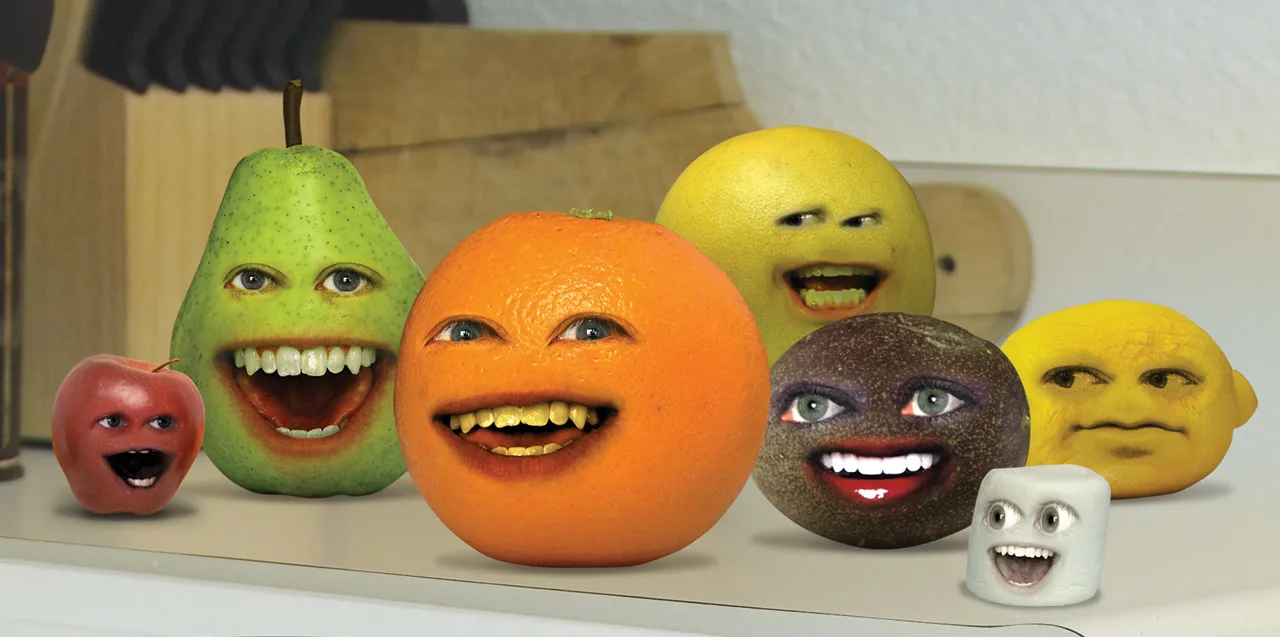
What distinguishes Annoying Orange from a fleeting internet fad is the strategic approach taken by its creators to build it into a recognizable Brand. Recognizing that the initial novelty might wear off, the team behind Annoying Orange began to expand the universe. This involved introducing a cast of supporting characters, each with their own distinct personalities and catchphrases, much like a traditional animated series. Characters like Pear, Passion Fruit, and Apple provided new dynamics and opportunities for comedic interplay, broadening the show’s appeal.
Furthermore, the Brand extended beyond the confines of YouTube. Annoying Orange ventured into merchandise, appearing on T-shirts, toys, and other consumer products. This was a crucial step in solidifying its presence and capitalizing on its popularity. The ability to translate an online personality into tangible goods is a testament to successful brand building, transforming a digital meme into a marketable entity. This also signaled a shift from pure internet entertainment to a more traditional media approach, albeit one born online.
The Brand Strategy was, in essence, about creating a consistent and recognizable identity that resonated with its target audience – primarily a younger demographic familiar with internet humor and animation. The repetitive nature of the jokes, the distinctive voice, and the visual style all contributed to a strong brand recall. This laid the groundwork for potential future ventures and sustained engagement.
The Evolution of Online Content and Annoying Orange’s Shifting Relevance
The internet is not a static entity; it is a dynamic ecosystem where technological advancements and changing user preferences constantly reshape the content landscape. Annoying Orange’s journey, therefore, is also a story of adaptation and the challenges of maintaining relevance in the face of evolving digital trends.
Adapting to New Platforms and Formats
As new social media platforms emerged and user consumption habits shifted, Annoying Orange, like many established online entities, had to adapt. While YouTube remained its primary home, the creators explored other avenues to maintain engagement. This included venturing into television, with “The Annoying Orange Show” premiering on Cartoon Network in 2012. This was a significant step, aiming to capture a broader audience beyond the dedicated YouTube viewership and to legitimize the brand as a form of mainstream entertainment.

The transition to television also presented new challenges and opportunities. The format required longer narratives and a different pacing compared to short YouTube clips. The Tech behind television production, while more sophisticated, also meant a different creative process. Ultimately, the show had a relatively short run, highlighting the difficulty of translating internet-native content into traditional broadcast television.
However, the creators continued to experiment with various digital formats. They embraced the rise of platforms like Vine (before its demise) and later TikTok, understanding the importance of short-form, easily digestible content. This adaptability, while not always yielding the same viral success as its early YouTube days, was crucial for its continued presence. The Brand had to remain visible, even if its dominant form of expression evolved.
The Impact of AI and Changing Content Creation Paradigms
More recently, the rapid advancements in AI Tools have begun to fundamentally alter the landscape of content creation. From AI-generated art and music to sophisticated text-to-video capabilities, the barriers to entry for creating visually engaging content have significantly lowered. This presents both a challenge and an opportunity for established digital brands.
For Annoying Orange, the rise of AI raises questions about its future production. Could AI tools be used to generate new episodes more efficiently, perhaps even creating more sophisticated animation or more diverse scenarios? Alternatively, could the proliferation of AI-generated content saturate the market with similar novelty, making it harder for a character like Annoying Orange to stand out? The ease with which AI can generate unique content might diminish the distinctiveness that once propelled the series.
The Tech of AI is poised to democratize content creation further. While this is positive for aspiring creators, it also means that established players need to constantly innovate. The “annoying” nature of the orange was once a unique selling proposition. Now, with AI capable of generating an endless stream of novelty, the original charm might face increased competition. The Brand must find new ways to be innovative and maintain its unique appeal in an increasingly crowded and technologically advanced digital space.
Monetization and the Business of Online Virality
The enduring question for any online phenomenon is its Money-making potential. Annoying Orange, while initially a labor of love and a product of creative passion, had to evolve into a sustainable business to continue its existence. The monetization strategies employed by its creators are a fascinating case study in how to profit from internet virality.
Diversifying Revenue Streams: From Ads to Merch
The most obvious source of revenue for a YouTube channel is advertising. As Annoying Orange garnered millions of views, it became a significant earner through the YouTube Partner Program. However, relying solely on ad revenue can be precarious, as it is subject to platform policies, ad market fluctuations, and the ever-changing algorithms that determine ad placement and earnings.
To mitigate this risk and to capitalize on the brand’s popularity, the creators actively pursued Online Income diversification. This included:
- Merchandising: As mentioned earlier, the sale of branded merchandise was a significant revenue stream. T-shirts, toys, plushies, and even themed snacks allowed fans to physically express their connection to the brand and provided a more direct profit margin.
- Sponsorships and Brand Deals: Companies recognized the reach and engagement of Annoying Orange and partnered with the creators for sponsored content. This could involve product placements within videos, dedicated promotional episodes, or collaborations for specific campaigns. This taps into the Brand value that Annoying Orange had cultivated.
- Licensing and IP Development: The characters and the universe of Annoying Orange were licensed for various applications, including video games and mobile apps. This allowed the brand to extend its reach and generate revenue through intellectual property.
- Premium Content and Fan Engagement: While not always the primary focus, offering exclusive content or behind-the-scenes access to dedicated fans could also be a way to generate additional income and foster a stronger community.

The Business of Sustainable Online Fame
The journey of Annoying Orange underscores that sustaining online fame is not just about creating viral content; it’s about building a viable business. The Brand had to be managed, marketed, and monetized effectively. This involved strategic decisions about product development, partnership negotiations, and understanding the economic realities of the digital content landscape.
The creators had to continuously evaluate their Business Finance and investment strategies. Were they reinvesting enough in new content and technology? Were they exploring new markets or demographic segments? The transition from a solo creator’s passion project to a more robust business entity required a shift in mindset and operational approach.
In essence, Annoying Orange’s story is not just about a talking piece of fruit; it’s a microcosm of the digital age. It highlights how Tech enables new forms of content, how Brand building can translate online popularity into lasting recognition, and how a robust Money strategy is essential for survival and growth in the ever-changing world of online entertainment. While its peak viral moment may have passed, the lessons learned from its creation, evolution, and business model continue to resonate.
aViewFromTheCave is a participant in the Amazon Services LLC Associates Program, an affiliate advertising program designed to provide a means for sites to earn advertising fees by advertising and linking to Amazon.com. Amazon, the Amazon logo, AmazonSupply, and the AmazonSupply logo are trademarks of Amazon.com, Inc. or its affiliates. As an Amazon Associate we earn affiliate commissions from qualifying purchases.