
In the competitive landscape of global iconography, few characters have achieved the level of immediate recognition and enduring relevance as Popeye the Sailor Man. Created by E.C. Segar in 1929, Popeye is far more than a vintage comic strip character; he is a masterclass in brand identity, consistency, and strategic communication. When we ask, “What does Popeye say?” we are not merely inquiring about his dialogue—we are analyzing the verbal and visual cues that have sustained a multi-million dollar brand for nearly a century.
In branding, “voice” is often used metaphorically to describe a brand’s personality. For Popeye, the voice is literal, distinctive, and synonymous with the values he represents. From “I yam what I yam” to his reliance on spinach, every utterance and action serves as a strategic pillar in a brand architecture that continues to influence modern marketing, product placement, and corporate identity.
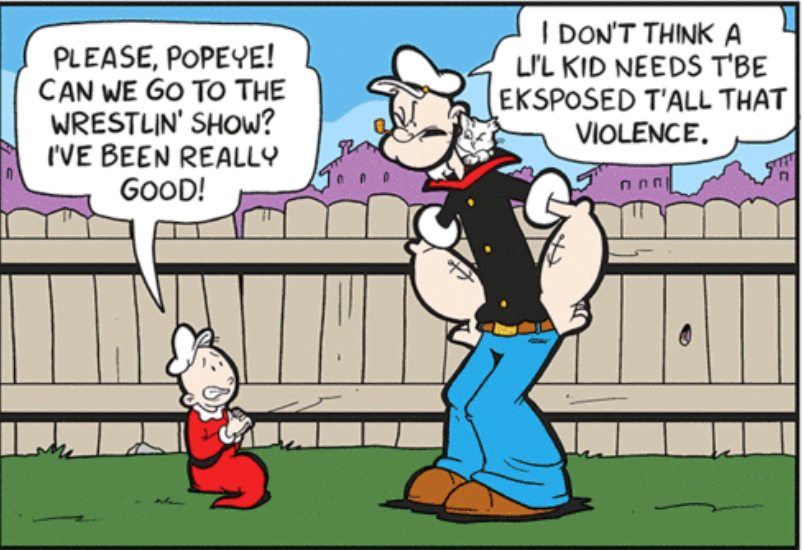
The Power of the Catchphrase in Brand Identity
The most immediate answer to what Popeye says lies in his signature catchphrases. In the world of brand strategy, these are more than just lines of dialogue; they are “verbal logos” that encapsulate the brand’s core promise.
“I Yam What I Yam”: Authenticity as a Brand Pillar
In an era where consumers are increasingly skeptical of curated corporate images, Popeye’s mantra, “I yam what I yam,” resonates as a profound statement of brand authenticity. From a strategic perspective, this phrase represents a brand that is comfortable in its own skin.
Authenticity is the cornerstone of trust. When Popeye declares his identity with such unwavering confidence, he establishes a “no-nonsense” brand persona. For modern businesses, the lesson is clear: consistency between what a brand says and what it does is the fastest way to build equity. Popeye doesn’t try to be a polished superhero; he is a weathered sailor. This commitment to an authentic core allows the brand to remain relatable across generations.
“Strong to the Finich”: Defining Value Propositions
Every successful brand must solve a problem or provide a benefit. Popeye’s tagline, “I’m strong to the finich, ’cause I eats me spinach,” is a textbook example of a value proposition. It links a specific action (consuming a product) with a highly desirable outcome (strength and victory).
In branding, this is known as the “Benefit-Driven Narrative.” By repeating this sentiment in almost every episode or strip, the Popeye brand reinforced the idea of resilience. It tells the consumer that the brand—and by extension, the user—possesses the grit to overcome obstacles. This narrative of perseverance is why the Popeye brand has been successfully licensed for everything from construction equipment to sports nutrition.
Visual and Auditory Branding: Beyond the Words
While his words are iconic, what Popeye “says” is also conveyed through his non-verbal branding. A brand is a sensory experience, and Popeye utilizes both visual and sonic cues to maintain a dominant market position.
The Iconic Silhouette and Visual Cues
A brand’s visual identity should be recognizable even if the name is removed. Popeye’s silhouette—the bulging forearms with anchor tattoos, the pipe, and the squinting eye—is one of the most recognizable in the world. This is “Visual Equity.”
In marketing design, these visual cues act as shortcuts to the brand’s story. The anchor tattoos immediately signal a maritime heritage and ruggedness, while the pipe suggests a seasoned, working-class wisdom. When we see these elements, we don’t need to read a description to know what the brand stands for. This level of visual shorthand is what modern brands strive for when designing logos and packaging: the ability to communicate a complex history through a simple shape.
Sound Branding and the Gravelly Voice
If you close your eyes and imagine Popeye’s voice, you can hear the gravelly, “mumble-heavy” tone and the signature “toot-toot” of his pipe. This is an early example of “Sonic Branding” or a “Sonic Logo.”
Just as Intel has its chime and Netflix has its “ta-dum,” Popeye has his laugh and his pipe whistle. This auditory consistency ensures that the brand is recognizable across different media formats, whether it’s a radio play, a television cartoon, or a digital advertisement. In modern brand strategy, sound is often undervalued, but Popeye proves that how a brand sounds is just as important as how it looks.

Leveraging Nostalgia in Modern Marketing
Popeye has transitioned from a comic strip character into a global licensing powerhouse. This transition was made possible by understanding how to leverage the brand’s history while adapting to modern consumer behaviors.
Licensing and the Popeye Brand Ecosystem
Today, the Popeye brand is managed by King Features Syndicate with a focus on “lifestyle branding.” What Popeye says today is often communicated through collaborations with high-end streetwear brands, health supplements, and even environmental initiatives.
The strategy here is “Brand Extension.” By taking the core values of the Popeye brand—strength, toughness, and sea-faring adventure—and applying them to modern products, the owners keep the brand relevant. A Popeye-themed apparel line doesn’t just sell clothes; it sells the “vibe” of the character. This demonstrates the power of a well-defined brand identity; it is portable and can be translated into various industries without losing its essence.
Spinach as the Ultimate Product Placement
Perhaps the most famous marketing feat in the history of the Popeye brand is its impact on the spinach industry. It is often cited that spinach consumption in the United States increased by 33% during the 1930s due to Popeye’s influence.
This is the ultimate case study in “Content-Led Marketing.” Popeye didn’t just tell people to eat healthy; he showed the immediate, transformative benefits of doing so within a narrative context. This transformed a generic commodity (spinach) into a branded experience. Even today, “Popeye Spinach” remains a staple in grocery stores, proving that a strong character brand can sustain a physical product line for decades.
Lessons for Personal Branding and Corporate Strategy
What can modern entrepreneurs and marketing executives learn from what Popeye says? The sailor man’s legacy offers three critical lessons for anyone looking to build a resilient brand.
Consistency Across Mediums
Whether he is in a black-and-white comic from 1929, a Technicolor cartoon from the 1940s, or a 3D-rendered digital short in the 2020s, Popeye’s core identity remains unchanged. He says the same things, values the same things, and reacts to conflict in the same way.
Many modern brands fail because they pivot too frequently, chasing trends and losing their “North Star.” Popeye teaches us that while the medium may change, the message must remain steadfast. Consistency builds a “Brand Moat” that protects the business from competitors and market fluctuations.
Adaptability: From Comic Strips to Digital Media
While consistency is key, adaptability is the engine of longevity. Popeye has successfully navigated the transition from print to film, television, and social media. The brand has embraced “Retro-Cool” aesthetics to appeal to Gen Z and Millennials while maintaining the nostalgia that appeals to older demographics.
In brand strategy, this is “Intergenerational Appeal.” By staying true to what he says (authenticity and strength) while updating how he says it (collaborations with influencers and modern design), the Popeye brand ensures it is never perceived as a relic of the past, but rather as a timeless icon.

The Power of the Underdog Narrative
At its heart, what Popeye says is a story of the underdog. He is often outmatched by the larger, more powerful Bluto, yet he wins through a combination of grit and a “secret weapon” (the spinach).
Brands that can successfully position themselves as the champion of the common person—the underdog—often enjoy much higher levels of customer loyalty. By speaking to the struggles and triumphs of the everyday individual, a brand moves from being a cold, corporate entity to a trusted ally. Popeye’s enduring popularity is a testament to the fact that people don’t just buy products; they buy into stories of resilience and empowerment.
In conclusion, “What does Popeye say?” is a question with a multi-layered answer. On the surface, it is a collection of charming, gravelly catchphrases. Beneath the surface, it is a sophisticated brand strategy that utilizes authenticity, visual and sonic triggers, and masterful product placement to create a global icon. As we look to the future of branding, the lessons of the Sailor Man remain as relevant as ever: know who you are, stay consistent, and always have your “spinach” ready.
aViewFromTheCave is a participant in the Amazon Services LLC Associates Program, an affiliate advertising program designed to provide a means for sites to earn advertising fees by advertising and linking to Amazon.com. Amazon, the Amazon logo, AmazonSupply, and the AmazonSupply logo are trademarks of Amazon.com, Inc. or its affiliates. As an Amazon Associate we earn affiliate commissions from qualifying purchases.