
In the modern landscape of material science and industrial engineering, few innovations have had as profound an impact as Polyethylene Terephthalate, commonly known as PET. While the average consumer interacts with PET daily—most often in the form of water bottles or food containers—the technical complexity and engineering brilliance behind this polymer remain largely unappreciated. Understanding what PET stands for is not merely an exercise in decoding an acronym; it is an exploration of high-performance polymer technology, chemical engineering, and the digital evolution of the circular economy.
Decoding the Chemistry: What Does PET Stand for in the Technical World?
To understand the technological significance of PET, one must first break down its chemical nomenclature. PET stands for Polyethylene Terephthalate. It is a member of the polyester family, a category of polymers characterized by the ester functional group in every repeat unit of their main chain.
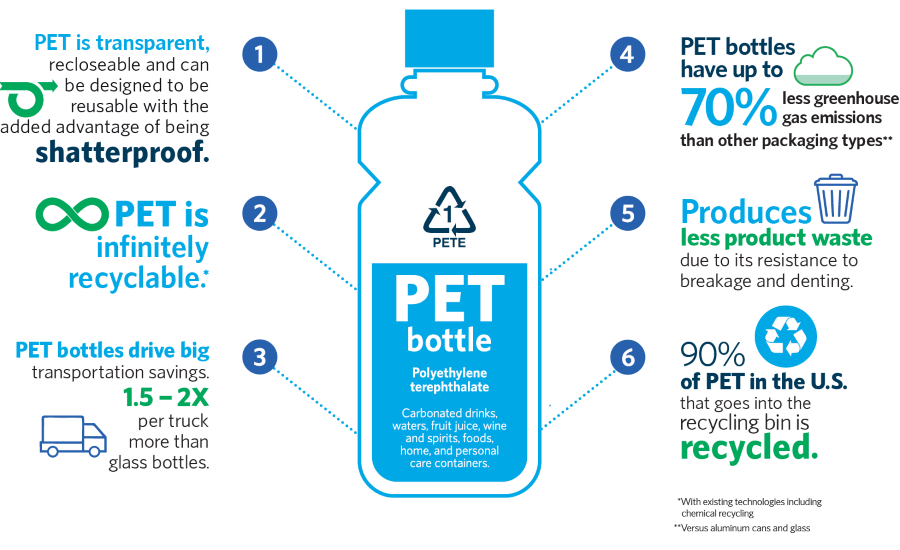
The Molecular Structure of Polyethylene Terephthalate
At the molecular level, PET is produced through the polycondensation of two primary monomers: ethylene glycol and terephthalic acid (or dimethyl terephthalate). This chemical reaction creates a long-chain molecule that is inherently strong, lightweight, and clear. From a materials technology perspective, PET is a thermoplastic resin. This means that when heated, it becomes a highly viscous liquid that can be molded into virtually any shape, and upon cooling, it solidifies into a rigid, durable structure. Unlike thermoset plastics, PET can be reheated and reshaped multiple times, which is the technical foundation for its recyclability.
Thermal Properties and Polymer Stability
One of the key tech specifications that makes PET a preferred material in engineering is its Glass Transition Temperature (Tg) and melting point. PET typically has a melting point of approximately 250°C to 260°C. However, its performance is dictated by its crystallinity. Through controlled cooling and mechanical stretching, engineers can manipulate PET to be either amorphous (transparent) or semi-crystalline (opaque and stronger). This versatility allows the same chemical compound to be used for a flexible film, a rigid bottle, or a high-tenacity industrial fiber.
Advanced Manufacturing: From Resin to Utility
The transformation of raw PET resin into a functional product is a feat of precision mechanical engineering. The technology used to shape PET has evolved significantly, moving from rudimentary molding to high-speed, AI-monitored production lines.
Injection Stretch Blow Molding (ISBM)
The most common technical process for creating PET containers is Injection Stretch Blow Molding (ISBM). This is a two-stage process. First, an injection molding machine creates a “preform”—a thick-walled test tube-shaped object with the neck threads already finished. In the second stage, this preform is reheated and placed into a blow mold. A stretch rod extends the preform longitudinally while high-pressure compressed air expands it radially. This biaxial orientation aligns the polymer chains, significantly increasing the material’s tensile strength, clarity, and gas barrier properties.
Extrusion and Sheet Formation for Industrial Use
Beyond bottles, PET technology extends to the extrusion of sheets and films (often referred to as APET or PETG). In these processes, molten resin is forced through a flat die and quickly quenched on chilled rolls. This rapid cooling prevents crystallization, maintaining the “amorphous” state that provides maximum transparency. These sheets are then used in thermoforming applications or as protective substrates in electronic displays, demonstrating PET’s crossover into the high-tech hardware sector.
The Tech Behind the Barrier: Why PET Dominates Packaging
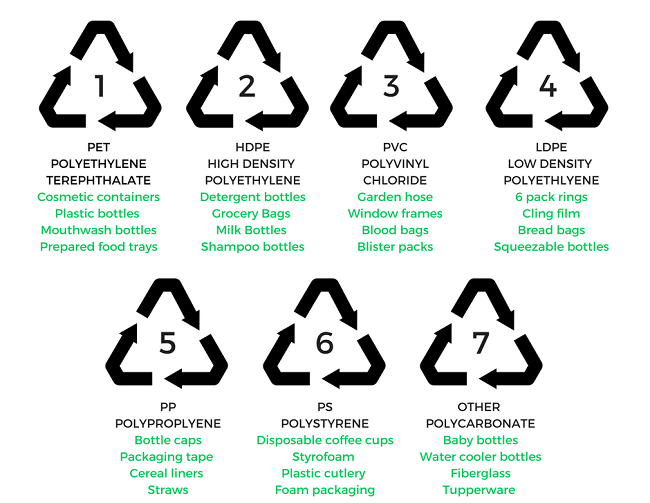
The technical dominance of PET over other polymers like PVC or Polyethylene (PE) is rooted in its superior barrier technology. In the world of food science and pharmaceutical tech, protecting the integrity of the contents is the highest priority.
Gas Permeability and Protective Tech
PET is engineered to provide an exceptional barrier against oxygen, water vapor, and carbon dioxide. This is technically critical for carbonated beverages; the polymer structure is dense enough to prevent CO2 molecules from escaping, ensuring the “fizz” is maintained over months of shelf life. Furthermore, PET is chemically inert, meaning it does not react with food or liquids, a vital technical requirement for safety and purity in medical and consumer applications.
Lightweighting and Structural Engineering
Through advanced computer-aided design (CAD) and finite element analysis (FEA), engineers have mastered the art of “lightweighting” PET containers. Over the last two decades, the weight of a standard PET bottle has decreased by more than 30% without sacrificing structural integrity. This is achieved by strategically placing material in high-stress areas and using geometric ribbing to provide strength. This reduction in material use is a prime example of how engineering tech optimizes resource efficiency and reduces the carbon footprint of logistics.
Green Tech Innovations: The Evolution of PET Recycling
As the global focus shifts toward sustainability, the technology surrounding PET recycling has become a frontier for massive investment and innovation. PET is the most recycled plastic in the world, and the “Tech” in PET now includes sophisticated chemical and mechanical recovery systems.
Mechanical vs. Chemical Recycling Technologies
Traditional mechanical recycling involves sorting, washing, and grinding PET into flakes, which are then melted to form new products. However, the true tech revolution lies in Chemical Recycling (Depolymerization). In this process, advanced chemical reactors break the PET polymer chains back down into their original monomers (ethylene glycol and terephthalic acid). These monomers can then be purified and repolymerized into “virgin-quality” PET. This technology effectively creates a closed-loop system, allowing PET to be recycled infinitely without the loss of quality associated with mechanical recycling.
Enzymatic Breakdown: The Future of Plastic Tech
One of the most exciting trends in biotechnology is the development of engineered enzymes designed specifically to “eat” PET. Companies are now utilizing AI-driven protein engineering to create enzymes that can break down PET waste into its chemical building blocks in a matter of hours. This biological tech approach operates at lower temperatures and pressures than traditional chemical recycling, representing a significant leap forward in energy-efficient waste management.
Digital Integration: Smart Packaging and PET Traceability
The future of PET is not just in the material itself, but in how it integrates with digital ecosystems. As regulatory bodies demand higher accountability for plastic waste, technology is providing the tools for end-to-end traceability.
IoT and QR Integration in Plastic Manufacturing
“Smart Packaging” is a rising trend where PET containers are integrated with digital markers. Using laser-etching technology or digital watermarks (imperceptible to the human eye but readable by high-speed scanners), manufacturers can track a PET bottle from the production line to the recycling center. This data allows for the optimization of waste streams and provides brands with granular analytics on their product’s lifecycle.
Blockchain for Circular Economy Accountability
To verify the claims of “100% Recycled PET” (rPET), tech firms are implementing blockchain ledgers. By recording every transaction in the recycling chain—from the collection point to the resin pelletizer—companies can provide a transparent, immutable record of the material’s origin. This cryptographic security ensures that the “Green Tech” labels on PET products are backed by verifiable data, building trust in the circular economy.
In conclusion, PET—Polyethylene Terephthalate—is far more than a simple plastic. It is a sophisticated technological platform that sits at the intersection of chemistry, mechanical engineering, and digital innovation. From the molecular precision of its polymerization to the AI-driven systems that manage its lifecycle, PET represents a pinnacle of material science that continues to evolve to meet the demands of a high-tech, sustainable future.
aViewFromTheCave is a participant in the Amazon Services LLC Associates Program, an affiliate advertising program designed to provide a means for sites to earn advertising fees by advertising and linking to Amazon.com. Amazon, the Amazon logo, AmazonSupply, and the AmazonSupply logo are trademarks of Amazon.com, Inc. or its affiliates. As an Amazon Associate we earn affiliate commissions from qualifying purchases.