
In the competitive landscape of modern marketing, a name is rarely just a collection of syllables. It is a vessel for heritage, a psychological anchor, and a strategic tool for positioning. When analyzing the name “Mary”—one of the most enduring linguistic artifacts in Western civilization—we find a rich tapestry of Hebrew origins that offer profound lessons for brand strategy.
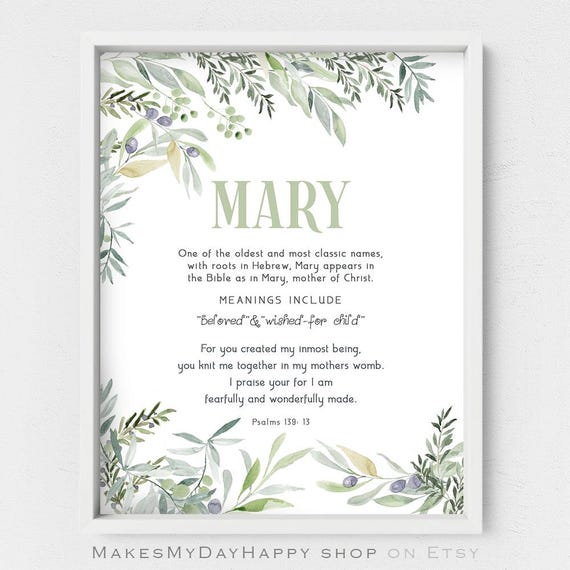
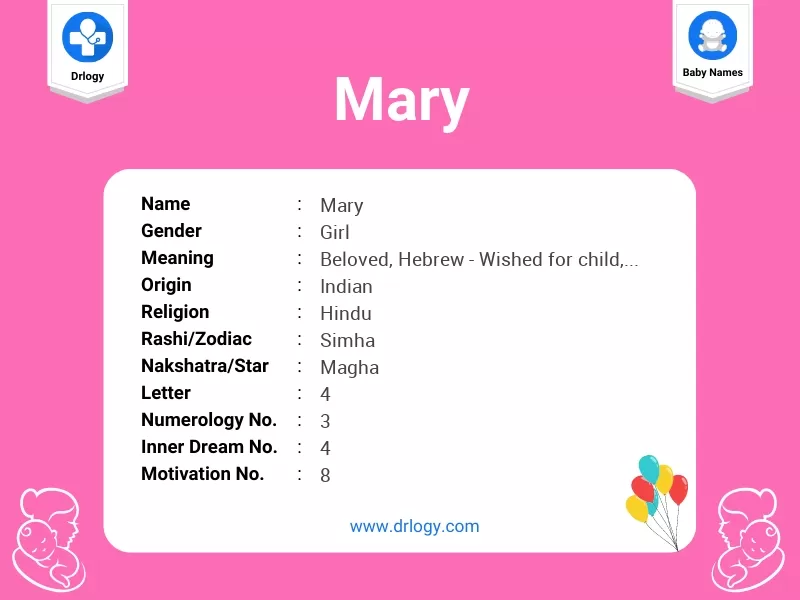
To understand what Mary means in Hebrew is to uncover a narrative of resilience, rebellion, and depth. In the Hebrew original, Miriam, the name carries multifaceted meanings: “bitterness,” “rebellion,” or “wished-for child.” For a brand strategist, these aren’t just definitions; they are archetypes. By exploring the Hebrew etymology of Mary, brands can learn how to leverage ancient resonance to build modern corporate identities that feel both timeless and disruptive.
1. The Etymological Foundation: From Miriam to Modern Branding
Every iconic brand seeks to tap into a universal truth. The name Mary, derived from the Hebrew Miriam, provides a case study in how complex meanings can create a robust brand persona.
The Archetype of “Bitterness” as Resilience
One of the primary Hebrew roots for Mary is mar, meaning “bitter.” While “bitterness” might initially seem like a negative brand trait, in the context of brand strategy, it translates to strength and resilience. A brand that acknowledges the “bitter” realities of life—the challenges, the friction, and the grit—often builds a more authentic connection with its audience than one that promises only sweetness. This Hebrew root suggests a brand identity rooted in reality, durability, and the ability to withstand harsh environments.
The “Sea of Bitterness” and Brand Depth
Another interpretation links the name to mar (bitter) and yam (sea). The “sea” is a powerful branding metaphor for vastness, depth, and untapped potential. Brands that lean into this aspect of the Hebrew meaning position themselves as pioneers of deep industry knowledge. This is not a “shallow” brand; it is a brand with a “sea” of resources, history, and complexity. It suggests a corporate identity that is both vast and fundamental to human life.
The Wished-For Innovation
A secondary Hebrew interpretation suggests “wished-for child.” In the world of product development and brand launches, this translates to the “solution-oriented” brand. A “wished-for” brand is one that solves a long-standing market pain point. By understanding this facet of the name’s Hebrew origin, marketers can see how Mary embodies the concept of high demand and emotional fulfillment.
2. Linguistic Resonance and Global Marketability
The transition from the Hebrew Miriam to the Latin Maria and the English Mary demonstrates the evolution of a brand name for global scalability. For a brand to succeed internationally, it must be phonetically accessible while retaining its core identity.
Phonetic Simplicity in Brand Recognition
“Mary” is a masterclass in phonetic branding. It is easy to pronounce, easy to spell, and occupies a minimal character count—ideal for digital assets and visual design. The Hebrew Miriam offers more texture and rhythm, but the evolution into Mary shows how brands often “smooth out” their nomenclature to appeal to broader demographics. However, by looking back at the Hebrew roots, a brand can rediscover the “edge” that makes its simple name feel profound.
Cross-Cultural Trust and Familiarity
Names with Hebrew origins often carry a sense of “sacred trust” in Western markets. Because of its biblical prominence, the name Mary evokes a sense of reliability and history. In brand strategy, this is known as “heritage equity.” Even a brand-new startup can borrow from this cultural capital by choosing names or terminologies rooted in ancient Hebrew linguistics, signaling that their values are not fleeting, but grounded in a long-standing tradition of ethics and community.
The Power of the “M” Consonant
In linguistic branding, the letter “M” is often associated with the maternal, the nurturing, and the fundamental (e.g., “Mother,” “Mama,” “Matter”). The Hebrew Miriam begins with this soft but resonant sound, creating an immediate psychological sense of comfort. Brands that utilize this phonetic structure often find it easier to establish emotional bonds with consumers, as the “M” sound is one of the most naturally comforting sounds in the human lexicon.
3. The “Rebellious” Brand: Miriam as a Disruptor
Perhaps the most intriguing Hebrew interpretation of Mary/Miriam is meri, meaning “rebellion.” In modern business terms, rebellion is the hallmark of the “Disruptor” brand.
Leveraging “Rebellion” for Market Entry
A brand that identifies with the Hebrew meaning of “rebellion” is one that challenges the status quo. Think of companies like Tesla or Netflix in their early days; they were “rebellious” entities that refused to follow the established rules of their respective industries. The name Mary, through its Hebrew lens, reminds us that even the most seemingly traditional names can house a spirit of defiance. This is a critical lesson for personal branding: you can appear conventional on the outside while maintaining a radical, disruptive core.
Leadership and the Miriam Archetype
In the Hebrew tradition, Miriam was a leader, a prophetess, and a key figure in the Exodus. From a corporate leadership perspective, this “Mary” meaning emphasizes the “Empowerment” brand. Brands that empower their users—think of tools like Canva or Squarespace—are modern incarnations of the Miriam archetype. They provide the “song” (as Miriam did at the Red Sea) that leads their community toward a new, better reality.
Navigating Conflict with Brand Integrity
Because Miriam is associated with rebellion, it also implies a brand that isn’t afraid of healthy conflict. A brand with a strong identity should not try to please everyone; it should stand for something. By embracing the “rebellious” Hebrew root, a brand strategy can move away from being “beige” and toward being a polarizing, and therefore highly loyal, brand leader.
4. Practical Application: When to Use Traditional Roots in Modern Branding
Identifying what Mary means in Hebrew is a powerful exercise for brand consultants. It demonstrates how to “reverse-engineer” a name to find its hidden strategic value.
The Rise of “Human” Brand Names
In recent years, we have seen a shift away from abstract, tech-heavy names (like Xobni or Qwiki) toward “human” names (like Casper, Oscar, or Mary’s). This trend, known as “Human-Centric Branding,” relies on the familiarity and warmth of names with deep historical roots. Using a name with Hebrew origins provides an immediate sense of personhood to a faceless corporation.
Niche-Specific Branding: Wellness and Finance
Given the Hebrew roots of “bitterness” (resilience) and “sea” (depth), the name Mary—or names derived from similar Hebrew roots—are particularly effective in industries that require high levels of trust.
- Wellness: The “Miriam” root suggests natural, earthy, and resilient health.
- Finance: The “Sea” and “Wished-for” roots suggest a vast reservoir of capital and a solution to financial anxiety.
- Education: The leadership and “prophetic” associations of the Hebrew original suggest a brand that is forward-thinking and authoritative.
Maintaining Brand Consistency Across Languages
When a brand chooses a name like Mary, it must ensure that the “Hebrew meaning” translates well into its visual identity. If the brand is leaning into the “Rebellion” meaning, the design should be bold and sharp. If it is leaning into the “Sea of Bitterness” (Depth/Resilience), the palette should be deep, oceanic, and grounded. The meaning in Hebrew acts as the “Brand North Star,” ensuring that every marketing touchpoint is aligned with the name’s original essence.
Conclusion: The Eternal Brand Power of Hebrew Origins
The question “what does Mary mean in Hebrew” leads us far beyond simple etymology; it leads us into the heart of brand semiotics. By uncovering the roots of “bitterness,” “rebellion,” “sea,” and “wished-for,” we see that the name Mary is not a passive identifier. It is a dynamic, multi-layered brand assets that has survived thousands of years of market shifts.
For the modern brand strategist, the lesson is clear: do not choose a name based on how it sounds alone. Choose a name based on its “linguistic DNA.” Whether you are building a personal brand or a global corporation, looking to the Hebrew origins of names can provide a foundation of resilience, disruption, and deep-seated trust that no amount of modern advertising can buy. The name Mary proves that when a brand is built on a meaningful foundation, it doesn’t just trend—it endures.
aViewFromTheCave is a participant in the Amazon Services LLC Associates Program, an affiliate advertising program designed to provide a means for sites to earn advertising fees by advertising and linking to Amazon.com. Amazon, the Amazon logo, AmazonSupply, and the AmazonSupply logo are trademarks of Amazon.com, Inc. or its affiliates. As an Amazon Associate we earn affiliate commissions from qualifying purchases.