
In the rapidly evolving landscape of Software as a Service (SaaS), mobile applications, and artificial intelligence tools, the “free trial” has become the primary gateway between a developer’s innovation and the end-user’s needs. At its core, a free trial is a time-limited or feature-limited offer that allows potential users to experience a digital product without an initial financial commitment. However, in the modern tech ecosystem, the term encompasses a sophisticated array of delivery models, technical restrictions, and strategic onboarding processes designed to convert a casual visitor into a power user.
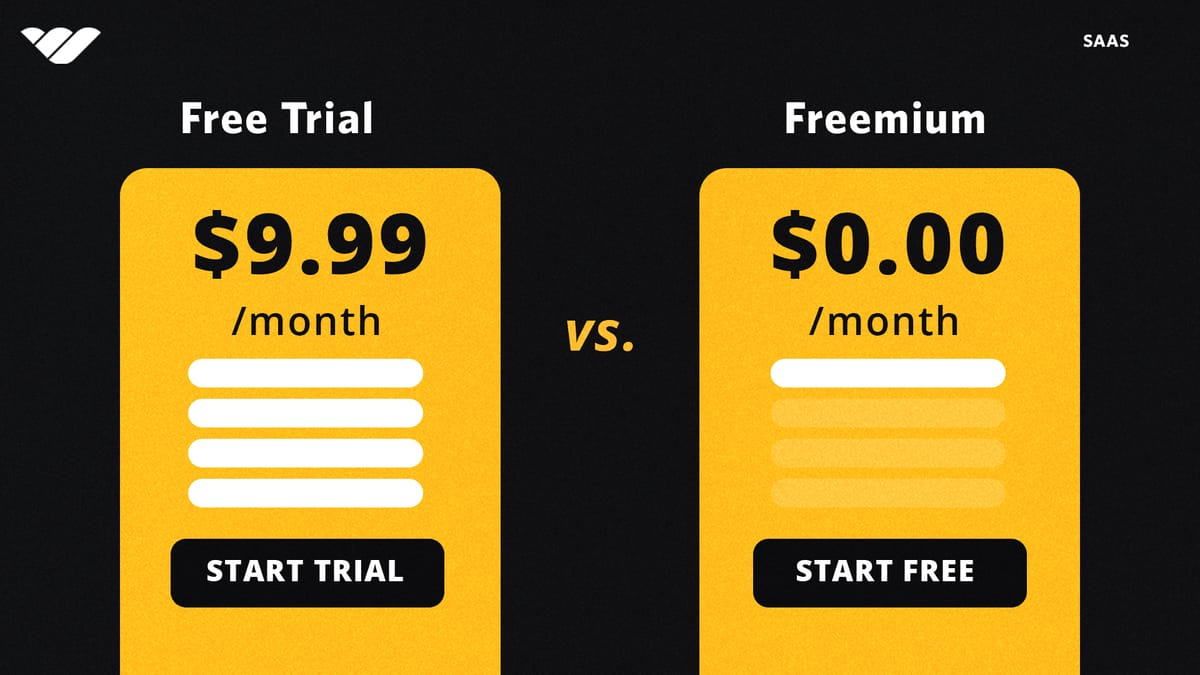
Understanding what a free trial means in a technical context requires moving beyond the surface-level definition. It is a critical component of “Product-Led Growth” (PLG), where the software itself acts as the primary driver of customer acquisition and retention.
Understanding the Mechanics of the Modern Free Trial
The technical architecture of a free trial is designed to provide a “sandbox” experience—a safe environment where users can interact with the software’s core functionality. Unlike “freemium” models, which provide perpetual access to limited features, a free trial is typically a temporary pass to the full capabilities of a software suite.
The Definition and Purpose of a Software Trial
From a technical standpoint, a free trial is a temporary provisioning of a user account with specific permissions. When you sign up for a trial of a cloud-based tool like Adobe Creative Cloud or a project management suite like Asana, the provider’s server creates a temporary instance or profile for you. The primary purpose is to lower the “barrier to entry,” allowing the user to verify that the software’s Technical Requirements—such as API integrations, processing speeds, and user interface (UI) compatibility—meet their specific professional or personal workflows.
Time-Based vs. Usage-Based Limitations
Tech companies generally implement one of two technical “gates” to manage trials:
- Time-Based Gates: This is the most common model, where the software remains fully functional for a set duration, typically 7, 14, or 30 days. Once the server clock reaches the expiration date, the user’s access tokens are revoked, and they are prompted to upgrade.
- Usage-Based Gates: Often seen in AI tools and cloud storage solutions, these trials are limited by “credits” or actions. For example, an AI image generator might offer “10 free generations” rather than a 7-day window. This ensures that the company manages its own computational costs (server overhead) while allowing the user to see the quality of the output.
Trial Types: Opt-in vs. Opt-out Models
The technical implementation of a free trial often dictates the user’s “friction” during the onboarding process. Tech companies balance the need for user data with the desire for high conversion rates, leading to two distinct trial architectures.
The “No Credit Card Required” (Opt-in) Experience
In the tech world, the “No Credit Card Required” trial is highly regarded for user privacy and security. Technically, this is an “opt-in” model. The user provides an email address and creates a password, granting them immediate access to the software.
From a digital security perspective, this is the safest route for consumers, as no financial data is stored on the provider’s servers during the evaluation phase. For the developer, this model focuses on “Product-Qualified Leads” (PQLs), where the goal is to get the user to a “Eureka moment”—the point where the software’s value becomes indispensable—before any payment discussion occurs.
The Automated Conversion (Opt-out) Model
Conversely, many high-end SaaS platforms and streaming apps utilize an “opt-out” model. This requires the user to input payment credentials (credit card or digital wallet) before the trial begins. At the end of the trial period, the system’s billing API automatically triggers a transition from a trial state to a paid subscription state.
While this model is often criticized by consumer advocates, it is a powerful tool for reducing “churn” in the tech industry. Technically, it relies on automated subscription management systems that must securely store encrypted payment tokens, highlighting the importance of PCI-DSS compliance in the software’s backend.
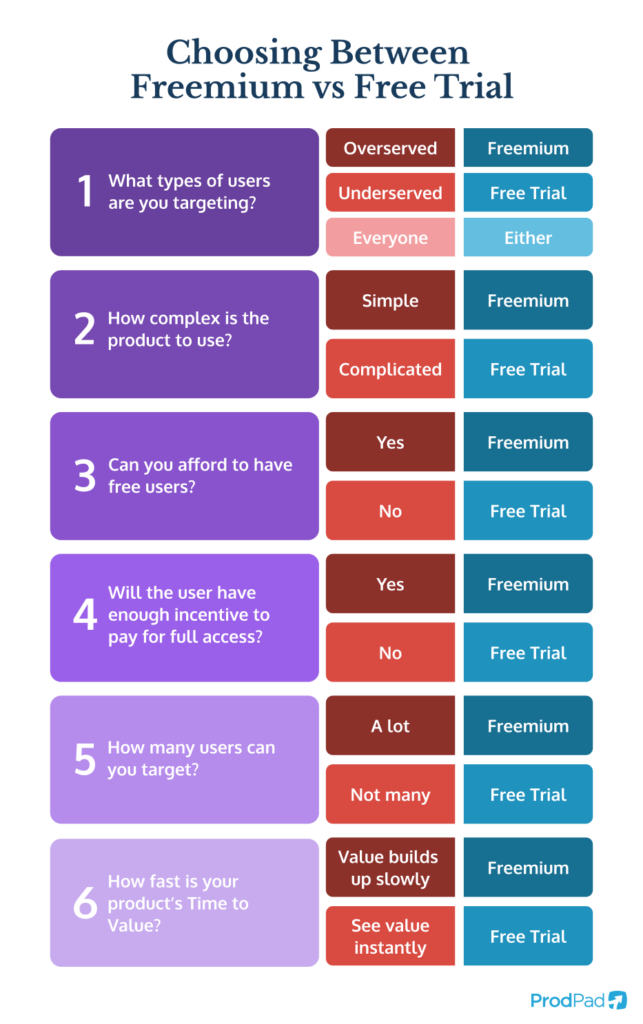
Free Trial vs. Freemium: Navigating the Technical Nuances
It is common to confuse “free trials” with “freemium” models, but in the software development lifecycle, they serve very different functions. A free trial is a sprint, while freemium is a marathon.
Feature Gating in SaaS
Feature gating is the technical process of locking certain modules of a software application behind a paywall. In a Free Trial, the gate is typically removed for a short period, allowing the user to see everything the “Pro” or “Enterprise” tiers have to offer. This allows for a comprehensive technical evaluation of the entire stack.
In a Freemium model (like Spotify or Slack), the gate remains permanently closed for specific high-value features (such as advanced analytics or offline downloads). The “Free” tier is a permanent license with restricted functionality. Developers use this to build a massive user base, hoping that a percentage will eventually hit a “feature wall” that requires an upgrade.
When to Choose a Trial Over a Permanent Free Tier
For complex AI tools or high-computation software, a permanent free tier (freemium) is often financially unviable due to server costs. In these cases, a “Free Trial” is the preferred tech strategy. It allows the user to stress-test the software’s performance—checking for latency, bug stability, and integration capabilities—without the developer incurring the indefinite cost of hosting a non-paying user.
Security and Data Privacy During Trial Periods
Whenever a user signs up for a free trial, they are entering into a data exchange. In the tech niche, understanding the security implications of this “free” access is paramount.
Managing Virtual Credit Cards and Privacy Tools
Savvy tech users often utilize “privacy-centric” tools to manage free trials. This includes using burner email addresses to avoid marketing spam and virtual credit cards to prevent unauthorized charges after a trial ends. Virtual card services allow users to set a spending limit of $0 on a card used for an “opt-out” trial, effectively forcing the trial to expire without a charge if the user forgets to cancel. This is a technical solution to a common subscription management problem.
Data Ownership and Deletion Protocols
A critical technical question often ignored is: What happens to your data after the trial expires? Most professional SaaS platforms have a “Data Retention Policy.” For instance, a cloud storage provider might keep your uploaded files for 30 days after a trial ends before permanently deleting them from their servers. When evaluating a tech tool, it is essential to check if the trial allows for “Data Portability”—the ability to export your work in a standard format (like .CSV, .JSON, or .PDF) before the access period terminates.
The Future of Software Evaluation: AI-Driven and Sandbox Trials
The concept of the free trial is currently being disrupted by advancements in artificial intelligence and cloud-based virtualization. We are moving toward a period where “trying” software is more interactive and less restrictive.
Interactive Demos and Guided Onboarding
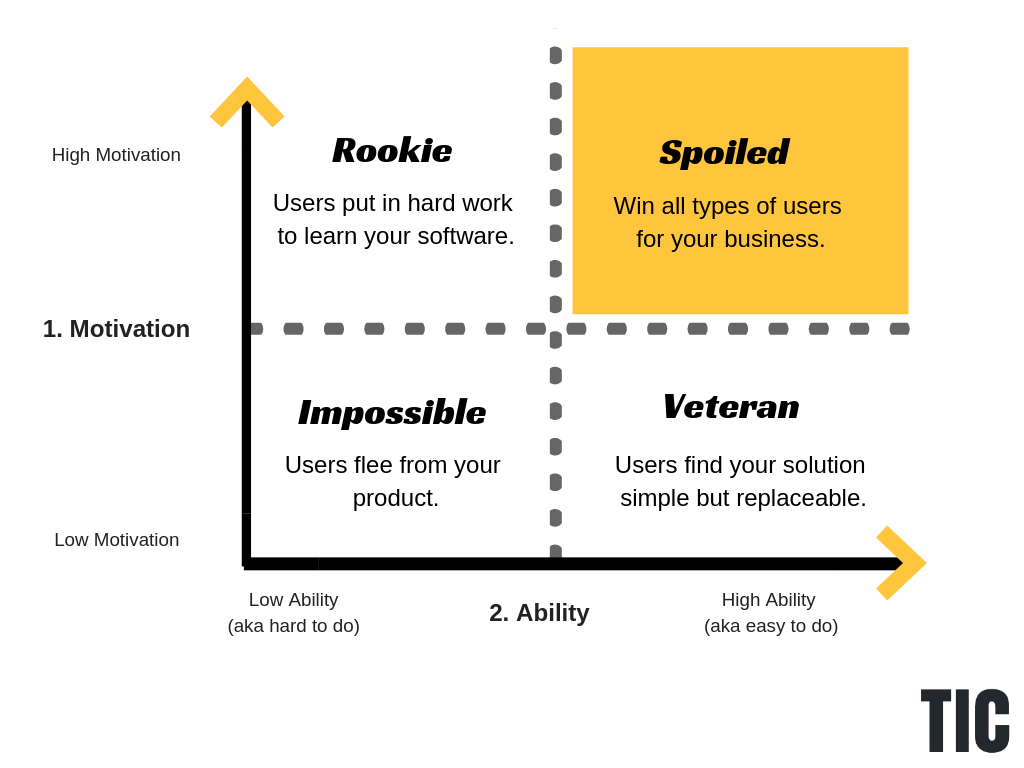
The next generation of free trials incorporates AI-driven onboarding. Instead of leaving a user to explore a complex interface alone, integrated bots use machine learning to identify the user’s intent and guide them through specific technical workflows. This ensures that the user doesn’t just “have” the trial but actually “uses” it effectively, increasing the likelihood of a successful technical implementation.
The Shift Toward Product-Led Growth (PLG)
In the modern tech industry, the “Free Trial” is no longer just a marketing gimmick; it is the core of the business model. Through Product-Led Growth, companies like Zoom, Canva, and Notion have proven that if the software is technically superior and easy to trial, the product will sell itself. This has led to the rise of “Sandbox Trials,” where developers can test software in a simulated environment with dummy data to ensure it won’t crash their existing systems before they commit to a full-scale deployment.
Ultimately, a free trial is a technical “handshake” between the developer and the user. It is a period of mutual discovery where the user tests the software’s limits, and the software proves its value through performance, reliability, and ease of use. Understanding the mechanics, security protocols, and different models of free trials allows users and developers alike to navigate the digital economy with greater technical literacy.
aViewFromTheCave is a participant in the Amazon Services LLC Associates Program, an affiliate advertising program designed to provide a means for sites to earn advertising fees by advertising and linking to Amazon.com. Amazon, the Amazon logo, AmazonSupply, and the AmazonSupply logo are trademarks of Amazon.com, Inc. or its affiliates. As an Amazon Associate we earn affiliate commissions from qualifying purchases.