
French fries, those irresistible golden strips of fried potato, hold a ubiquitous place in global cuisine. They are more than just a side dish; they are a cultural phenomenon, a comfort food, and a blank canvas for culinary creativity. While the immediate answer to “what goes well with French fries” often involves ketchup, mayonnaise, or a perfectly grilled burger, a deeper dive reveals a fascinating intersection of culinary art, technological innovation, shrewd brand strategy, and underlying economic currents. This article explores the multifaceted world of French fries, transcending their simple culinary appeal to uncover how they engage with the spheres of technology, branding, and money, making them a surprisingly rich subject for modern analysis.

The Culinary Canvas: Beyond Ketchup and Salt
At its heart, the question “what goes well with French fries” is a culinary one. The perfect pairing can elevate a humble basket of fries into a memorable dining experience. From classic dips to global gourmet accompaniments, the possibilities are vast, yet increasingly, our choices and discoveries are influenced by forces beyond the kitchen counter.
Classic Companions and Global Flavors
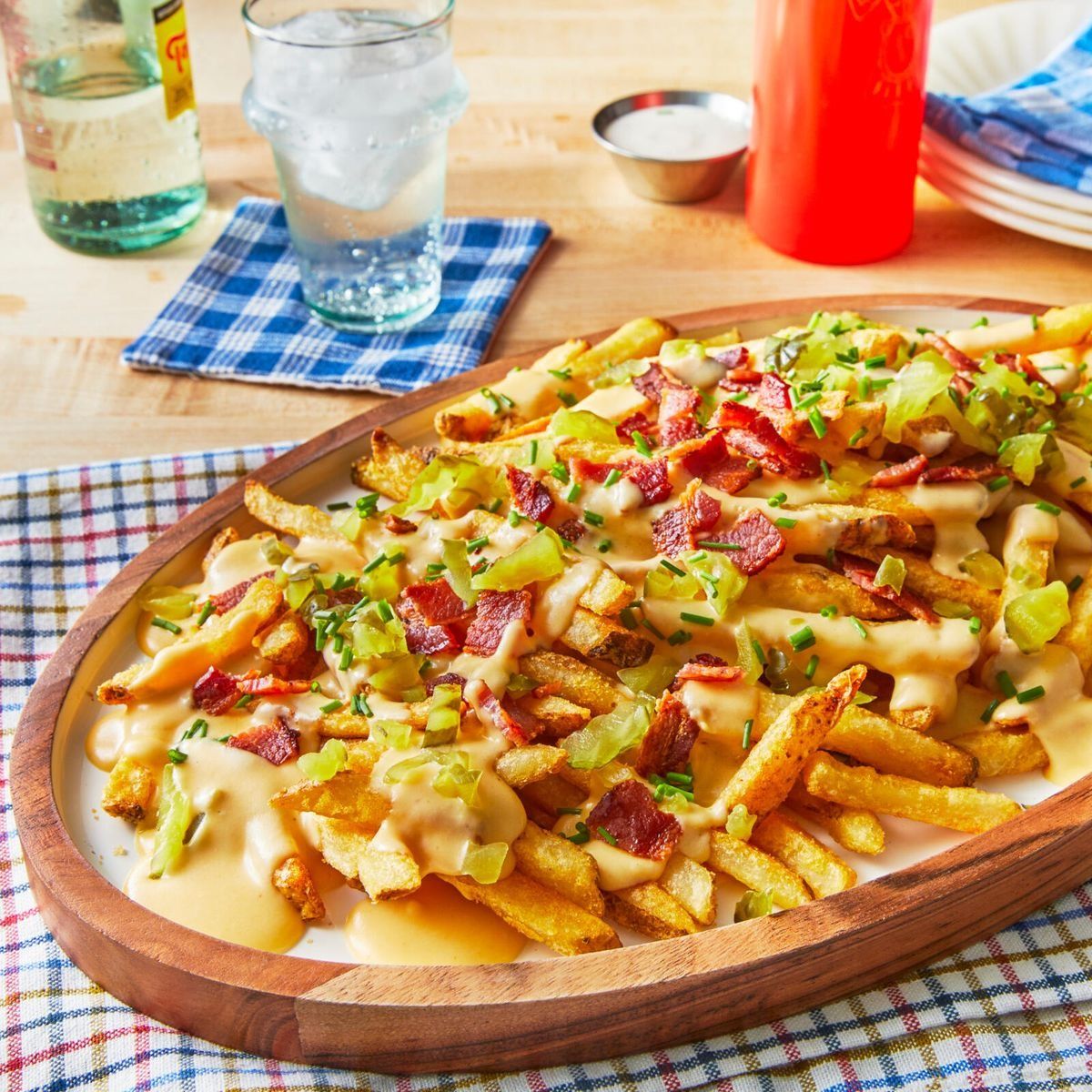
Traditionally, French fries find their perfect match in the form of a juicy burger, a crispy fried chicken, or a classic fish and chips. The saltiness and crunch of the fries beautifully complement the richness of these main courses. Sauces are equally critical: while ketchup reigns supreme in North America, mayonnaise is a staple in Europe, particularly Belgium and the Netherlands. Beyond these, regional variations abound. Poutine, Canada’s iconic dish, smothers fries in cheese curds and gravy. In the UK, curry sauce or gravy are popular. In Australia, chicken salt adds a unique umami twist. Even within fine dining, chefs experiment with truffle oil, parmesan, or sriracha aioli, demonstrating the potato’s versatility. These pairings highlight the inherent adaptability of fries, making them a foundation for diverse flavor profiles.
The Tech-Enhanced Palate: Discovering New Pairings
In the digital age, discovering new culinary combinations for French fries is no longer confined to restaurant menus or word-of-mouth. Technology plays an increasingly significant role in shaping our palates. Food blogs, YouTube channels, and social media platforms like Instagram and TikTok are rife with innovative fry recipes and pairing suggestions, often going viral overnight. AI-powered recommendation engines on food delivery apps can suggest complementary dishes or sauces based on past orders and dietary preferences. Want to try a new spicy dip from an obscure local eatery? A quick search or an app notification can guide you. This digital ecosystem empowers food enthusiasts to explore, experiment, and share their fry-related discoveries, turning personal preference into a shared, community-driven culinary journey. The boundary between a personal snack and a global culinary trend is increasingly blurred by digital connectivity.
Branding Your Fry Experience: From Fast Food to Gourmet
The perception of what goes well with French fries is also heavily influenced by brand identity. Think of McDonald’s fries – their distinct thin cut and signature saltiness are inseparable from the brand experience. This consistency is a cornerstone of their global success. Conversely, Five Guys prides itself on its generous portions and fresh-cut, skin-on fries, often served in a brown paper bag overflowing into the outer wrapper, a visual cue of abundance. Gourmet restaurants, on the other hand, might brand their fries as “pommes frites” or “truffle fries,” elevating them to a more sophisticated status. Each brand, through its unique approach to preparation, presentation, and marketing, creates an expectation for what constitutes the “best” fry experience and, by extension, what should accompany it. This branding is not just about taste; it’s about the entire sensory and emotional connection customers have with their golden delight.
The Digital Dimension: Fries in the Age of Tech and AI
The journey of French fries from potato field to plate is increasingly interwoven with technological advancements, from kitchen gadgets to complex digital platforms. Technology doesn’t just deliver our fries; it enhances their creation, discovery, and even our interaction with them.
Smart Kitchens and the Perfect Fry: Gadgets and AI Tools
The pursuit of the perfect fry at home has been revolutionized by smart kitchen technology. Air fryers, once a niche gadget, have become mainstream, offering a healthier, less oil-intensive way to achieve crispy results, often controlled via smartphone apps. Smart ovens can preheat and cook potatoes to precise temperatures and timings, sometimes with AI algorithms learning user preferences for crispiness and doneness. Beyond the actual cooking, AI tools in recipe apps can suggest ideal potato varieties, cutting techniques, and seasoning combinations, optimizing for flavor and texture. For instance, an app might analyze your dietary goals and recommend a specific type of oil or a baking method instead of deep-frying. These gadgets and software solutions democratize gourmet fry-making, empowering home cooks to achieve professional-level results with ease, while simultaneously integrating productivity into culinary tasks.
The App-Enabled Indulgence: Delivery, Discovery, and Digital Security
The proliferation of food delivery apps has made indulging in French fries incredibly convenient. Apps like Uber Eats, DoorDash, and Deliveroo leverage sophisticated algorithms to connect hungry customers with nearby restaurants, offering a vast array of fry options from various cuisines. AI tools personalize recommendations, nudging users towards new fry pairings or local favorites they might enjoy based on their order history. However, this convenience comes with a heightened need for digital security. Ensuring secure payment transactions, protecting personal data, and safeguarding against fraudulent orders are paramount. The reliability of these platforms and the security of user information are crucial components of their value proposition. From secure login protocols to encrypted payment gateways, the tech infrastructure behind our fry delivery ensures that our craving can be satisfied without compromising our digital safety, highlighting the often-overlooked ‘digital security’ aspect of modern consumption.
Content Creation and Viral Fries: Leveraging Social Media
French fries are a surprisingly potent force in the realm of online content creation. Food bloggers, influencers, and digital marketers constantly experiment with elaborate fry recipes, visually stunning presentations, and quirky pairing challenges to generate engagement. A well-shot photo or a viral video of a unique loaded fry dish can garner millions of views, driving trends and influencing consumer choices. Productivity tools for content creators, such as advanced photo and video editing software, scheduling apps, and analytics dashboards, are essential for professional food influencers. They use these tools to craft compelling narratives around fries, track audience engagement, and optimize their content strategy. This digital ecosystem turns the simple potato into a muse for creativity and a vehicle for personal branding, demonstrating how a humble food item can become a cornerstone of an online persona or a marketing campaign.

Branding Bites: Crafting the Identity of the Golden Strip
Beyond their taste, French fries are powerful branding tools. How a brand chooses to present, market, and even name its fries can significantly impact consumer perception and loyalty, forming a crucial part of its corporate identity and marketing strategy.
From Fast Food Icon to Gourmet Statement: Brand Strategy in Fry Marketing
The brand strategy surrounding French fries is incredibly diverse. Fast-food giants like McDonald’s have built a global empire partly on the consistency and familiarity of their fries. Their corporate identity is intertwined with this signature product, which acts as a powerful draw. The golden arches and the distinct red fry carton are instantly recognizable symbols. On the other end of the spectrum, artisanal eateries or gourmet burger joints use premium ingredients, unique potato varieties, or special cooking techniques (like duck fat frying) to differentiate their offerings. They brand their fries as an elevated culinary experience, justifying higher price points. This strategic positioning caters to different market segments, demonstrating how a simple food item can be molded to fit various brand narratives, from mass-market accessibility to exclusive luxury.
Personal Branding and the Fry Enthusiast: Influencing Tastes and Trends
The rise of food influencers has also brought French fries into the realm of personal branding. Individuals passionate about food can build entire online presences around their culinary explorations, with fries often taking center stage. A “fry connoisseur” or “loaded fry expert” can attract a significant following by reviewing different fries, developing unique recipes, or embarking on “fry quests.” Their personal brand is built on their expertise, taste, and ability to create engaging content. This isn’t just a hobby; for many, it’s a legitimate side hustle or even a full-time career, demonstrating the power of niche branding. These influencers don’t just consume; they curate and interpret, shaping trends and driving consumer interest in specific brands or types of fries, ultimately impacting the market through their persuasive digital presence.
Marketing Magic: Design, Packaging, and Reputation Management
Effective marketing for French fries goes beyond the taste. Packaging design plays a crucial role – think of the iconic McDonald’s carton or the rustic paper bags of Five Guys. These designs aren’t just practical; they communicate brand values and enhance the eating experience. Promotional campaigns often highlight limited-time special sauces or unique fry preparations, creating urgency and excitement. Furthermore, in today’s interconnected world, online reputation management is critical. Restaurants meticulously monitor reviews and social media mentions related to their fries. A negative comment about soggy fries or an unpleasant experience can quickly spread, impacting brand reputation. Conversely, rave reviews can provide invaluable social proof. Brands must actively engage with customer feedback, both positive and negative, to maintain a strong corporate identity and foster customer loyalty in a competitive market.
The Economics of the Spud: Money, Margins, and Mealtime Investments
Behind every crispy, golden fry lies a complex economic ecosystem. From the agricultural supply chain to restaurant profit margins and even personal finance decisions, French fries are deeply embedded in the world of money.
The Business of Fries: Costs, Profits, and Pricing Strategies
For restaurants, French fries are often a high-margin item, making them a cornerstone of business finance. The cost of raw potatoes, cooking oil, salt, and packaging is relatively low compared to the price customers are willing to pay. However, factors like labor costs for preparation, energy for frying, and supply chain logistics (especially for specific potato varieties or organic options) contribute to the overall expenditure. Pricing strategies vary widely; some establishments offer fries as an inexpensive add-on to encourage higher meal purchases, while others price them as a premium side. Understanding these costs and setting optimal pricing is crucial for profitability. A restaurant’s success can significantly depend on how effectively it manages the economics of its fry production, turning a humble potato into a significant source of revenue.
Investing in the Indulgence: From Commodities to Culinary Tech Startups
The financial implications of French fries extend into the world of investing. The price of potatoes and cooking oil, key ingredients, can fluctuate significantly based on harvest yields, climate change, and global supply and demand. Investors can engage with these commodities through futures markets. Beyond raw materials, the fast-food industry, heavily reliant on fries, represents a substantial sector for stock market investment. Major chains with popular fry offerings can be attractive to investors seeking stable returns. Furthermore, the burgeoning field of food tech presents opportunities for investing in startups developing innovative potato processing technologies, sustainable cooking oils, or AI-driven kitchen equipment. These investments reflect confidence in the continued global demand for convenient, delicious food, with fries often at the forefront.
Fries as a Financial Lifestyle: Budgeting, Side Hustles, and Online Income
On a personal finance level, fries can be an indicator of spending habits. Are you regularly splurging on gourmet truffle fries, or are you making homemade fries to save money? Budgeting for dining out often includes the cost of sides like fries. For those looking to generate online income or explore side hustles, fries can even play a role. Becoming a food delivery driver, for instance, means transporting countless orders of fries daily, earning income through gig economy platforms. For food bloggers and influencers, creating engaging content around fries can lead to monetization through advertising, sponsored posts, or affiliate marketing. Some individuals even launch small-scale side businesses selling homemade gourmet fry sauces or spice blends. Thus, French fries aren’t just a culinary expense; they can be a surprising avenue for earning, reflecting diverse financial tools and income streams in the modern economy.
Conclusion
The simple question “what goes well with French fries” unravels a surprisingly intricate tapestry woven with threads of culinary creativity, technological advancement, strategic branding, and fundamental economic principles. From the traditional pairing with a burger to AI-driven sauce recommendations, from iconic fast-food branding to personal influencer endorsements, and from restaurant profit margins to investment opportunities in potato futures, French fries are far more than just a snack. They are a cultural touchstone that remarkably intersects with the cutting edge of technology, the art of brand building, and the pragmatism of personal and corporate finance. So, the next time you reach for that crispy, golden stick, consider not just the taste, but the entire ecosystem that brings that delightful indulgence to your plate – a testament to how even the most unassuming foods can reflect the complexities of our modern world.
aViewFromTheCave is a participant in the Amazon Services LLC Associates Program, an affiliate advertising program designed to provide a means for sites to earn advertising fees by advertising and linking to Amazon.com. Amazon, the Amazon logo, AmazonSupply, and the AmazonSupply logo are trademarks of Amazon.com, Inc. or its affiliates. As an Amazon Associate we earn affiliate commissions from qualifying purchases.