
The smart home landscape has evolved rapidly, transitioning from niche hobbyist setups to essential household infrastructure. Among the myriad of devices securing our modern homes, the video doorbell stands as the first line of defense. The Aqara Smart Video Doorbell G4 has emerged as a frontrunner in this category, particularly for its unique position as one of the few battery-powered doorbells supporting HomeKit Secure Video (HKSV). However, for a device that balances high-definition video streaming, local AI processing, and constant connectivity, the question of power management is paramount.
Understanding exactly what the Aqara G4 doorbell battery requires is not just about knowing which size to buy; it is about optimizing the intersection of hardware longevity, software efficiency, and environmental variables to ensure your home remains secure without interruption.
1. Understanding the Core Battery Specifications of the Aqara G4
The Aqara G4 is designed with a “dual-mode” power philosophy, offering flexibility for both renters and homeowners. While it can be hardwired, its most attractive feature is its robust battery-operated mode. To maintain its sophisticated feature set, the device has specific energy demands that users must meet to avoid frequent downtime.
The Standard Loadout: AA Alkaline Batteries
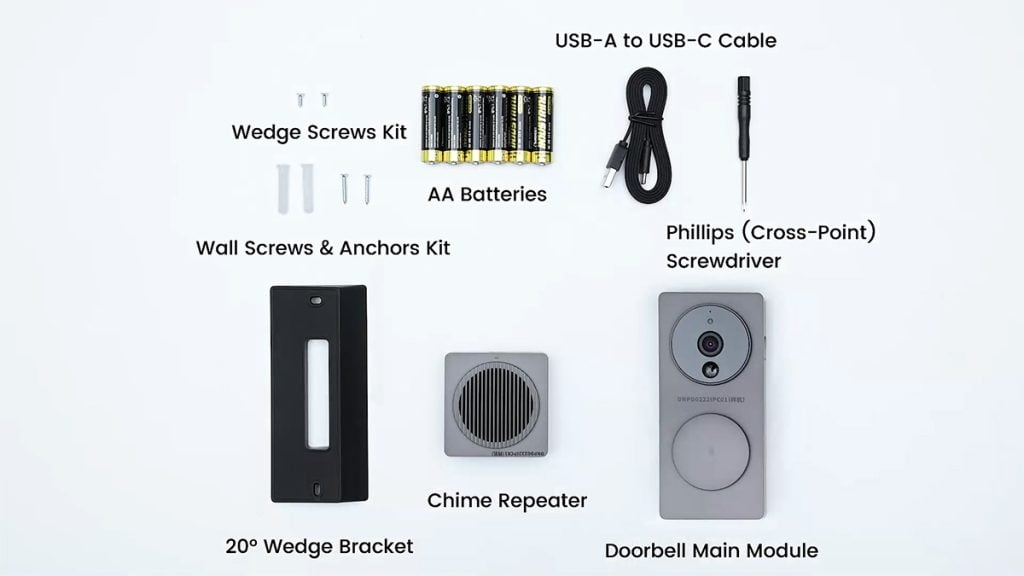
The Aqara G4 traditionally requires six 1.5V LR6 AA batteries. Unlike many competitors that use proprietary, built-in lithium-ion packs, Aqara’s choice to use standard AA cells is a strategic move for user accessibility. By using six batteries, the device operates on a high-capacity circuit that allows it to handle the significant “wake-up” current required when the camera transitions from a low-power state to active recording. When choosing alkaline batteries, it is essential to use high-quality, leak-resistant brands, as the doorbell is exposed to outdoor temperature fluctuations that can stress lower-grade cells.
Exploring Rechargeable Alternatives (NiMH)
For the eco-conscious user, Nickel-Metal Hydride (NiMH) rechargeable batteries are a viable alternative, though they come with a technical caveat. Standard NiMH batteries typically output 1.2V compared to the 1.5V of alkaline cells. While the Aqara G4 is engineered to handle this slight voltage drop, the battery indicator in the app may reflect a lower percentage sooner than expected. However, high-capacity NiMH batteries (2500mAh or higher) often provide more consistent power delivery over many charge cycles, making them a cost-effective long-term solution for high-traffic areas.
The Lithium Non-Rechargeable Advantage
In regions with extreme climates, the Aqara G4 benefits significantly from 1.5V Lithium (non-rechargeable) batteries, such as Energizer Ultimate Lithium. These are not to be confused with lithium-ion rechargeables. Lithium AA batteries maintain their voltage better in freezing temperatures and have a much higher energy density. If you live in a climate where winters regularly drop below freezing, these batteries are a technical requirement to prevent the doorbell from shutting down due to the chemical slowing of standard alkaline cells.
2. Optimizing Battery Life through Intelligent Management
A common challenge with battery-powered smart gadgets is the discrepancy between “advertised” battery life and “real-world” performance. Aqara claims up to 4 months of battery life, but achieving this requires a deep dive into the device’s software settings and technical configurations.
Leveraging HomeKit Secure Video and Power Consumption
The Aqara G4 is a powerhouse because it supports Apple’s HomeKit Secure Video (HKSV). However, HKSV is notoriously power-intensive. When the doorbell is integrated into the Apple ecosystem, the processing of motion events is shared between the device and your Home Hub (Apple TV or HomePod). To maximize battery life, users should configure “Activity Zones” within the Home app. By limiting the area the camera monitors—for instance, excluding a busy sidewalk—the camera wakes up less frequently, drastically extending the interval between battery changes.
Adjusting PIR Sensitivity and Recording Duration
The G4 utilizes a Passive Infrared (PIR) sensor to detect motion. From a technical standpoint, the higher the sensitivity, the more often the camera’s internal processor “wakes up” from its ultra-low-power sleep state. In the Aqara Home app, users can fine-tune these settings. Setting a “Detection Interval” (the cooling-off period between recorded events) and shortening the “Recording Duration” to 6 or 10 seconds can save significant amounts of milliamp-hours (mAh) over a month.
The Role of the External Chime in Power Conservation
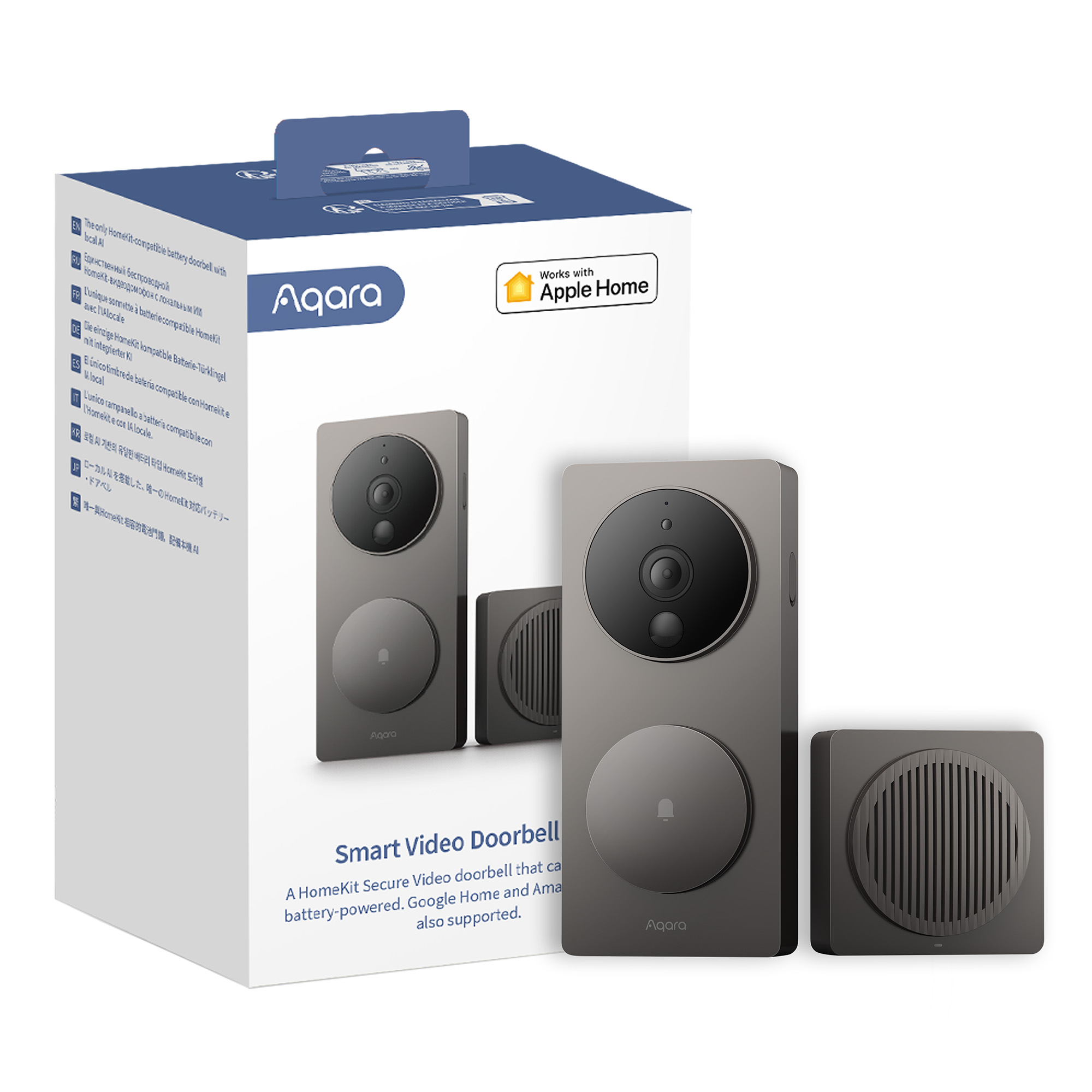
Unique to the Aqara G4 is its included Chime Repeater. Technically, the chime acts as a bridge between your Wi-Fi router and the doorbell unit. This allows the doorbell itself to use a lower-power wireless protocol to communicate with the chime, which is plugged into a wall outlet. To ensure the battery isn’t being drained by a weak Wi-Fi signal, the chime should be placed as close to the door as possible. A strong “link” between the doorbell and the chime ensures the outdoor unit doesn’t have to boost its radio power to maintain a connection, which is a common silent killer of smart doorbell batteries.
3. Beyond the Battery: The Hardwired Hybrid Option
While the focus is often on the AA batteries, the Aqara G4’s most advanced technical feature is its ability to use batteries as a secondary power source while being primarily powered by your home’s electrical grid.
When to Transition to AC/DC Wiring
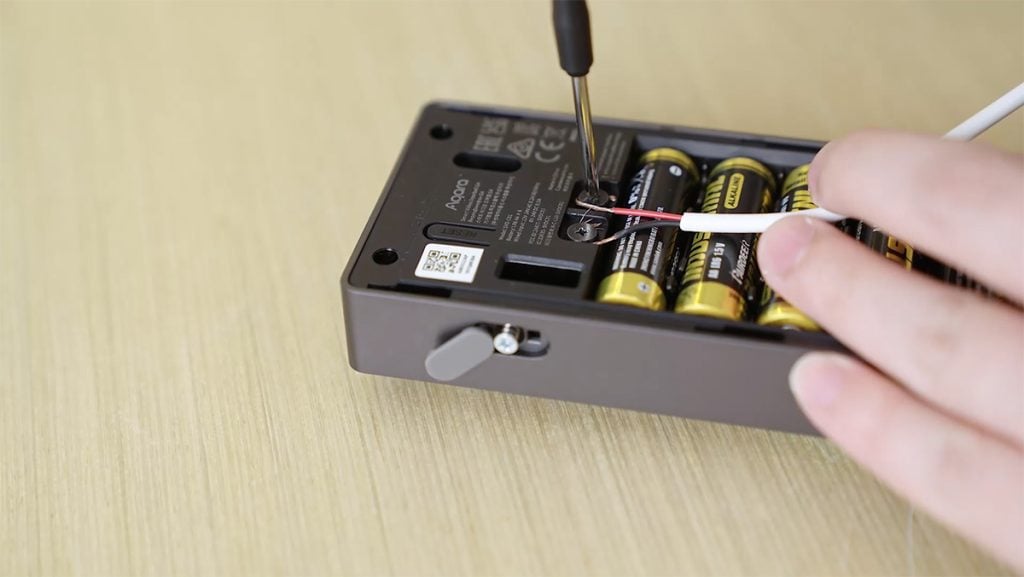
For those who have existing doorbell wiring, the Aqara G4 supports 8V-24V AC and 8V-24V DC inputs. Hardwiring the device changes the operational profile of the gadget entirely. When wired, the doorbell can support “24/7 recording” to a local microSD card (a feature not available in battery-only mode due to heat and power constraints). This turns the G4 from a reactive security device into a proactive surveillance tool.
Using Batteries as a Failsafe
The technical brilliance of the G4 lies in its “Dual Power Supply” mode. Even when hardwired, it is recommended to keep the six AA batteries installed. In the event of a power outage, the device seamlessly switches to battery power. From a digital security perspective, this ensures that your home’s entrance remains monitored even if a burglar cuts the power or if the local grid fails. This redundancy is a professional-grade feature rarely seen in consumer-level smart home hardware.
4. Environmental Factors and Technical Maintenance
Technology does not exist in a vacuum, and the physical environment plays a massive role in what the Aqara G4 battery requires to function optimally.
Temperature Resistance and Battery Chemistry
Batteries are essentially chemical reactors. In high heat, the internal resistance of alkaline batteries decreases, which can lead to faster self-discharge. Conversely, in extreme cold, the chemical reaction slows down, preventing the battery from providing enough current to start the camera’s Wi-Fi radio. To maintain the G4, users should monitor the “Device Health” section of the Aqara app, which provides insights into the current voltage levels. If you notice a sudden drop during a cold snap, it is a signal that the battery chemistry is struggling, and a switch to lithium cells may be necessary.
Firmware Updates and Power Efficiency
Aqara frequently releases firmware updates that include optimizations for the device’s SOC (System on a Chip). These updates often refine the way the camera handles its “sleep-to-wake” transitions. Keeping the G4’s firmware up to date is a technical requirement for maximizing battery efficiency. New software versions often improve the AI facial recognition algorithms, allowing them to process data faster and return the device to its low-power state more quickly.
Physical Maintenance of the Battery Compartment
Given that the G4 is an outdoor device, the battery compartment requires occasional inspection. While the unit is IPX3 rated, humidity can lead to minor oxidation on the battery contacts over time. A professional maintenance routine involves checking the contacts every six months and ensuring the battery cover’s waterproof gasket is clean and seated correctly. High resistance due to dirty contacts can trick the device into thinking the batteries are low, even when they have remaining capacity.
Conclusion: A Balanced Approach to Smart Power
The Aqara Smart Video Doorbell G4 is a sophisticated piece of technology that offers unparalleled flexibility in the smart home market. However, its performance is inextricably linked to how well the user manages its power requirements. Whether you opt for the convenience of high-capacity alkaline batteries, the resilience of lithium cells for cold weather, or the robust reliability of a hardwired connection with battery backup, understanding the technical nuances of these choices is key.
By optimizing software settings, respecting the limitations of battery chemistry, and utilizing the chime repeater effectively, you can ensure that the Aqara G4 remains a vigilant, always-on guardian of your home. In the world of tech and gadgets, power is the foundation of functionality—and with the G4, you have the tools to build a foundation that is both secure and sustainable.
aViewFromTheCave is a participant in the Amazon Services LLC Associates Program, an affiliate advertising program designed to provide a means for sites to earn advertising fees by advertising and linking to Amazon.com. Amazon, the Amazon logo, AmazonSupply, and the AmazonSupply logo are trademarks of Amazon.com, Inc. or its affiliates. As an Amazon Associate we earn affiliate commissions from qualifying purchases.