
The phrase “dry martini” conjures images of classic Hollywood glamour, sophisticated soirées, and perhaps a touch of mystery. It’s a drink synonymous with a certain kind of refined elegance, a whispered secret passed between discerning palates. But what does “dry” truly signify in the context of this iconic cocktail? While the answer might seem straightforward, delving into its meaning reveals fascinating insights that stretch far beyond the amber liquid in a chilled glass. This exploration of the “dry martini” takes us on a journey that touches upon the very essence of intention, refinement, and a keen understanding of subtle distinctions, mirroring the nuanced approaches found in the realms of technology, branding, and finance.

At its core, a “dry martini” refers to a specific ratio of gin (or vodka) to vermouth. The drier the martini, the less vermouth is used, and consequently, the more pronounced the flavor of the base spirit becomes. It’s a preference, a deliberate choice that signals a desire for a less sweet, more spirit-forward beverage. This emphasis on intentionality and the pursuit of a specific, distilled outcome resonates deeply with the principles that drive innovation in the tech world, the strategic development of brands, and the meticulous planning required for financial success.
The Evolution of “Dry”: A Technical Perspective on Taste
The concept of “dry” in a martini isn’t an immutable law but rather an evolution influenced by shifting tastes and advancements in cocktail culture, not unlike the iterative development cycles we see in technology. Initially, martinis were often made with a more generous pour of vermouth, lending them a sweeter profile. However, as the 20th century progressed, a desire for a cleaner, sharper, and more potent drink emerged. This shift can be likened to the technological leap from clunky, feature-heavy software to streamlined, user-friendly interfaces that prioritize core functionality.
From Sweet to Spirit-Forward: The Ratio’s Technical Significance
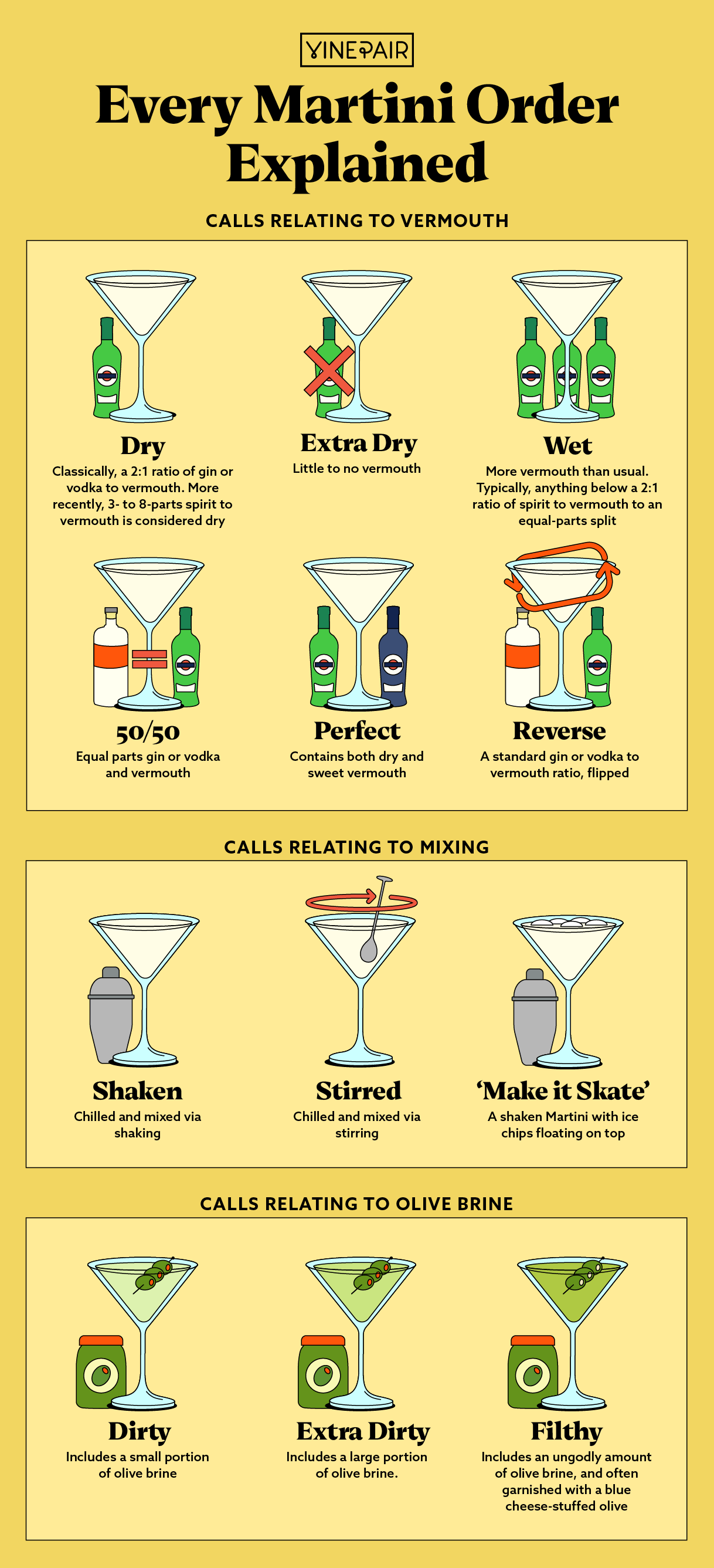
The technical specification of a “dry martini” hinges on the proportion of vermouth to gin. While there’s no single universally agreed-upon definition, common interpretations include:
- Extra Dry: This is the driest iteration, often involving just a whisper of vermouth, perhaps a rinse of the glass or a mere mist sprayed over the drink. The focus is almost entirely on the gin or vodka.
- Dry: A more moderate approach, still favoring the spirit but with a discernible presence of vermouth. This might be a 5:1 or 6:1 ratio of spirit to vermouth.
- Wet: The opposite of dry, this martini contains more vermouth, resulting in a softer, slightly sweeter, and less intense flavor profile.
This precise measurement and the deliberate deviation from a sweeter norm is akin to a developer optimizing an algorithm for maximum efficiency or a designer stripping away extraneous elements to highlight the essential user experience. It’s about understanding the fundamental components and manipulating their ratios to achieve a desired, often superior, outcome. In the tech world, this could translate to optimizing code for speed, reducing app bloat, or creating a minimalist website design that prioritizes essential information. The pursuit of “dryness” in a martini is, in essence, a pursuit of purity and a focus on the essential character of the spirit.
Branding “Dry”: The Power of Subtle Messaging
The choice to order or serve a “dry martini” extends beyond mere preference; it’s a form of communication, a subtle branding statement. In a world saturated with options, the ability to articulate a specific desire, even in something as simple as a drink order, conveys a sense of knowledge, confidence, and discerning taste. This mirrors the strategic imperative of branding.
The “Dry Martini” as a Brand Archetype
Consider the “dry martini” as a brand archetype. It embodies the Innocent, the Sage, or even the Rebel, depending on the context. When someone orders a dry martini, they are not just ordering a drink; they are subtly signaling their persona. They might be:
- The Sophisticate: Appreciating the classic, refined nature of the drink and the establishment that serves it well. This aligns with brands that project an image of luxury, heritage, and timeless elegance. Think of high-end fashion houses or classic automotive brands.
- The Pragmatist: Seeking a clean, unadulterated taste without unnecessary sweetness. This resonates with brands that prioritize functionality, efficiency, and directness. In tech, this could be a no-nonsense productivity app or a durable gadget.
- The Minimalist: Embracing simplicity and the inherent quality of core ingredients. This connects with brands that champion clean design, essentialism, and a focus on the core value proposition. Apple’s product philosophy often embodies this.
The “dry martini” communicates a deliberate rejection of the overly sweet or complex, opting instead for clarity and potency. This is a powerful branding strategy. A company that embraces a “dry” approach to its messaging might focus on concise, impactful communication, avoiding jargon and hyperbole. They present their core offering directly, trusting the quality of their product or service to speak for itself. This can be incredibly effective in cutting through the noise and building a strong, recognizable identity. It’s about making a statement through what you don’t include, just as much as what you do.
Case Studies in “Dry” Branding
We can see this “dry” branding in action across various industries. In the tech sector, companies like Signal, a messaging app, prioritize privacy and security with a no-frills interface. Their “dryness” is in their uncompromising focus on core functionality and data protection, eschewing the feature-laden, sometimes intrusive approaches of competitors.
In marketing, a brand that opts for a “dry” campaign might eschew flashy advertisements and celebrity endorsements, instead focusing on direct, honest testimonials and clear product demonstrations. This approach builds trust through transparency and a commitment to the product’s intrinsic value. Think of Dollar Shave Club’s early viral videos – they were direct, humorous, and focused squarely on the problem their product solved.
The Financial “Dry Martini”: Prudent Planning and Focused Investment
The pursuit of a “dry martini” also carries a parallel in the world of finance. It represents a mindset of clarity, precision, and a focus on what truly matters – a stark contrast to speculative frenzy or excessive complexity. In personal finance and investment, the “dry martini” mindset translates to disciplined budgeting, strategic investing, and a clear understanding of one’s financial goals.
Precision in Personal Finance: The “Dry” Budget
Just as a dry martini minimizes unnecessary ingredients, a “dry” approach to personal finance involves scrutinizing every expense and identifying what is truly essential. This means creating a budget that is lean, focused, and free from frivolous spending. It’s about allocating resources deliberately to achieve specific objectives, whether that’s saving for a down payment, paying off debt, or building an emergency fund.
This is where the “dryness” comes into play:
- Eliminating Unnecessary Expenses: Identifying subscriptions that aren’t used, impulse purchases, or recurring costs that don’t align with financial goals. This is akin to reducing the vermouth in a martini – it’s about removing elements that dilute the primary purpose.
- Prioritizing Core Needs: Ensuring essential expenses like housing, food, and healthcare are covered robustly. This is the base spirit of the martini – the fundamental element that cannot be compromised.
- Disciplined Saving and Investing: Consistently setting aside funds for future goals, rather than relying on speculative ventures. This requires patience and a focus on long-term growth, much like enjoying the nuanced flavor of a well-made martini rather than chugging it.
Investment Strategies: The “Dry Martini” Portfolio
In the realm of investing, a “dry martini” portfolio would be characterized by its simplicity, clarity, and a focus on fundamental value rather than chasing fleeting trends. It’s about building a solid, diversified portfolio that is resilient and aligns with long-term objectives.
- Index Funds and ETFs: These offer broad market exposure with low fees, representing a “dry” approach to diversification by not trying to pick individual winning stocks, but rather investing in the market’s overall growth.
- Value Investing: Focusing on undervalued companies with strong fundamentals, rather than speculative growth stocks. This is about identifying quality and substance, much like appreciating the quality of a well-distilled spirit.
- Long-Term Horizon: Maintaining a patient, disciplined approach to investing, avoiding panic selling during market downturns. This mirrors the savoring of a fine drink, appreciating its complexity over time.
A “dry martini” investor understands that chasing speculative “hot” stocks is like adding too much sweetener to a cocktail – it can mask the true quality and lead to an unsatisfying, short-lived experience. Instead, they focus on building a robust, dependable financial future, much like enjoying the pure, unadulterated taste of their preferred drink.

Conclusion: The Enduring Appeal of “Dry”
The “dry martini” is more than just a cocktail; it’s a philosophy. It’s about intentionality, refinement, and a deep appreciation for the essential. Whether we are discussing the stripped-down elegance of a piece of technology, the clear and concise messaging of a brand, or the disciplined approach to personal finance, the spirit of “dryness” offers valuable lessons. It’s a reminder that sometimes, less is indeed more. By stripping away the superfluous, we can often uncover greater clarity, deeper impact, and a more profound appreciation for the core elements that matter. The next time you find yourself contemplating the meaning of a “dry martini,” remember that its significance extends far beyond the bar, offering a potent metaphor for excellence in our digital, commercial, and financial lives.
aViewFromTheCave is a participant in the Amazon Services LLC Associates Program, an affiliate advertising program designed to provide a means for sites to earn advertising fees by advertising and linking to Amazon.com. Amazon, the Amazon logo, AmazonSupply, and the AmazonSupply logo are trademarks of Amazon.com, Inc. or its affiliates. As an Amazon Associate we earn affiliate commissions from qualifying purchases.