
In the landscape of modern audio engineering and consumer electronics, the term “ambient sound” has transitioned from a niche cinematic concept to a cornerstone of technological development. Whether you are browsing the specifications of the latest noise-canceling headphones, setting up a smart home ecosystem, or developing a virtual reality environment, ambient sound plays a critical role in how humans interact with digital interfaces. But what does ambient sound mean in a purely technical context, and how is technology manipulating these sounds to enhance our daily lives?
At its core, ambient sound—often referred to as “ambience”—encompasses the background noises that exist in any given environment. In the tech world, however, it is much more than mere noise; it is a data set that engineers must capture, analyze, and either suppress or enhance to create a seamless user experience.
Understanding the Fundamentals of Ambient Sound
To grasp the technical implications of ambient sound, one must first look at it through the lens of audio engineering. Unlike a primary audio source—such as a person speaking into a microphone or a musical instrument playing a lead melody—ambient sound is omnidirectional and persistent.
Defining Ambient Sound in Audio Engineering
In technical terms, ambient sound is the “room tone” or the atmospheric pressure of a space. It consists of the collective sound reflections within an environment. This includes the hum of an air conditioner, the distant murmur of traffic, or the subtle rustle of wind. In digital recording, capturing “clean” ambience is vital because it provides the “sonic glue” that makes edited audio feel natural. Without a baseline of ambient sound, digital audio often suffers from “black holes”—periods of absolute silence that the human ear perceives as jarring or artificial.
The Difference Between Background Noise and Ambience
While the terms are often used interchangeably, tech specialists distinguish between “noise” and “ambience.” Noise is typically seen as an unwanted signal that interferes with the desired audio (signal-to-noise ratio). Ambience, conversely, is a purposeful element used to establish a sense of space. In software development for gaming and VR, ambient sound is a layered technical achievement, using algorithms to simulate how sound bounces off different digital textures, such as wood versus concrete.
The Technology Behind Ambient Sound Reproduction
As we move toward more immersive digital experiences, the technology used to record and reproduce ambient sound has become incredibly sophisticated. We are no longer limited to simple stereo playback; we are now in the era of spatial and object-based audio.
Spatial Audio and 3D Soundscapes
Spatial audio is a technology that allows sound engineers to place “sources” of ambient sound in a three-dimensional space. By using head-related transfer functions (HRTFs), software can trick the human brain into believing a sound is coming from above, behind, or below them. This is achieved through complex digital signal processing (DSP) that adjusts the timing and frequency of the audio hitting each ear. For ambient sound, this means a user can “feel” the vastness of a digital forest or the cramped quarters of a virtual cockpit, significantly increasing the immersion of the tech.
High-Fidelity Recording Techniques: Binaural and Ambisonics
To capture ambient sound accurately, hardware has evolved. Binaural recording uses a “dummy head” microphone configuration with mics placed inside ear-shaped molds to capture sound exactly as a human would. Ambisonics, a full-sphere surround sound format, captures audio not just on a horizontal plane but covers the top and bottom as well. These techniques are essential for creating the “transparency” modes found in high-end gadgets today, as they provide the raw data needed for the device to replicate the outside world with pinpoint accuracy.
Ambient Sound in the Era of Active Noise Cancellation (ANC)
One of the most prominent applications of ambient sound technology today is found in consumer wearables like the Apple AirPods Pro, Sony WH-1000XM series, and Bose QuietComfort headphones. Here, the management of ambient sound is a feat of real-time computational physics.

How Transparency Mode Processes Environmental Audio
Most modern premium headphones feature a “Transparency” or “Ambient Sound Mode.” This technology uses external-facing microphones to pick up the ambient sounds of the user’s environment. The internal processor then pumps that audio into the earcups with near-zero latency. The technical challenge here is “naturalness.” Engineers use DSP to ensure that the user’s own voice doesn’t sound muffled (the occlusion effect) and that the directionality of the traffic or voices around them is preserved, allowing for situational awareness while still consuming digital media.
The Role of Digital Signal Processing (DSP) in Noise Control
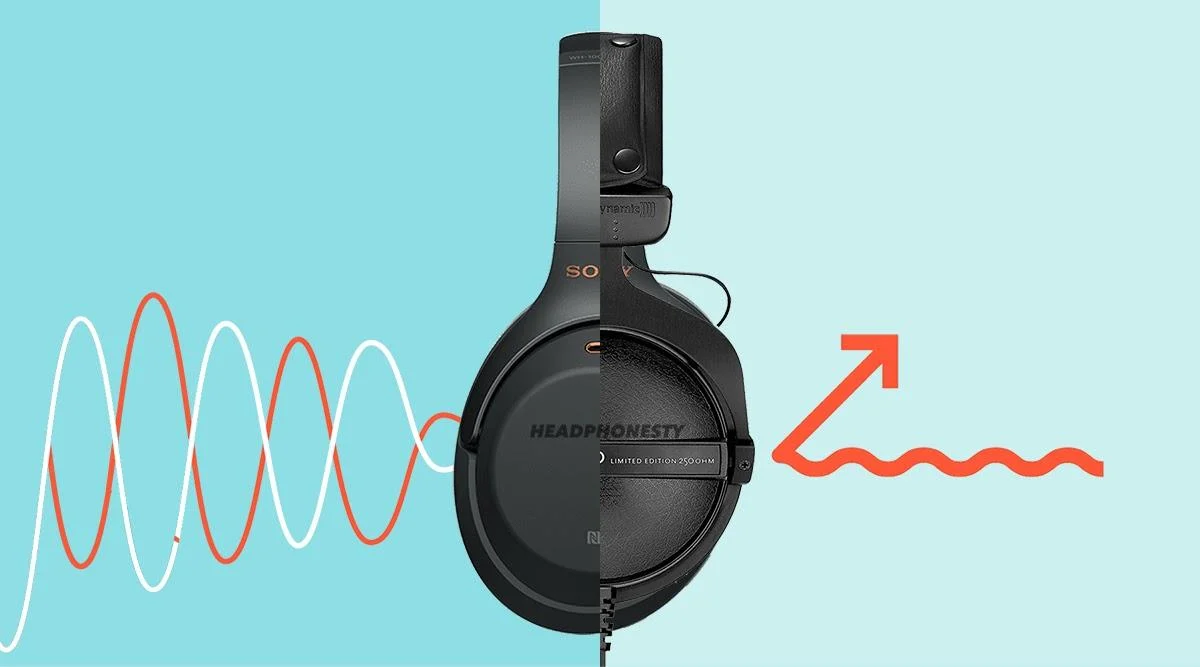
Active Noise Cancellation (ANC) is the inverse of ambient sound enhancement. It works by using microphones to detect the waveforms of ambient noise and then generating an “anti-noise” wave—a sound wave with the same amplitude but with inverted phase (180 degrees out of phase). When these two waves meet, they undergo destructive interference, effectively canceling out the ambient sound. The “Tech” behind this is staggering: the processor must analyze the ambient sound and create the counter-wave in milliseconds, adjusting constantly as the environment changes.
AI and the Future of Synthetic Ambient Sound
We are currently entering a phase where ambient sound is not just recorded, but intelligently generated. Artificial Intelligence and machine learning are now being used to curate “functional” soundscapes designed to improve human productivity and well-being.
Generative AI in Soundscape Design
Apps like Endel and Brain.fm utilize generative AI to create endless, non-repeating ambient soundscapes. These tools analyze user data—such as heart rate, time of day, and weather—to synthesize ambient sounds that encourage focus, relaxation, or sleep. Unlike a recorded track of rain, these AI-driven ambient sounds are “living” streams of data that shift their frequency and density based on real-time inputs, representing a new frontier in personalized audio tech.
Adaptive Sound Environments in Smart Tech
In the smart home sector, ambient sound is becoming an automated feature. Devices like the Amazon Echo or Google Nest are beginning to use “acoustic sensing.” By emitting inaudible high-frequency pings and listening to the ambient reflections, these devices can map a room’s layout or detect if a person is present. Furthermore, smart homes can now use “sound masking” technology, where the house itself generates specific ambient frequencies to neutralize the sound of a loud neighbor or a buzzing refrigerator, creating a technologically controlled “quiet zone.”
Why Ambient Sound Matters in UX and Digital Design
The final frontier of ambient sound lies in User Experience (UX). As our devices become more integrated into our lives, the “silent” parts of our tech interactions are being filled with intentional sonic design.
Sound as a Feedback Mechanism
In the world of software and apps, “ambient haptics” and “sonic branding” are becoming vital. Subtle ambient pings provide feedback that an action has been completed without the need for a loud, intrusive notification. This “low-intensity” audio feedback reduces the “noise floor” of our digital lives, allowing for a more focused and less stressful interaction with technology.
Reducing Cognitive Load Through Sonic Engineering
Technical research suggests that “absolute silence” can actually increase stress in certain digital work environments. By introducing “engineered ambience”—such as a low-level pink noise or a simulated office hum—tech companies can help users maintain a state of “flow.” This is a deliberate application of ambient sound technology to reduce cognitive load, proving that the sounds we don’t consciously notice are often as important as the ones we do.

Conclusion
When we ask “what does ambient sound mean” in today’s tech-driven world, the answer is a complex blend of physics, hardware engineering, and artificial intelligence. It is no longer just the “background”; it is a sophisticated tool used to create immersion, provide safety through situational awareness, and enhance productivity through generative algorithms.
From the destructive interference patterns of ANC headphones to the three-dimensional landscapes of spatial audio, ambient sound is a fundamental pillar of modern digital design. As technology continues to evolve, our ability to manipulate, synthesize, and interact with the sounds around us will only become more refined, turning the “white noise” of the world into a tailored, high-definition experience.
aViewFromTheCave is a participant in the Amazon Services LLC Associates Program, an affiliate advertising program designed to provide a means for sites to earn advertising fees by advertising and linking to Amazon.com. Amazon, the Amazon logo, AmazonSupply, and the AmazonSupply logo are trademarks of Amazon.com, Inc. or its affiliates. As an Amazon Associate we earn affiliate commissions from qualifying purchases.