
When most people ask, “What does a server at a restaurant do?” they often envision the physical act of carrying trays or taking orders. However, from a financial and business perspective, a restaurant server acts as a frontline sales representative, a micro-business owner, and a critical driver of a hospitality brand’s revenue. In the “Money” niche—encompassing personal finance, side hustles, and business operations—the role of a server is one of the most dynamic and accessible ways to generate significant cash flow.
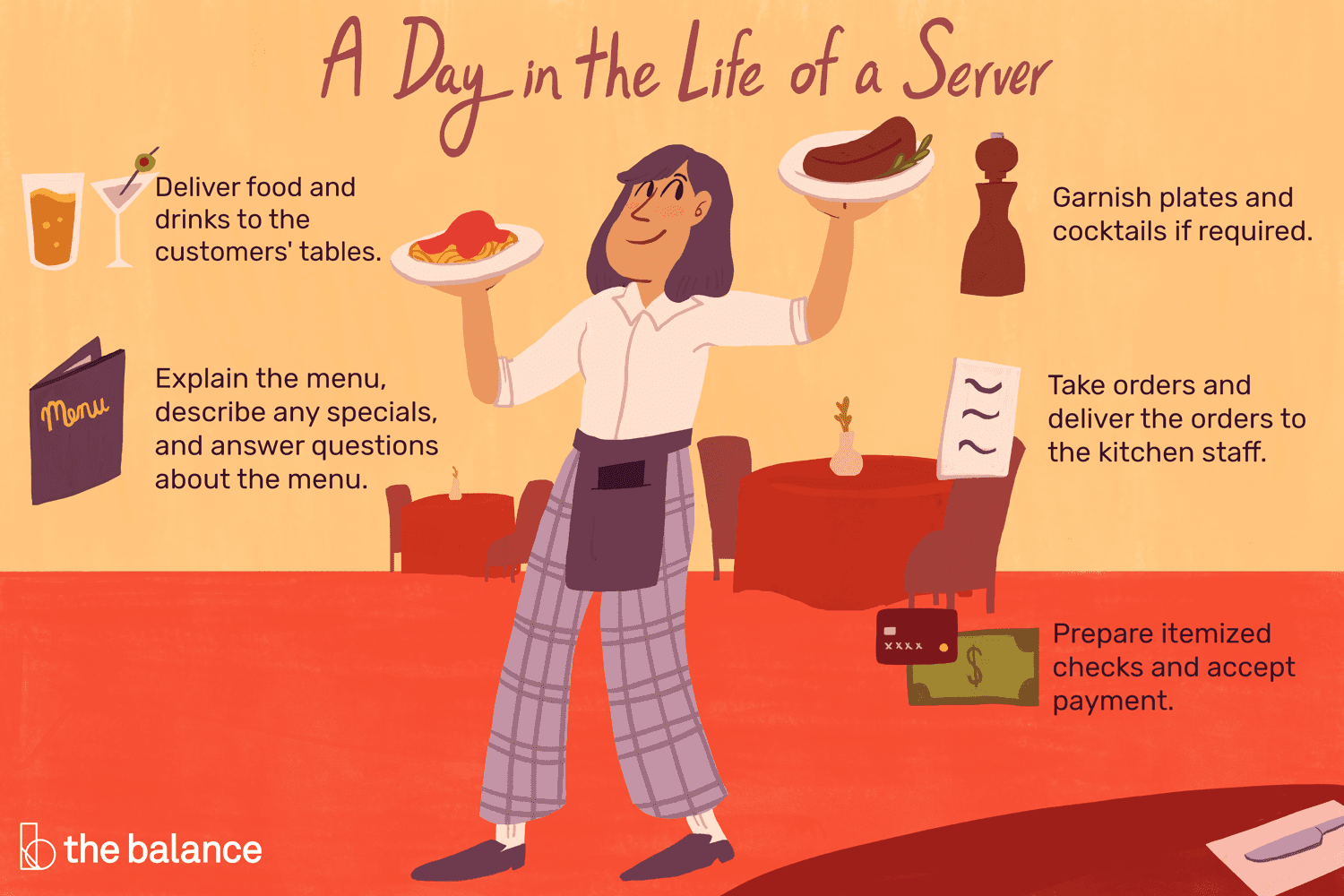
Whether you are looking at serving as a high-yield side hustle to pay off debt or examining the business finance side of how service staff impact a restaurant’s bottom line, understanding the intricacies of the role is essential.
The Financial Landscape of the Modern Restaurant Server
The primary motivation for entering the service industry is almost always financial. Unlike many entry-level positions with fixed hourly rates, the role of a server is built on a variable income model that rewards efficiency, salesmanship, and customer psychology.
Hourly Wages vs. Tip-Based Earnings
In the United States and many other regions, the “tipped minimum wage” creates a unique financial structure. Servers often receive a lower base hourly pay from their employer, with the expectation that gratuities will make up the bulk of their income. This shifts the server’s financial status from a “wage earner” to something more akin to a “commission-based sales agent.” Understanding this distinction is vital for anyone using serving as a side hustle. When you are on the floor, your “pay” is not dictated by the clock, but by the volume of sales you generate and the quality of the experience you provide.
The Impact of Minimum Wage Laws on Service Income
The legal landscape regarding server pay is shifting. Some states have abolished the tip credit, requiring restaurants to pay servers the full state minimum wage on top of their tips. This creates a lucrative opportunity for personal finance growth. For a server in a high-minimum-wage state (like California or Washington), the combination of a $15–$20 hourly base plus tips can result in an effective hourly rate that rivals many mid-level corporate positions. Analyzing these regional differences is a crucial step in strategic “side hustle” planning.
The Server as a Micro-Business: Managing Tips and Personal Finance
For the savvy server, the role is less about “working for a boss” and more about managing a personal service brand. Every table is a new client, and every shift is an opportunity to optimize your ROI (return on investment) of time and energy.
Strategies for Consistent Tip Growth
To maximize income, a server must master the art of the “soft sell.” This isn’t just about suggesting an appetizer; it’s about increasing the total check size through psychological anchoring and expert product knowledge. From a business finance perspective, a server who can increase the average check by just $5 across 20 tables in a night has added $100 to the restaurant’s top-line revenue and potentially $20 to their own pocket.
Effective servers use “suggestive selling” techniques—pairing high-margin wines with specific entrees or highlighting limited-time specials—to drive these numbers. This is a direct application of sales strategy used in high-level business environments.
Tax Obligations and Reporting for Tipped Employees
One of the most complex aspects of the server role is personal finance management. Unlike traditional 9-to-5 jobs where taxes are withheld automatically based on a steady salary, servers must deal with daily cash flow and the reporting of tipped income.
The IRS requires that 100% of tips be reported, yet many servers struggle with the administrative side of this. Professional servers treat their income with the rigor of a small business owner, using apps to track daily earnings, calculating their “effective hourly rate” across months to account for seasonal fluctuations, and setting aside percentages for quarterly tax estimates. This financial discipline is what separates those who “just wait tables” from those who use the service industry to build real wealth.

The Service Industry as a Strategic Side Hustle
In the era of the gig economy, serving remains one of the most reliable and high-paying side hustles available. Compared to driving for ride-share apps or doing freelance data entry, serving offers a higher “ceiling” for hourly earnings due to the nature of tips.
Flexibility and Scaling Hours for Financial Goals
The beauty of the restaurant industry lies in its scheduling flexibility. For individuals looking to fund a specific financial goal—such as an engagement ring, a down payment on a house, or an investment portfolio—serving allows for “sprinting.” A server can pick up extra shifts during “peak seasons” (holidays, graduation weekends, or summer tourism) to see a massive spike in short-term income. This ability to scale effort to match financial needs is a core tenet of successful personal finance.
Transferable Skills for High-Income Career Pivots
What a server does on a daily basis builds a toolkit of “high-value skills” that are directly applicable to high-income careers in sales, brokerage, and corporate management. A server manages high-stress situations, practices objection handling, masters multitasking, and performs “customer success” roles simultaneously.
When a server transitions into a career in real estate or SaaS sales, they are not starting from scratch; they are applying years of experience in reading people and closing deals. Recognizing the “human capital” built while serving is an essential part of a long-term wealth-building strategy.
Operational Efficiency: How a Server Drives Restaurant Revenue
From the perspective of business finance, the server is the engine of the restaurant’s profitability. A restaurant’s margins are notoriously thin, often hovering between 3% and 5%. In this environment, the server’s efficiency is the difference between profit and loss.
Upselling and Increasing Average Check Size
A server’s ability to upsell is a direct contribution to the restaurant’s P&L (Profit and Loss) statement. By moving a guest from a house rail drink to a premium spirit, the server increases the margin on that specific transaction. Professional servers understand which menu items have the best “contribution margin”—the amount of money left over after the cost of goods sold (COGS) is subtracted. Promoting these items is a sophisticated business move that benefits both the establishment and the server’s tip potential.
Inventory Management and Loss Prevention at the Table
What a server does also involves a level of “internal audit.” By ensuring that every item that leaves the kitchen is correctly entered into the POS (Point of Sale) system, the server prevents “shrinkage” or unrecorded loss. They also act as the final quality control check; by catching an error before it reaches the guest, they save the restaurant the cost of a “re-fire” or a comped meal, directly preserving the business’s bottom line.
Leveraging Service Income for Long-Term Investing
The ultimate goal of any high-yield side hustle or career is to convert active income into passive wealth. Because servers often walk away from a shift with “cash in hand,” they face a unique challenge in personal finance: the temptation of immediate spending.
Turning “Shift Cash” into Investment Capital
The most successful servers utilize a “Wealth Pipeline” strategy. Instead of seeing a $200 night in tips as “spending money,” they treat it as “investment capital.” By immediately depositing cash and funneling it into low-cost index funds, Roth IRAs, or high-yield savings accounts, a server can use the high-velocity income of the restaurant world to fuel long-term financial independence.

Financial Resilience and the “Safety Net”
Finally, what a server does is provide themselves with a recession-proof skill. The ability to walk into almost any city in the world and secure a job that pays daily is a form of “financial insurance.” In an economy where corporate roles can be outsourced or automated, the high-touch, human-centric role of the server remains a resilient source of income.
In conclusion, a server at a restaurant is much more than a food runner. They are a sales professional and a financial manager of their own personal brand. By viewing the role through the lens of money—focusing on sales optimization, tax strategies, and the strategic use of side-hustle income—one can transform a service job into a powerful engine for personal and business financial success.
aViewFromTheCave is a participant in the Amazon Services LLC Associates Program, an affiliate advertising program designed to provide a means for sites to earn advertising fees by advertising and linking to Amazon.com. Amazon, the Amazon logo, AmazonSupply, and the AmazonSupply logo are trademarks of Amazon.com, Inc. or its affiliates. As an Amazon Associate we earn affiliate commissions from qualifying purchases.