
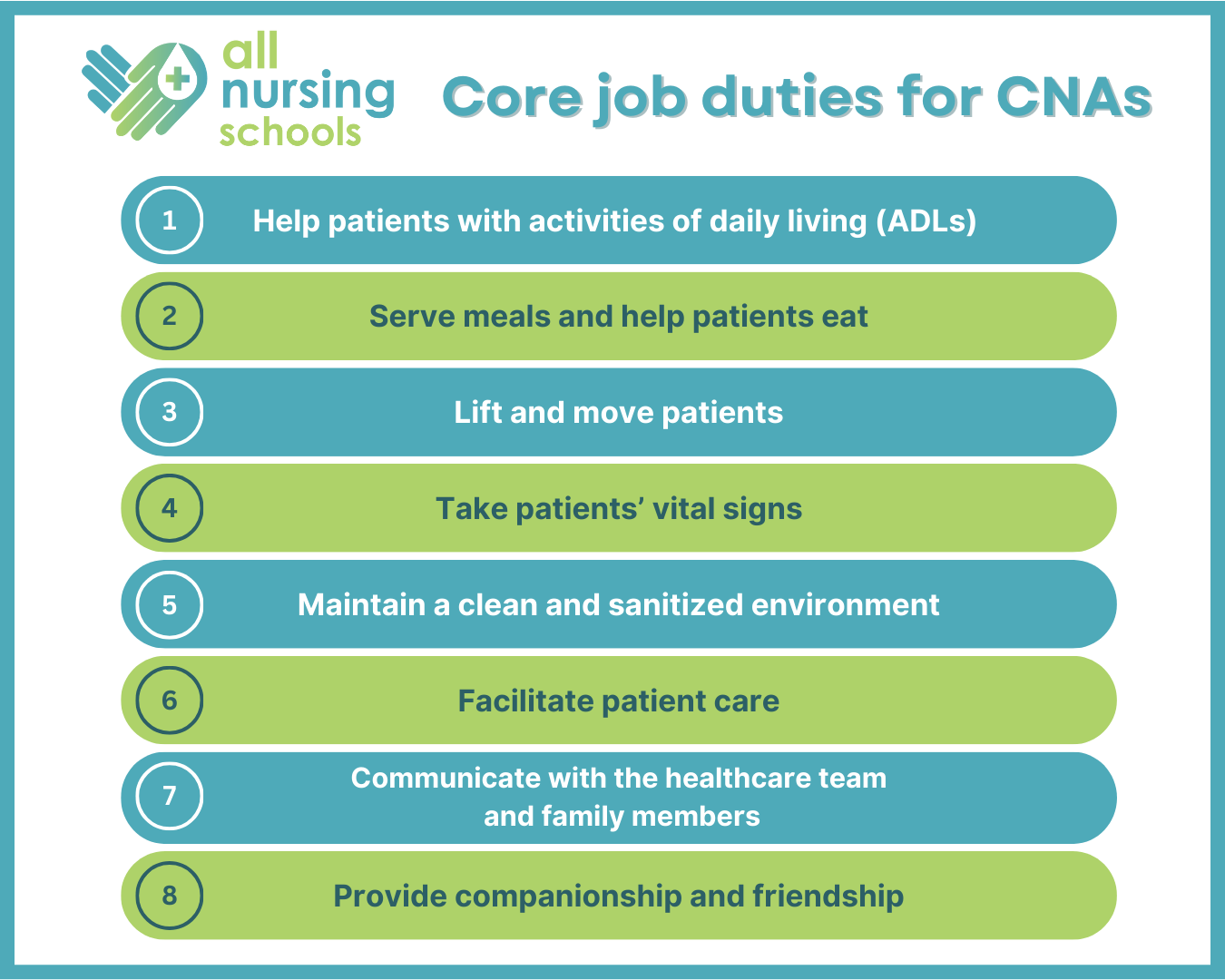
When individuals ask, “What does a nurse aide do?” they are often looking past the clinical duties to understand the viability of the role as a professional career path. In the modern economy, the position of a Certified Nursing Assistant (CNA) or Nurse Aide is more than just a frontline healthcare role; it is a strategic entry point into the massive healthcare economy.
From a “Money” niche perspective, becoming a nurse aide represents a low-barrier, high-security investment with significant Return on Investment (ROI). This article explores the financial landscape of the nurse aide profession, analyzing the costs of entry, income maximization strategies, and the long-term economic trajectory of those who start in this vital sector.

The Initial Investment: Costs of Certification and Training ROI
Before entering any profession, a savvy individual must analyze the “buy-in” cost. Unlike many careers that require four-year degrees and six-figure student loans, the path to becoming a nurse aide is remarkably cost-effective, offering one of the fastest routes to a steady paycheck in the current market.
Understanding CNA Program Costs
The financial commitment to become a nurse aide typically involves a state-approved training program. Depending on the region and the institution (community colleges, vocational schools, or private healthcare facilities), these programs cost anywhere from $600 to $2,500. This fee usually covers tuition, textbooks, and basic medical supplies like scrubs and a stethoscope.
When compared to the average cost of a Bachelor’s degree, the nurse aide certification is a micro-investment. Furthermore, many long-term care facilities offer “sponsored training,” where they pay for the student’s certification in exchange for a commitment to work at the facility for a set period. This reduces the initial capital outlay to nearly zero, creating an immediate positive cash flow upon graduation.
Calculating the Time-to-Profit Ratio
Time is a currency, and the “time-to-profit” ratio for a nurse aide is among the best in the labor market. Most programs can be completed in four to twelve weeks. If a student spends $1,500 on a six-week course and starts working immediately at a median wage of $18–$22 per hour, they can recoup their entire educational investment in less than two weeks of full-time employment. In the world of personal finance, an investment that pays for itself in 80 working hours is an outlier of efficiency.
Income Streams and Salary Benchmarks for Modern Nurse Aides
While the base salary of a nurse aide provides a stable foundation, the true financial potential of the role lies in understanding the various tiers of the healthcare labor market. A nurse aide’s income is not a fixed ceiling but a fluctuating figure based on geography, facility type, and employment model.
Traditional Staffing vs. Agency Work (The Premium Pay Model)
In the current economic climate, “gig economy” principles have permeated healthcare. While staff nurse aides at hospitals or nursing homes receive traditional benefits and a steady hourly rate, “Agency Aides” operate under a different financial model.
Healthcare staffing agencies act as intermediaries, sending aides to facilities experiencing shortages. Because these facilities are in urgent need, they pay a premium. Agency aides often earn 30% to 50% more per hour than staff employees. For a nurse aide focused on aggressive savings or debt repayment, transitioning to agency work—or “traveling” as a CNA—can elevate their annual income from a standard $38,000 to upwards of $55,000 or $60,000, depending on the demand in specific markets.
Regional Wage Disparities and Economic Factors
Geography plays a massive role in the “Money” aspect of caregiving. In states with high costs of living or significant aging populations, such as California, New York, or Florida, wages are adjusted upward. However, a professional nurse aide must also consider the “real wage”—the income adjusted for the local cost of living. A nurse aide earning $20 an hour in a low-tax, low-cost state like Texas may have more “disposable income” than one earning $25 in a high-tax urban center. Analyzing these metrics is essential for any aide looking to maximize their net worth.
Maximizing Earning Potential: Side Hustles and Specialized Niches
A nurse aide’s skill set is a commodity that can be leveraged outside of the standard 9-to-5 hospital shift. By diversifying their income streams, nurse aides can move from being simple wage-earners to becoming small business operators or specialized consultants.
Private Duty Care as a Business Model
One of the most lucrative “side hustles” for a nurse aide is private duty care. Many wealthy families prefer to hire aides directly to care for elderly relatives in their homes rather than going through a large home-health agency that takes a significant cut of the hourly rate.
By acting as an independent contractor, a nurse aide can charge $30–$45 per hour—rates significantly higher than what a hospital would pay—while still providing a cost-saving to the family compared to institutional care. This “Business of One” model requires an understanding of self-employment taxes and liability insurance, but it represents the pinnacle of hourly earning potential for the role.
Leveraging Specialized Certifications for Higher Pay
In the business of healthcare, specialization equals higher billing rates. A general nurse aide can increase their market value by obtaining “stackable” certifications. For example:
- Medication Aide (CMA): In many states, a small additional course allows an aide to administer certain medications, leading to an immediate hourly raise.
- Phlebotomy or EKG Technician: Adding these technical skills makes an aide indispensable in a hospital setting, moving them into higher-pay brackets.
- Restorative Aide: Specializing in physical therapy assistance can open doors to private clinics with better hours and higher base salaries.
Long-term Financial Planning and the Career Ladder
The most successful nurse aides do not view the role as a terminal destination but as a high-yield stepping stone. From a financial planning perspective, the “aide” stage is the foundational period where one builds the capital and experience necessary to leap into higher-income brackets.
From Aide to RN: The Wealth-Building Path
The most common financial “bridge” is the transition from CNA to Registered Nurse (RN). Many healthcare corporations offer tuition reimbursement programs for their aides. This is a critical financial strategy: the employer essentially finances the employee’s upward mobility.
An aide earning $40,000 a year can use their employer’s money to become an RN, where the starting salary often jumps to $75,000 or more. By avoiding student debt through employer-sponsored education, the nurse aide turned RN enters the middle class with a pristine balance sheet, a feat rarely achieved in other professional sectors.
Benefits, Retirement, and Financial Security in Healthcare
Beyond the hourly wage, the “Money” value of being a nurse aide includes the robust benefits packages typical of the healthcare industry. Access to 401(k) matching programs, comprehensive health insurance, and paid time off (PTO) adds significant “invisible income” to the role.
In an era of economic volatility, the “recession-proof” nature of nurse aide work cannot be overstated. Unlike the tech or real estate sectors, healthcare demand is decoupled from the stock market. This stability allows for consistent long-term financial planning, steady contributions to retirement accounts, and a level of job security that is increasingly rare in the modern workforce.
Conclusion: The Economic Reality of the Nurse Aide
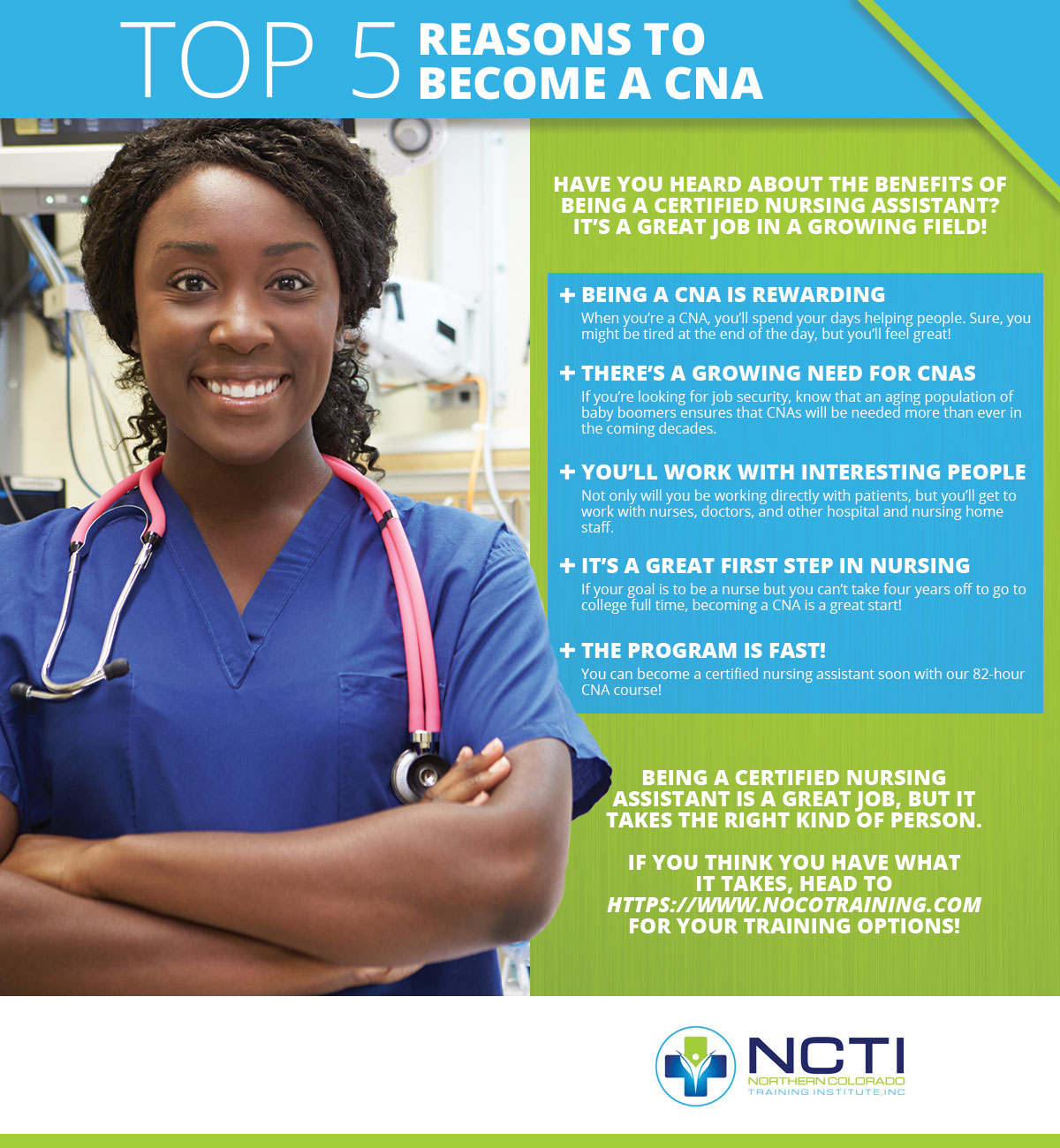
Ultimately, what a nurse aide “does” is provide essential labor in a high-demand, high-growth economic sector. While the work is physically and emotionally demanding, the financial structure of the career offers a unique combination of low entry costs, immediate liquidity, and multiple paths for income scaling.
Whether used as a lifelong career focused on agency-driven high wages and private duty contracts, or as a debt-free bridge to a lucrative nursing or administrative career, the role of a nurse aide is a powerful tool for financial mobility. In the intersection of healthcare and personal finance, the nurse aide stands as a testament to the value of specialized, essential labor in a modern economy.
aViewFromTheCave is a participant in the Amazon Services LLC Associates Program, an affiliate advertising program designed to provide a means for sites to earn advertising fees by advertising and linking to Amazon.com. Amazon, the Amazon logo, AmazonSupply, and the AmazonSupply logo are trademarks of Amazon.com, Inc. or its affiliates. As an Amazon Associate we earn affiliate commissions from qualifying purchases.