
For decades, individuals suffering from non-celiac gluten sensitivity (NCGS) or celiac disease have struggled to articulate a specific, recurring phenomenon: the gluten headache. Often described as a “brain fog” or a persistent, dull pressure, the subjective nature of this pain has made it difficult to diagnose and even harder to manage. However, we are entering a new era where the intersection of biotechnology and digital health is transforming these vague physical sensations into actionable data.
In the realm of technology, the “gluten headache” is no longer just a feeling; it is becoming a digital biomarker. Through the lens of wearable sensors, artificial intelligence (AI), and advanced diagnostic software, we are beginning to decode exactly what this sensation looks like from a data perspective and how tech tools are helping users predict, identify, and mitigate its impact.
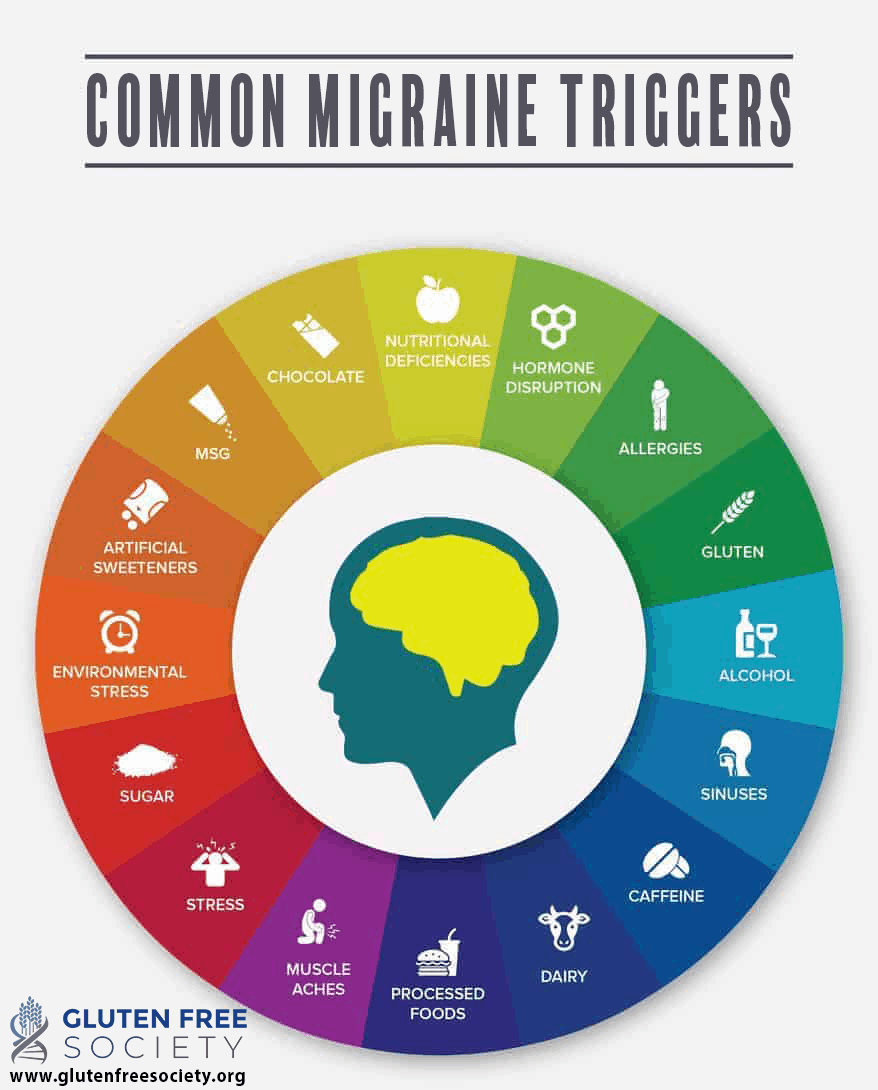
The Digital Taxonomy of Pain: Mapping the Gluten Headache Through Data
To understand what a gluten headache “feels like” through a technological lens, we must look at how software categorizes the physical manifestations of inflammation. Unlike a standard migraine, which often has a vascular signature that can be tracked via blood flow sensors, a gluten headache is frequently systemic.
From Subjective Sensation to Digital Biomarker
Traditionally, a patient might tell their doctor they feel “heavy-headed” or “cloudy” after consuming wheat. In the tech-driven wellness space, this is being translated into “Digital Biomarkers.” Modern health-tech platforms use high-fidelity sensors to track subtle shifts in the autonomic nervous system. When gluten triggers an inflammatory response in sensitive individuals, it often manifests as a decrease in Heart Rate Variability (HRV) and a slight elevation in core body temperature—data points that apps can now flag as “stress events” before the user even realizes a headache is forming.
Neural Signatures and EEG Integration
Recent advancements in consumer-grade EEG (electroencephalogram) headbands have allowed tech enthusiasts to see the “feeling” of brain fog in real-time. A gluten headache often correlates with an increase in theta wave activity and a suppression of alpha waves, which are associated with alertness and calm focus. By visualizing these brainwave patterns on a smartphone, users can see a literal map of their cognitive impairment, moving the experience from a frustrating feeling to a quantifiable technical metric.
Wearable Technology and the Quantified Self: Real-Time Inflammatory Tracking
The evolution of wearable technology has moved far beyond step counting. Today’s gadgets are sophisticated laboratories on the wrist, capable of identifying the physiological “storm” that precedes a gluten-induced headache.
Tracking the Inflammatory Spike
What does a gluten headache feel like on an Oura Ring or a WHOOP strap? It looks like a “recovery deficit.” For many, the ingestion of gluten leads to a localized inflammatory response in the gut that ripples through the entire system. Wearables detect this through elevated resting heart rates during sleep. By analyzing these data patterns, software algorithms can correlate a “poor recovery” score with specific dietary inputs, helping users identify that the “dull throb” they feel at 10:00 AM is the direct result of a cross-contaminated dinner the night before.
The Rise of Continuous Glucose Monitors (CGMs) in Non-Diabetics
While CGMs were designed for diabetics, the “biohacking” tech community has adopted them to understand food sensitivities. A gluten-heavy meal often causes a sharp glucose spike followed by a “crash” that mimics or exacerbates the feeling of a gluten headache. By using apps like Nutrisense or Levels, individuals can see the exact curve of their blood sugar. The technology highlights how the headache is often a secondary symptom of metabolic instability caused by the body’s inability to process specific grain-based proteins efficiently.
Bio-Sensing Patches and Interstitial Fluid Analysis
The next frontier in tech is the development of non-invasive patches that sample interstitial fluid to detect cytokines—proteins that signal inflammation. When a user asks “what does a gluten headache feel like,” tech companies are working toward an answer that involves a push notification: “Inflammatory markers detected: cytokine levels elevated by 15%.” This provides a physical validation for the user, confirming that their headache is a biological reality rather than a psychosomatic occurrence.
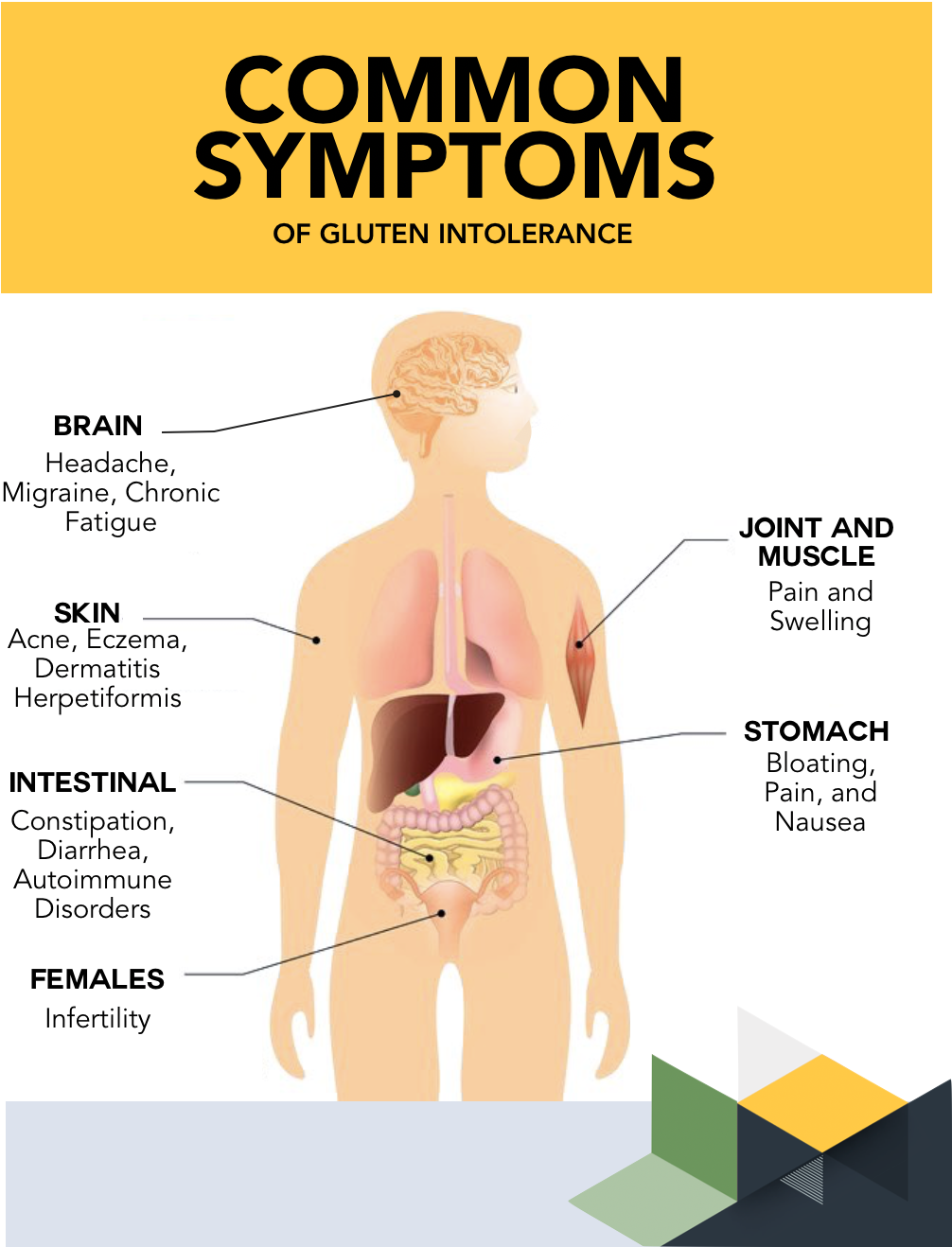
AI as the New Clinical Detective: Pattern Recognition in Dietary Software
The primary challenge of identifying a gluten headache is the “delayed reaction.” Symptoms often appear hours or even days after ingestion. This is where Artificial Intelligence and Machine Learning (ML) become the most powerful tools in a user’s arsenal.
Machine Learning Models for Personal Nutrition
Apps like Cara Care or MySymptoms utilize sophisticated ML algorithms to find needles in haystacks. A user might log dozens of variables—sleep, stress, water intake, and various ingredients. The AI looks for correlations that the human eye would miss. It can identify that a specific “feeling” of pressure behind the eyes consistently follows the consumption of “modified food starch” or “malt flavoring,” two common hidden sources of gluten. This predictive tech shifts the user’s experience from reactive suffering to proactive avoidance.
Natural Language Processing (NLP) in Symptom Journals
Modern health apps now use NLP to analyze the way users describe their pain. If a user repeatedly logs words like “tightness,” “heavy eyelids,” or “mental fatigue,” the AI can categorize this specific cluster of descriptors as a “Gluten-Type Cephalalgia.” By comparing this data against thousands of other users, the software can provide a “certainty score,” telling the user, “Your current symptoms have an 85% match with gluten-related inflammatory responses documented in our database.”
The Integration of Ingredient-Scanning Hardware
Beyond software, hardware like the Nima Sensor (a portable gluten tester) allows users to digitize their environment. By testing a small sample of food and receiving a digital “Gluten Found” or “Smile” icon, the user can prevent the headache before it starts. This tech bridges the gap between the physical world and digital safety, providing a “firewall” for the human body.
The Future of Health-Tech: Personalized Mitigation and Digital Therapeutics
As we look toward the future, the technology surrounding dietary sensitivities is moving into the realm of “Digital Therapeutics” (DTx). This involves using software to actually treat or mitigate the symptoms of the gluten headache.
Biofeedback and Neuromodulation
For those who are already in the midst of a gluten-induced migraine, wearable tech is offering new ways to “feel” better. Devices that use Cefaly-style neurostimulation send electrical pulses to the trigeminal nerve to block pain signals. From a tech perspective, this is “software-defined pain management.” The user can adjust the intensity of the pulse via an app, essentially “tuning” their nervous system to cancel out the headache’s frequency.
The Ecosystem of Digital Health Records
The ultimate goal of health-tech is a seamless ecosystem where wearable data, AI logs, and genomic sequencing (like 23andMe data) live in a single dashboard. For the person wondering why they feel “off,” this tech stack provides a holistic answer. It might show that they have the HLA-DQ2/DQ8 gene (predisposing them to gluten issues), that their wearable detected a drop in sleep quality, and that their AI food log identified a hidden wheat derivative in a new sauce.
Telemedicine and Remote Monitoring
Finally, technology has changed how we communicate these feelings to professionals. Through remote patient monitoring (RPM), a nutritionist or gastroenterologist can view a patient’s digital dashboard in real-time. Instead of the patient trying to remember what their headache felt like three weeks ago, the doctor can see the exact physiological data from the moment the pain occurred. This level of technical transparency is revolutionizing the diagnosis of food sensitivities.
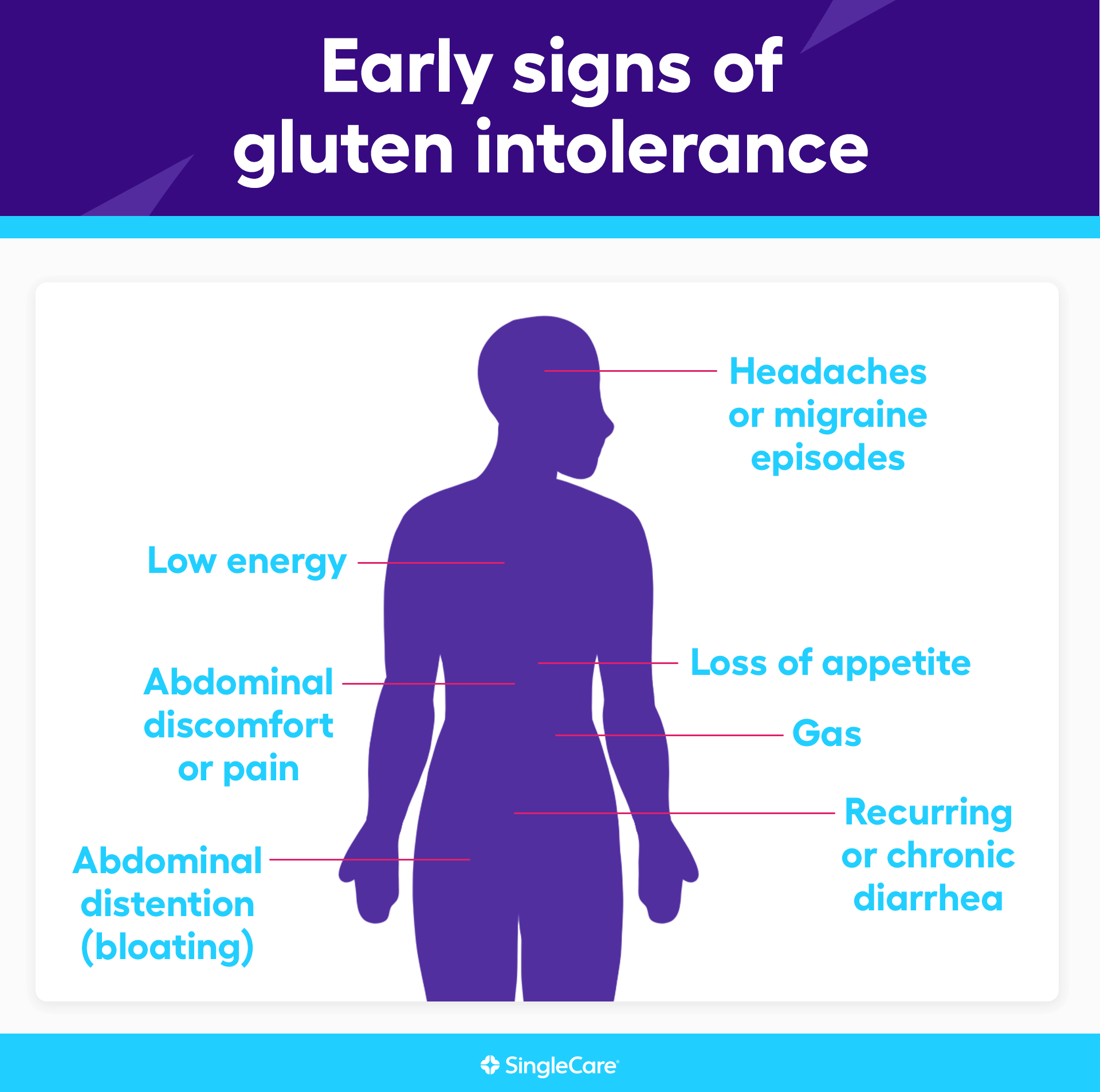
Conclusion: Turning Sensitivity into Data
The question “what does a gluten headache feel like” is being answered with increasing precision by the technology industry. It feels like a drop in HRV; it looks like a theta-wave spike on an EEG; it manifests as a red line on a glucose monitor.
By leveraging AI, wearables, and bio-sensing hardware, we are moving away from a world of “mysterious aches” and into a world of “quantified wellness.” For the millions of people who struggle with gluten, technology is providing more than just a way to track pain—it is providing a way to reclaim their cognitive clarity through the power of data. The future of health is not just about “feeling” better; it is about knowing, with digital certainty, how to optimize the human machine.
aViewFromTheCave is a participant in the Amazon Services LLC Associates Program, an affiliate advertising program designed to provide a means for sites to earn advertising fees by advertising and linking to Amazon.com. Amazon, the Amazon logo, AmazonSupply, and the AmazonSupply logo are trademarks of Amazon.com, Inc. or its affiliates. As an Amazon Associate we earn affiliate commissions from qualifying purchases.