
The acronym “TSA” is as synonymous with air travel as boarding passes and overhead bins. For millions of travelers annually, it represents the often-stringent security checkpoint experience. But what exactly does TSA stand for, and what is its role in the complex ecosystem of modern airports? While its primary function is undeniably security, understanding the TSA’s broader implications can offer insights into technology, brand perception, and even the financial aspects of air travel. This article will explore the meaning behind TSA, its operational scope, and how it intersects with the broader themes of technology, brand, and money that shape our world.
Decoding the Acronym: The Transportation Security Administration
At its core, TSA stands for the Transportation Security Administration. Established in the wake of the September 11, 2001, terrorist attacks, the TSA was created as a new federal agency under the Department of Homeland Security. Its primary mandate is to protect the nation’s transportation systems – particularly aviation – from future attacks. This mission is executed through a multi-faceted approach that involves screening passengers and baggage, securing transportation infrastructure, and developing and implementing new security technologies.
Before the TSA, aviation security was largely the responsibility of individual airlines, a system that proved insufficient to prevent the catastrophic events of 9/11. The creation of the TSA marked a significant shift, federalizing security operations and establishing a consistent set of standards and procedures across all U.S. airports. This has fundamentally reshaped the passenger experience, introducing a level of scrutiny that has become an expected, albeit sometimes frustrating, part of air travel.
The TSA’s Operational Reach: More Than Just Scanners
While the image of TSA agents at security checkpoints is the most visible aspect of their work, the agency’s responsibilities extend far beyond this immediate interaction. Understanding the full scope of TSA operations reveals a complex organization dedicated to maintaining a secure and efficient transportation network.
Securing the Skies: Passenger and Baggage Screening
This is the most widely recognized function of the TSA. The agency employs thousands of Transportation Security Officers (TSOs) who are tasked with screening every passenger and piece of checked baggage before it enters the secure areas of an airport. This involves:
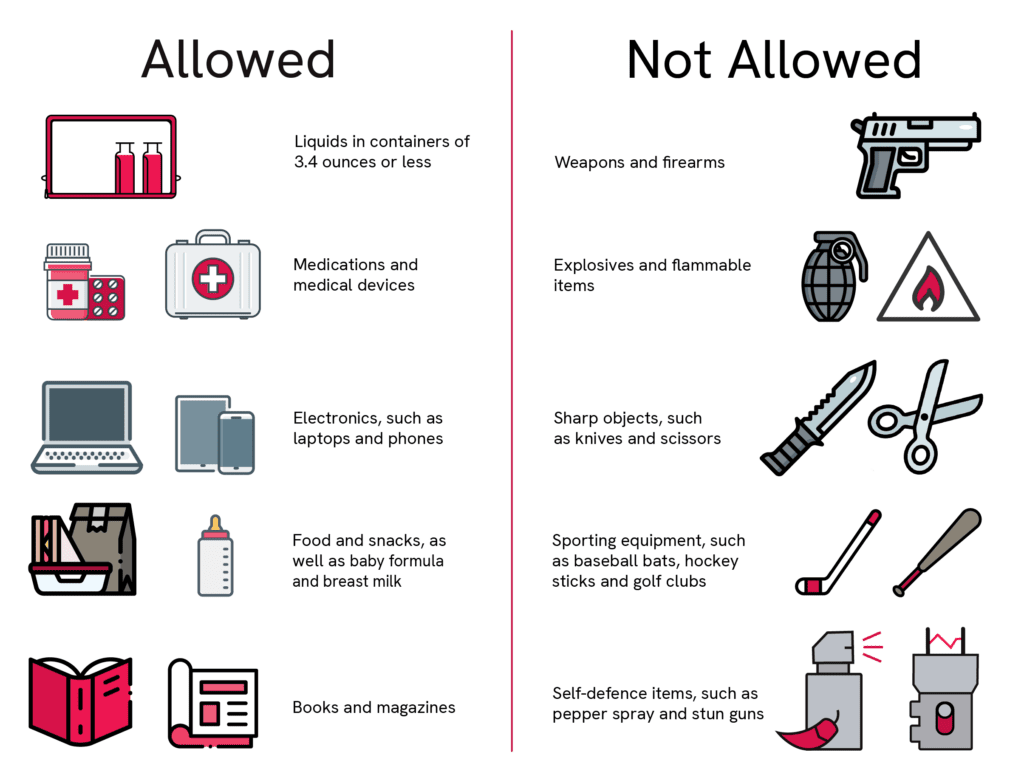
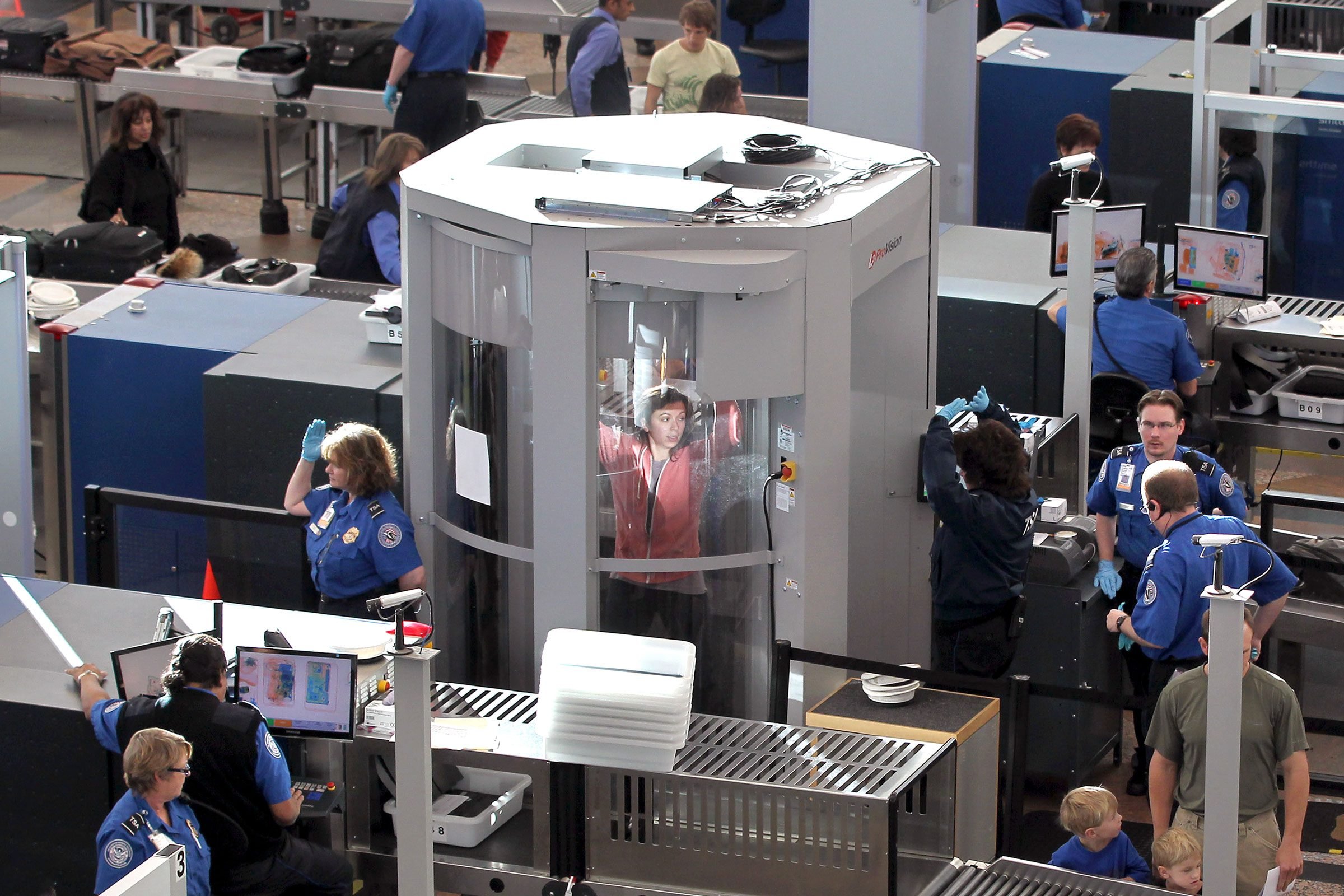
- Passenger Screening: Utilizing advanced technologies like millimeter wave scanners (body scanners), metal detectors, and explosive trace detection systems, TSOs assess individuals for prohibited items and potential threats. The methods and technologies employed have evolved significantly over the years, reflecting ongoing efforts to balance security with passenger convenience.
- Baggage Screening: All checked luggage undergoes rigorous inspection using sophisticated X-ray machines and explosive detection systems. The goal is to identify and intercept any hazardous materials that could be used to compromise aircraft safety. This process is crucial for preventing threats from entering the cargo hold of an aircraft.
- Behavior Detection: TSOs are also trained to observe passenger behavior for indicators of potential threats. This involves a combination of visual assessment and interaction, aiming to identify individuals who may be exhibiting suspicious activity.
Beyond the Checkpoint: Airport and Infrastructure Security
The TSA’s role doesn’t end with individual passengers. The agency is also responsible for:
- Airport Security Plans: The TSA works with airports, airlines, and other stakeholders to develop and implement comprehensive security plans that cover all aspects of airport operations, including access control, perimeter security, and emergency response.
- Cargo Security: A significant portion of air cargo is also subject to TSA screening to ensure it does not pose a threat to aviation. This involves a range of inspection methods and partnerships with the shipping industry.
- Critical Infrastructure Protection: The TSA plays a role in protecting other transportation infrastructure beyond airports, including rail systems and maritime ports, though its aviation focus remains paramount.
The Technological Arms Race: Innovation in Security
The TSA operates in a constant state of technological evolution. The need to stay ahead of evolving threats drives continuous investment in and deployment of new security technologies. This is where the TSA’s work significantly intersects with the broader Tech landscape.
- Advanced Screening Technologies: From the introduction of body scanners to the development of more sophisticated X-ray machines capable of 3D imaging, the TSA has been a major driver of innovation in security screening. These technologies aim to improve detection rates while minimizing the need for pat-downs, thereby enhancing both security and the passenger experience.
- Data Analysis and AI: The TSA leverages data analytics and, increasingly, artificial intelligence (AI) to identify patterns, assess risks, and optimize security operations. AI tools are being explored and implemented for tasks ranging from baggage anomaly detection to predictive security measures. This reliance on sophisticated software and algorithms underscores the TSA’s deep integration with the world of digital technology.
- Cybersecurity: As transportation systems become more digitized, cybersecurity becomes a critical concern. The TSA is involved in protecting the digital infrastructure of airports and airlines from cyber threats, ensuring that critical systems remain operational and secure. This area is a prime example of how digital security is paramount for the TSA.
The TSA’s Impact on Brand Perception and Passenger Experience
The TSA’s direct interaction with the public significantly shapes the Brand perception of air travel itself. While its mission is purely about security, the traveler’s experience at TSA checkpoints can profoundly influence their overall impression of an airline, an airport, and the entire industry.
The “Brand” of Security: Trust and Transparency
The TSA’s brand is intrinsically linked to trust and security. Passengers are expected to comply with TSA procedures, and in return, they expect to be kept safe. However, the effectiveness and efficiency of these procedures directly impact the traveler’s perception.
- Customer Service and Communication: The way TSOs interact with passengers – their professionalism, helpfulness, and clarity of communication – can significantly influence the passenger experience. Negative interactions can lead to frustration and a diminished perception of the airline or airport brand. Conversely, positive and efficient encounters can foster a sense of reassurance and competence.
- Transparency in Procedures: While security measures need to be robust, a degree of transparency about what is being screened for and why can help alleviate passenger anxiety and build understanding. Clear signage, accessible information, and well-trained staff can contribute to a more positive brand association with security.
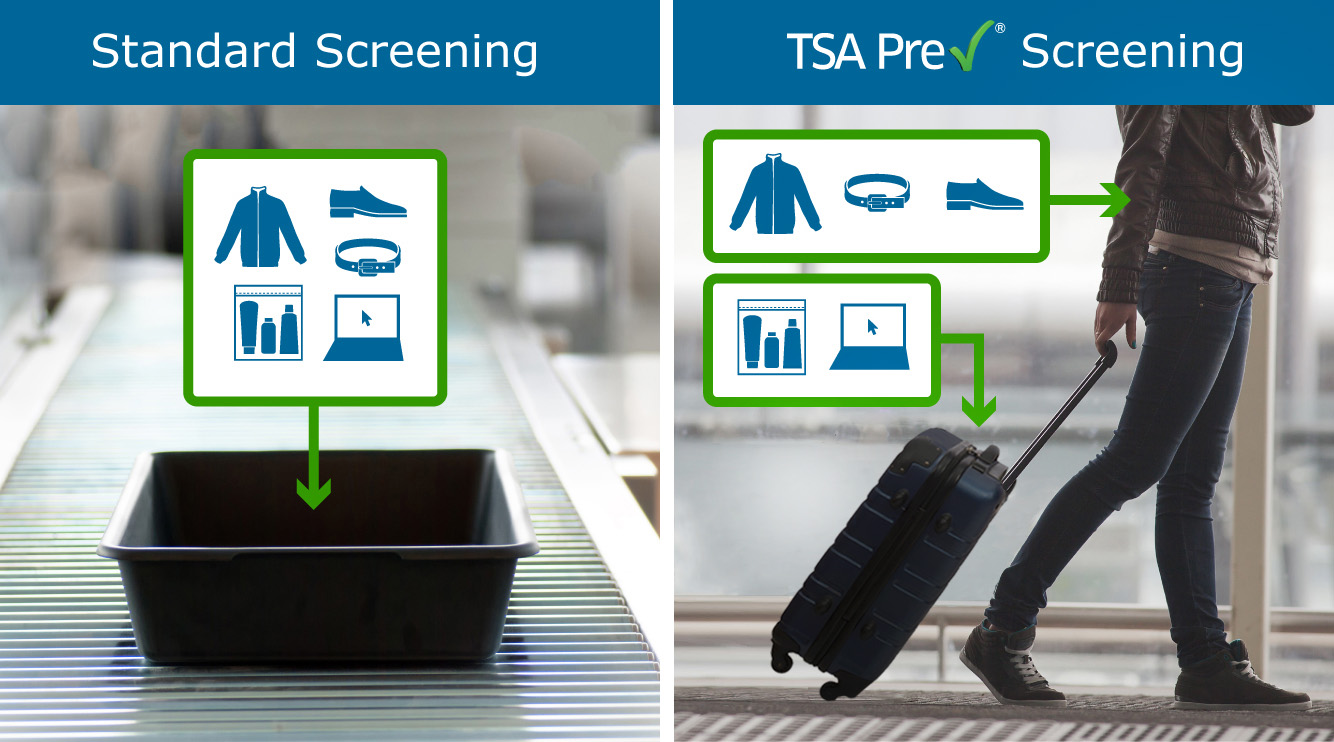
- Predictability and Efficiency: Long wait times and inconsistent application of rules can damage the brand of air travel. The TSA’s efforts to improve efficiency through initiatives like TSA PreCheck and CLEAR aim to address these concerns, offering travelers a more predictable and often faster security experience. This directly ties into personal branding efforts for frequent travelers seeking to optimize their journey.
The Evolution of the Airport as a Brand Destination
Airports are increasingly striving to become more than just transit hubs; they are aiming to be destinations in themselves. The efficiency and pleasantness of the security process, managed by the TSA, is a crucial component of this evolving airport brand.
- Impact on Overall Travel Experience: A smooth and quick TSA experience allows passengers to arrive at their gates with less stress, enabling them to explore airport amenities, dine, or shop. This positively impacts the revenue streams of businesses operating within the airport and enhances the overall perception of the airport as a well-managed and customer-friendly entity.
- Competitive Advantage: Airports that can demonstrate a more efficient and less intrusive TSA process may gain a competitive advantage in attracting airlines and passengers. This indirectly influences the branding efforts of both airports and the airlines that operate within them.
The Financial Footprint of TSA Operations
While not always immediately apparent to the average traveler, the TSA’s operations have significant Money implications, both in terms of governmental expenditure and the financial impact on the travel industry.
Government Funding and Resource Allocation
The TSA is funded by taxpayer dollars, with its budget allocated by Congress. This funding covers salaries for its vast workforce, the acquisition and maintenance of advanced security technologies, research and development, and training programs.
- Cost-Benefit Analysis of Security: The allocation of resources to TSA operations involves a constant balancing act between security needs and financial constraints. Decisions on investing in new technologies, hiring more TSOs, or implementing specific security protocols are often made with a consideration of their cost-effectiveness in mitigating risks.
- Economic Impact of Security Measures: The security measures implemented by the TSA can also have an indirect economic impact. For example, delays at security checkpoints can lead to missed flights, impacting airline revenue and the spending of travelers at their destination. Conversely, perceived high security can boost confidence in air travel, encouraging more people to fly.
The Financial Side of Passenger Security Programs
The TSA offers premium screening programs like TSA PreCheck and the broader TSA Pre✓® program, which allow eligible travelers to experience expedited security screening. These programs have a financial dimension for both the government and the traveler.
- User Fees and Revenue Generation: TSA PreCheck involves an application fee that contributes to the program’s operational costs and the vetting process. This represents a form of revenue generation that helps offset the government’s investment in these expedited services.
- Impact on Airline and Airport Revenue: By reducing wait times and improving passenger flow, these programs can indirectly benefit airlines and airports by increasing passenger satisfaction, reducing operational bottlenecks, and potentially encouraging more travel. The efficiency they bring can be seen as a financial tool for optimizing the travel experience.
- Investment in Productivity Tools: For frequent business travelers, programs like TSA PreCheck are essentially productivity tools. They allow for more efficient use of travel time, which translates to tangible financial benefits by minimizing delays and maximizing productive work hours. This aligns with the “Productivity” aspect of the Tech topic, as these programs are technologically enabled solutions to improve efficiency.
Conclusion: The Enduring Significance of the TSA
In conclusion, TSA stands for the Transportation Security Administration, an agency fundamentally tasked with ensuring the safety of air travel. However, its influence extends far beyond the security checkpoint. The TSA is a major player in the Tech world, driving innovation in screening technologies and leveraging digital tools. It profoundly impacts the Brand perception of air travel, shaping passenger experiences and influencing how airports and airlines present themselves. Furthermore, its operations have significant Money implications, from government funding and resource allocation to the financial models of expedited security programs. Understanding the TSA’s multifaceted role provides a more complete picture of the complex systems that underpin modern air travel, highlighting its critical, albeit often invisible, contribution to our interconnected world.
aViewFromTheCave is a participant in the Amazon Services LLC Associates Program, an affiliate advertising program designed to provide a means for sites to earn advertising fees by advertising and linking to Amazon.com. Amazon, the Amazon logo, AmazonSupply, and the AmazonSupply logo are trademarks of Amazon.com, Inc. or its affiliates. As an Amazon Associate we earn affiliate commissions from qualifying purchases.