
In the modern global economy, the movement of goods is no longer just a physical challenge; it is a complex financial puzzle. For growing enterprises, the cost of logistics can represent a significant portion of total operating expenses, often determining the thin line between profitability and loss. As businesses scale, the traditional methods of managing shipping and warehousing often become inefficient and capital-intensive. This is where the concept of 4PL, or Fourth-Party Logistics, enters the conversation as a strategic financial solution.
But what does 4PL mean for a business’s bottom line? At its core, a 4PL provider acts as an integrator that assembles the resources, capabilities, and technology of its own organization and other organizations to design, build, and run comprehensive supply chain solutions. Unlike its predecessors, a 4PL is focused on the high-level management of the entire supply chain, offering a holistic approach that prioritizes financial optimization over simple transportation.
Understanding the 4PL Model: From Operational Cost to Strategic Investment
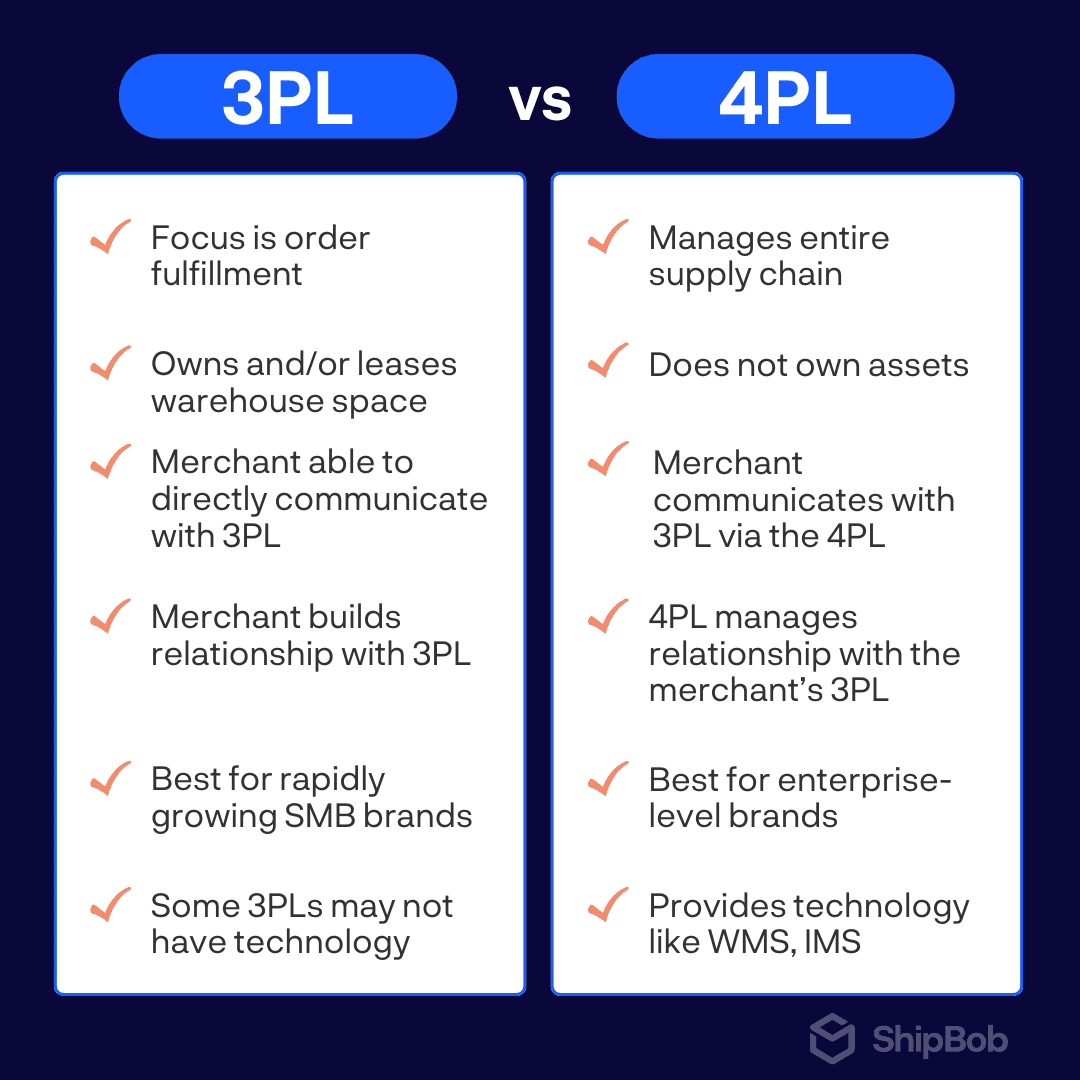
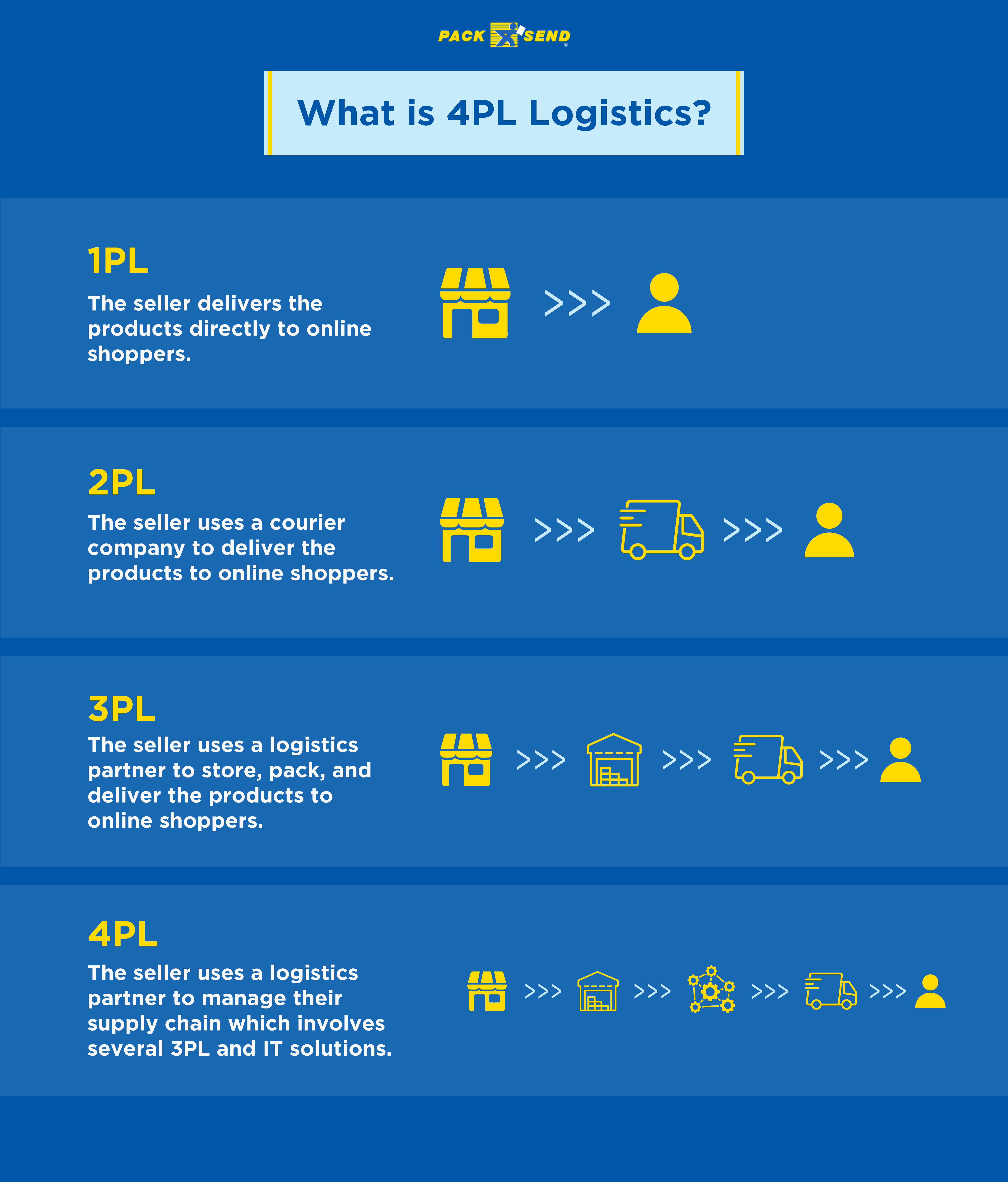
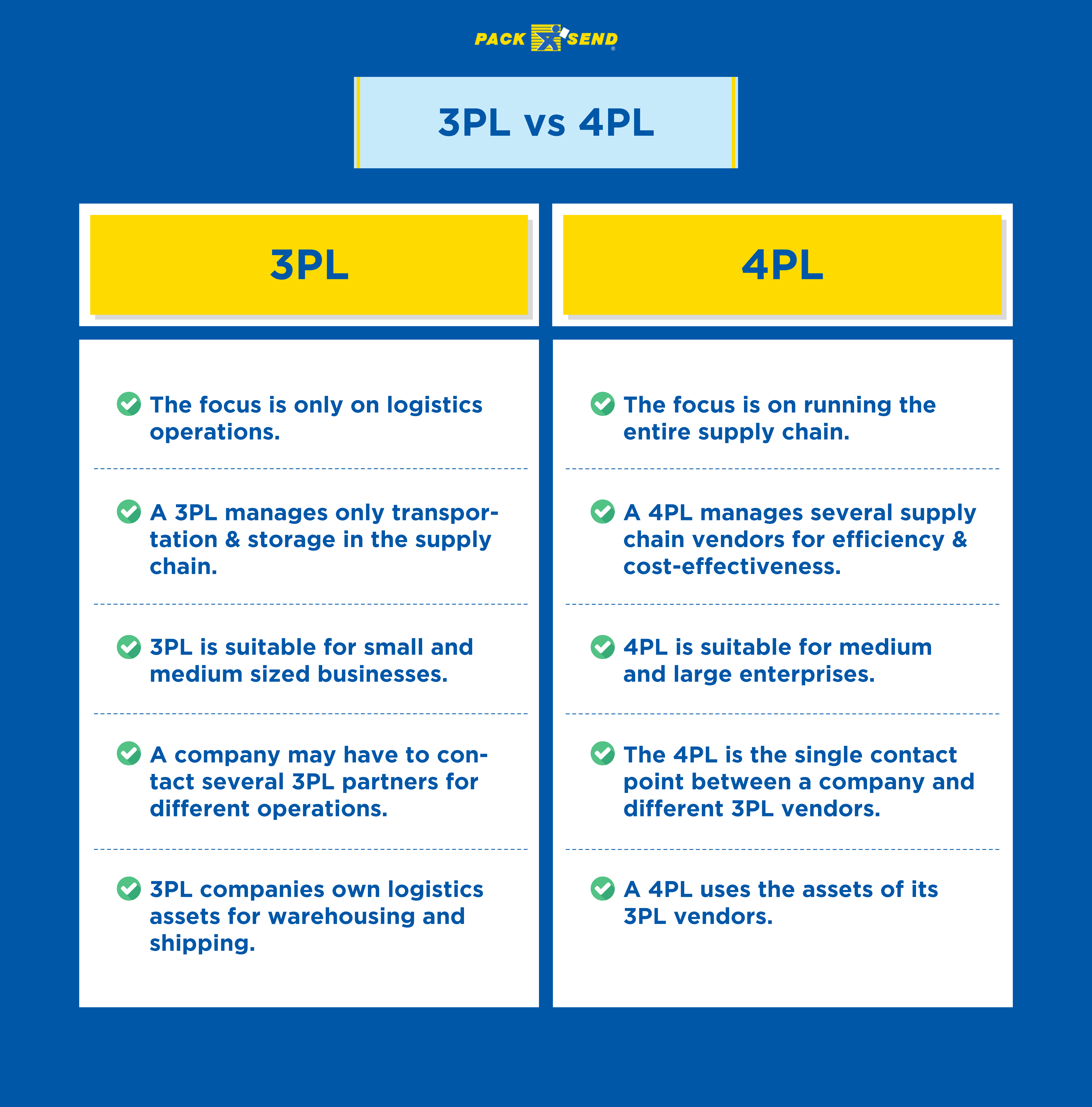
To understand the financial implications of 4PL, one must first distinguish it from the more common 3PL (Third-Party Logistics) model. While 3PLs are tactical—focusing on the execution of specific tasks like storage or shipping—4PLs are strategic. They act as the single point of contact for the entire supply chain, overseeing various 3PLs and other service providers.
Defining 4PL in a Business Finance Context
In financial terms, a 4PL is essentially a “contracted department” for supply chain management. Instead of a company hiring an internal team of logistics experts, warehouse managers, and data analysts, they outsource the oversight of these functions to a 4PL provider. This shifts the financial burden of human resources and expertise from the company to the partner. The 4PL provider does not typically own the trucks or the warehouses (an “asset-light” model); instead, they own the data and the strategy. This allows the client company to remain agile, focusing its capital on core competencies like product development and market expansion rather than logistics infrastructure.
The Financial Difference Between 3PL and 4PL
The primary difference lies in the breadth of the financial impact. A 3PL relationship is usually transactional: you pay for a service, such as a shipment from point A to point B. The 3PL’s goal is to maximize their own asset utilization (keeping their trucks full).
In contrast, a 4PL relationship is a partnership focused on the client’s Total Cost of Ownership (TCO). A 4PL is incentivized to find the most cost-effective way to manage the entire ecosystem, even if that means switching between different 3PLs. For a Chief Financial Officer (CFO), the 4PL represents a shift from managing “siloed” costs to managing a unified logistics budget that is geared toward long-term ROI.
The Financial Advantages of Outsourcing to a 4PL Provider
The decision to move to a 4PL model is rarely driven by logistics alone; it is a move toward greater financial efficiency. By leveraging a 4PL, businesses can fundamentally change their cost structure, moving from a rigid, high-fixed-cost environment to a flexible, variable-cost model.
Asset-Light Operations and Capital Expenditure (CapEx)
One of the most significant financial hurdles for expanding companies is the high cost of logistics infrastructure. Purchasing warehouses, maintaining fleets of vehicles, and investing in material handling equipment require massive Capital Expenditure (CapEx). This ties up liquidity that could otherwise be used for marketing, R&D, or debt reduction.
By utilizing a 4PL, a company adopts an asset-light strategy. The 4PL leverages its network of providers, meaning the client company does not need to own a single warehouse or truck. This shifts the financial model toward Operating Expenditure (OpEx). In the eyes of investors and stakeholders, an asset-light company often commands a higher valuation because it maintains better cash flow and carries less debt and depreciation on its balance sheet.
Reducing Overhead and Fixed Costs
Managing a global supply chain internally requires a massive investment in middle management, specialized software, and administrative support. These are fixed costs that must be paid regardless of whether sales are up or down.
A 4PL provider absorbs these overhead costs. Because they manage logistics for multiple clients, they benefit from economies of scale. They can afford the most advanced AI-driven management systems and the highest-tier logistics talent, costs which are then spread across their entire client base. For the individual business, this translates to a lower per-unit cost of management and the elimination of the “hidden” costs of internal management, such as recruitment, training, and employee benefits.
Scalability and Revenue Growth
Financial growth is often hampered by physical limitations. If a company suddenly lands a massive retail contract but lacks the warehouse space or carrier relationships to fulfill it, they miss out on revenue. Conversely, if they build too much capacity and demand drops, they suffer financial losses due to underutilized assets.
The 4PL model offers “elastic” logistics. Because the 4PL has access to a vast network of providers, they can scale operations up or down almost instantly. This flexibility ensures that the company only pays for what it uses, protecting profit margins during seasonal lulls and capturing every possible dollar of revenue during peak demand.
Data-Driven Cost Optimization and ROI
In the realm of business finance, information is currency. One of the greatest values a 4PL provides is the centralization of data. By having a single entity manage the entire supply chain, businesses gain unprecedented visibility into their spending, allowing for more precise financial forecasting and cost control.
The Value of Visibility and Spend Management
Without a 4PL, a company’s logistics spend is often fragmented across dozens of vendors, each with their own invoicing systems and fee structures. This makes it incredibly difficult for the finance department to get a clear picture of the true cost of goods sold (COGS).
A 4PL provides a “control tower” view. They consolidate data from across the supply chain into a single dashboard. This allows for rigorous spend management—identifying where money is being wasted on expedited shipping, where inventory is stagnating, and where carrier rates can be renegotiated. This granular level of data enables CFOs to make informed decisions that directly improve the EBITDA (Earnings Before Interest, Taxes, Depreciation, and Amortization).
Leveraging Economies of Scale and Procurement Power
A 4PL provider manages massive shipping volumes by aggregating the needs of all their clients. This gives them immense bargaining power with carriers and warehouse operators. When a 4PL goes to the negotiating table, they are not just negotiating for one brand; they are negotiating for hundreds.
The financial benefit is passed down to the client in the form of lower freight rates and better service terms that a mid-sized company could never achieve on its own. These savings often exceed the management fees charged by the 4PL, creating a self-funding model where the partnership pays for itself through cost avoidance.
Mitigating Risk and Financial Volatility
Supply chain disruptions—whether caused by geopolitical events, natural disasters, or labor strikes—can be a financial catastrophe. The cost of a “broken” supply chain includes lost sales, brand damage, and the high price of emergency fixes.
4PLs serve as a financial hedge against this volatility. Part of their role is risk management. They design resilient supply chains with built-in redundancies. If one port is blocked, the 4PL already has the data and the relationships to reroute cargo through an alternative path. By stabilizing the supply chain, the 4PL protects the company from the sudden, unpredictable spikes in cost that can ruin a fiscal quarter.
Evaluating the Cost-Benefit Analysis: Is 4PL Right for Your Business?
While the financial benefits of a 4PL are clear, the transition to this model requires a careful cost-benefit analysis. It is not a “one-size-fits-all” solution, and the decision should be based on the complexity and scale of the business’s financial goals.
When to Make the Shift: The Financial Trigger Points
Small businesses with simple, localized shipping needs might find that the fees of a 4PL outweigh the savings. However, there are specific financial trigger points where a 4PL becomes a necessity:
- Rapid International Expansion: When the cost of navigating foreign taxes, duties, and local regulations becomes a significant financial drain.
- Mergers and Acquisitions: When a company needs to consolidate two disparate supply chains into a single, cost-efficient entity.
- Plateauing Profit Margins: When a company can no longer reduce COGS through simple procurement and needs deep structural changes to remain competitive.
Measuring the Total Cost of Ownership (TCO)
To determine if a 4PL is a sound investment, businesses must look beyond the service fee. They must calculate the Total Cost of Ownership. This involves comparing the 4PL fee against the sum of current logistics costs, including:
- Internal Labor: The salaries and benefits of the logistics team.
- Technology Costs: The cost of ERP, WMS, and TMS software licenses.
- Opportunity Costs: The revenue lost due to stockouts or slow shipping.
- Carrier Costs: Current freight spend vs. the 4PL’s negotiated rates.
In most cases, for a complex enterprise, the 4PL model provides a superior ROI by transforming logistics from a necessary evil into a competitive financial advantage.
Conclusion
So, what does 4PL mean? From a financial perspective, it means the end of fragmented, inefficient, and capital-heavy logistics. It represents a strategic evolution where supply chain management is treated as a core component of a company’s financial health. By shifting to an asset-light model, leveraging data for cost optimization, and utilizing the procurement power of a global integrator, businesses can protect their margins and ensure long-term fiscal stability. In an era where every cent in the supply chain counts, the 4PL model is more than just a logistics trend—it is a sophisticated tool for modern business finance.
aViewFromTheCave is a participant in the Amazon Services LLC Associates Program, an affiliate advertising program designed to provide a means for sites to earn advertising fees by advertising and linking to Amazon.com. Amazon, the Amazon logo, AmazonSupply, and the AmazonSupply logo are trademarks of Amazon.com, Inc. or its affiliates. As an Amazon Associate we earn affiliate commissions from qualifying purchases.