
In the realm of automotive engineering and performance hardware, the term “offset” is far more than a stylistic choice; it is a critical geometric specification that dictates how a vehicle interacts with the road. When enthusiasts or engineers discuss a “-2.5 offset” on rims, they are diving into the technical nuances of wheel positioning relative to the vehicle’s suspension and hub assembly. In the context of modern automotive technology—where precision is paramount and digital tools allow for millimeter-perfect customizations—understanding the physics of a -2.5 offset is essential for anyone looking to optimize vehicle dynamics, safety, and aesthetic integration.
The Fundamentals of Wheel Geometry and Offset Technology
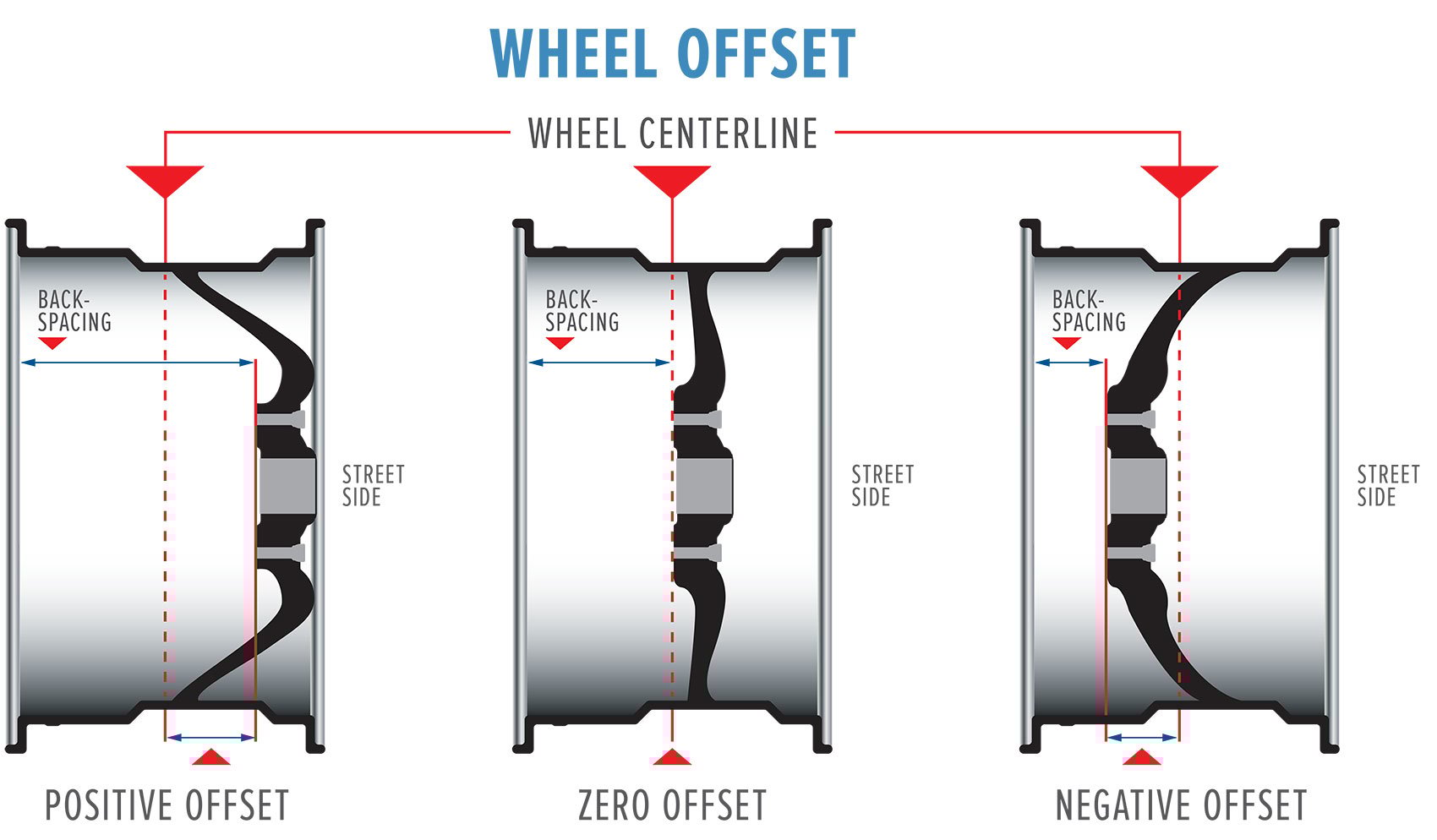
At its technical core, wheel offset is the distance from the hub-mounting surface to the true center line of the wheel. This measurement is typically expressed in millimeters. To understand what a -2.5 offset means, one must first grasp the three primary categories of offset geometry that engineers utilize during the design phase of a vehicle’s chassis.
Defining Offset: Zero, Positive, and Negative
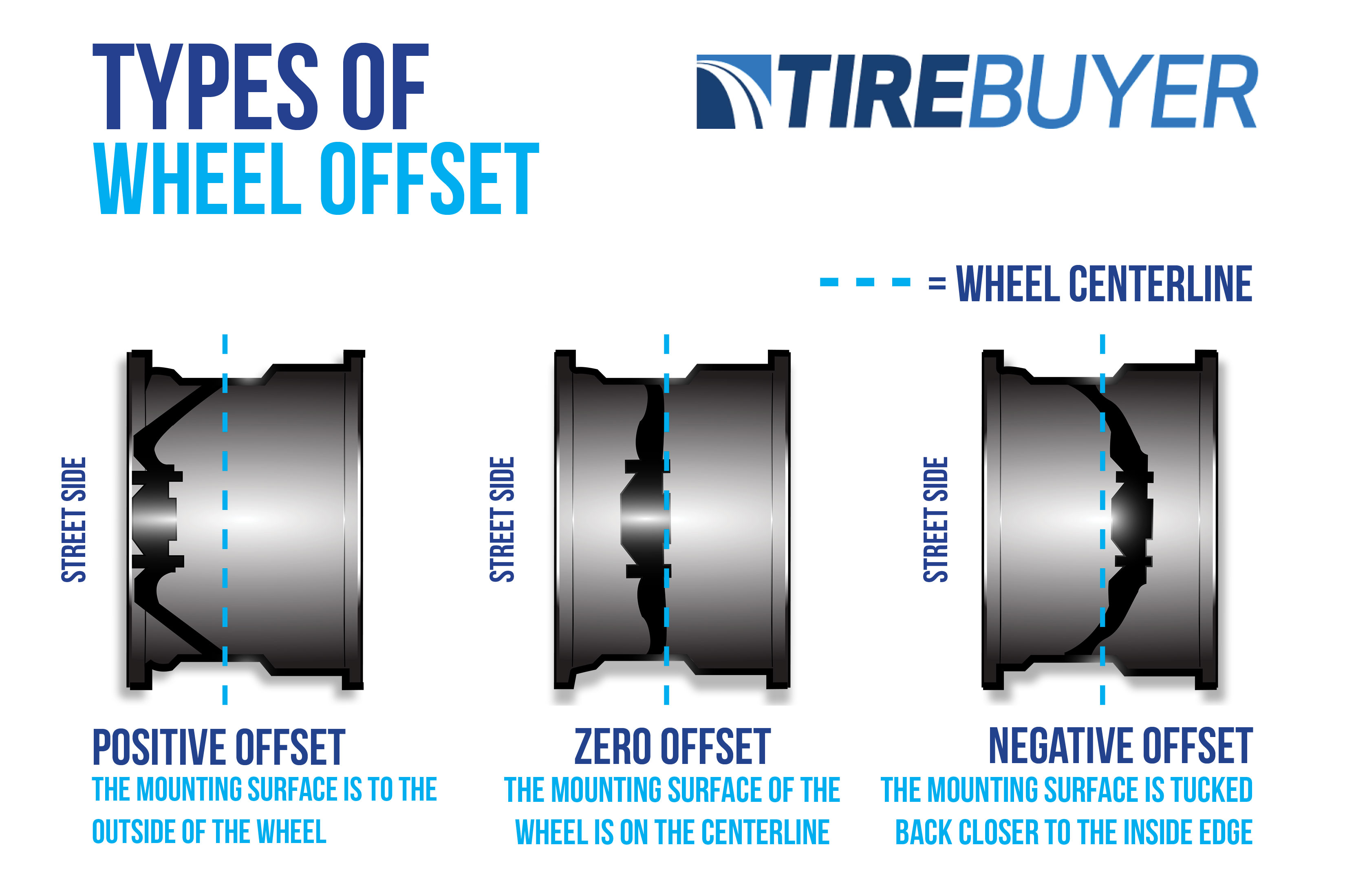
A “Zero Offset” occurs when the hub-mounting surface is perfectly even with the center line of the wheel. “Positive Offset” means the mounting surface is tucked toward the street side of the wheel, pushing the wheel inward toward the suspension. Conversely, “Negative Offset”—such as the -2.5 specification—means the mounting surface is located toward the brake/suspension side of the wheel’s center line. This results in the wheel “poking” or extending further outward from the vehicle’s wheel well.
The Measurement: The Significance of the 2.5mm Variance
In the world of high-performance tuning and mechanical engineering, 2.5 millimeters might seem negligible, but in the tight tolerances of a modern wheel well, it can be the difference between a perfect fit and mechanical interference. A -2.5 offset is a relatively shallow negative offset. While aggressive off-road builds might see offsets of -12 or -44, a -2.5 offset is often found in precision-engineered wheels where a subtle increase in track width is desired without drastically altering the vehicle’s factory suspension geometry.
The Mechanical Implications of a -2.5 Offset
Altering the offset of a wheel changes the leverage exerted on the vehicle’s hub and suspension components. When you move to a -2.5 offset, you are effectively shifting the center of the tire’s contact patch outward. This technological shift has several direct mechanical consequences that affect how the vehicle handles physical forces.
Scrub Radius and Steering Geometry
One of the most significant technical impacts of changing offset is the alteration of the “scrub radius.” The scrub radius is the distance between the steering axis (the line through the ball joints) and the center of the tire’s contact patch where it hits the ground. By moving the wheel outward with a -2.5 offset, the scrub radius becomes more positive. This can increase the “road feel” transmitted through the steering wheel, but if taken to extremes, it can cause “squirm” during heavy braking or acceleration. At -2.5mm, the effect is often manageable, providing a slightly wider stance while maintaining predictable steering feedback.
Suspension Clearance and Hub-Centric Design
Modern vehicle technology relies on hub-centric designs, where the wheel is centered by the hub rather than the lug nuts. When installing a -2.5 offset rim, engineers must ensure that the internal barrel of the wheel provides sufficient clearance for brake calipers and suspension struts. Because a negative offset moves the wheel’s “spokes” further away from the brakes, it often creates additional room for high-performance, multi-piston brake upgrades, which is a common reason for choosing this specific technical configuration.
Performance Tuning: Why Engineers Choose Negative Offset
The transition to a negative offset is rarely about aesthetics alone in a professional engineering context. It is a calculated move to alter the vehicle’s “track width”—the distance between the centerlines of the two wheels on the same axle.
Enhancing Lateral Stability
By pushing the wheels outward by 2.5mm (or more, depending on the baseline), the vehicle’s overall track width increases. From a physics standpoint, a wider track reduces the lateral transfer of weight during high-speed cornering. This lowers the vehicle’s tendency to roll and increases the grip threshold of the tires. For performance-oriented tech, a -2.5 offset serves as a fine-tuning tool to balance the car’s center of gravity against its footprint on the asphalt.
The Relationship Between Wheel Backspacing and Offset
While offset measures the distance from the centerline, “backspacing” measures the distance from the mounting surface to the back edge of the wheel. These two measurements are technologically linked. A -2.5 offset reduces backspacing compared to a positive offset wheel of the same width. This is crucial for ensuring that the inner lip of the rim does not make contact with control arms or sway bars during full steering lock, a common technical hurdle in custom vehicle builds.
Digital Tools and Simulations for Precise Wheel Fitment
In the modern era, determining if a -2.5 offset is appropriate for a specific chassis no longer requires trial and error. The integration of software and digital simulation has revolutionized how we approach wheel technology.
Using CAD and 3D Modeling for Custom Wheel Design
Professional wheel manufacturers use Computer-Aided Design (CAD) to simulate exactly how a -2.5 offset will sit on a specific vehicle model. These digital twins allow engineers to visualize the “poke” (how much the wheel sticks out) and the “inset” (how much space is left for the brakes). By inputting the vehicle’s suspension data into a CAD environment, designers can predict interference points before a single piece of aluminum is forged.
Modern Fitment Calculators and AR Applications
For consumers and independent technicians, specialized apps and online fitment calculators have become essential gadgets. These tools allow users to input their factory wheel specs and compare them against a -2.5 offset rim. Some advanced applications now use Augmented Reality (AR) via a smartphone camera to project a 3D model of the new wheel onto the actual vehicle, allowing for a digital preview of the mechanical and aesthetic changes. This technological layer removes the guesswork from complex hardware upgrades.
Maintenance and Longevity in High-Performance Wheel Tech
Every technical modification comes with a trade-off. Moving the wheel’s center of gravity outward via a negative offset changes how the vehicle’s weight is distributed across its hardware.
Stress Distribution on Bearing Assemblies
Wheel bearings are designed to handle loads at a specific point. When a -2.5 offset pushes the wheel further out, it increases the “leverage” or moment arm acting on the bearing. While -2.5mm is a minor adjustment, it does technically increase the load on the outer race of the bearing. In long-term maintenance cycles, vehicles with aggressive negative offsets may require more frequent inspections of the wheel hubs and bearings to ensure that the increased leverage hasn’t led to premature wear or heat buildup.

Ensuring Technical Compatibility with Modern ABS and ESC Systems
Today’s vehicles are packed with sensors for Anti-lock Braking Systems (ABS) and Electronic Stability Control (ESC). These systems are calibrated based on the factory-specified track width and scrub radius. A significant change in offset can, in rare cases, confuse the sensors that monitor wheel speed and steering angle. However, a -2.5 offset is generally within the tolerance levels of most modern software calibrations. It is a “sweet spot” in wheel technology—offering the performance benefits of a wider stance without triggering the fault codes or safety system interventions that can plague more extreme modifications.
By treating the -2.5 offset as a precise technical specification rather than just a number, enthusiasts and engineers can leverage the principles of physics and digital design to create a vehicle that is not only visually striking but mechanically superior. Whether through CAD simulation or hands-on mechanical adjustment, the -2.5 offset remains a vital tool in the repertoire of modern automotive technology.
aViewFromTheCave is a participant in the Amazon Services LLC Associates Program, an affiliate advertising program designed to provide a means for sites to earn advertising fees by advertising and linking to Amazon.com. Amazon, the Amazon logo, AmazonSupply, and the AmazonSupply logo are trademarks of Amazon.com, Inc. or its affiliates. As an Amazon Associate we earn affiliate commissions from qualifying purchases.