
The cannabis industry has evolved from a burgeoning grassroots movement into a multi-billion-dollar global juggernaut. For professionals looking to pivot their careers or individuals seeking a lucrative entry point into a high-growth sector, working at a dispensary represents more than just a job; it is a strategic financial move. However, entering this space requires more than a passing interest in the product. It demands a specific set of financial literacies, an understanding of regulatory costs, and a grasp of the economic landscape that governs legal cannabis.
To successfully navigate a career in cannabis retail, one must view the opportunity through the lens of business finance and personal investment. This guide outlines the essential financial requirements, compensation expectations, and professional capital needed to thrive in a modern dispensary.
Evaluating the ROI: Compensation and Financial Growth in Cannabis Retail
When considering any career move, the primary concern is the return on investment (ROI) regarding one’s time and effort. The cannabis industry offers a unique wage structure that blends traditional retail models with the high-stakes environment of pharmaceutical-adjacent sales.
Entry-Level Wages vs. Specialist Roles
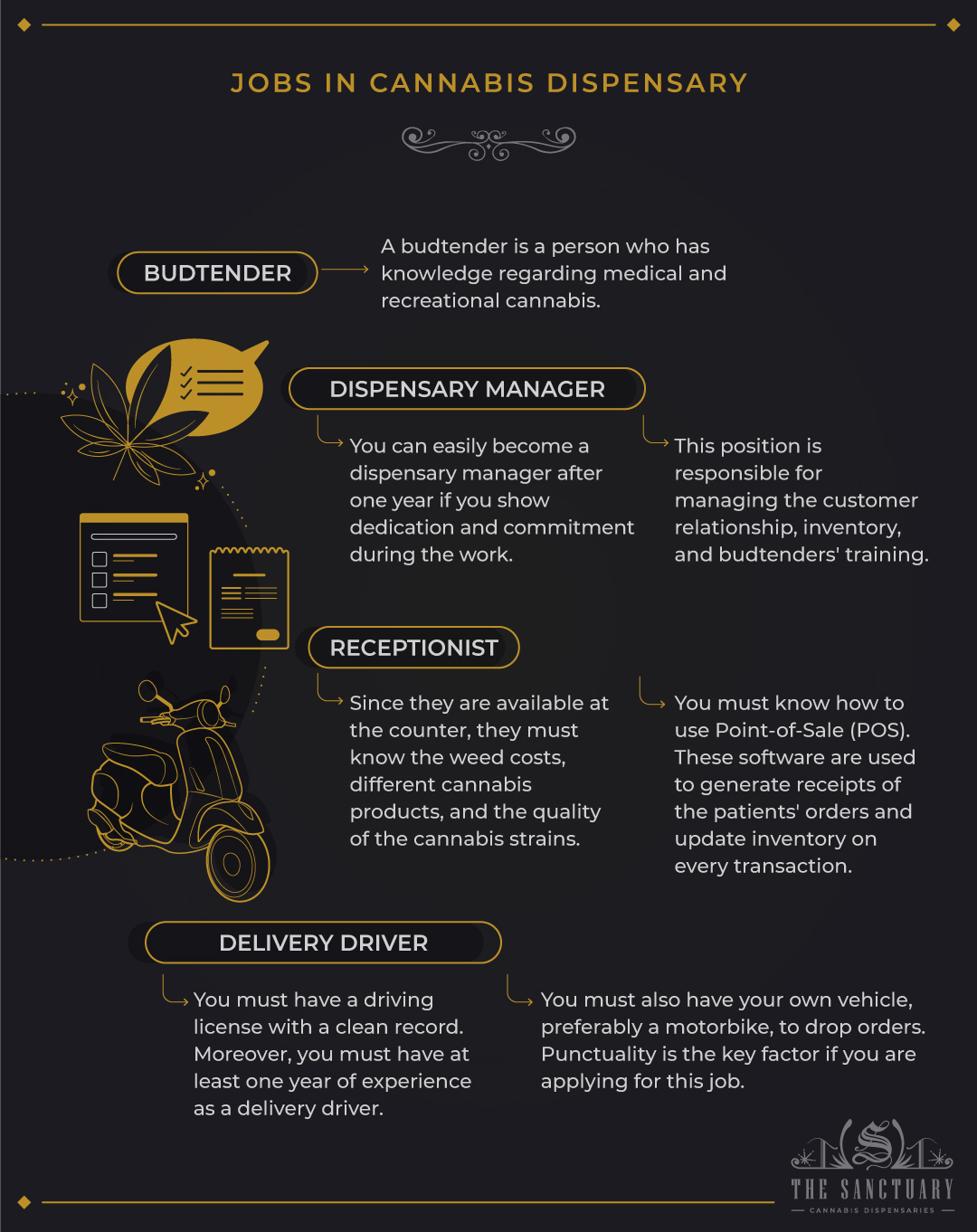
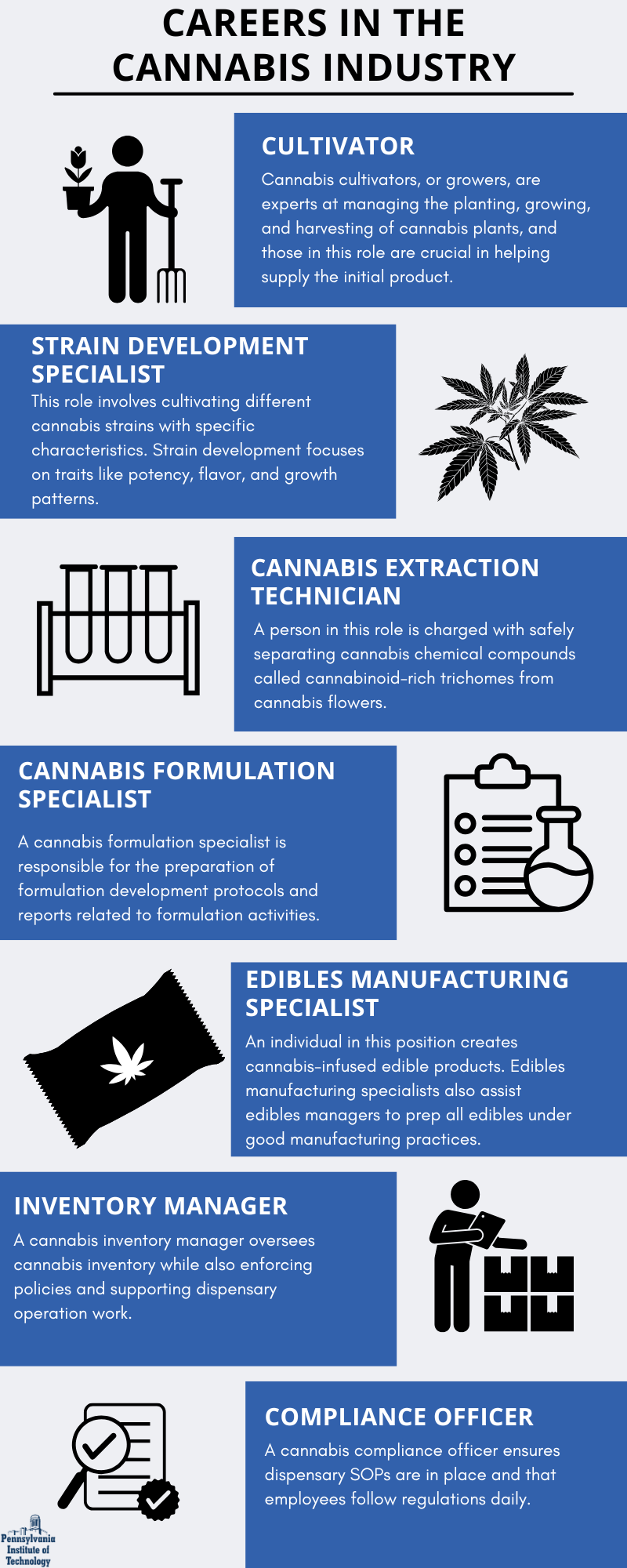
At the ground level, the “Budtender” or Sales Associate position is the most common entry point. In the current market, these roles typically command hourly wages that sit 15% to 20% above standard retail or hospitality rates. However, the real financial value lies in the specialized roles. Inventory Managers, Compliance Officers, and General Managers often see salaries ranging from $55,000 to $100,000 per year, depending on the state’s market maturity. For those with a background in business finance or operations, the transition into dispensary management can lead to a significant increase in lifetime earning potential.
Benefits and Long-Term Wealth Building
Early in the legalization era, benefits were sparse. Today, as the industry professionalizes, “Money” is not just about the paycheck. Competitive dispensaries now offer 401(k) matching, health insurance, and performance-based bonuses. Furthermore, many multi-state operators (MSOs) provide employee stock purchase plans (ESPPs). For a savvy worker, entering a dispensary at a mid-management level allows for the accumulation of equity in a sector that many analysts predict will continue to see double-digit annual growth through 2030. Understanding how to leverage these benefits is a critical component of what you truly “need” to make the work financially viable.
The Cost of Entry: Licensing, Certifications, and Compliance Fees
Unlike traditional retail, you cannot simply walk into a dispensary and start working the next day. There is a “barrier to entry” cost that serves as a regulatory filter. Prospective employees must treat their entry into the field as a small-scale business investment.
State-Specific Occupational Licensing Costs
Most legal jurisdictions require cannabis employees to obtain an occupational license or “agent card.” This is a mandatory out-of-pocket expense that varies by state. For example, in Colorado, an initial MED Employee License can cost between $75 and $100, while in Nevada, the agent card application and fingerprinting can exceed $150. These fees are the “admission price” to the industry. A professional candidate must budget for these costs upfront, as they are rarely reimbursed by the employer for entry-level positions.
Background Checks and Legal Clearances
The cannabis industry is one of the most heavily regulated in the world. As part of the licensing process, applicants must undergo rigorous federal and state background checks. From a financial perspective, this requires an individual to have a “clean” financial and legal history. Financial malfeasance, such as recent bankruptcies or certain felony convictions, can disqualify an individual from obtaining the necessary permits. Maintaining a professional legal standing is, therefore, a prerequisite for maintaining one’s earning power in this niche.
Building Your Professional Capital: Skills That Drive Revenue
To work at a dispensary, you need to provide value that transcends basic customer service. You are essentially a consultant in a high-tax, high-regulation retail environment. To command higher pay and job security, you must develop specific “Money Skills” that protect the dispensary’s bottom line.
Inventory Management and Loss Prevention
In the cannabis world, “inventory is cash.” Due to federal regulations like IRS Code 280E, dispensaries face unique tax challenges where they cannot deduct typical business expenses. This makes margin protection critical. An employee who understands “Seed-to-Sale” tracking software (such as Metrc or BioTrack) becomes an invaluable asset. Mastery of these tech-finance tools ensures that the business avoids heavy fines and inventory “shrinkage,” directly impacting the store’s profitability and, by extension, the employee’s value.
High-Value Sales Techniques and Upselling
A dispensary is a high-volume revenue engine. To excel, a worker needs to understand the mechanics of “Average Ticket Value” (ATV). This involves more than just selling a product; it involves understanding consumer psychology and the financial tiers of cannabis products. A professional who can shift a consumer from a low-margin flower sale to a high-margin concentrated or infused product is driving the business’s EBITDA. Developing these consultative sales skills is essential for anyone looking to move into high-commission roles or luxury boutique dispensary environments.
Navigating the Business Landscape: Dispensary Work as a Strategic Career Move
The decision to work at a dispensary should be viewed as a strategic placement within the broader “Green Economy.” Whether you are looking for a side hustle or a full-time career, the experience gained serves as a significant addition to your professional brand and financial portfolio.
The Pivot from Traditional Retail to Cannabis Finance
Many professionals are moving from banking, traditional retail management, or logistics into the cannabis space because of the “first-mover advantage.” By working at a dispensary now, you are gaining experience in a sector that is still in its relative infancy. This experience is highly portable. As more states (and potentially the federal government) move toward legalization, the demand for “vetted” employees with a track record of handling high-value, regulated substances will skyrocket. This is a “career hedge” against more stagnant traditional sectors.
Entrepreneurial Pathways within the Industry
For many, the ultimate goal of working at a dispensary is to learn the inner workings of the business to eventually launch their own enterprise. Working on the “inside” provides a front-row seat to the financial realities of the industry: the cost of goods sold (COGS), the impact of local excise taxes, and the nuances of supply chain management. If you view your tenure at a dispensary as a paid apprenticeship in business finance, the “need” for the job shifts from a simple paycheck to a high-value education in entrepreneurship.

Conclusion: The Financial Readiness Checklist
What do you need to work at a dispensary? While the surface answer might involve product knowledge and a friendly demeanor, the professional answer is rooted in financial and regulatory readiness. To be a competitive candidate in today’s market, you must:
- Capitalize Your Entry: Have the funds ready for state-mandated licensing and background checks.
- Understand the Macro-Economics: Recognize how 280E and state taxes affect the business’s ability to pay and promote.
- Invest in Compliance Literacy: Mastery of inventory systems and regulatory laws is the quickest way to increase your hourly rate.
- Adopt a Business Mindset: Treat the role as a strategic step in a larger financial plan, focusing on sectors with high growth and equity potential.
The cannabis industry is no longer a fringe market; it is a sophisticated financial ecosystem. By approaching a dispensary role with a professional, money-focused mindset, you position yourself not just as a worker, but as a stakeholder in one of the most exciting economic shifts of the 21st century. Whether you are looking for a robust side hustle or a long-term executive path, the requirements remain the same: discipline, financial literacy, and a keen eye for the bottom line.
aViewFromTheCave is a participant in the Amazon Services LLC Associates Program, an affiliate advertising program designed to provide a means for sites to earn advertising fees by advertising and linking to Amazon.com. Amazon, the Amazon logo, AmazonSupply, and the AmazonSupply logo are trademarks of Amazon.com, Inc. or its affiliates. As an Amazon Associate we earn affiliate commissions from qualifying purchases.