
The global confectionery market has recently been disrupted by a singular, high-margin phenomenon: the “Dubai Chocolate” bar. Originating from luxury boutiques in the Middle East, this specific combination of high-quality milk chocolate, pistachio cream, and toasted kataifi pastry has transitioned from a localized delicacy to a global viral sensation. For entrepreneurs and side-hustlers, the question “What do I need to make Dubai chocolate?” shifts from a culinary inquiry to a strategic financial one.
To transform this viral trend into a sustainable revenue stream, one must look beyond the kitchen. Launching a Dubai chocolate venture requires a sophisticated understanding of capital allocation, supply chain management, and high-premium pricing strategies. This article explores the financial infrastructure and strategic investments necessary to capitalize on this lucrative niche.
1. The Financial Blueprint: Initial Investment and Cost Analysis
Every successful business venture begins with a rigorous analysis of Capital Expenditure (CapEx) and Operating Expenses (OpEx). In the context of the Dubai chocolate market, your “ingredients” are not just food; they are high-value commodities with fluctuating market prices.
Sourcing High-Value Ingredients: Managing COGS
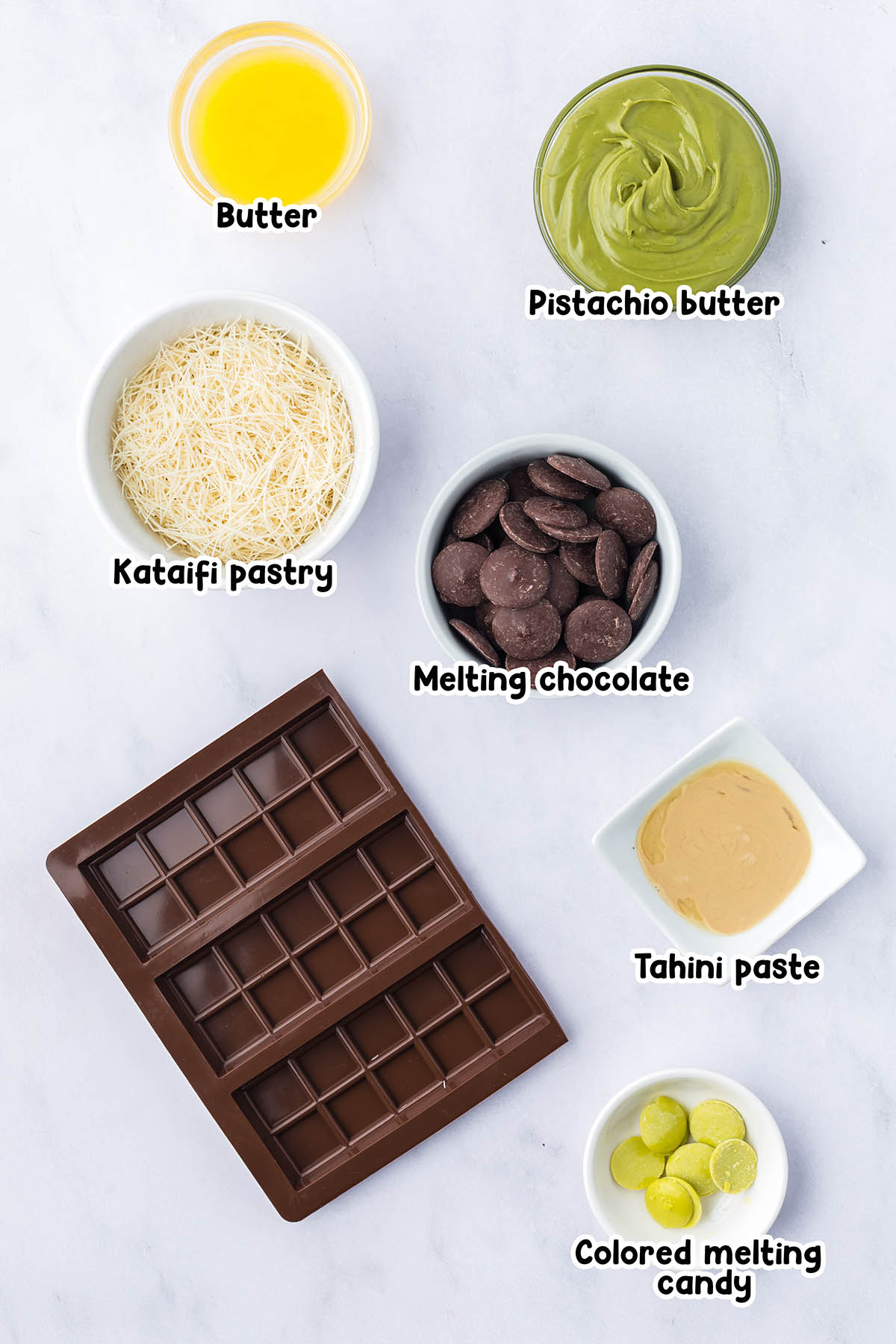
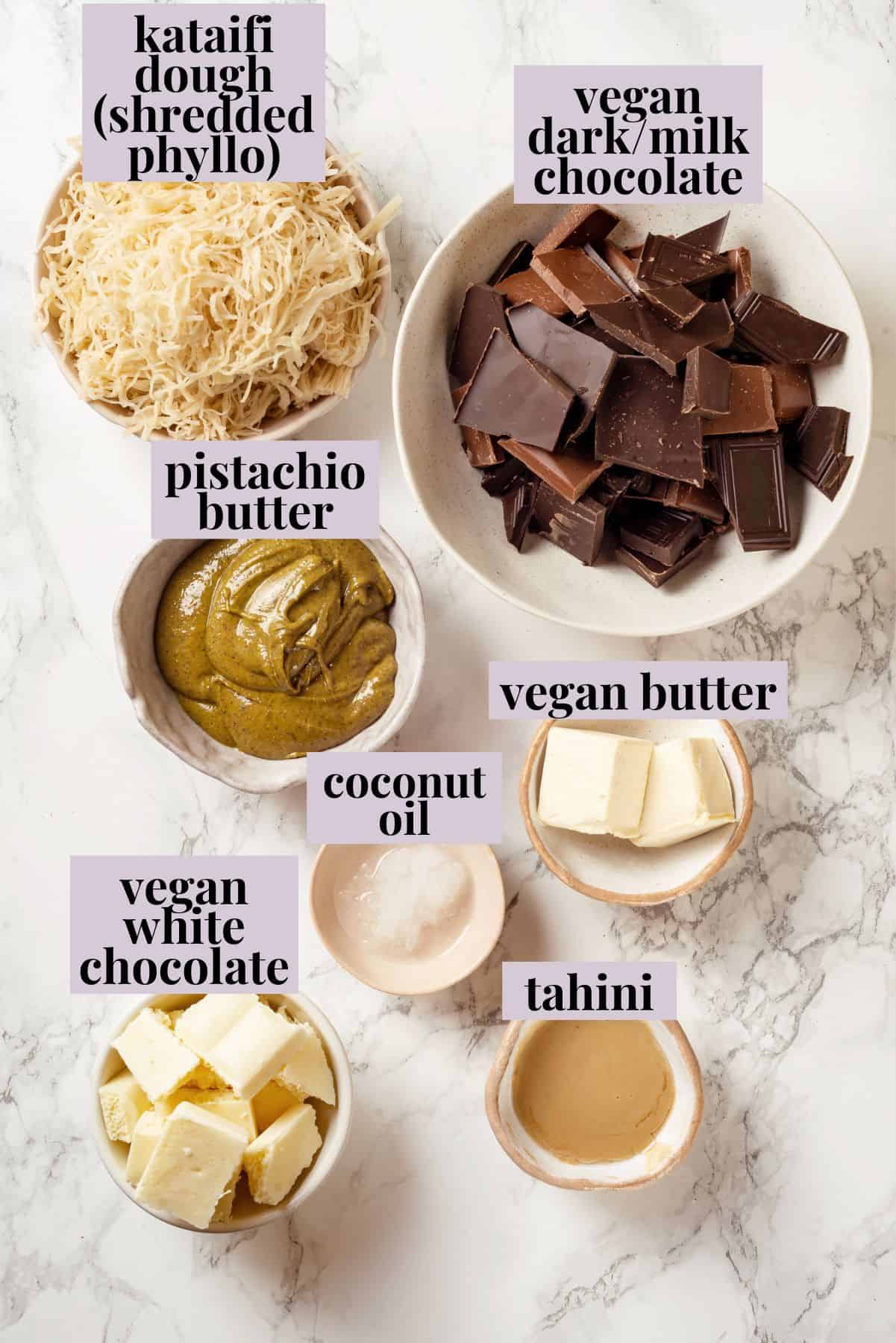
The primary driver of your Cost of Goods Sold (COGS) will be the three pillars of the Dubai bar: premium couverture chocolate, artisanal pistachio cream, and kataifi.
- Couverture Chocolate: Unlike standard baking chocolate, premium couverture contains a higher percentage of cocoa butter (at least 31%). Investing in brands like Valrhona or Callebaut is essential for maintaining a luxury brand position, though it increases per-unit costs significantly.
- Pistachio Cream: The “green gold” of this product. High-quality pistachio paste—specifically those sourced from Bronte, Italy, or high-grade Turkish variants—can cost upwards of $40–$60 per kilogram.
- Kataifi (Phyllo Shreds): While cheaper than the other components, its sourcing is often the biggest bottleneck. Establishing a reliable wholesale supplier is critical to avoiding retail price gouging during peak demand.
Equipment and Production Infrastructure
To scale from a home-based side hustle to a commercial enterprise, your capital must be allocated toward efficiency-driving equipment.
- Tempering Machines: Manual tempering is labor-intensive and prone to error. An automatic tempering machine (costing between $1,500 and $5,000) ensures a consistent “snap” and gloss, reducing waste and labor hours.
- Polycarbonate Molds: High-end aesthetics require professional-grade molds. Unlike silicone, polycarbonate molds provide the professional finish required to justify a premium price tag.
- Climate Control: Chocolate production requires a strictly controlled environment (65-68°F with low humidity). Investing in high-grade HVAC or specialized refrigeration units is non-negotiable for protecting your inventory.
2. Revenue Models and Pricing Strategy for Premium Confections
The Dubai chocolate bar is not a commodity; it is a “Veblen good”—a product for which demand increases as the price increases, due to its status as a luxury item. To succeed financially, your pricing strategy must reflect this exclusivity.
The Psychology of Luxury Pricing
A standard chocolate bar may retail for $2–$5, but authentic Dubai-style bars frequently command prices between $15 and $30 per unit. This “premiumization” strategy relies on perceived value.
- Scarcity Modeling: By utilizing a “drop” model (limited quantities released at specific times), you can maintain high demand and justify premium pricing. This reduces the need for discounting and protects your profit margins.
- Packaging as an Asset: In the luxury food sector, packaging is a significant portion of the value proposition. Investing $1–$2 per unit in high-end, gold-foiled, or structurally unique boxes can allow for a $5–$10 markup in the final retail price.
Calculating Profit Margins in a Volatile Commodity Market
Operating in the gourmet food space requires a “buffer” in your financial modeling.
- Margin Targets: Aim for a gross margin of at least 60-70%. Given the volatility of cocoa and pistachio prices—both of which have seen historic highs in recent years—a lean margin can quickly evaporate.
- Yield Management: Financial success in chocolate making is often won or lost in the “scrap.” Utilizing leftover chocolate for smaller “tasting bites” or secondary products ensures that every gram of paid-for raw material contributes to the bottom line.
3. Scaling the Hustle: Marketing Spend and Customer Acquisition Costs (CAC)
In the digital economy, the “Dubai Chocolate” trend is fueled by visual storytelling. Your marketing budget should be treated as an investment in the brand’s equity rather than a mere expense.
Leveraging Organic Social Reach to Minimize Ad Spend
The virality of the “cranch” (the sound of the kataifi breaking) is a powerful organic marketing tool.
- UGC (User-Generated Content) Incentives: Instead of traditional paid advertising, offer small discounts or “exclusive access” to customers who post high-quality videos of your product. This lowers your Customer Acquisition Cost (CAC) while increasing social proof.
- Influencer Partnerships: Rather than broad-market influencers, target “foodie” micro-influencers. Their engagement rates are typically higher, and the cost of partnership is often just the product itself plus a small fee, providing a high Return on Ad Spend (ROAS).
Managing Cash Flow During Viral Spikes
The biggest financial risk for a trend-based business is a “success disaster”—where demand outstrips your ability to fund production.
- Working Capital Reserves: You must have enough liquid cash to purchase ingredients in bulk when a video goes viral. If you run out of stock during a peak interest period, you are leaving thousands of dollars on the table and losing momentum to competitors.
- Pre-order Systems: Implementing a pre-order financial model allows you to use the customer’s money to fund the production of their order, effectively operating with a negative cash conversion cycle. This is a highly efficient way to scale without external debt.
4. Operational Finance and Risk Management
To transition from a “trend” to a “business,” you must insulate yourself against the inevitable cooling of viral interest. Financial sustainability depends on operational resilience.
Navigating Supply Chain Disruptions
The “Dubai Chocolate” market is heavily reliant on niche imports. A delay in a shipment of kataifi or a sudden spike in pistachio prices can halt production.
- Supplier Diversification: Never rely on a single source for your “hero” ingredients. Identify at least three suppliers for each critical component.
- Inventory Hedging: If you have the capital and storage space, buying non-perishable components (like chocolate and sugar) in bulk when prices are lower acts as a hedge against inflation and supply shocks.
Diversifying the Product Line for Long-term Financial Stability
History shows that food trends eventually stabilize. The financial “exit” or pivot strategy is crucial.
- Brand Extension: Use the capital generated from Dubai chocolate bars to develop a broader “Luxury Middle Eastern Confections” line. This allows you to retain the customers you acquired during the trend while diversifying your revenue streams.
- B2B Revenue Streams: Transitioning from Direct-to-Consumer (DTC) to wholesaling to high-end coffee shops, hotels, or corporate gifting services can provide more predictable, recurring revenue than social media-driven sales.

Conclusion: The ROI of the Dubai Chocolate Venture
What you truly need to “make” Dubai chocolate is not just a recipe, but a robust financial framework. By treating the ingredients as high-value assets, the pricing as a luxury strategy, and the marketing as a community-building exercise, the “Dubai Chocolate” trend can serve as a powerful engine for wealth creation.
The initial investment in high-quality equipment and premium ingredients is significant, but when paired with a savvy understanding of viral economics and cash flow management, the potential for high returns is immense. In the world of premium confections, the sweetest part of the business isn’t the chocolate—it’s the profit margin.
aViewFromTheCave is a participant in the Amazon Services LLC Associates Program, an affiliate advertising program designed to provide a means for sites to earn advertising fees by advertising and linking to Amazon.com. Amazon, the Amazon logo, AmazonSupply, and the AmazonSupply logo are trademarks of Amazon.com, Inc. or its affiliates. As an Amazon Associate we earn affiliate commissions from qualifying purchases.