
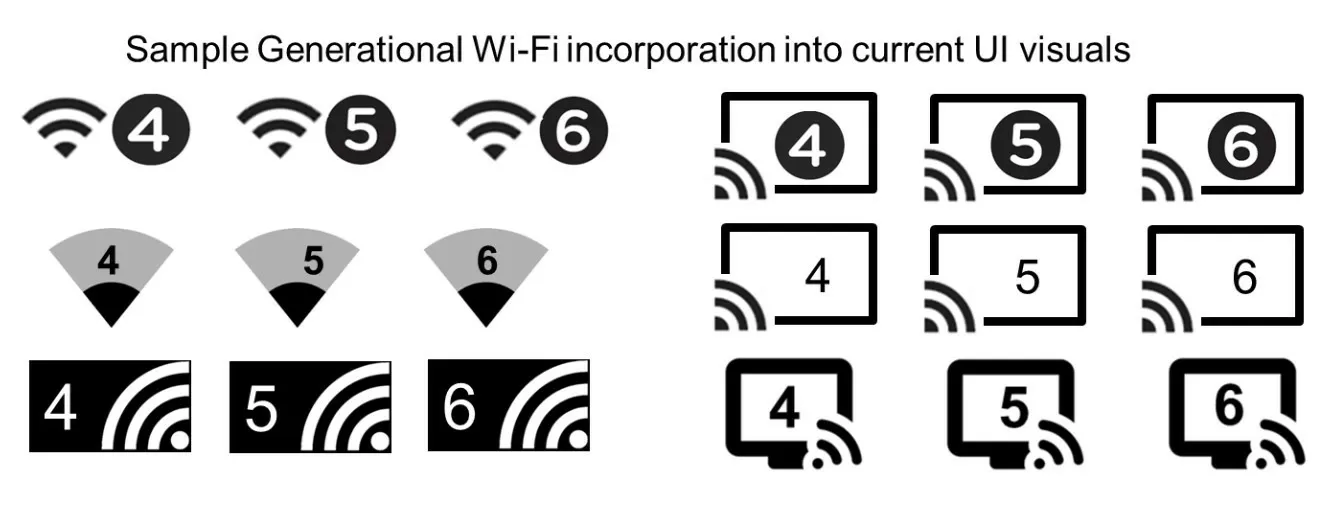
That tiny ‘6’ nestled within your Wi-Fi symbol isn’t just a random embellishment; it’s a crucial indicator of the Wi-Fi technology powering your connection. In a world increasingly reliant on seamless wireless access, understanding these symbols is no longer just for the tech-savvy. For everyone from the casual user to the budding entrepreneur, it translates to speed, reliability, and ultimately, a better online experience. This article dives deep into the meaning behind that ‘6’, exploring its implications for your daily digital life, your business operations, and even your financial decisions.
The Evolution of Wi-Fi: From ‘G’ to ‘6’
The Wi-Fi symbol has undergone a quiet, yet significant, evolution. For years, we’ve become accustomed to seeing bars indicating signal strength. However, a subtler change has been occurring, marked by the addition of numbers like ‘n’, ‘ac’, and now, ‘6’. These aren’t mere version numbers; they represent distinct generations of Wi-Fi technology, each offering substantial improvements over its predecessor.
Before the ‘6’: A Brief Look Back
To truly appreciate the significance of the ‘6’, it’s helpful to understand what came before.
Wi-Fi 4 (802.11n): The Foundation of Modern Wi-Fi
Released around 2009, Wi-Fi 4 was a major leap forward. It introduced MIMO (Multiple-Input Multiple-Output) technology, which uses multiple antennas to send and receive data simultaneously. This allowed for significantly faster speeds than previous standards and better performance in congested environments. It was the first standard to offer speeds that felt “fast enough” for most home users, enabling smoother streaming and more responsive online gaming.
Wi-Fi 5 (802.11ac): The Era of Gigabit Speeds
Following in 2013, Wi-Fi 5 brought us even closer to the speeds we expect today. It built upon Wi-Fi 4 by utilizing the less crowded 5 GHz band more extensively and introducing MU-MIMO (Multi-User MIMO) in later revisions, allowing routers to communicate with multiple devices simultaneously. This was a crucial step in accommodating the growing number of connected devices in our homes and offices. Wi-Fi 5 was the first standard to realistically offer gigabit-per-second speeds, making buffer-free 4K streaming and rapid file downloads a common reality.
Enter Wi-Fi 6: The Current Generation
The ‘6’ you’re seeing on your Wi-Fi symbol signifies that you are connected to a network utilizing the Wi-Fi 6 (802.11ax) standard. Released in 2019, Wi-Fi 6 is not just about raw speed increases, though it does offer those. Its primary focus is on improving efficiency and performance in environments with a high density of connected devices.
Key Advancements of Wi-Fi 6
- OFDMA (Orthogonal Frequency Division Multiple Access): This is arguably the most significant innovation in Wi-Fi 6. Imagine your Wi-Fi bandwidth as a highway. Previous Wi-Fi standards would dedicate an entire lane (frequency channel) to a single device, even if that device was only sending a small amount of data. OFDMA, however, allows a single channel to be divided into smaller sub-channels, enabling the router to communicate with multiple devices simultaneously in a much more efficient manner. This is akin to optimizing traffic flow by allowing smaller vehicles to share lanes without waiting for a large truck to clear the entire road. For users, this means less latency and a more consistent experience, even when many devices are active.
- 1024-QAM (Quadrature Amplitude Modulation): This is a more technical improvement that allows for more data to be packed into each transmission signal. Think of it like upgrading the payload capacity of each vehicle on the highway. This directly contributes to higher theoretical speeds.
- Target Wake Time (TWT): This feature dramatically improves battery life for devices. TWT allows devices to schedule their wake-up times to communicate with the router, rather than constantly checking for data. This means devices can “sleep” for longer periods, conserving power. This is a game-changer for IoT (Internet of Things) devices, smart home gadgets, and mobile devices.
- BSS Coloring: In crowded Wi-Fi environments (like apartment buildings or busy offices), networks can interfere with each other. BSS Coloring helps devices distinguish between their own network’s transmissions and those of neighboring networks, reducing interference and improving signal quality.
Why Does the ‘6’ Matter to You?
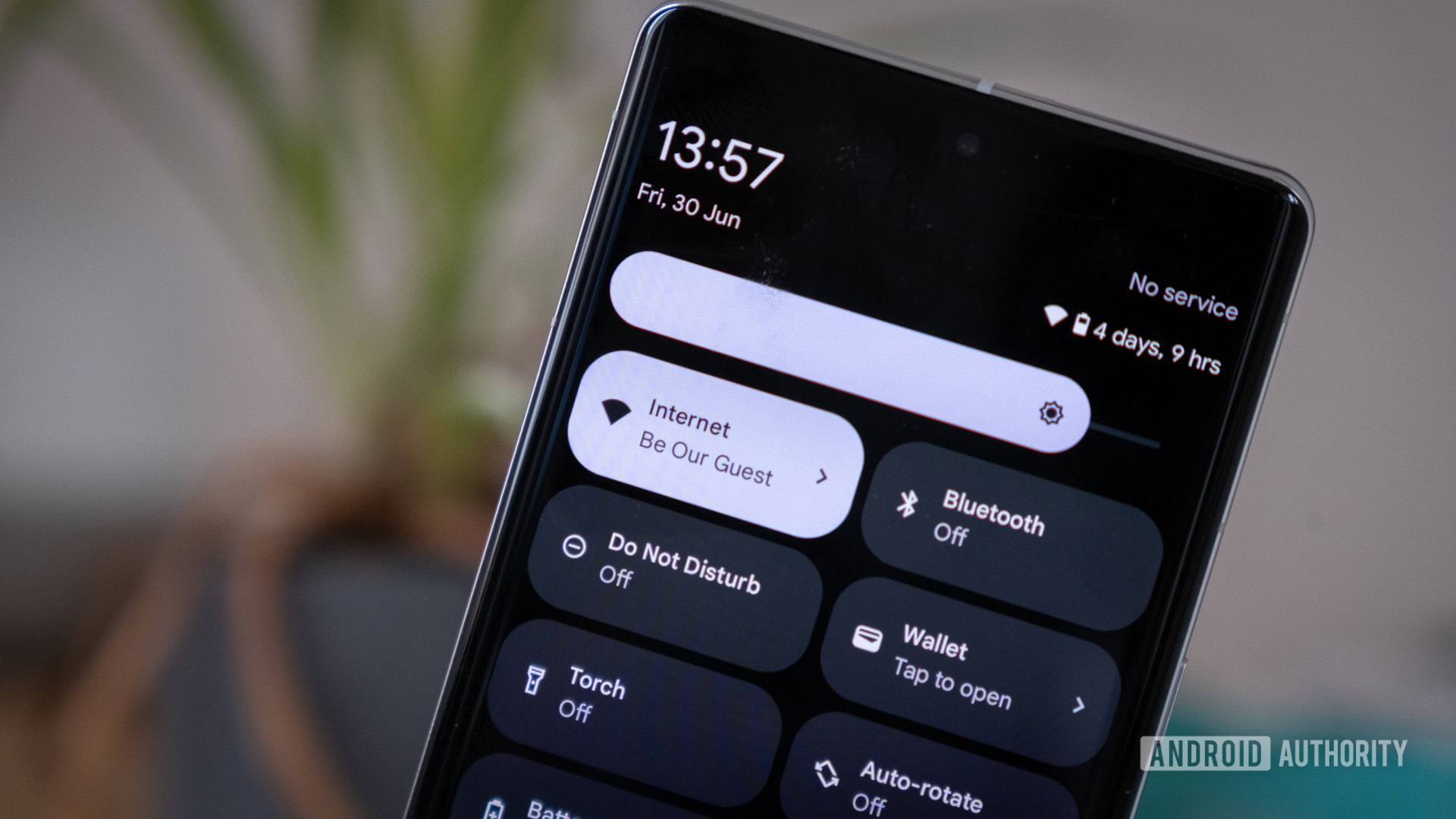
The presence of the ‘6’ on your Wi-Fi symbol isn’t just a technical detail; it has tangible benefits that impact various aspects of your digital life, your brand’s perception, and even your financial well-being.
Impact on Your Digital Life
For the average user, a Wi-Fi 6 connection translates to a smoother, more responsive online experience.
- Faster Speeds: While not the sole focus, Wi-Fi 6 does offer higher theoretical speeds, meaning faster downloads, quicker uploads, and less buffering when streaming high-definition content.
- Reduced Latency: The efficiency improvements brought by OFDMA significantly reduce latency. This is crucial for activities like online gaming, video conferencing, and real-time collaborative work. Lag can be incredibly frustrating, and Wi-Fi 6 helps to minimize it.
- Better Performance in Crowded Environments: If you live in an apartment building or work in a busy office where multiple Wi-Fi networks are present, Wi-Fi 6’s ability to combat interference will make a noticeable difference. Your connection will be more stable and reliable.
- Improved Battery Life for Devices: As mentioned, TWT is a significant advantage for battery-powered devices. This means your smartphone, tablet, or smart home devices will last longer between charges.
- Support for More Devices: With the ever-increasing number of smart home devices, wearables, and personal gadgets, managing a network with many connected devices can be a challenge. Wi-Fi 6 is designed to handle this, ensuring all your devices can connect and perform optimally without bogging down the network.
Implications for Your Brand and Business
For businesses, the technology powering their Wi-Fi can have a direct impact on their operations, customer experience, and overall brand image.
- Enhanced Productivity: Reliable and fast Wi-Fi is essential for modern workplaces. Employees can collaborate seamlessly, access cloud-based applications without delay, and conduct video conferences with minimal disruption. This directly translates to increased productivity and efficiency.
- Improved Customer Experience: If your business offers public Wi-Fi, a slow or unreliable connection can lead to customer frustration and a negative perception of your brand. Wi-Fi 6 ensures a robust and fast connection for your customers, whether they are in a retail store, cafe, or office.
- Streamlined Operations: Businesses relying on IoT devices for inventory management, security, or operational efficiency will benefit greatly from Wi-Fi 6’s ability to handle a high density of devices with low latency and improved reliability.
- Future-Proofing Your Infrastructure: Investing in Wi-Fi 6 routers and access points ensures your network infrastructure is capable of handling future technological demands. As more devices and applications are developed with Wi-Fi 6 in mind, your business will be better positioned to leverage them.
- Technological Leadership: For tech-focused brands, embracing and implementing the latest Wi-Fi standards can signal innovation and a commitment to providing cutting-edge solutions. This can be a subtle yet important differentiator in a competitive market.
The Financial Angle: Investing in Connectivity
The cost and benefits associated with Wi-Fi 6 also have financial implications, both for individuals and businesses.
- Cost of Upgrading: While routers and devices supporting Wi-Fi 6 are becoming more common, they often come with a higher upfront cost compared to older standards. However, this investment can be viewed as a long-term one.
- Return on Investment for Businesses: For businesses, the productivity gains, improved customer satisfaction, and operational efficiencies afforded by Wi-Fi 6 can provide a significant return on investment. Reduced downtime and fewer customer complaints can directly impact revenue.
- Long-Term Value: While the initial cost might be higher, Wi-Fi 6 devices are designed to be more future-proof. This means you’ll likely get more years of optimal performance out of your hardware before needing to upgrade again, potentially saving money in the long run.
- Energy Savings: For businesses with a large number of IoT devices or extensive office networks, the energy savings from TWT can add up over time, contributing to lower operational costs.
- Maximizing Your Internet Plan: If you’re paying for a high-speed internet plan, an older Wi-Fi router might be a bottleneck, preventing you from experiencing the full speeds you’re paying for. Upgrading to Wi-Fi 6 ensures you can utilize the bandwidth effectively.
What if You Don’t See the ‘6’?
If your Wi-Fi symbol doesn’t display a ‘6’, it simply means your device or your router is not yet equipped with Wi-Fi 6 capabilities. You might be connected to a network operating under Wi-Fi 5 (802.11ac), Wi-Fi 4 (802.11n), or even older standards.
- Check Your Router: The easiest way to determine if you can access Wi-Fi 6 is to check your router. Most modern routers will explicitly state “Wi-Fi 6” or “802.11ax” in their specifications. If your router is older, it might be a good idea to consider an upgrade, especially if you’re experiencing performance issues or have many connected devices.
- Check Your Devices: Similarly, your laptop, smartphone, or tablet needs to support Wi-Fi 6 to take advantage of it. Newer devices are increasingly coming with Wi-Fi 6 support. You can usually find this information in the device’s technical specifications.
- Understanding Compatibility: It’s important to note that Wi-Fi standards are backward compatible. This means a Wi-Fi 6 router can still connect to devices that only support older standards, and vice versa. However, you will only achieve the full benefits of Wi-Fi 6 when both your router and your device support it.

The Future is Connected: Embracing Wi-Fi 6 and Beyond
The little ‘6’ on your Wi-Fi symbol is a testament to the continuous innovation in wireless technology. It signifies a more efficient, faster, and more robust internet experience. For individuals, it means smoother streaming, quicker downloads, and longer battery life. For businesses, it translates to enhanced productivity, superior customer experiences, and a more resilient infrastructure.
As we move further into a hyper-connected future, with the Internet of Things becoming more pervasive and our reliance on seamless online access growing, understanding and embracing technologies like Wi-Fi 6 is no longer a luxury but a necessity. It’s an investment in your digital well-being, the success of your brand, and your financial future. So, the next time you see that little ‘6’, remember the power and potential it represents. It’s a symbol of progress, efficiency, and a glimpse into the ever-evolving landscape of our connected world.
aViewFromTheCave is a participant in the Amazon Services LLC Associates Program, an affiliate advertising program designed to provide a means for sites to earn advertising fees by advertising and linking to Amazon.com. Amazon, the Amazon logo, AmazonSupply, and the AmazonSupply logo are trademarks of Amazon.com, Inc. or its affiliates. As an Amazon Associate we earn affiliate commissions from qualifying purchases.