
In the high-stakes wilderness of the modern marketplace, the “Deer” brand represents a unique and vital archetype. Unlike the “Lions” (dominant market leaders with massive capital) or the “Wolves” (aggressive, disruptive startups), the Deer brand thrives on grace, agility, and an acute sensitivity to its environment. These are brands that prioritize aesthetics, customer experience, and rapid adaptation over brute-force market saturation. However, in an era of rapid technological shifts and volatile consumer sentiment, the question arises: what do these “Deer” brands need to survive and, more importantly, to flourish?

Survival for a brand centered on agility and gentleness requires more than just a good product. It demands a sophisticated ecosystem of strategic resources, defensive maneuvers, and community-driven growth. By examining the metaphorical “biological needs” of these brands, we can uncover the essential components of long-term brand sustainability.
1. The Anatomy of a Deer Brand: Defining Identity and Awareness
To understand what a Deer brand needs to survive, we must first define its core characteristics. These brands are often lifestyle-oriented, boutique, or premium service providers. They rely heavily on their reputation for quality and their ability to navigate niches that larger, more cumbersome competitors overlook.
Identifying Agility in Competitive Markets
Agility is the primary survival mechanism of the Deer brand. While a corporate giant might take years to pivot its strategy, a Deer brand can change course in months or even weeks. This agility is fueled by a decentralized decision-making process and a lean operational structure. To survive, these brands must maintain this “low weight.” Over-encumbering the brand with excessive middle management or rigid legacy systems is equivalent to a deer losing its speed; it makes them easy targets for predators. Survival hinges on the ability to leap over market hurdles that stop others in their tracks.
The Power of Sensory Awareness (Market Research)
A deer’s survival depends on its senses—hearing, smell, and vision. For a brand, these senses are translated into market research and social listening. A Deer brand survives by knowing the “scent” of a trend before it becomes mainstream. They utilize advanced data analytics and direct consumer feedback loops to stay attuned to shifts in customer preference. Without this hyper-awareness, the brand risks becoming obsolete. In this niche, survival is not about dominating the conversation, but about listening to it so intensely that your response feels intuitive to the consumer.
2. Essential Resources: The Ecosystem of Brand Sustainability
Just as a biological organism requires specific nutrients to maintain its metabolic functions, a brand requires a steady flow of resources to maintain its market presence. For the Deer brand, these resources are not just financial; they are emotional and intellectual.
Foraging for Relevance: Quality Content and Engagement
In the digital age, “content” is the primary food source for brand visibility. However, a Deer brand cannot survive on “junk food”—low-quality, clickbait content that provides no long-term value. Instead, they must forage for high-quality, relevant engagement. This involves creating a content strategy that emphasizes storytelling, brand values, and aesthetic consistency. By providing “nutritional” value to their audience through educational blog posts, inspiring social media narratives, or exclusive community insights, the brand ensures a steady stream of “energy” (customer attention) that powers its growth.
Shelter from the Storm: Building Brand Loyalty as a Defensive Moat
Market volatility—recessions, PR crises, or sudden shifts in platform algorithms—is the “harsh winter” of the business world. To survive, a Deer brand needs shelter. This shelter is built from brand equity and customer loyalty. When a brand has spent years cultivating a deep, emotional connection with its audience, that audience becomes a protective barrier. Loyal customers will continue to support the brand during economic downturns and will defend the brand in the face of public scrutiny. This “moat” of loyalty is the ultimate survival tool for brands that lack the massive cash reserves of their larger competitors.

3. Adaptation and Evolution: Surviving the Predator-Prey Dynamic
The marketplace is an ecosystem of competition. For every elegant Deer brand, there is a “Predator” brand looking to capture its market share. Survival requires a sophisticated understanding of when to flee, when to hide, and when to evolve.
Navigating Disruption and Competitor Incursion
When a large-scale competitor enters a niche space, the Deer brand’s first instinct might be to compete on price—a fatal mistake. A deer does not outmuscle a bear; it outruns it. To survive a competitor incursion, the Deer brand must double down on its unique value proposition. This might mean hyper-personalization, superior craftsmanship, or a commitment to ethical sourcing that a larger corporation cannot easily replicate. Evolution in this context means refining the brand’s “DNA” to be so specialized that it becomes difficult for a generalist predator to consume.
The Camouflage Strategy: Blending In vs. Standing Out
There is a strategic tension between the need to be seen and the need to be safe. In branding, “camouflage” refers to the ability to integrate seamlessly into the consumer’s lifestyle. A Deer brand survives when it doesn’t feel like a “brand” at all, but rather a natural extension of the customer’s identity. This is achieved through subtle marketing, influencer partnerships that feel authentic, and a visual language that complements rather than clashes with the user’s environment. By “blending in” to the culture, the brand avoids the “hunter’s gaze” of cynicism that often plagues overly aggressive corporate marketing.
4. Scaling the Herd: Communal Branding and Social Proof
No deer survives long in total isolation. In the wild, the herd provides extra eyes, ears, and collective security. In branding, the “herd” is the community of advocates, partners, and micro-influencers that surround the core business.
Building Community-Centric Growth
Survival for modern brands is increasingly tied to community. A Deer brand must move away from the transactional “broadcast” model of marketing and toward a “conversational” model. This means creating spaces—whether through Discord servers, private Facebook groups, or local events—where customers can interact with each other. When a brand facilitates a community, it becomes the “watering hole” where the herd gathers. This communal bond makes the brand indispensable; to leave the brand would be to leave the community, creating a high “switching cost” for the consumer.
Leveraging Advocacy for Longevity
Social proof is the “alarm call” that protects the herd. When one customer shares a positive experience, it signals safety and quality to the rest of the market. Deer brands must survive by empowering their most vocal supporters. This isn’t just about affiliate programs; it’s about genuine advocacy. By treating customers as partners in the brand’s journey, the brand gains a decentralized marketing force that is more effective and more resilient than any paid advertising campaign. This collective strength ensures that even if the brand’s central “organism” faces a setback, the surrounding community will keep the spirit of the brand alive.
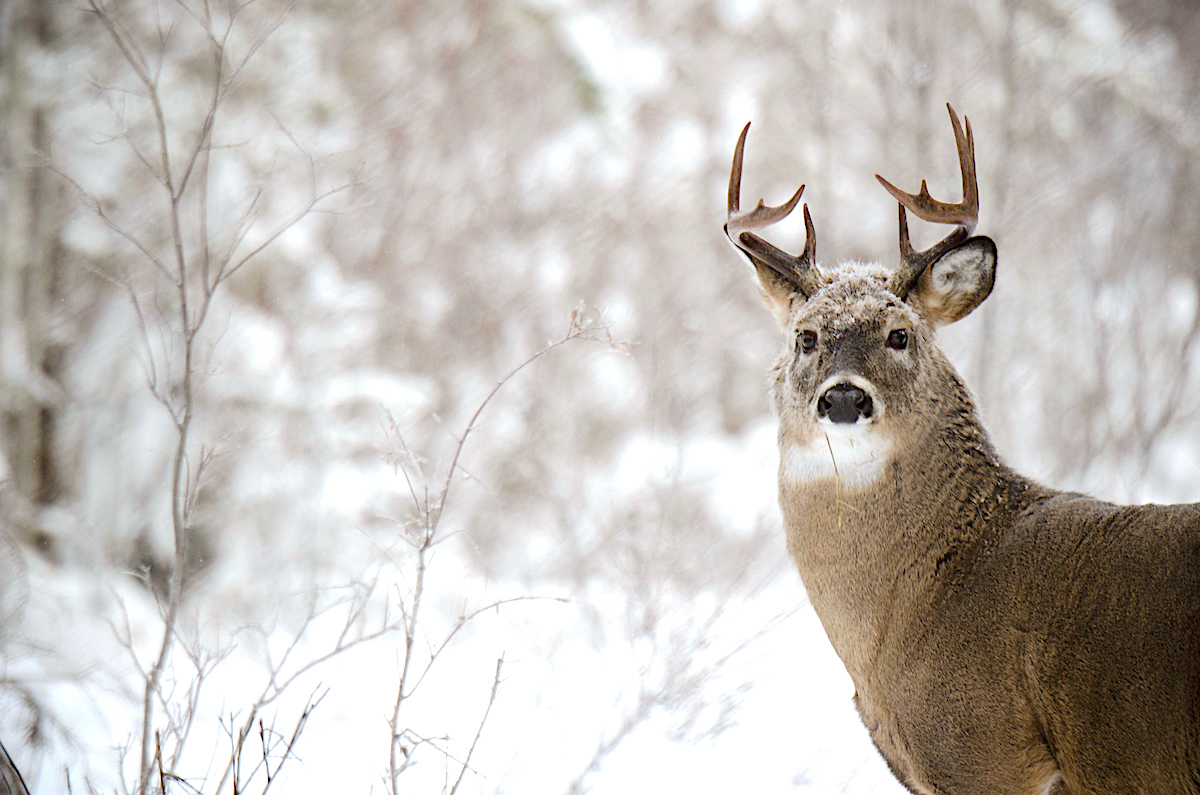
Conclusion: The Resilient Future of the Deer Brand
The survival of a Deer brand in today’s economy is a testament to the power of strategy over scale. While the “Lions” of industry may command the most territory, it is the “Deer”—the agile, the aware, and the community-focused—that often show the most remarkable resilience in the face of change.
To survive, these brands must protect their agility, nourish themselves with high-value engagement, build shelters of loyalty, and lean into the strength of their community. By understanding that survival is not about being the strongest, but about being the most responsive to change, the Deer brand can navigate the densest thickets of the market and emerge as a leader in its own right. In the end, what a brand needs to survive is not more power, but a more profound connection to the ecosystem it inhabits.
aViewFromTheCave is a participant in the Amazon Services LLC Associates Program, an affiliate advertising program designed to provide a means for sites to earn advertising fees by advertising and linking to Amazon.com. Amazon, the Amazon logo, AmazonSupply, and the AmazonSupply logo are trademarks of Amazon.com, Inc. or its affiliates. As an Amazon Associate we earn affiliate commissions from qualifying purchases.