
What Americans eat is often discussed through the lens of culture, health, or culinary preference. However, to understand the true nature of American consumption, one must look at it through the lens of economics. Food in the United States is not just sustenance; it is a $1.8 trillion industry that reflects the country’s shifting financial priorities, wealth gaps, and market innovations. From the rise of the “convenience tax” to the investment potential of alternative proteins, the American diet is a complex financial ecosystem.
By analyzing the fiscal choices behind the American pantry, we can gain deeper insights into the nation’s personal finance health, corporate strategy, and the broader economic trends that dictate what ends up on the dinner table.

The Macro-Economics of American Food Spending
To understand what Americans eat, we must first look at where their money goes. Historically, the United States has enjoyed some of the lowest food costs in the world as a percentage of disposable income. However, recent economic shifts have begun to challenge this long-standing stability, forcing a re-evaluation of the average household budget.
The Percentage of Disposable Income Allocated to Food
For decades, Americans spent roughly 10% of their disposable income on food. This was a point of national pride, suggesting a highly efficient agricultural system. However, in the wake of post-pandemic inflation and supply chain disruptions, this figure has seen its sharpest increase in over thirty years. The modern American consumer is now grappling with a “sticky” price environment where grocery costs remain high even as general inflation cools. This financial pressure directly dictates dietary choices, often pushing consumers toward calorie-dense, shelf-stable goods over fresh, nutrient-rich options.
The Great Divide: Food at Home vs. Food Away From Home
A pivotal moment in American economic history occurred in the mid-2010s when spending on “food away from home” (restaurants and takeout) officially surpassed spending on “food at home” (groceries). This shift represents a fundamental change in the American value proposition. Americans are no longer just buying ingredients; they are buying time. For the professional class, the opportunity cost of cooking is often higher than the price of a prepared meal, leading to a massive transfer of wealth from households to the service industry.
Inflation and the Consumer Price Index (CPI) for Food
The Consumer Price Index for food is a primary indicator of economic health. When the price of staples like eggs, milk, and flour fluctuates, it creates a ripple effect throughout the economy. In recent years, “shrinkflation”—where companies reduce product size while maintaining the same price—has become a hidden tax on the American eater. This practice allows brands to protect profit margins while consumers essentially pay more for less, fundamentally altering the “value per calorie” calculation for the average family.
The Business of Convenience: The Financial Allure of Fast Food
The American fast-food industry is a global financial powerhouse, built on the principles of efficiency, scale, and psychological pricing. What Americans eat is often a byproduct of which corporations have the most sophisticated logistics and marketing budgets.
The Drive-Thru Economy and Value Menus
The “Value Menu” was once the cornerstone of the American diet, providing a predictable, low-cost meal for millions. However, the economics of fast food have shifted. As labor costs and ingredient prices rise, the $1.00 burger has vanished, replaced by tiered pricing and “bundled” deals designed to increase the Average Check Size (ACS). From a business finance perspective, these companies have mastered the art of upselling, using digital kiosks and mobile apps to nudge consumers toward high-margin items like sodas and appetizers.
Subscription Models and Delivery App Surcharges
The way Americans pay for food has undergone a digital transformation. The rise of third-party delivery platforms like DoorDash and UberEats has introduced a new layer of intermediation. Consumers are now willing to pay a 20–40% premium in fees and tips for the sake of convenience. This has created a “convenience tax” that significantly impacts monthly personal finance. Furthermore, the industry is moving toward subscription models (e.g., DashPass), turning food consumption into a recurring revenue stream for tech companies, rather than a simple transactional exchange.
Profit Margins in the Quick-Service Restaurant (QSR) Sector
The financial health of the QSR sector is a bellwether for the American economy. These businesses operate on thin margins but massive volumes. By optimizing supply chains and utilizing franchise models, brands like McDonald’s and Starbucks have turned the American diet into a predictable commodity. For investors, the stability of these “staple” brands provides a hedge against market volatility, as Americans rarely stop eating out entirely, even during economic downturns; they simply trade down from fine dining to fast-casual.
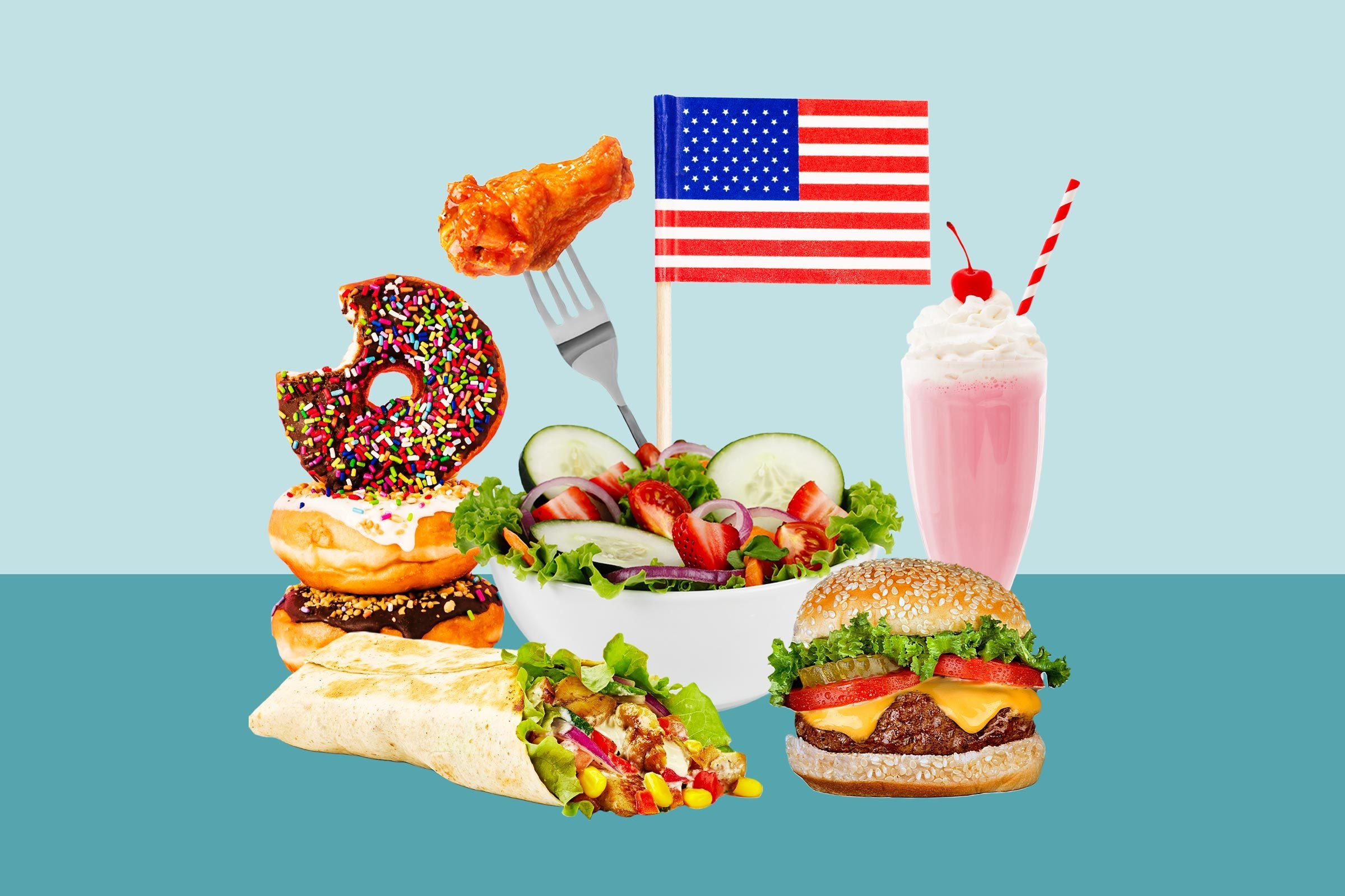
Investing in the Future of Food: Health, Sustainability, and New Markets
As consumer preferences shift toward wellness and sustainability, a new financial frontier has emerged. The “Premiumization” of the American diet has turned healthy eating into a status symbol and a lucrative investment vehicle.
The Premiumization of Organic and Plant-Based Brands
There is a growing economic divide in what Americans eat, often referred to as the “organic gap.” Higher-income households are increasingly allocating a larger share of their budget to brands that promise transparency, organic certification, and ethical sourcing. This has led to the rapid growth of companies like Whole Foods (under Amazon) and the proliferation of “Better-for-You” (BFY) brands. From a market perspective, these products command higher margins and foster intense brand loyalty, making them prime targets for Venture Capital (VC) and Private Equity (PE) acquisitions.
Capitalizing on “Food as Medicine” Trends
The intersection of healthcare and nutrition is creating new financial opportunities. With the rise of GLP-1 weight-loss drugs and a heightened focus on metabolic health, the food industry is pivoting. Smart investors are looking toward companies that produce “functional foods”—products that offer health benefits beyond basic nutrition. This sector is expected to see significant growth as insurance companies and employers begin to view healthy food as a way to reduce long-term healthcare liabilities, potentially shifting the cost of a healthy diet from the individual to the institutional level.
Venture Capital and the Rise of AgTech
The “what” of American eating is also being determined in laboratories. Billions of dollars in venture capital are flowing into Agricultural Technology (AgTech), including vertical farming, lab-grown meat, and CRISPR-edited produce. These investments are bets on a future where traditional farming cannot meet demand or environmental standards. While many of these technologies are currently in the “cash burn” phase, the long-term goal is to disrupt the trillion-dollar global protein market, fundamentally changing the cost structure of the American dinner plate.
The Wealth Gap in the American Diet: A Socio-Economic Analysis
While some Americans invest in $15 cold-pressed juices, others live in “food deserts” where economic barriers dictate a much different reality. The financial disparity in the United States is nowhere more visible than in the grocery cart.
Food Deserts and Economic Barriers to Nutrition
A food desert is not just a geographic issue; it is a financial one. In low-income urban and rural areas, the lack of competitive grocery infrastructure leads to “food mirages,” where healthy food is available but priced far out of reach. This forces a reliance on dollar stores and convenience stores, which often have higher unit prices for lower-quality goods. From a personal finance perspective, the “poverty penalty” means that those with the least money often pay the most for basic caloric needs.
The Hidden Costs of Poor Nutrition on Personal Finance
What Americans eat has a direct correlation with their long-term financial stability. Diets high in processed sugars and trans fats contribute to chronic illnesses such as type 2 diabetes and hypertension. The financial burden of these conditions—in the form of medical bills, insurance premiums, and lost productivity—can be devastating. Thus, the “cheap” food of today often becomes the “expensive” healthcare of tomorrow. Financial advisors are increasingly looking at “nutritional literacy” as a component of long-term wealth management.
Government Subsidies and the Cost of Staples
The price of what Americans eat is heavily influenced by government policy. Federal subsidies for corn, soy, and wheat keep the cost of processed foods artificially low. This creates a market distortion where a bag of chips is often cheaper than a head of broccoli. For the budget-conscious American, these subsidies act as a silent hand, guiding their choices toward subsidized commodities. Reforming these financial structures is a central point of debate for economists looking to improve national health outcomes.

Conclusion: The Financial Reality of the American Table
In conclusion, “what American people eat” is a question that cannot be answered without considering the flow of capital. The American plate is a reflection of a society that values convenience, responds to inflationary pressures, and is increasingly divided by wealth. From the high-stakes world of AgTech venture capital to the daily budgeting struggles of the average family, money is the primary ingredient in every meal.
Understanding these economic drivers is essential for anyone looking to navigate the American market, whether as a consumer trying to optimize their personal finances or an investor seeking the next big trend in the food industry. As we move forward, the challenge will be to reconcile the efficiency of the industrial food complex with the growing financial and physical need for a more sustainable and equitable way of eating.
aViewFromTheCave is a participant in the Amazon Services LLC Associates Program, an affiliate advertising program designed to provide a means for sites to earn advertising fees by advertising and linking to Amazon.com. Amazon, the Amazon logo, AmazonSupply, and the AmazonSupply logo are trademarks of Amazon.com, Inc. or its affiliates. As an Amazon Associate we earn affiliate commissions from qualifying purchases.