
In the annals of storytelling, few figures cast as long or as distinctive a shadow as Lord Voldemort. While literary critics often analyze his motivations through the lens of psychology or morality, a professional brand strategist sees something entirely different: a masterclass in aggressive brand positioning, identity transformation, and the pursuit of a monopolistic market share.
What did Voldemort want? At his core, he desired more than just power; he wanted to establish a brand legacy that was immortal, a corporate identity that commanded total loyalty through fear, and a market position that eliminated all competition. By examining his rise and fall through the framework of brand strategy, we can uncover the sophisticated—if malevolent—tactics he used to build one of the most recognizable “Dark Brands” in history.
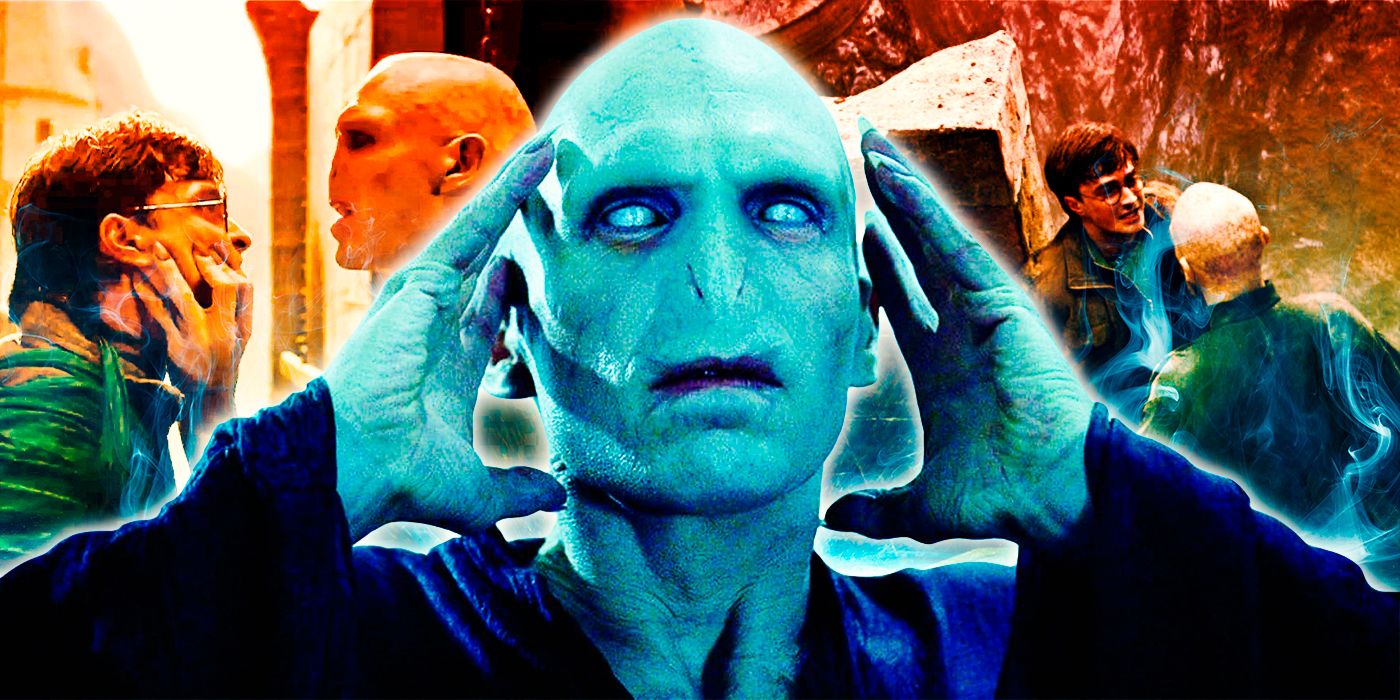
Rebranding the Self: From Tom Riddle to Lord Voldemort
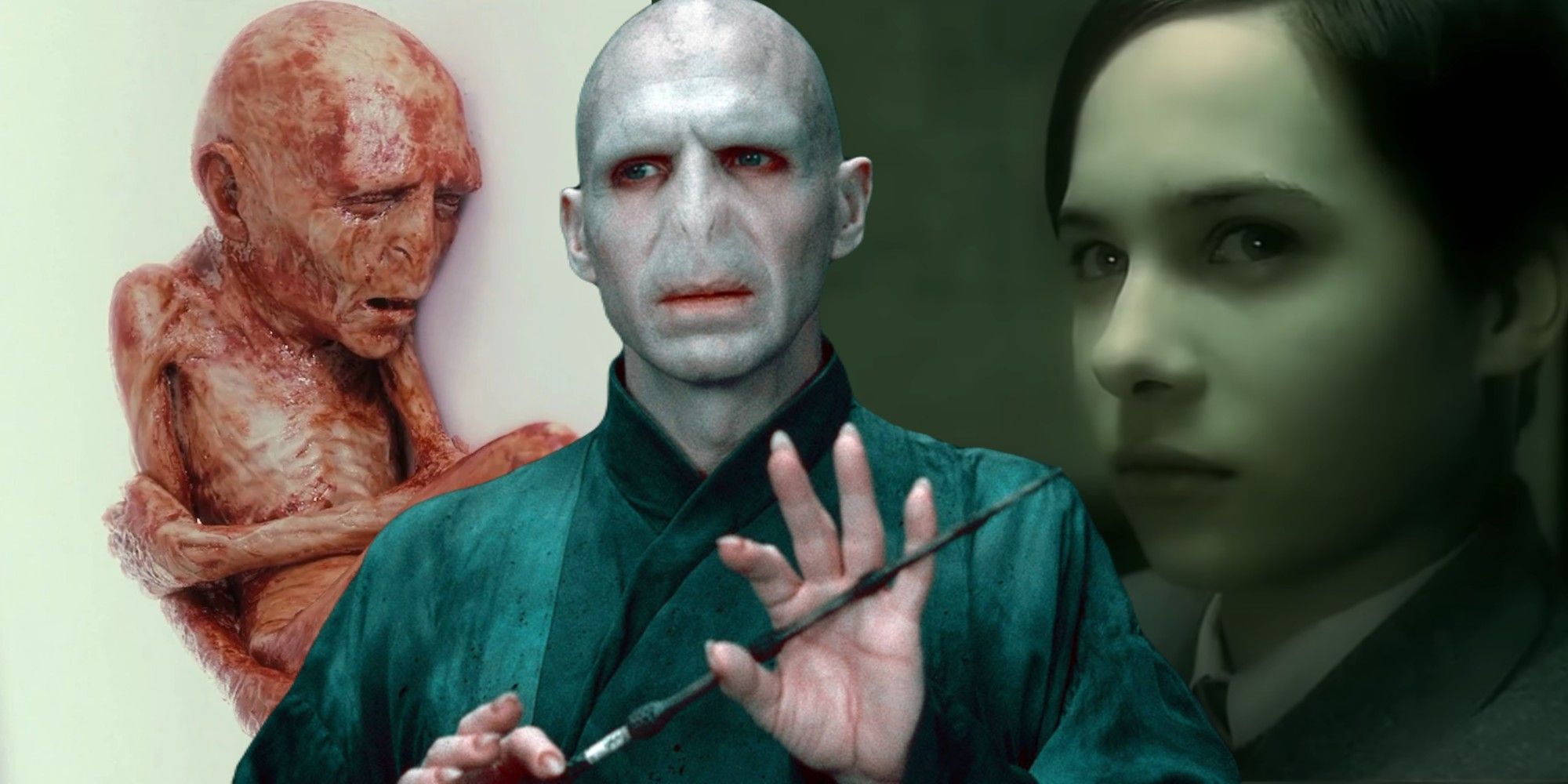
Every successful brand begins with an identity. Tom Riddle understood that his original name—his “birth brand”—carried connotations of mediocrity, abandonment, and commonality. To achieve his goals, he recognized the necessity of a total brand pivot.
The Power of Naming and the Erasure of Heritage
The first step in Riddle’s strategy was the complete erasure of his origins. In branding, this is known as a “clean slate” strategy. By discarding the name “Riddle,” he removed the “baggage” of his Muggle father and his orphanage upbringing. The creation of the name “Lord Voldemort” was a calculated move to establish a new narrative. The name itself—evoking flight from death—served as a mission statement. It was unique, phonetically striking, and designed to inspire awe. This taught us a fundamental rule of branding: your name is the container for your reputation. If the name doesn’t fit the vision, the vision will never take flight.
Creating an Aura of Inevitability through Myth-Making
Beyond a new name, Voldemort cultivated a brand mythos. He didn’t just want to be a powerful wizard; he wanted to be an elemental force. Through strategic silence, selective appearances, and the curation of a “mysterious” persona during his travels after Hogwarts, he built brand equity based on the unknown. By the time he returned to the public eye, he had moved from a person to a persona. He understood that a brand that is talked about in whispers often carries more weight than one that shouts in the town square.
Visual Identity and Symbolism: The Dark Mark as a Corporate Logo
Consistency is the bedrock of any successful brand strategy. Voldemort understood that for his movement to scale, it needed a visual anchor—a logo that communicated his presence even when he was physically absent.
Consistency in Brand Recognition
The Dark Mark—a skull with a snake protruding from its mouth—is one of the most effective logos in fictional history. It was high-contrast, easily recognizable, and possessed a unique “delivery system.” By casting it into the sky over the sites of his operations, Voldemort practiced a form of aggressive “experiential branding.” The logo served two purposes: it signaled a successful “service delivery” to his followers and served as a warning to his competitors. In modern branding, this level of consistency ensures that the audience immediately understands the brand promise (or, in this case, the brand threat) the moment they see the icon.
Fear as a Consumer Engagement Metric
While most brands strive for love or loyalty, Voldemort’s brand was built on “Fear Equity.” He recognized that fear is a powerful driver of engagement and compliance. The “Taboo” placed on his name during his height of power was a brilliant, albeit terrifying, brand protection tactic. It turned his brand name into a weapon. If a consumer (or citizen) uttered the brand name, they were immediately “tracked” by the organization. This transformed the act of communication into an act of submission, ensuring that his brand occupied the mental space of every individual in his target market.
Market Monopolization and the “Pure-Blood” USP
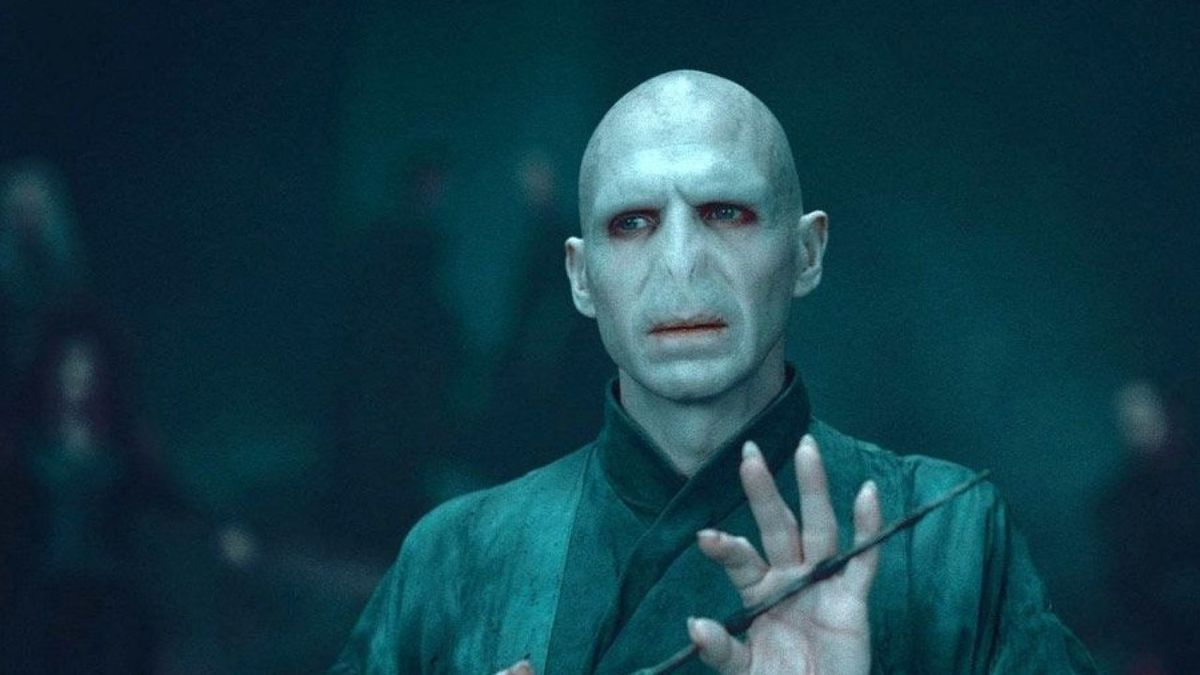
To dominate a market, a brand must have a Unique Selling Proposition (USP). Voldemort’s USP was the ideology of “Blood Purity.” By positioning himself as the champion of an elite, exclusive class, he created a high-barrier-to-entry brand that appealed to the “legacy” stakeholders of the wizarding world.
Defining the Target Audience: Exclusivity and Elitism
Voldemort did not try to appeal to everyone. He understood that a brand for everyone is a brand for no one. Instead, he targeted the “High-Net-Worth” individuals of the wizarding world—ancient families like the Malfoys and the Blacks. By offering them a “Premium” status based on their heritage, he secured the capital and social influence necessary to fund his operations. This is a classic example of “Niche Dominance.” By owning the “Pure-Blood” segment, he created a loyal base that felt their own brand value was tied directly to his success.
Eliminating the Competition through Hostile Takeovers
Voldemort’s approach to market share was not one of healthy competition but of total eradication. His ultimate goal was a global monopoly. He viewed institutions like the Ministry of Magic and Hogwarts not as partners, but as rival brands that needed to be subsumed or destroyed. His “hostile takeover” of the Ministry in the latter stages of his campaign was a masterclass in institutional subversion. He didn’t just destroy the Ministry; he “rebranded” it from within, using its existing infrastructure to propagate his own brand values.
Brand Sustainability: The Horcrux Strategy and Diversification
In business, sustainability often refers to the longevity of a company. For Voldemort, brand sustainability was literal. He wanted to be a “Forever Brand.” His method for achieving this—the creation of Horcruxes—is a fascinating metaphor for asset diversification and risk management.
Risk Management and Asset Distribution
Voldemort realized that a single point of failure is the greatest threat to any entity. If his “Main Office” (his body) were destroyed, the brand would collapse. To prevent this, he distributed his “soul” (his brand essence) across multiple “off-site servers” (the Horcruxes). By choosing historical artifacts like Ravenclaw’s Diadem or Slytherin’s Locket, he was tying his brand to existing, high-value “legacy brands.” This was a form of co-branding designed to ensure that as long as these “subsidiaries” existed, the core brand could never be truly liquidated.
The Failure of Ego-Driven Leadership
However, Voldemort’s brand strategy had a fatal flaw: over-centralization and ego. While he diversified his assets, he never empowered his “executive team” (the Death Eaters). He ruled through a top-down, autocratic model that left no room for brand evolution or succession planning. In the corporate world, a brand that cannot survive its founder is inherently fragile. Voldemort’s refusal to trust his subordinates led to a lack of brand resilience. When the “CEO” was distracted or weakened, the entire organization lacked the autonomy to sustain itself.
Lessons for Modern Brand Managers
While we certainly don’t advocate for Voldemort’s methods, his “career” offers profound insights into the mechanics of brand power and the consequences of ethical bankruptcy in brand positioning.
The Importance of Social Responsibility
What Voldemort ultimately failed to realize is that a brand is a social contract. A brand that provides no value to the broader community and instead seeks only to extract power will eventually face a “market correction.” The “Harry Potter” brand—which stood for courage, community, and sacrifice—eventually outperformed the “Voldemort” brand because it had a more sustainable and positive “Product-Market Fit.” The Wizarding World eventually “voted” against Voldemort because his brand promised a future that was fundamentally unlivable for the majority of the population.
The Long-Term Viability of Fear-Based Branding
Voldemort’s reliance on fear created a “Bubble” that was destined to burst. Fear-based branding creates high short-term returns (compliance, rapid expansion) but leads to long-term “Brand Decay.” It breeds resentment, encourages “corporate espionage” (Snape), and ensures that as soon as a viable alternative appears, customers will defect instantly. True brand loyalty is built on shared values, not shared threats.
In conclusion, what did Voldemort want? He wanted to be the ultimate, immutable, and undisputed brand in the wizarding world. He achieved a terrifying level of success through expert rebranding, iconic visual identity, and strategic asset management. Yet, his story serves as a cautionary tale: without empathy, social license, and a focus on the common good, even the most powerful brand strategy will eventually crumble under the weight of its own darkness. The “Boy Who Lived” wasn’t just a hero; he was the leader of a competing brand movement that proved, once and for all, that the most enduring brands are those built on love, not hate.
aViewFromTheCave is a participant in the Amazon Services LLC Associates Program, an affiliate advertising program designed to provide a means for sites to earn advertising fees by advertising and linking to Amazon.com. Amazon, the Amazon logo, AmazonSupply, and the AmazonSupply logo are trademarks of Amazon.com, Inc. or its affiliates. As an Amazon Associate we earn affiliate commissions from qualifying purchases.